Richmond's Flag, Part 3: Modern day boatmen recreate the freedom of the batteaux era
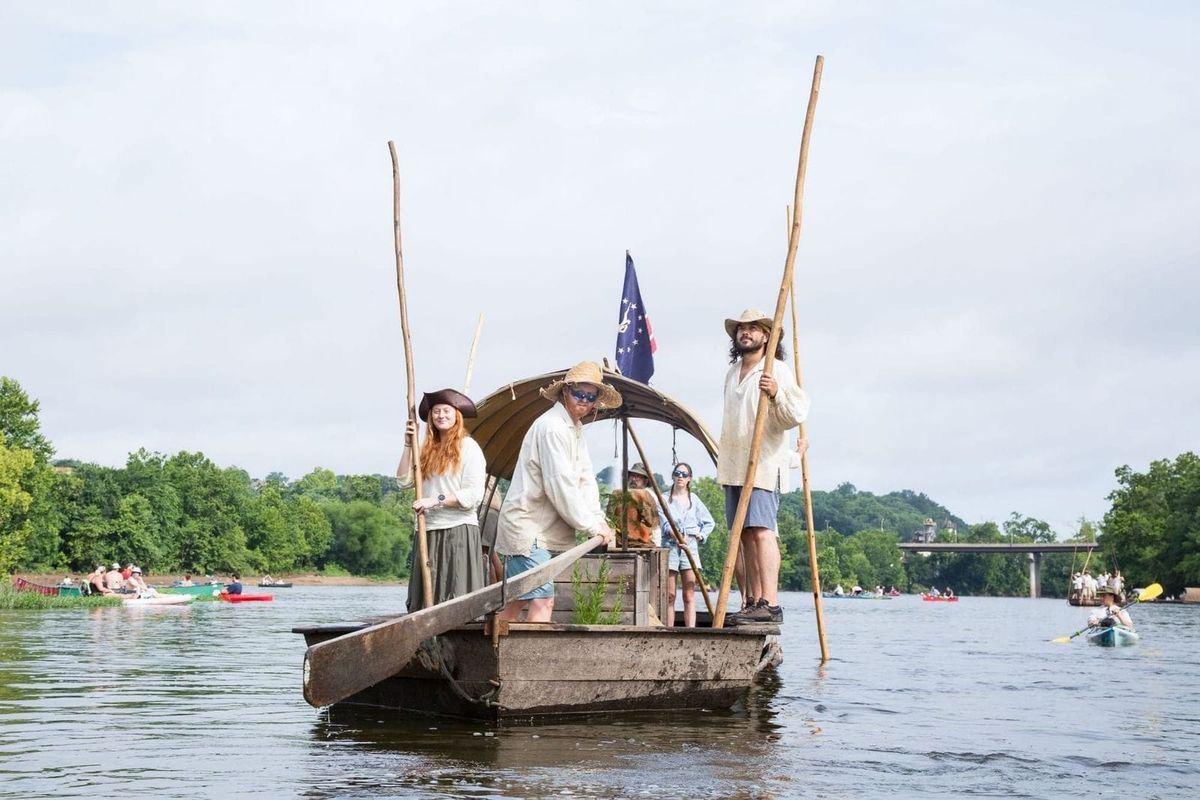
From 1983 to 1985 the site of what is now the James Center, with its high-rises and parking deck, was being excavated. As men and machines dug into the mud, unlikely artifacts surfaced: the remnants of 63 vessels used to navigate the James River and Kanawha Canal. This location, where the vessels were unearthed was the site of the city’s former center of commerce: The Great Turning Basin.
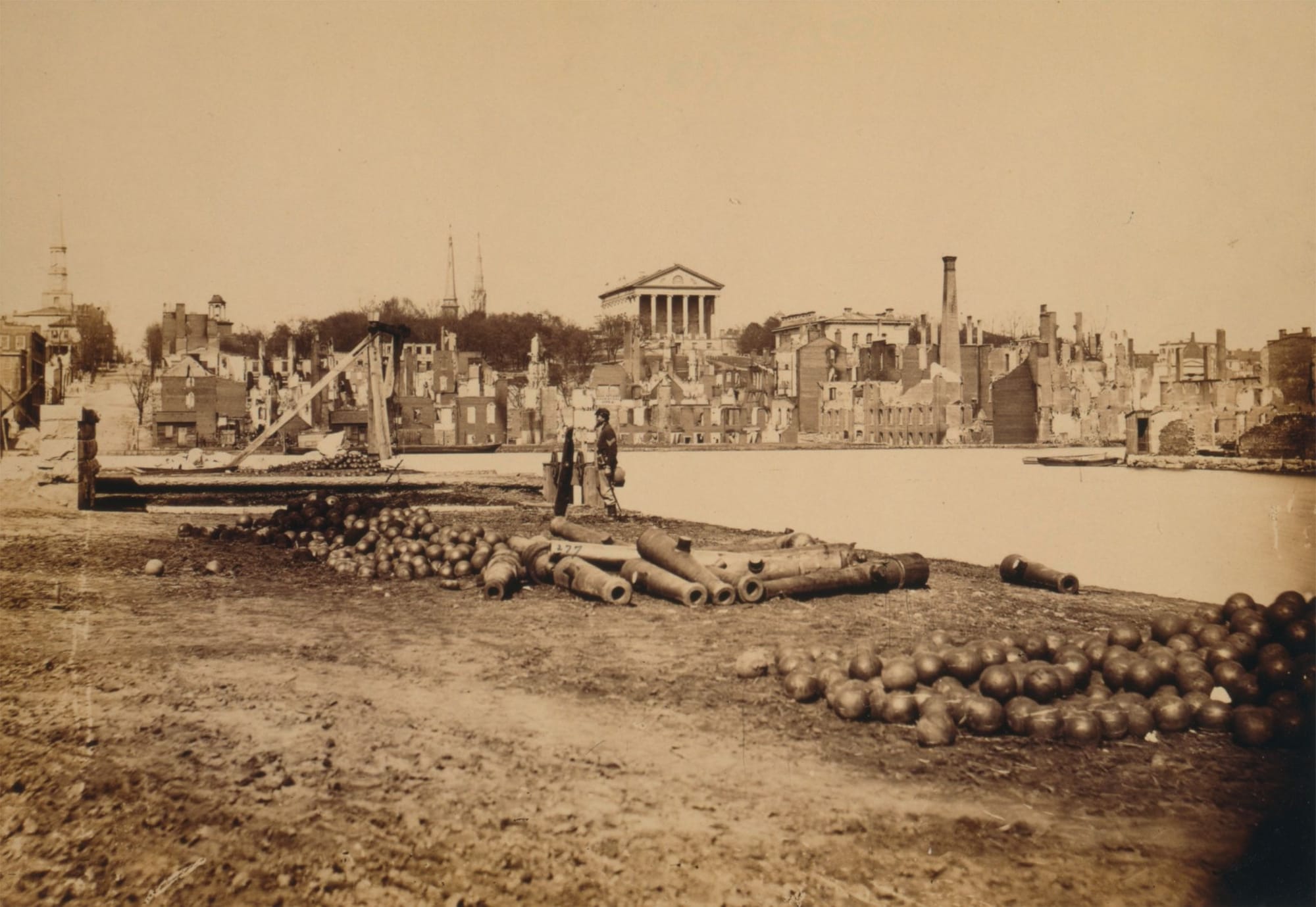
At the Turning Basin, boats carrying goods from upland Virginia would unload their cargo in exchange for other goods to be brought back upstream on the James (and later the completed James River and Kanawha Canal), or simply turn around to return home.
Knowing the location’s past, two canal history enthusiasts, Dr. William E. "Bill" Trout lll and James "Jimmy" Moore III had a hunch that historical artifacts might be found there. After the pair talked their way into the site and began finding boats in the mud, they were adamant that proper archaeology be undertaken. State highway archaeologist Lyle Browning was recruited to help facilitate the dig and brought expertise and organization to the endeavor. The three consecutive summers of digging were described by Richmond Times-Dispatch writer James Wamsley as "The Jamestown of the canal boat business."
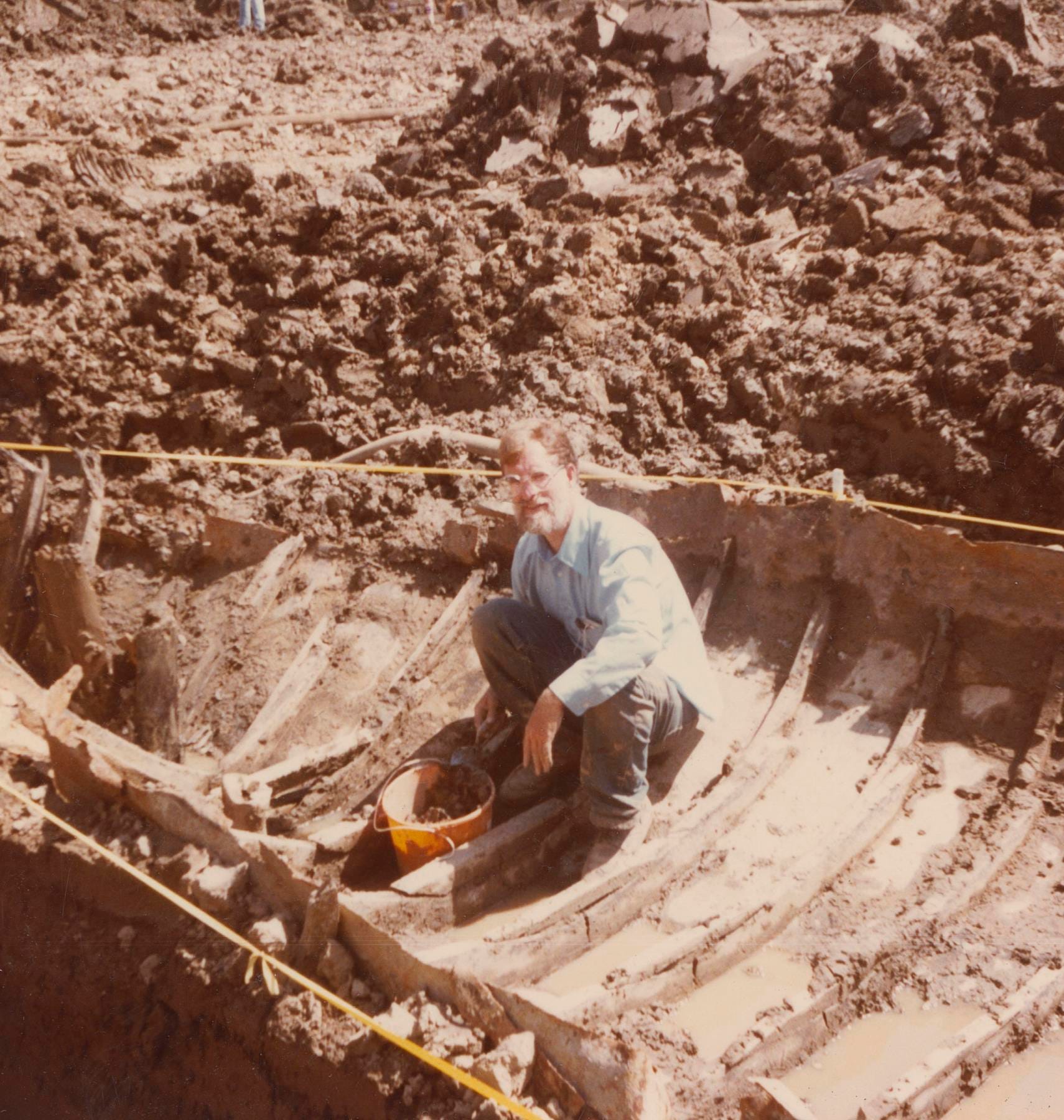
Of the many artifacts and boats unearthed, one notable find was ‘Boat 28,’ the best-preserved specimen of a James River Batteau discovered up until that point. Before the boat was found, descriptions of James River Batteau were available, but the exact details of their dimensions and construction were not. Ruthless scrutiny of the 58-foot-long, 7-foot-wide batteau opened the door to a concrete understanding of the materials and structure of the James River Batteaux, which were the floating backbone of Virginia’s shipping economy from the late 1700’s through the mid 1800’s. According to Dr.Trout in a recount of the excavation, the remains of 48 James River Batteaux were found at the James Center dig.
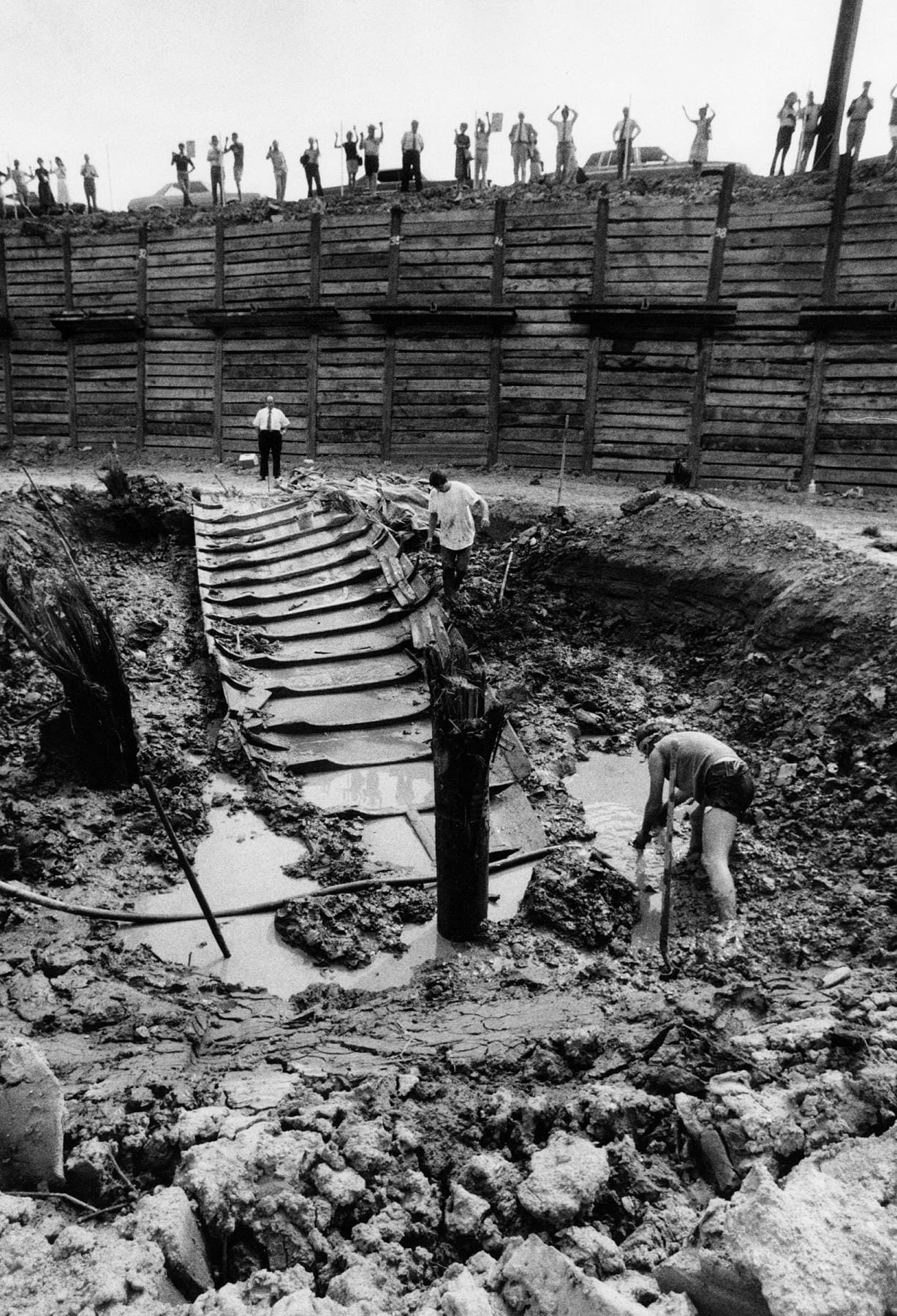
Boat 28 was documented with exacting precision, thanks to the efforts of CSX developer Henry Faison and others. An aerial camera owned by the Virginia Highway Department took large-format stereo photographs, which allowed for the production of scale drawings. This knowledge paved the way for people to build their own replica batteaux.
These replica batteaux were present in June 1985, when the Virginia Canals and Navigation Society, an organization formed in 1977 to "preserve and enhance Virginia’s rich inland waterways heritage in all its fascinating aspects," held the inaugural James River Batteau Festival, an 8-day summer journey down the James from Lynchburg to Maidens Landing upstream of Richmond. June 20th is launch day for this year’s 41st edition of the festival.
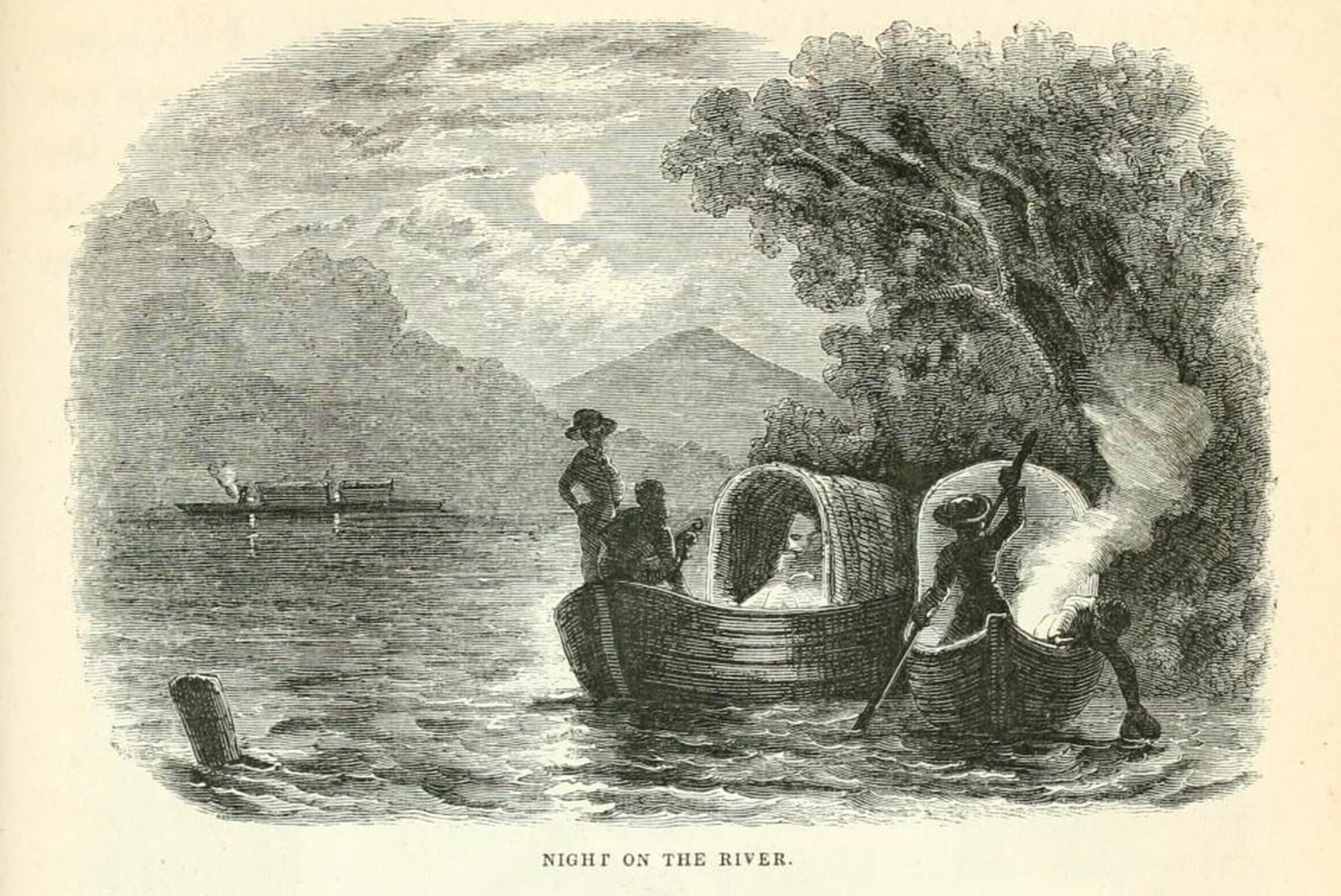
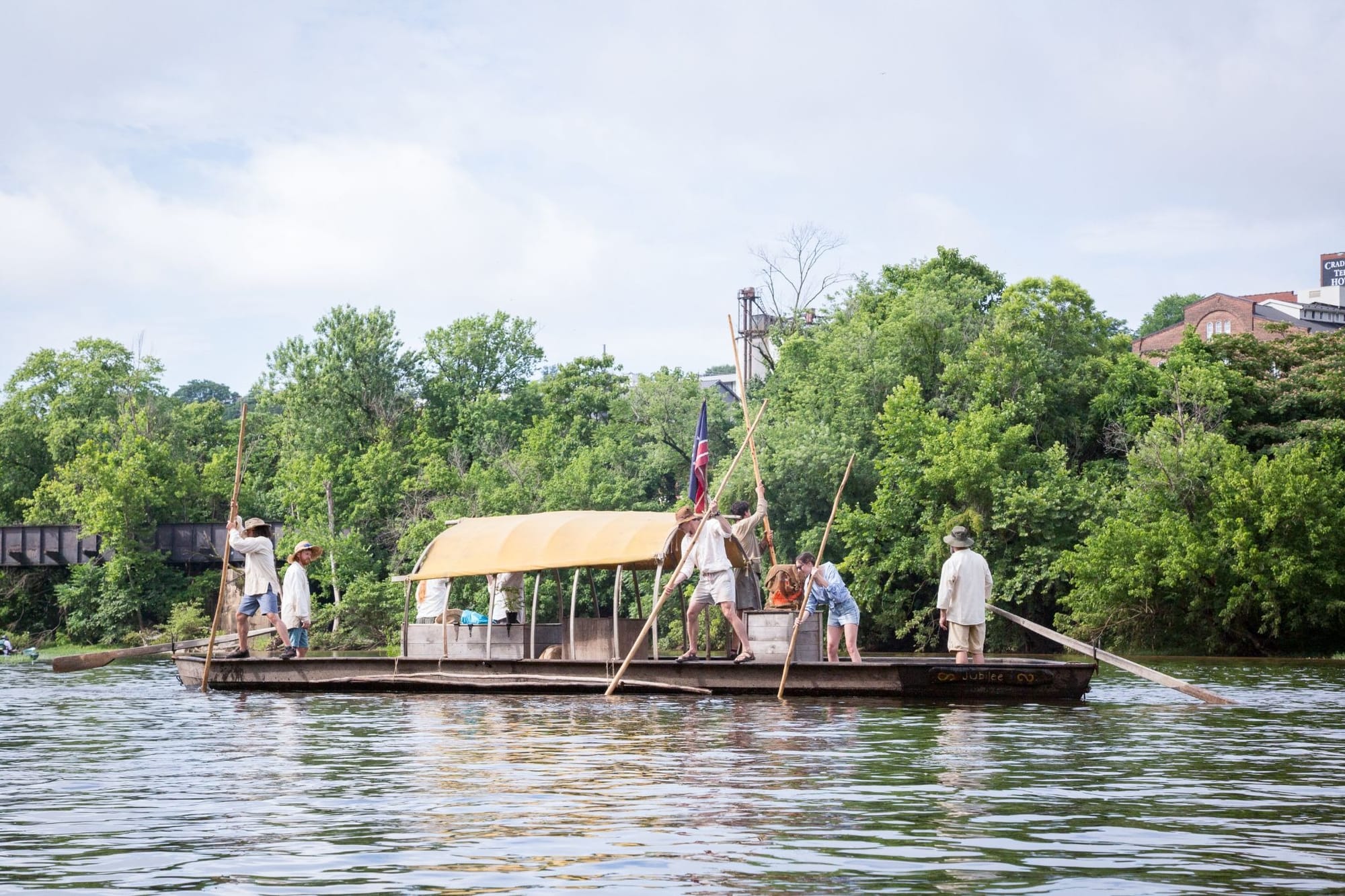
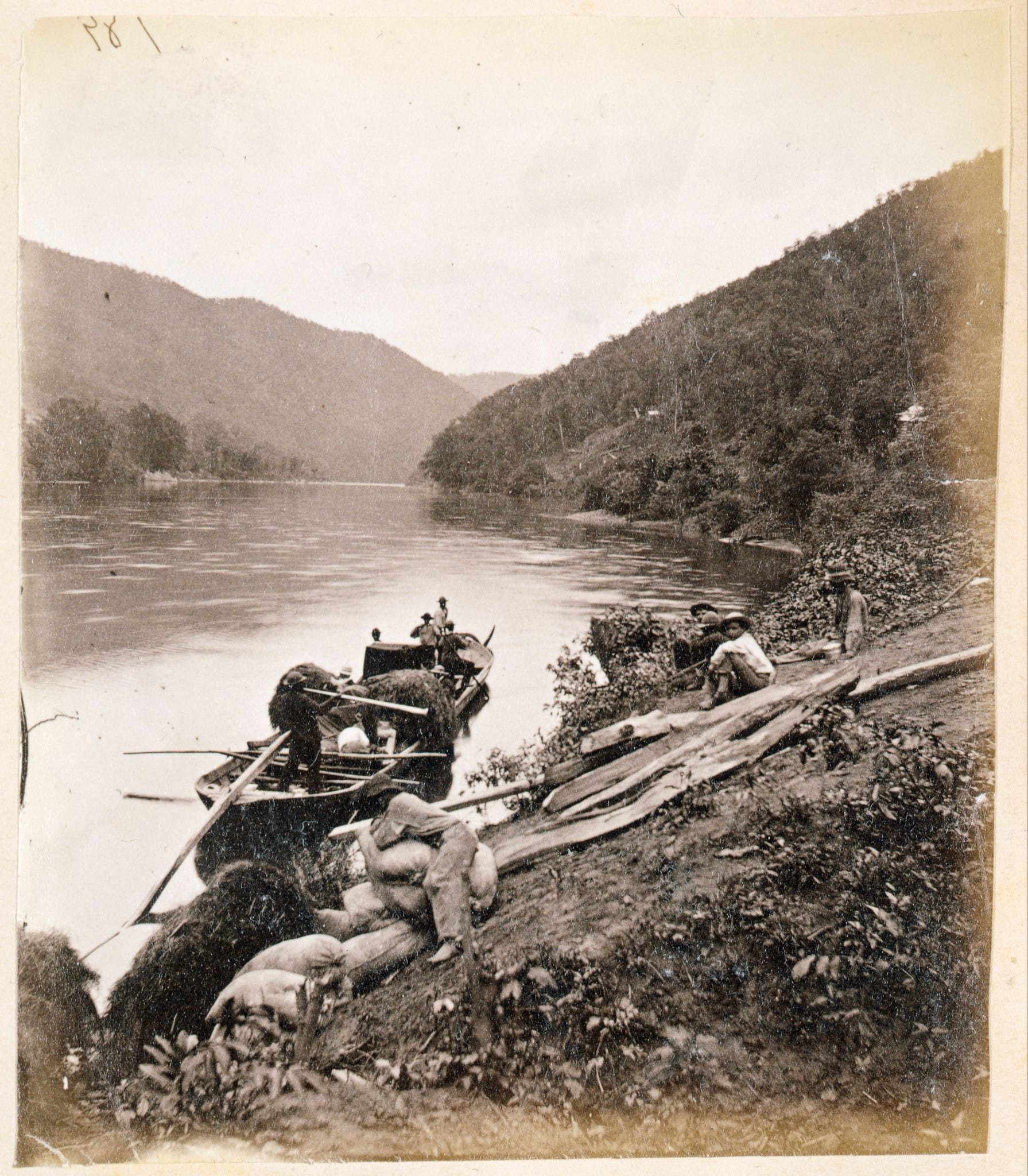
The festival is a moving recreation of history. As the sun passes over replica batteaux, the boats are propelled downstream by crew members pushing on wooden poles as they walk the length of the boat. Those operating the 'sweeps,' long oars at either end, turn the boats to maneuver through rapids, just as the early boatmen did. Throughout the days, crews play music, cook on the boats (batteaux were known to have hearths onboard for cooking fires, and some replicas do too), fish, or simply admire river grasses passing below. At night, some crew members sleep aboard the boats, another practice of the early boatmen.
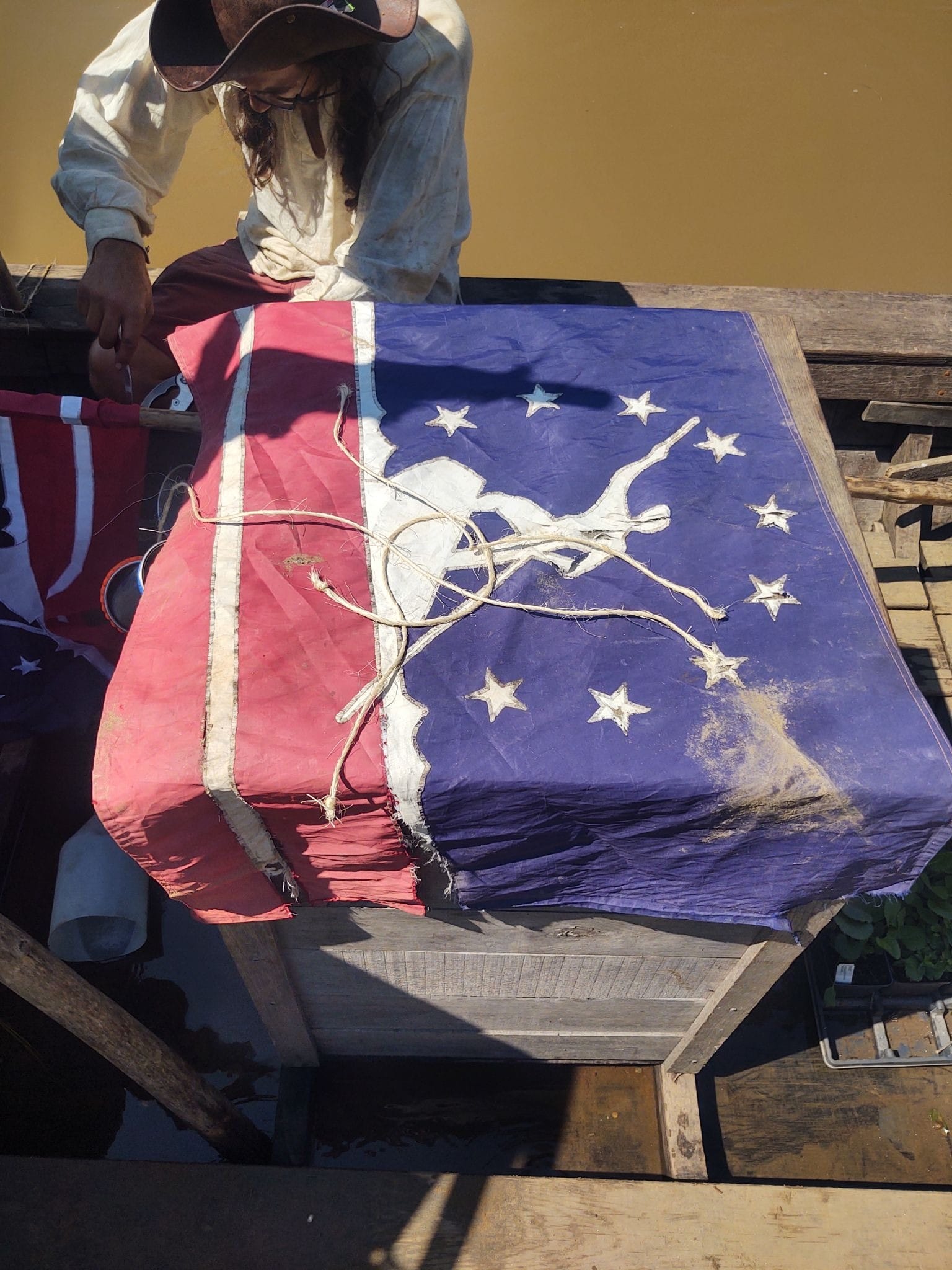
On launch day for this year’s festival, the batteau ‘Jubilee,’ which references a line in the song ‘Sugaree’ by the Grateful Dead, will begin its ninth journey down the James as part of the Festival, proudly flying the Richmond flag. Last year, the boat’s flag was retired as the boat passed Bremo Bluff and the Jubilee eclipsed 1,000 miles of river travel.
Zach Gills, a 37-year-old from Henrico County, is the Captain of the Jubilee. Some of Zach’s earliest memories are floating the James on his father’s batteau, the J.R. (James River) Mudcat, during the festival. The experience had a profound effect on Gills; he would draw scenes from the trips in elementary school.
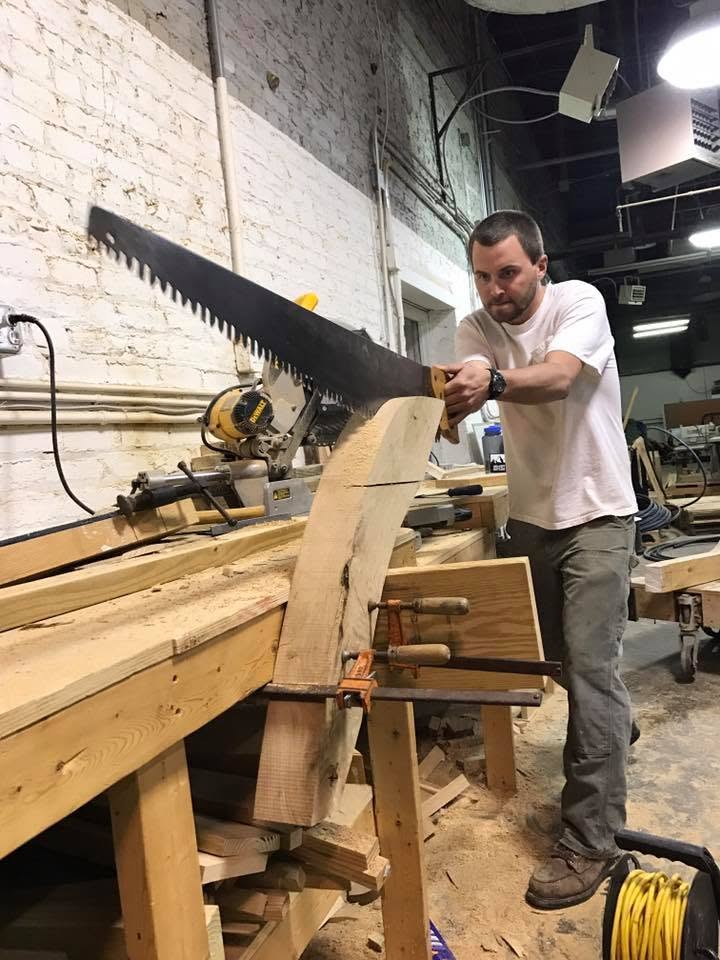
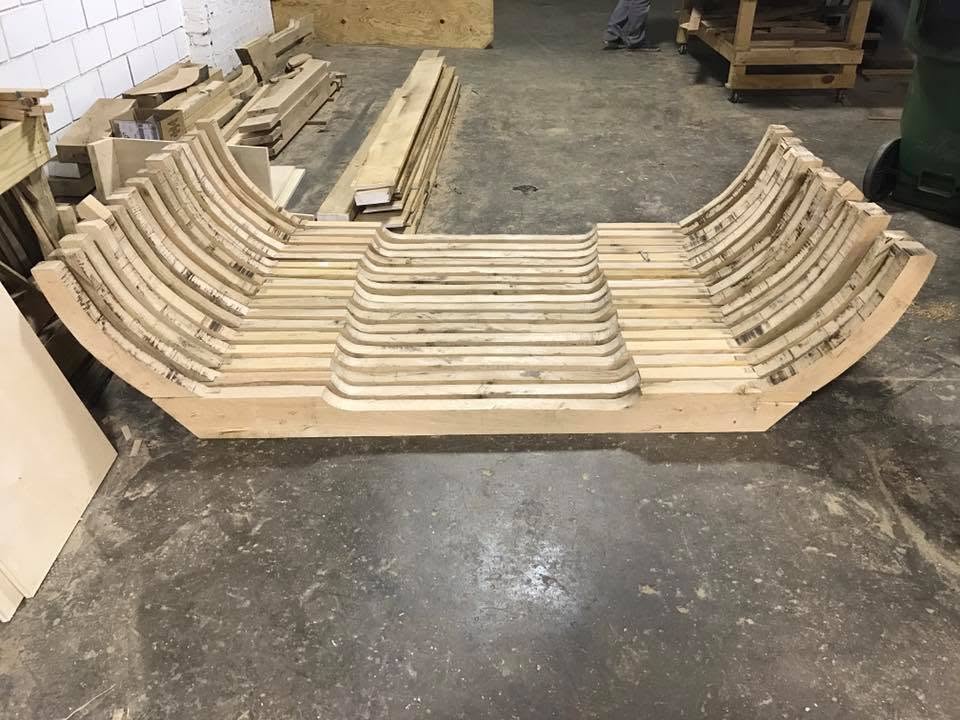
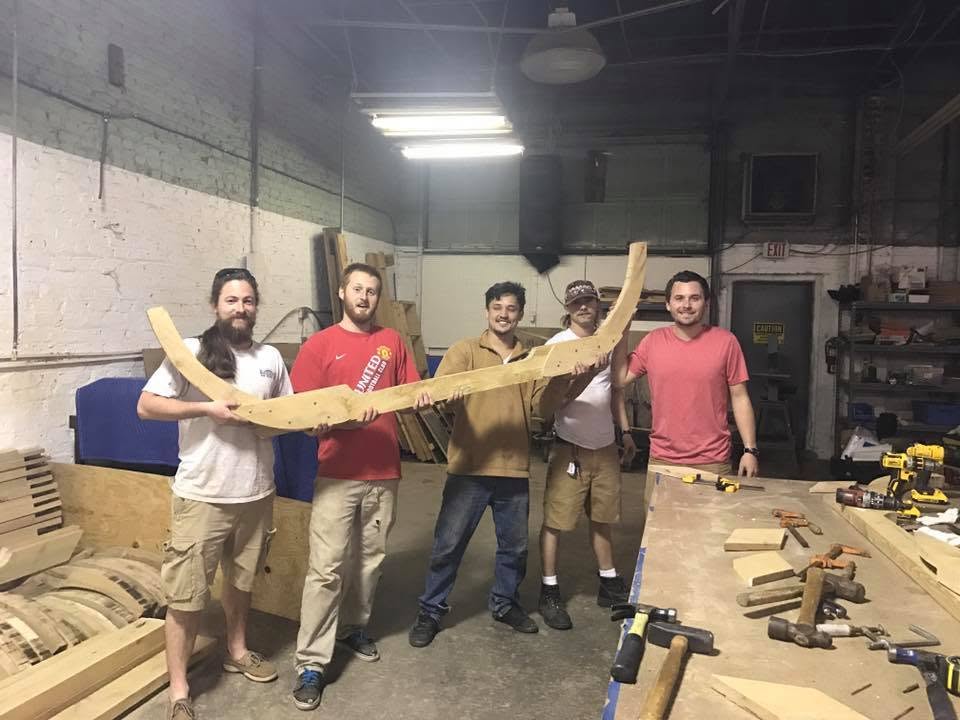
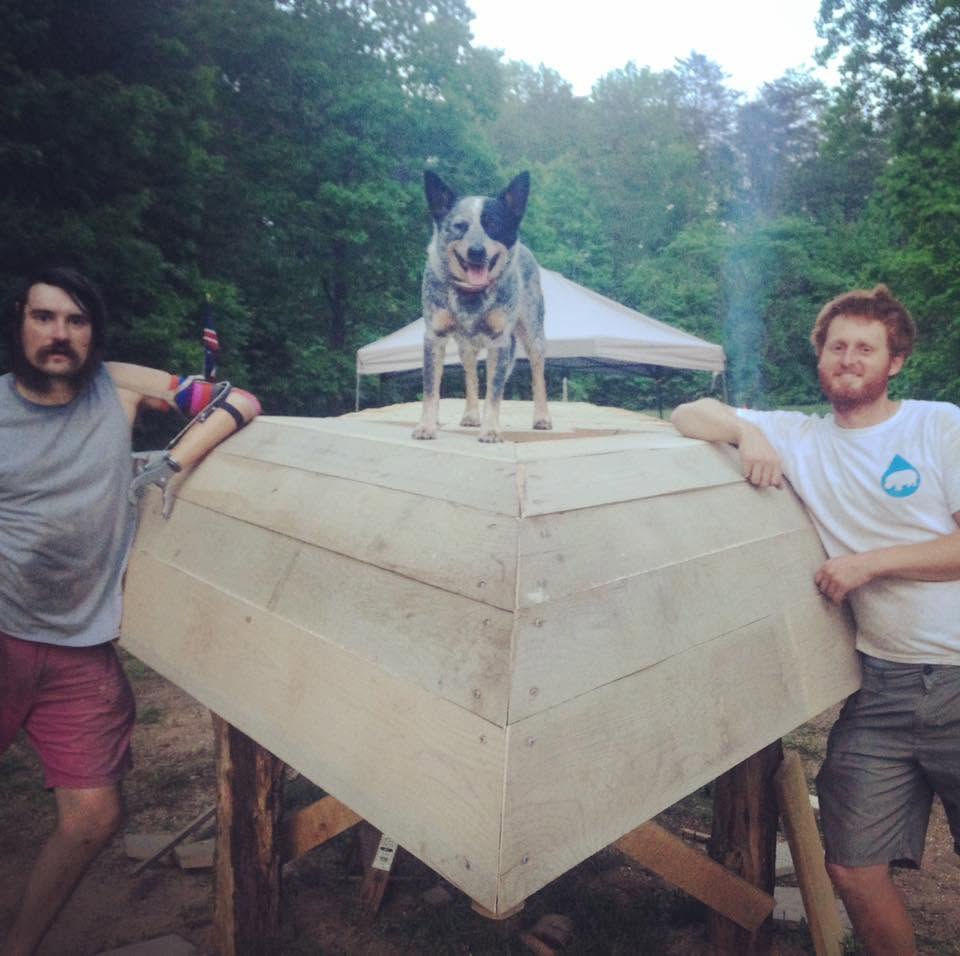
In 2017, Gills and a group of like-minded friends, some of whom also had early experiences aboard batteaux, cut down three white oak trees on Gills’ parents’ land. They milled the lumber, had it dried, and handmade the various parts such as ribs, gunwales, and custom iron fittings. The work to build the boat began in January and concluded with a finished Jubilee in June, just in time for that year’s Batteau Festival.
To Gills, batteaux travel is the best way to experience Virginia, “...you're right in the core. You're seeing the heart of Virginia from the mountains into the ag [agriculture] of the Piedmont, and you kind of see that whole transition as you go down…it's a beautiful part of our state.”
Batteaux travel wasn’t easy when the boats transported thousands of pounds of goods downstream, and it still isn’t. Gills considers it “...the hardest fun you can have,” as was put by a former batteaux captain, Lisa O'Sullivan. Gills considers the experience building and navigating the batteau a source of pride, one which provides a unique perspective and appreciation of what humans were doing in pre-industrial time periods “before we had machines, before we had industry, before we had computers…And I feel like you need more of that these days, you know? A lot of people don't understand what they're capable of.”
Raising the Jubilee
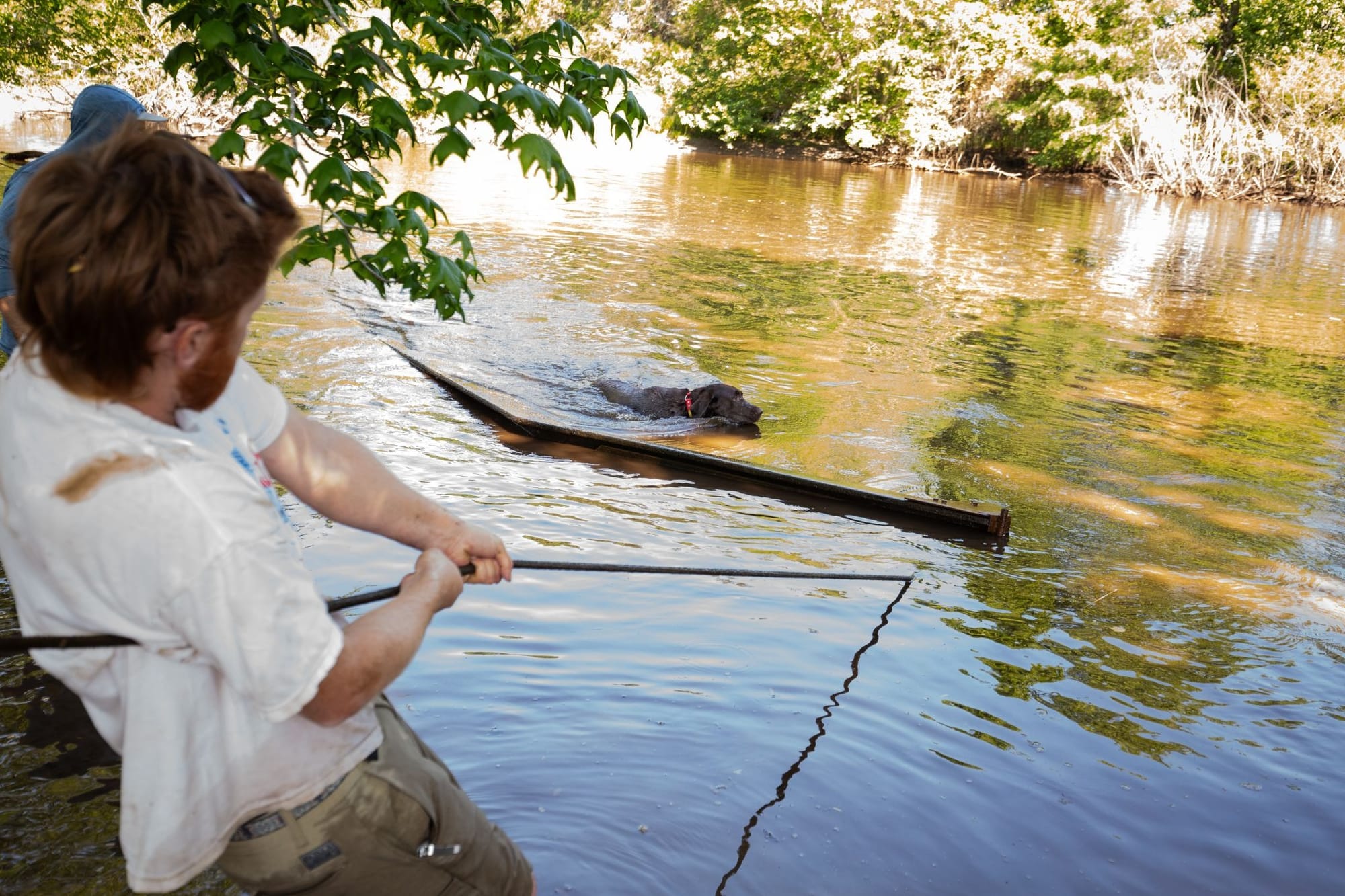
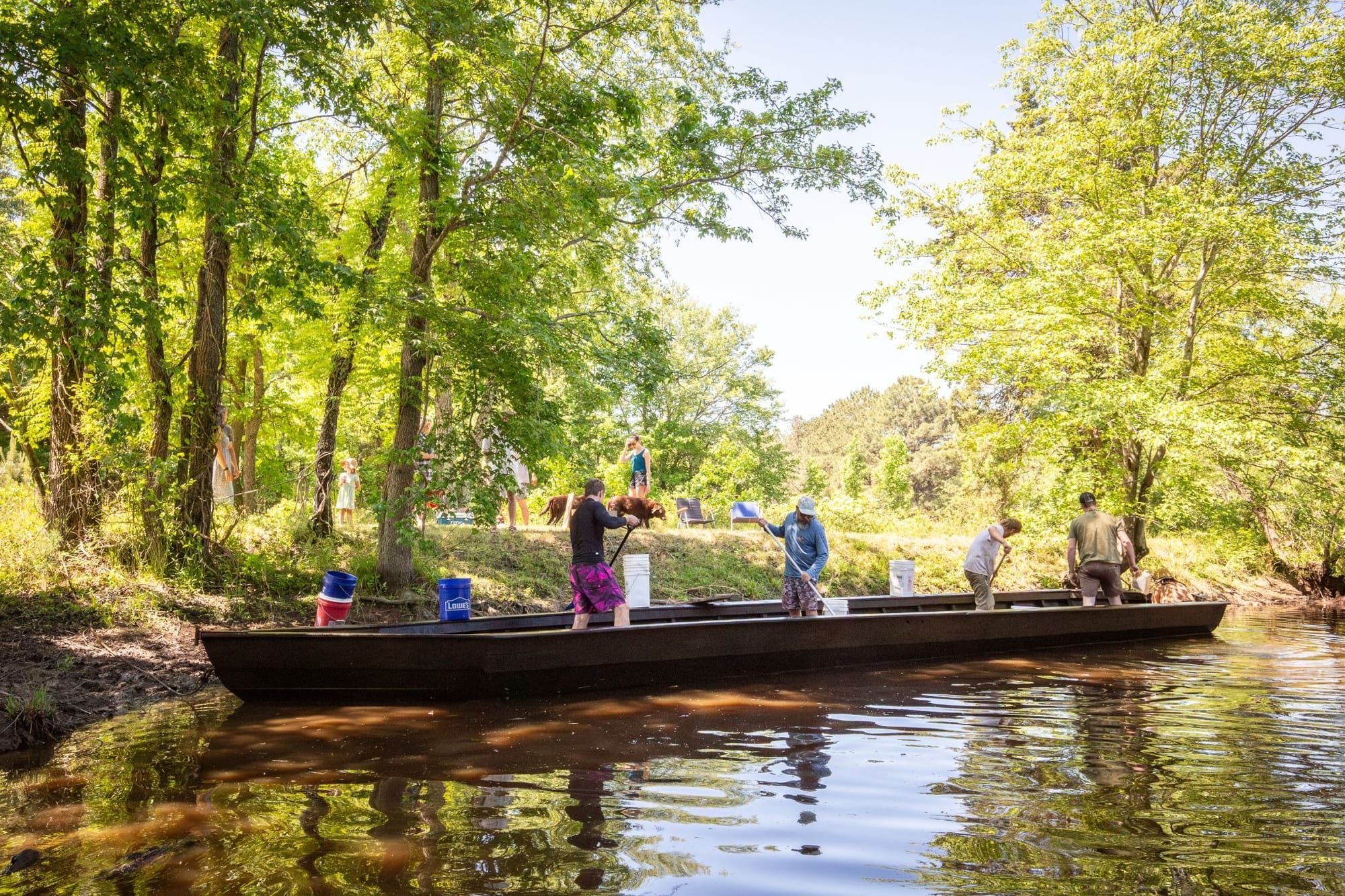
A unique part of owning a batteau is storing it. With their wooden construction and limited use during the year, batteaux are stored underwater in the offseason to prevent them from rotting.
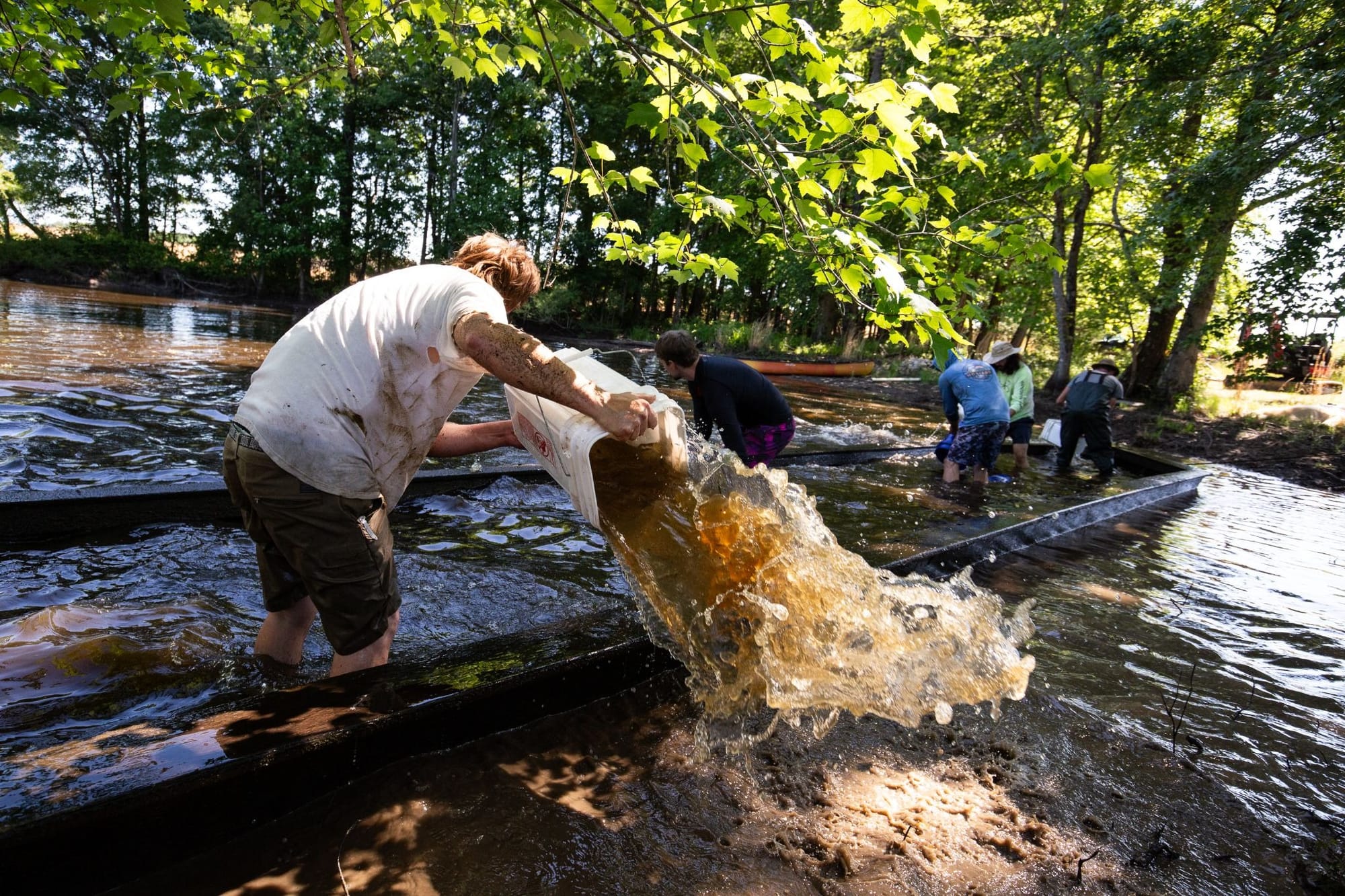
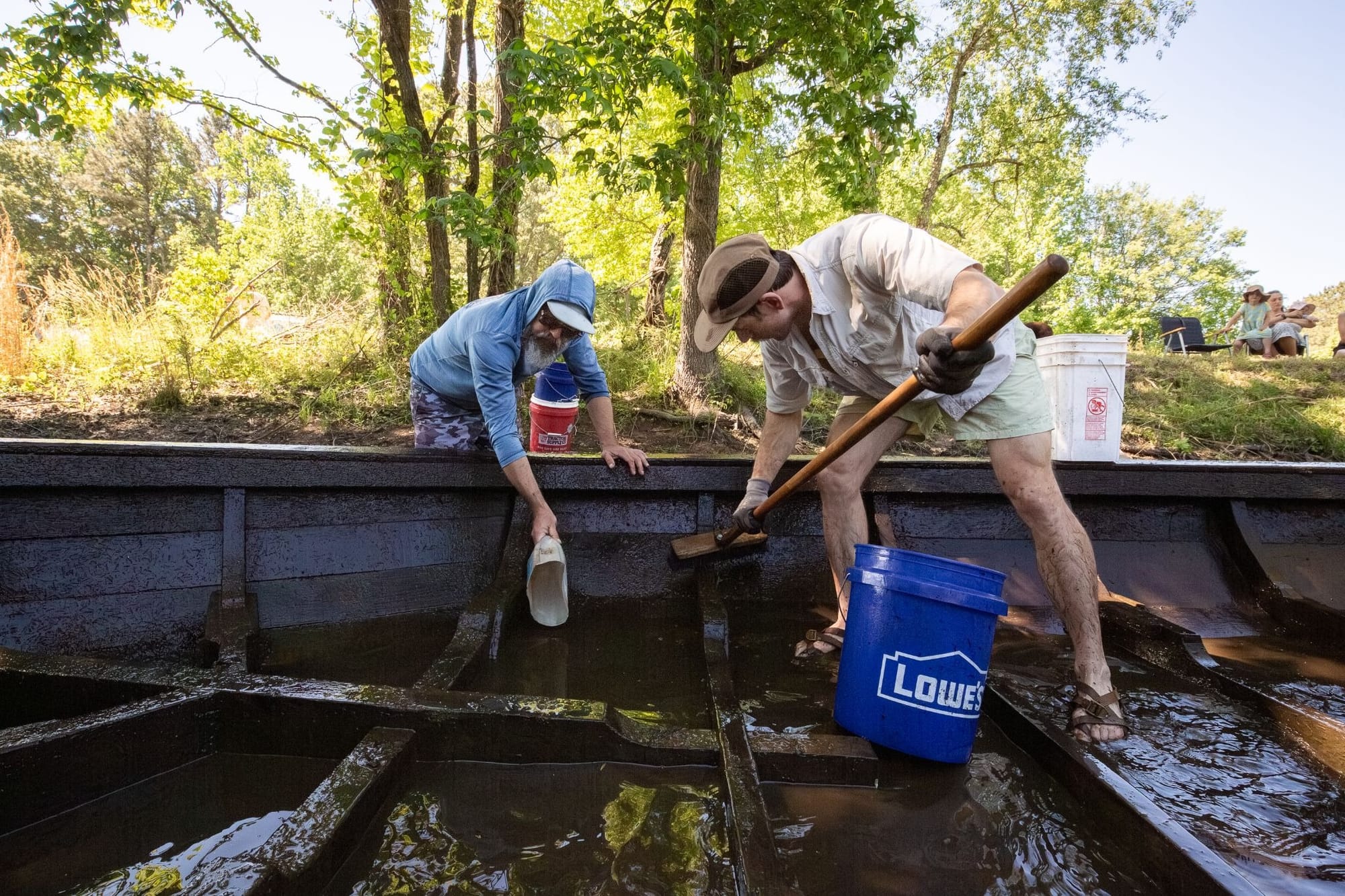
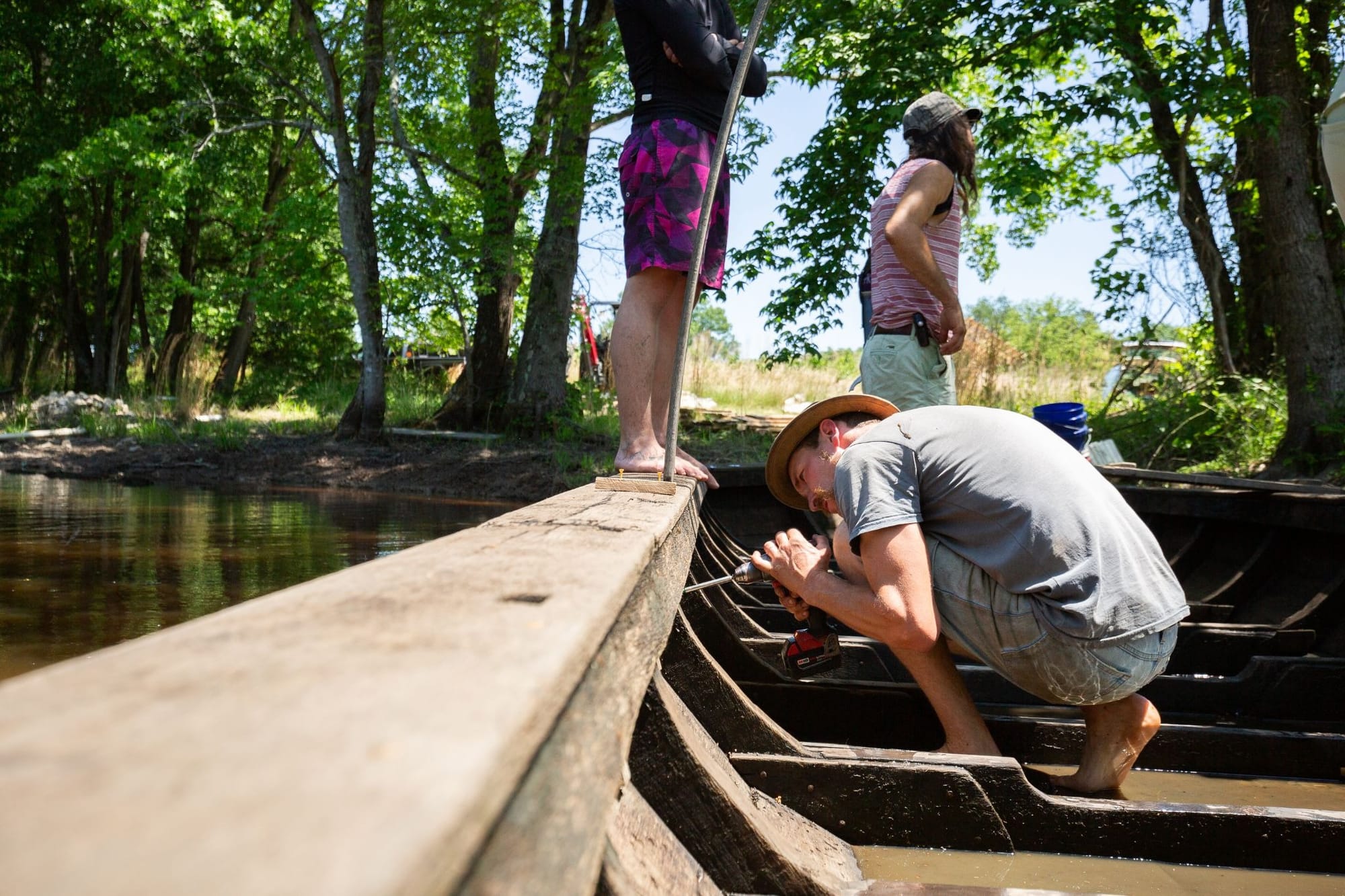
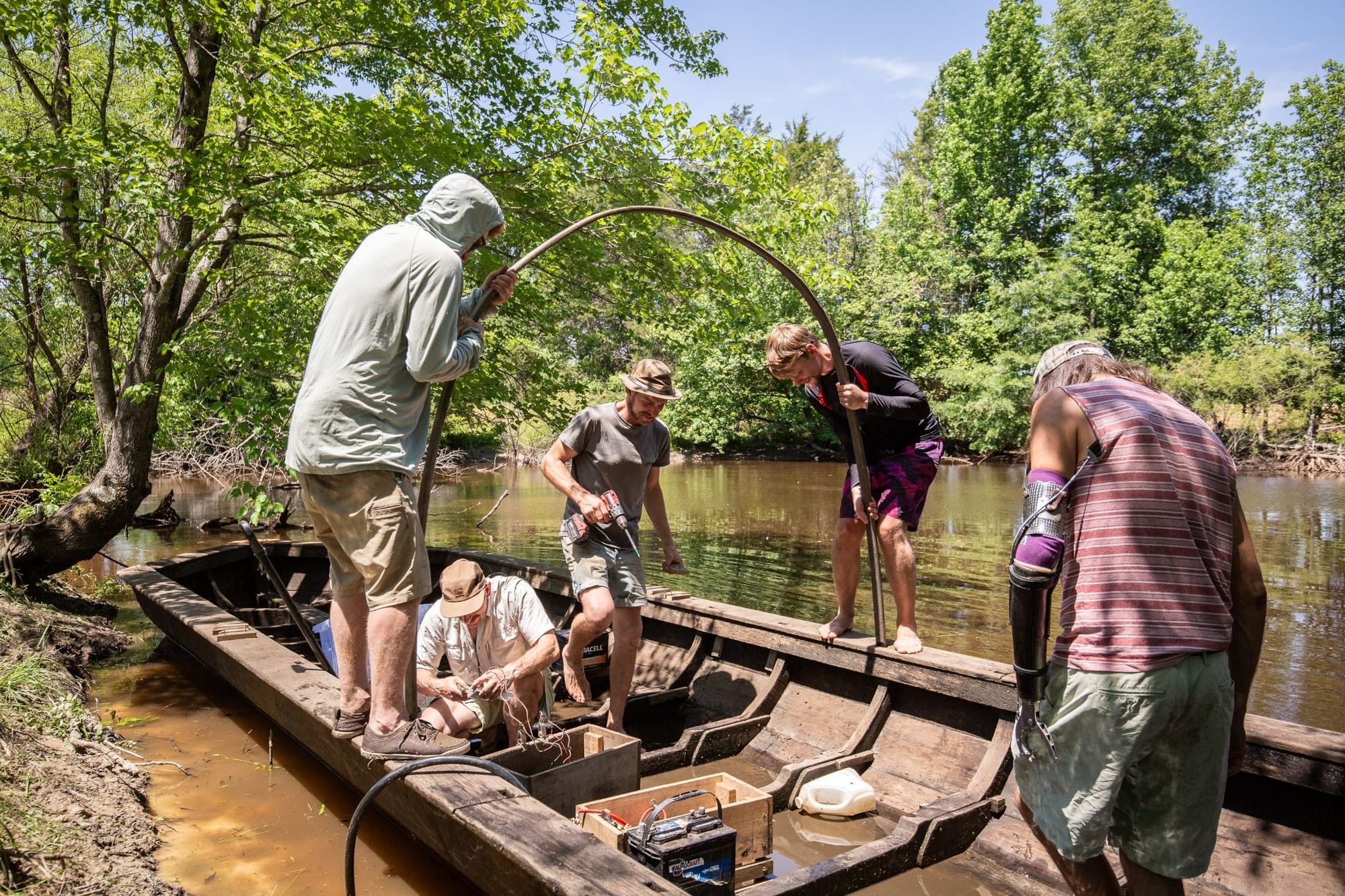
On a sunny Saturday in the middle of May, many of the Jubilee’s crew members assembled at a pond on a property in Ashland to haul the 42 foot, 9 inch boat up from the bottom of a mud and leach-filled pond, empty it of water, scrub its hull and ribs, patch leaks, and make other improvements in advance of this year’s Batteau Festival. As the afternoon progressed, music floated in the spring air as the crew joked around, reminisced, and worked on the boat.
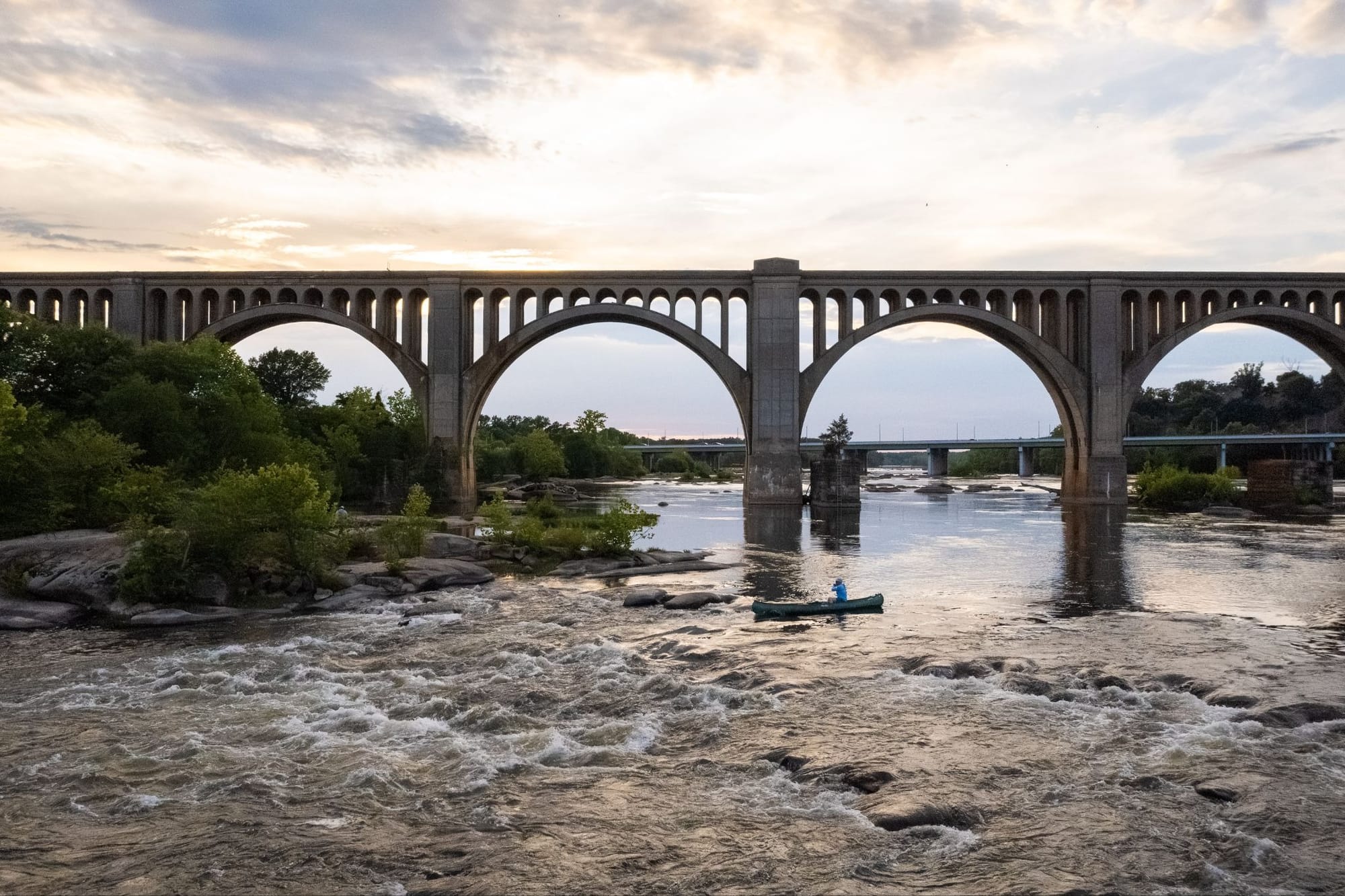
Following the day’s work, Richmonder and Jubilee crew member Bryan Dierkes enjoyed a break from canoeing and fishing on the Upper Section of Richmond's fall line rapids.
As the sun set behind the arches of the Atlantic Coastline Bridge and trains traversed its rails, Choo Choo Rapids flowed gently a few hundred yards upstream of where Dierkes cast his line into the water.
In the time period when the batteaux were relied on to transport tobacco and other goods downstream, Choo Choo Rapids were the site of ‘Grant’s Dam,’ a structure which backed up water, funneling it into the James River Canal System, which allowed the batteaux to bypass the steepest section of the falls of the James en route to unloading their cargo at the City’s Turning Basin.
Dierkes grew up in Richmond, taking frequent trips to the banks of the James with his father, where he developed an appreciation and love for the river. While studying at VCU, the river was always a place he could go when he was stressed.
"I’d come down and fish. Texas Beach, Pony Pasture, Boulevard Bridge area," he said. "And it just became a place where I felt like I could relax."
Dierkes started paddling on the river to access more places to fish, and eventually became a whitewater raft guide with an appetite for the intensity he found when navigating rapids. That intensity transformed into to a more zen-like state of mind as he gained experience on the river.
Through happenstance, Dierkes met Gills, and in 2023 he joined the crew of the Jubilee. For Dierkers, traveling downriver aboard the batteau has provided the spice that he remembers from when he was a beginner on whitewater:
“When you're in a 43-foot boat, that's almost 5,000 pounds, and you're feeling the current and the weight of that boat go through a class 2 or 3 – there's nothing else like it. That energy from when you first started paddling whitewater comes back.”
River travel on the clear waters and rapids of the James provides Captain Zack Gills a sense of freedom that he says is hard to come by these days:
“You're out there and no one's really telling you where you can and can't go, what you can and can't do…And in the same way, I think that same degree of freedom existed back then as well. I mean, when the batteaux were a big part of the economy, a lot of the crews were enslaved Africans. And I like to believe that they had the most free experience that you could have in that situation…It’s kind of cool to think that maybe the boatmen of that age were living a more free type of life.”
June 19th will mark the kickoff of the 41st annual Virginia Batteau Festival, an eight-day, 120-mile float from Lynchburg to Maidens Landing west of Richmond. Everyone is welcome to paddle alongside these replica batteaux as they navigate along a 200-year-old route, stopping in historic towns and cities along the way.
This article has been updated with additional details about the dig.