Pro-code refresh groups urge city to take more steps to reduce displacement
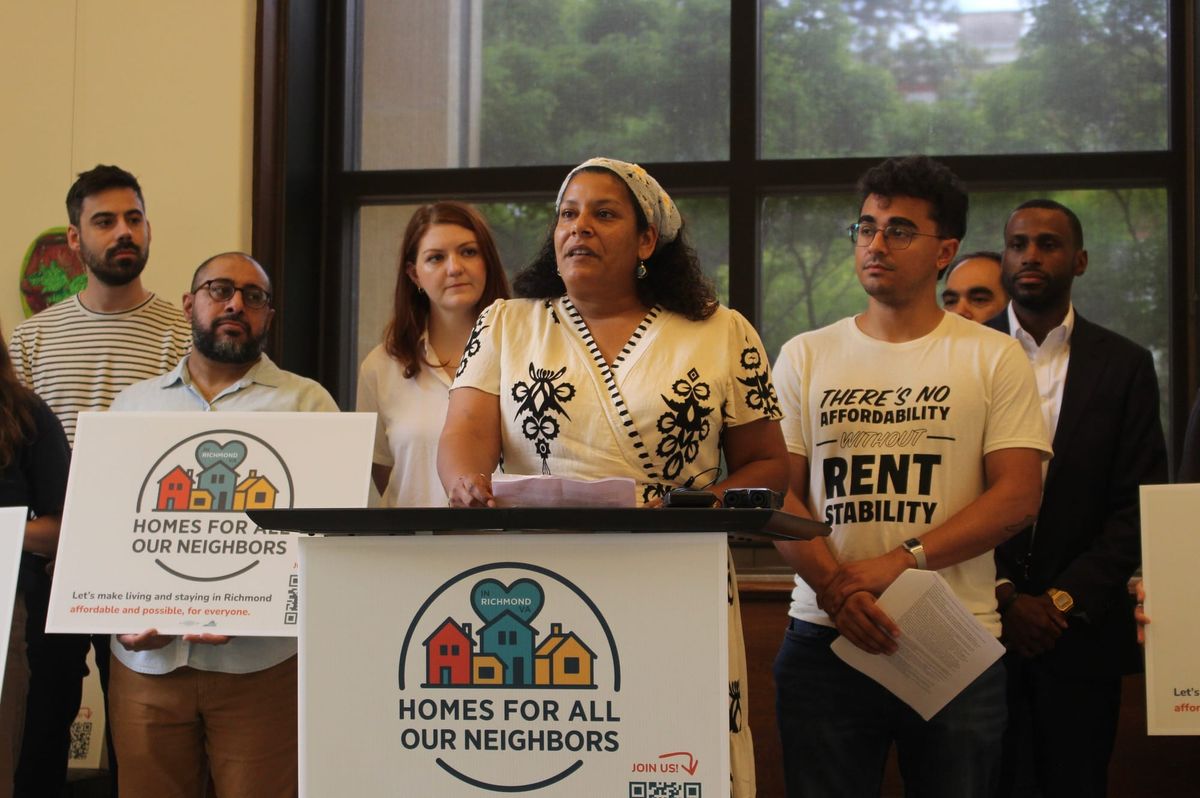
A coalition of groups that have been vocal about the need for rezoning on Monday called for Richmond officials to take a series of steps to reduce displacement as housing prices continue to strain lower-income residents.
“The displacement issue is the furthest thing from just a hypothetical threat,” said Marissa Clark, an organizer with progressive group New Virginia Majority. “It is the very real lived experience that’s happened so often to so many people in this city.”
At a press conference Monday, the Homes for All Our Neighbors coalition continued to call for the construction of new housing as a way to alleviate affordability problems.
“If we don’t build, the bleeding’s not going to stop,” said Clark.
But the group also urged the City Council and Mayor Danny Avula’s administration to provide better data on where affordable housing exists, put more housing resources toward neighborhoods where residents are more likely to be pushed out by prices, and begin preparing for new powers Richmond will have in July 2027 to incentivize or require developers to include affordable units in their projects.
“There is no single solution to our housing crisis,” said Gustavo Espinosa of the Legal Aid Justice Center. “Zoning reform, equitable development districts, affordability incentives, and preserving affordable housing must all work together.”
 Sarah Vogelsong
As Richmonders have debated the ongoing code refresh, the first comprehensive update of the city’s zoning ordinance since 1976, concerns around displacement have been raised repeatedly.
Critics of the rezoning have argued that allowing more development by right will increase the number of long-time residents being pushed out of their neighborhoods by new construction that drives up assessments and tax bills. And in places like the Chamberlayne Avenue corridor, they worry that development will hasten the conversion of “naturally occurring” affordable housing to market-rate units.
 Sarah Vogelsong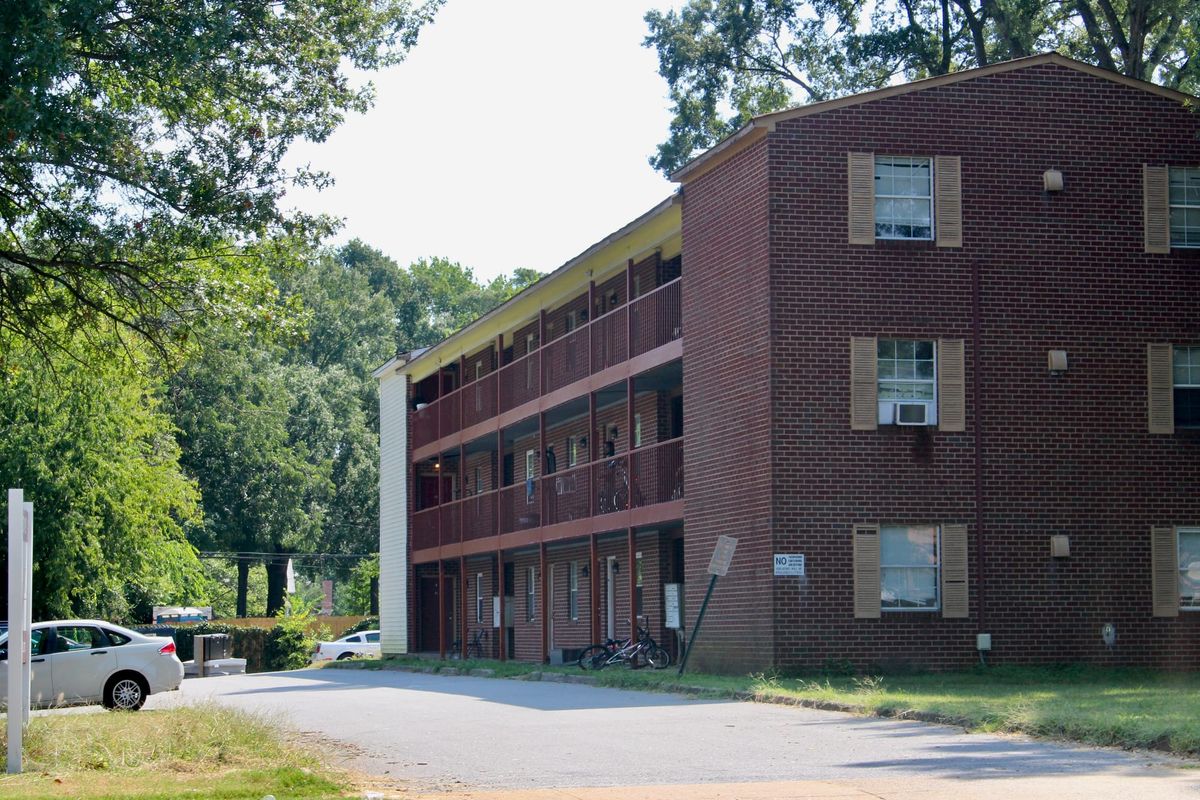
Many supporters acknowledge those worries. But they also contend that displacement is already well underway and that the current zoning code is making the problem worse by strictly limiting new growth and prioritizing single family construction.
“The concern is valid,” said Annika Schunn of Housing Opportunities Made Equal, a fair housing organization that is one of the leaders of the Homes for All Our Neighbors coalition. “It is one that we are taking very seriously, and we are hoping to see the city take seriously as well.”
Both Avula and the City Council have publicly said combating displacement is a priority. Avula pledged to “strengthen meaningful anti-displacement tools” as part of his affordable housing plan, while the Council recently requested a review of all the anti-displacement efforts the city is currently running in an effort to assess what is and is not working. A report was published in March.
“We know that this is something that City Council really cares about,” said Schunn. “Obviously, there are many demands on their time, many different priorities that they are balancing, and so our hope is that we can help and continue to push for this to be a priority.”
Four strategies
Of the four broad strategies proposed by the coalition Monday, only one is specifically tied to the zoning ordinance: a proposal to allow duplexes in all residential neighborhoods by right as long as the units are no larger than 1,500 square feet.
That idea, which was first floated by Homes for All Our Neighbors this March, aims to resolve one of the biggest disputes of the code refresh. While housing advocates have pushed the city to allow more units to be built on individual lots in hopes that the greater flexibility could give rise to smaller — and more affordable — housing options, the prospect of doing away with single family-only zoning has sparked furious backlash from many residents.
 Sarah Vogelsong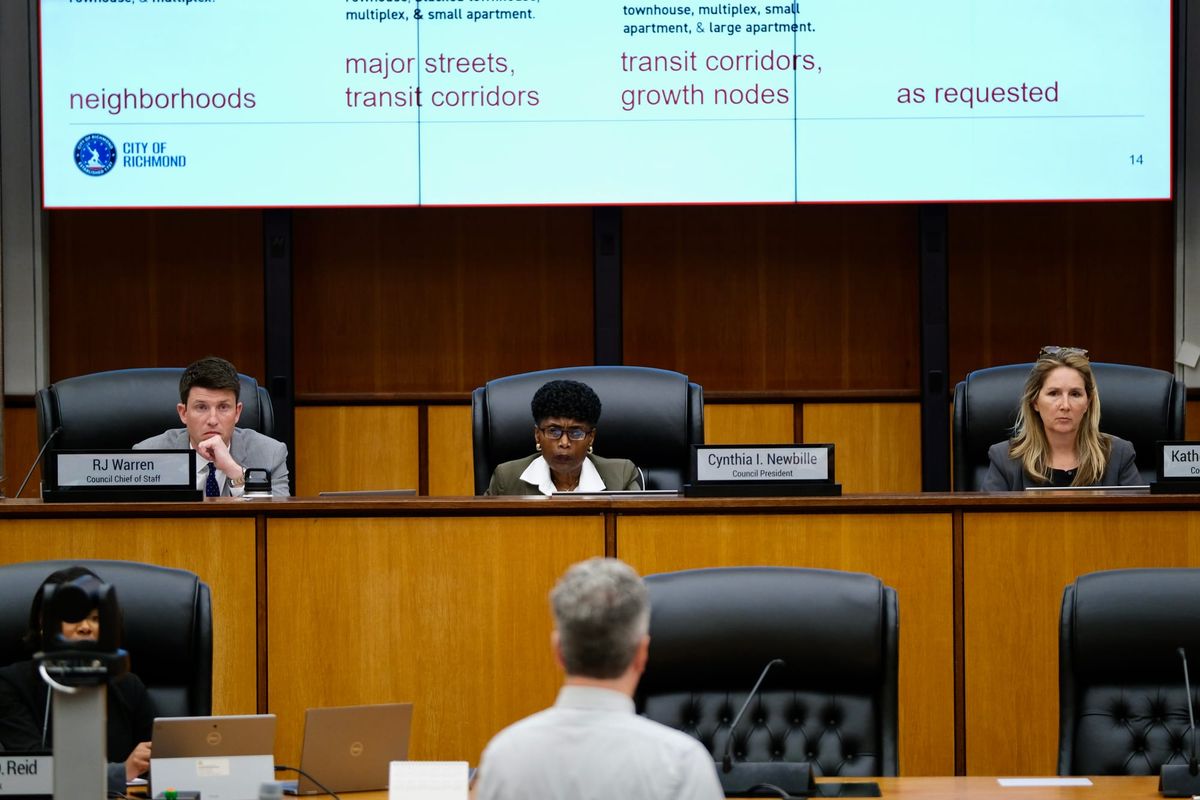
Other recommendations had little to do with zoning.
Victor McKenzie, CEO of health care nonprofit Virginia Health Catalyst and a member of Richmond’s Planning Commission, called on the city to create public databases that can track subsidized housing and allow residents searching for affordable units to more easily find them.
“We need to get better organized,” he said.
Better tracking affordable units that are tied to subsidies would also allow the city to better prepare for the expiration of restrictions imposed as a condition of the subsidies, argued McKenzie.
Affordable apartment buildings, for example, are typically built using federal low-income housing tax credits, which require the owner to ensure that tenants meet income requirements and rents don’t exceed certain limits for 15 to 30 years after the building begins operating. After that time, buildings can be converted to market-rate units, leading to the displacement of tenants who can no longer afford to live there.
 Sarah Vogelsong
Tools given to Richmond by the state could help avoid some of those situations, said McKenzie. He pointed in particular to a law that passed the General Assembly this year letting local governments require landlords to give tenants two years of notice if affordability restrictions are expiring and giving the locality the right of first refusal if the property is going to be sold.
Identifying what neighborhoods are most at risk of displacement could also be used to set up what the coalition described as “equitable development districts.”
Under the group’s proposal, those areas would be targeted for anti-displacement efforts like home repair programs and rental and eviction assistance, and residents could receive greater opportunities to provide input into planning decisions. Unlike Charlottesville’s anti-displacement districts, the Richmond areas would not set any zoning rules.
“We've heard this belief that building is going to, in every instance, lead to displacement,” said Espinosa. “But really, if the city takes a very targeted approach and is giving low-income neighborhoods the power to prevent gentrification and to attract opportunities that actually work for the people that live there, for their culture, for their income brackets, then all neighborhoods could benefit from it.”
 Sarah Vogelsong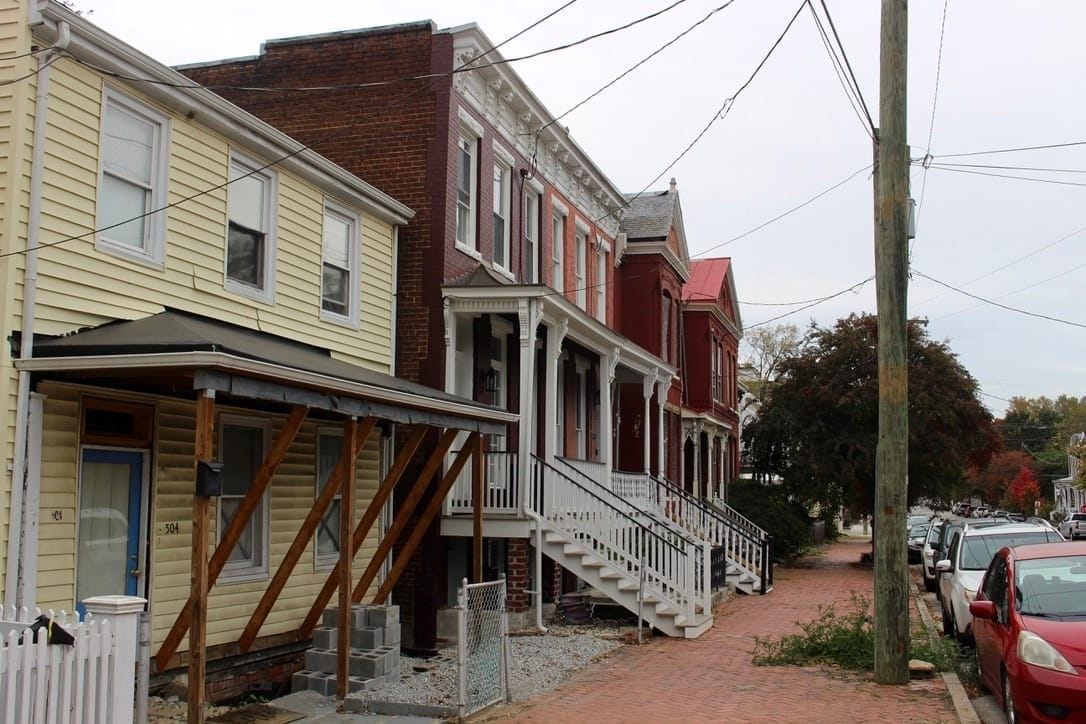
Perhaps one of the most powerful tools Richmond may have to deter displacement won’t go into effect until July 1, 2027.
At that time, a new state law will allow all local governments to set up programs that incentivize or require developers to include a certain amount of affordable housing in their projects.
To date, only a handful of counties and cities in Virginia have had that authority, often called inclusionary zoning powers. For a number of years, the Richmond City Council has asked the General Assembly for the right to use inclusionary zoning but was stymied until the last session.
While the city will have to wait a year for those powers, the law requires it to set up an advisory committee to hammer out what such a program should look like with input from residents, developers and a host of other groups.
Laura Dobbs of HOME said Richmond should begin setting up that committee now.
“That way, we can ensure that day one, when that new law is effective, we have a plan in place and we can start making immediate use of it to get new income restricted units built,” she said.
Contact Reporter Sarah Vogelsong at svogelsong@richmonder.org.