Richmond's safety-net clinics squeezed by surge in uninsured patients
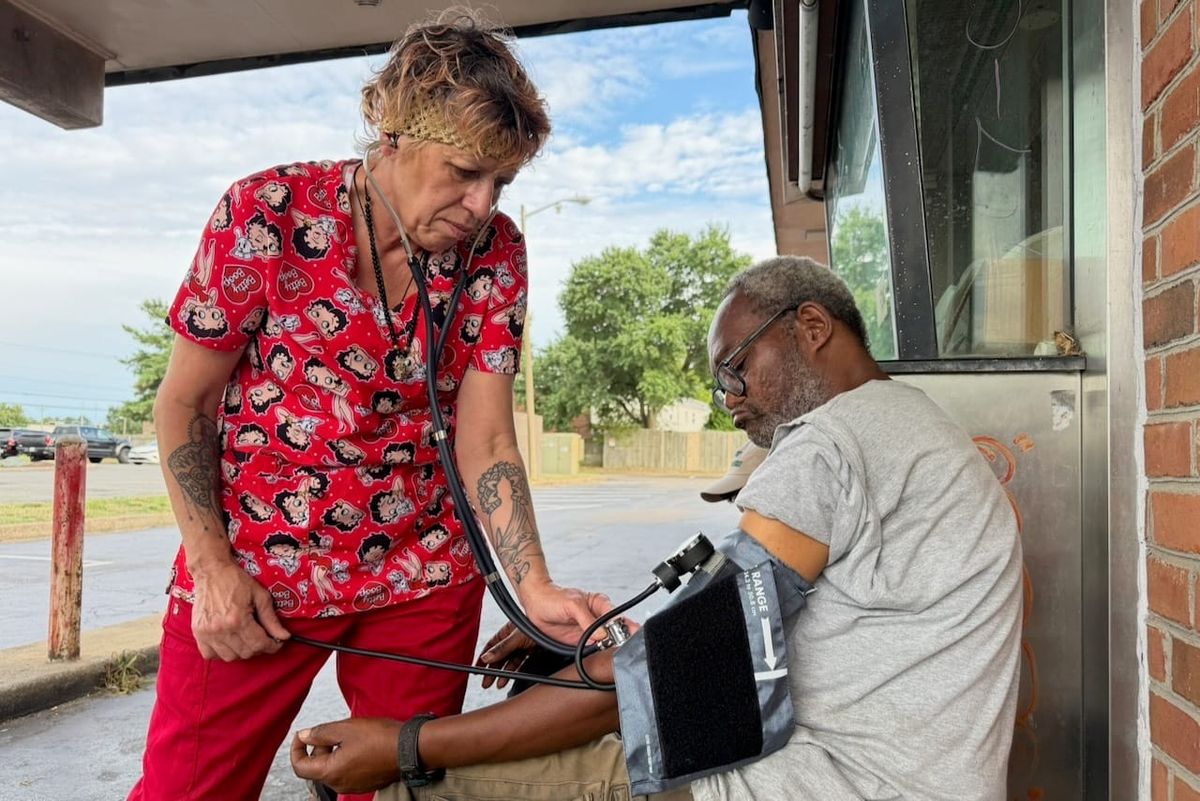
Health centers serving Richmond’s poorest residents say they’re being squeezed from two directions at once.
A growing share of their patients have no insurance. Meanwhile, federal programs that pay for free care are facing major cuts.
The result is a looming budget crunch that threatens to close clinic locations and force more patients to turn to emergency rooms for basic care, said Anita Bennett, director of the Daily Planet Health Services, which operates 10 locations in the Richmond area and saw almost 10,000 patients last year.
"If thousands more people in our area become uninsured, their primary source of care becomes the health safety net — and if I'm already struggling with capacity, paying providers, and providing services, that's just not going to be doable," she said.
More patients without coverage
The number of uninsured patients the Daily Planet saw in Richmond climbed from 36% in 2024 to more than 50% as of last month, Bennett said.
Community health centers around the state are facing a similar increase, said Michael Jackson, the chief financial officer and director of government affairs at Virginia Community Healthcare Association. The centers receive substantial federal assistance in exchange for providing care to anyone who walks in the door regardless of their ability to pay.
Most are newly uninsured after losing their Affordable Care Act marketplace plans when federal subsidies were reduced earlier this year, Jackson said. Monthly premiums on plans this year increased an average of 75% and an estimated 100,000 Virginians lost health insurance coverage, according to the Virginia Health Benefit Exchange.
Even more people are expected to lose their insurance in the coming year, when new federal requirements for Medicaid go into effect that advocates estimate will result in 188,000 Virginia residents losing coverage.
Between the ACA cuts and Medicaid changes, Jackson said community health centers expect to lose $36 million a year in insurance reimbursements as they continue to provide care for patients who lost their coverage.
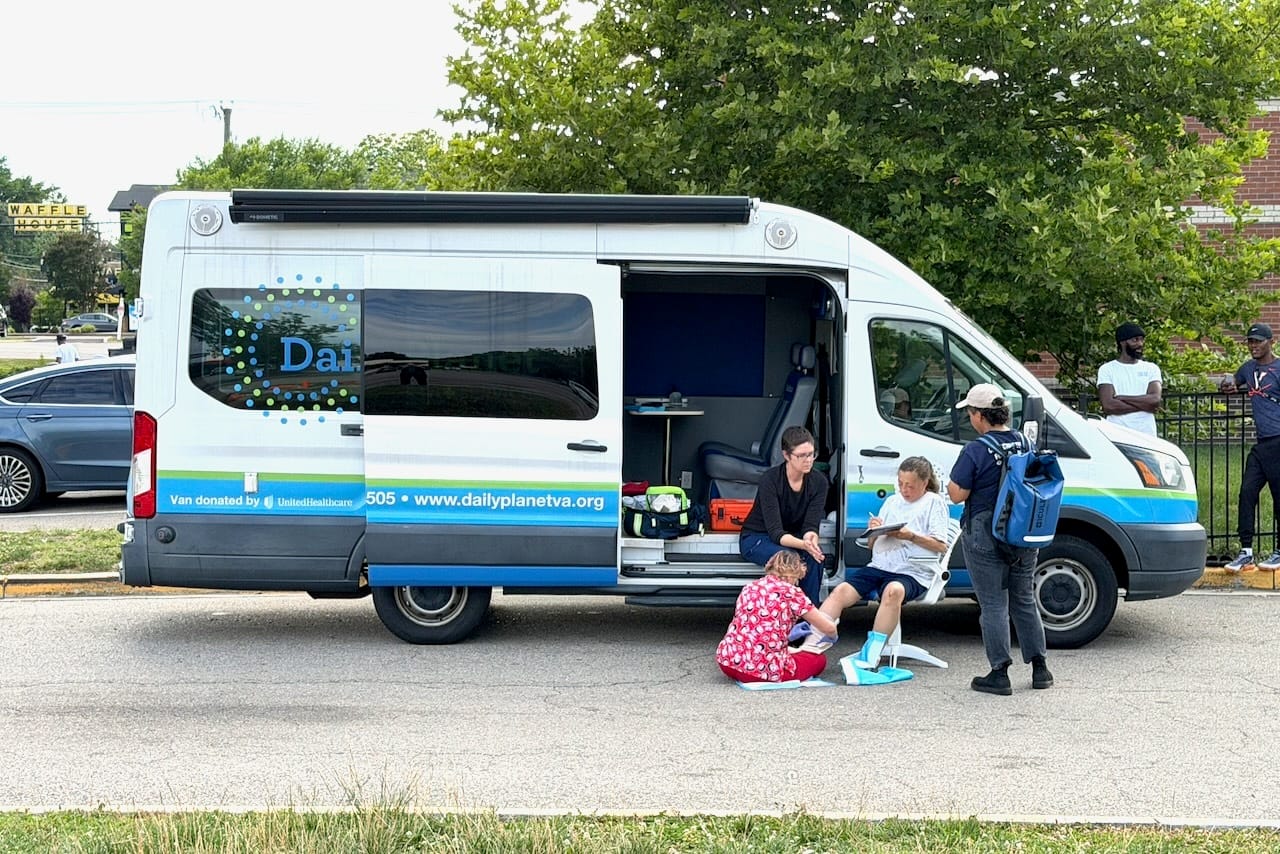
House calls at a homeless encampment
Daily Planet, which operated with a $20 million budget last year, is one of two large community health centers in Richmond, operating a primary care clinic, mental health clinic, a pharmacy and a dental clinic.
With a speciality in providing care for people experiencing homelessness, who make up about 75% of patients, clinic staff say they go out of their way to connect with patients who might not otherwise be seen. That includes setting up mobile clinics monthly at sites where free meals are served and sending healthcare and outreach workers into the community every week.
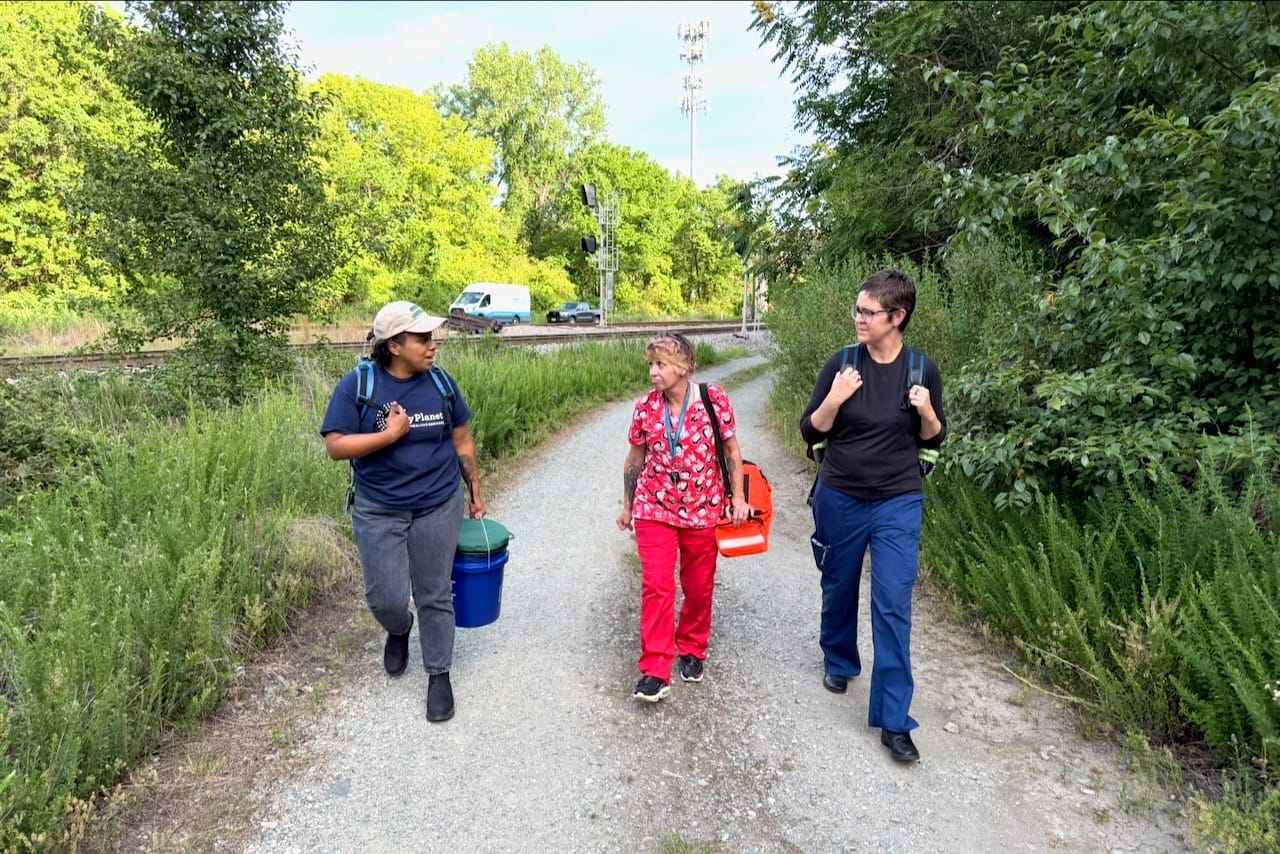
On a recent evening, that outreach work led a nurse practitioner carrying a backpack full of medical supplies into a wooded homeless encampment in Shockoe Bottom between the railroad tracks and Interstate 95. The team — a patient care coordinator and an outreach worker — had heard that a man living in the camp had a gash on his arm that needed care.
"Hello?" called Cathy Blankinship, the care coordinator, who was wearing bright red Betty Boop scrubs.
Eventually a man stirred in one of the tents. The crew provided clean dressings and care instructions, and Blankinship said she'd be back in two days with more supplies.
That same evening, the team was driving through Sandston, when their big white van was flagged down by a woman with a crude splint on her ankle and fresh abrasions on her face.
They pulled over on a side street next to a 7-Eleven, lifted a chair out of the van, and had her sit down. Blankinship knelt in the street and rewrapped the splint in clean bandages while Renee Hammel, the nurse practitioner, took the woman's medical history and made plans for follow-up care.
Some patients need to be seen in the field because without phones or a calendar they struggle to make and keep appointments. Others may suffer from mental health issues that make it unlikely they’ll seek out medical care. And for others who have been living on the streets, health clinics are just intimidating places.
"People get scared of clinics," said Diana Martinez, who leads Daily Planet's outreach team. "It's like, what am I going to need to have with me to get in? What are the rules while I'm there? Are they going to bill me? What if the doctor tells me something scary? This isn't just about transportation."
It is also a labor-intensive, costly way to deliver care, one patient at a time — and it’s among the programs that could be cut as the clinic’s budget tightens.
Medicaid rollback
Many of the patients Daily Planet sees — in its clinics and on the street — gained coverage through Virginia's 2019 Medicaid expansion. Under that expansion, childless adults, previously ineligible, could get free insurance if their annual income was about $17,500 or below, and the threshold for a family of three rose from $7,000 to about $30,000.
Nearly 675,000 people in the state gained coverage as a result of the program.
New federal rules now threaten those gains. Most adult Medicaid recipients will soon have to prove every six months they are working, in school, or otherwise meeting an 80-hour monthly activity requirement, or else show they qualify for an exemption carved out for people with disabilities, pregnant women, and people considered "medically frail."
The rules take effect nationwide in January.
Republicans in Congress and the Trump administration pitched the rules as a way to encourage personal responsibility. "If you are able to work, and you refuse to do so, you are defrauding the system," House Speaker Mike Johnson told reporters last year. "You're cheating the system. And no one in the country believes that that's right."
Opponents frame the rules as a calculated effort to push eligible patients off the rolls through onerous paperwork. Martinez said the clinic expects most of its patients would meet the work requirements or qualify for an exemption — but will struggle to keep up with the documentation.
"It's just impossible," she said. "Nobody knows where their mail goes. And if you are rarely engaging with medical care, you aren't going to realize you've lost your coverage until you go back to the doctor's office, which is not going to be every six months."
Budget cuts from all directions
Plummeting insurance reimbursements are just one problem facing health centers.
Health centers around the state have already lost millions in federal funding for HIV care for low-income patients. Daily Planet said it may soon have to start a waitlist for HIV care. CrossOver Healthcare Ministry, a free clinic, and Capital Area Health Network, a Richmond-area community health center, both lost all of their funding for that care.
"That was $1 million we lost overnight last May," said Julie Bilodeau, director of CrossOver, which served more than 7,000 patients last year.
 Juliana Vandermark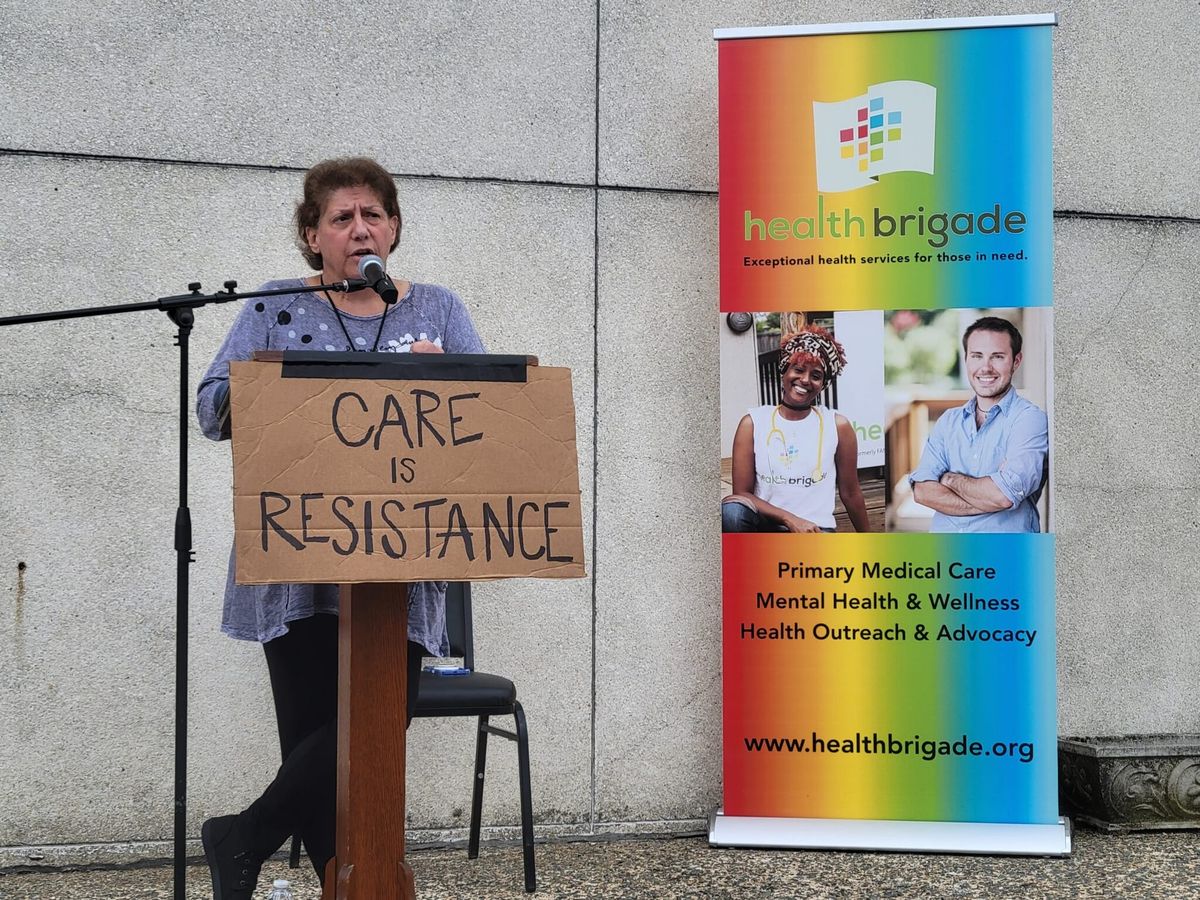
Meanwhile, a fight between large hospitals and the pharmaceutical industry over the 340B drug-discount program threatens what had been a major funding stream for community health centers; losing it could mean millions more in cuts. And direct federal funding for outreach and programs through the Department of Housing and Urban Development remains up in the air.
State lawmakers offered some relief at the end of last month, when a budget agreement included an additional $5 million for community health centers and $5 million for free and charitable clinics. They also created a $150 million Virginia Health Insurance Affordability Fund aimed at offsetting the federal cuts to health insurance marketplace subsidies, which will go into effect in the coming year.
Advocates applauded state lawmakers for providing additional funding even as they warned it's not enough to offset all the cuts they've seen at the federal level.
"We're thankful for what they've done," Jackson said. He called the combined federal changes an effective repeal of the Affordable Care Act. "All those gains that we have seen over the past decade and a half of the Affordable Care Act are going away."
For Daily Planet, with every major funding stream uncertain at once, budgeting for the coming year feels impossible, Bennett said.
"There are too many things that could go up or down," she said. "All I can say is: We can only absorb so much before it drastically changes the services we provide."
Contact Reporter Ned Oliver at noliver@richmonder.org