The City Council ordered a change to medical 911 calls in 30 days. The Avula administration wants more time to prep
A deadline for Richmond to transfer medical 911 calls back to the Richmond Ambulance Authority is coming up this week, 30 days after the City Council unanimously voted for the change.
However, Mayor Danny Avula’s administration said Monday that key city officials involved in the project are on vacation and the policy change the Council passed won’t happen on the timeline laid out in the law itself.
Councilor Reva Trammell (8th District) seemed baffled at the explanation that key people were on vacation and said she felt the Council was being “disrespected.”
“If we can’t go by what Council passes, why do we need a Council?” Trammell said.
Monday’s meeting of the Council’s Organizational Development Committee was the latest flareup in an at-times tense relationship between the city’s legislative body and the executive branch overseen by the mayor and his team.
The discussion Monday mostly revolved around whether the text of legislation passed by Richmond’s governing body binds the city to take certain actions or can be set aside if the administration finds it unworkable or out of step with the day-to-day realities of city operations.
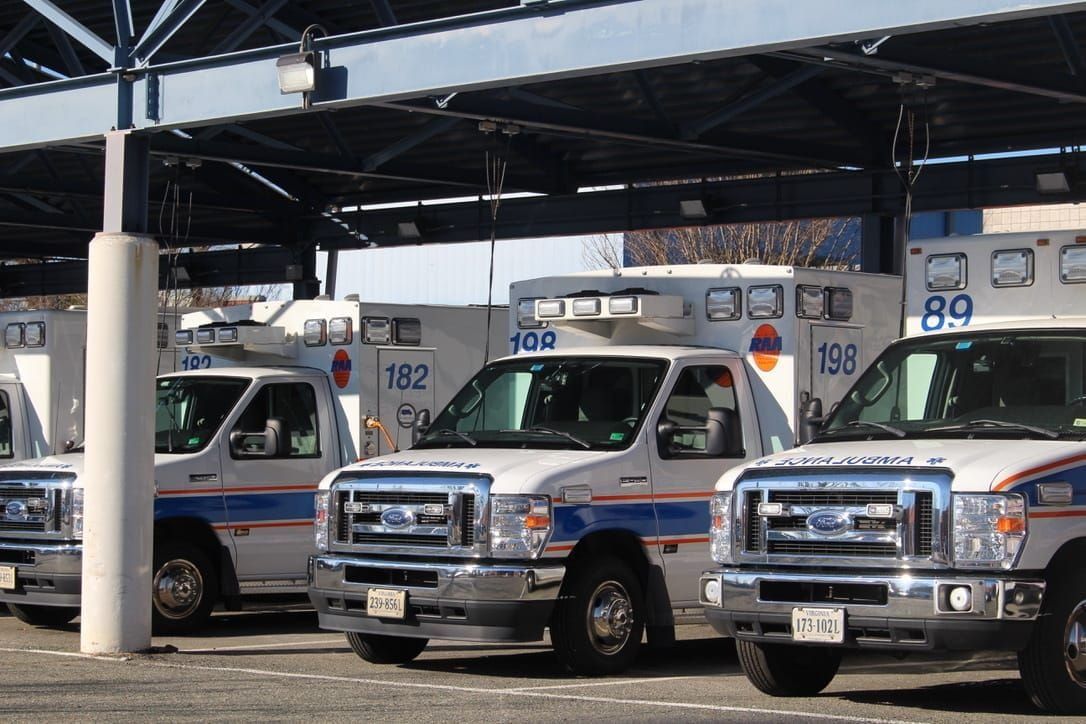
In 2024, the city’s own Department of Emergency Communications, Preparedness and Response took over 911 calls for medical emergencies, hoping to streamline the process and make call response times faster. Under the new setup, the city’s own phone operators speak with callers seeking help, then forward call information to RAA so an ambulance can be dispatched.
 Sarah Vogelsong
After the city government took over the calls, RAA leaders have said responses got less accurate because the city was processing calls incorrectly and information was being lost in translation.
The Council was receptive to those concerns. On June 8, all nine members voted to return to the old system, despite the Avula administration saying it preferred to keep the new system.
On Monday, Avula Chief of Staff Lawson Wijesooriya told the Council the administration now believes the body may have to take another vote before the change can occur. That second vote, Wijesooriya said, could possibly come in September.
“We will follow up when the leadership is back in town,” Wijesooriya said at Monday’s meeting.
The Avula administration had warned the Council that the 30-day deadline would be tough to meet given the need to avoid disruption to an essential, life-or-death service.
“We brought up some concerns about the implementation timeline,” Wijesooriya said. “I feel like the spirit of the conversation was knowing we would need to take some steps for proper implementation.”
At the June meeting, some Council members said they shared concerns about the implementation of the change. But the body chose to move forward with the ordinance as written, without making amendments that would have delayed the vote.
The Council had been discussing the issue for well over a year. The ordinance approved last month had been pending since March, going through several rounds of committee hearings.
Monday’s update didn’t go over well with Council members who were most supportive of reverting to the old system.
“Thirty days. We know how to count,” Trammell said to Wijesooriya. “Y’all have had plenty of time.”
Wijesooriya explained that the emergency communications department had prepared a draft memorandum of understanding laying out “roles and responsibilities" for how the transfer of callers back to the ambulance authority would be handled. That document has not yet been shared with RAA, the mayor’s chief of staff said, but it’s currently under review by the city attorney’s office.
“The city attorney’s office has advised that the MOU will require City Council approval prior to DECPR actually transferring the emergency medical dispatch calls,” Wijesooriya said.
 Graham Moomaw
Councilor Sarah Abubaker (4th District) seemed skeptical, asking why a “lengthy” MOU process was necessary to give the calls back to RAA when it didn’t seem to happen when the city took over the calls in 2024.
“The headline is that this is well outside the timeline that the ordinance listed,” Abubaker said.
During Monday’s meeting, Council President Cynthia Newbille (7th District) asked if City Attorney Laura Drewry could weigh in on the matter. Drewry didn’t say anything, at least not audibly enough to be picked up on the microphones in the Council chamber.
When asked by The Richmonder Tuesday if an MOU is legally required for the Council’s ordinance to go into effect, Drewry said the recently amended city code section doesn’t require an MOU.
Under Richmond’s system of government, the city attorney’s office advises both the legislative and executive branches. Over the years, some city officials have said that puts the office in a bind when the Council and mayor are at odds in a policy dispute and seeking legal counsel that supports their position.
In his own update, Ambulance Authority CEO Chip Decker said RAA has been preparing for the transfer by making staffing changes and doing new training.
“To be clear, RAA is prepared to receive the emergency medical calls,” Decker said.
Decker said he has not heard any updates on when the authority should expect to resume responsibility for medical calls and has not been able to meet yet with the city’s emergency communications officials.
It’s unclear how the Council will handle the situation after essentially being told the body’s first vote on the issue didn’t stick and more paperwork might have to be approved at a later date. At one point in the meeting, Trammell addressed Newbille directly.
“I’m asking you Madam President, you are the president. What do we do today?” Trammell said. “Do we let this go on?”
Newbille asked the administration for clarity on when they expect the 911 call transfer to happen, possibly in a report by Wednesday, the date the ordinance takes effect.
“I would like to make sure this is solid in terms of the implementation plan,” Newbille said.
Wijesooriya reminded the body that city officials with oversight of emergency communications are out of the office.
“I can work as hard as I know how to do that,” Wijesooriya said. “But I do think all of us need to seek legal advice on that to figure out that timeline.”
Trammell repeatedly expressed frustration that the Council could not get a clear answer on when the transfer would happen if not on the effective date specified in the Council ordinance.
“This is a big letdown,” Trammell said.
Contact Reporter Graham Moomaw at gmoomaw@richmonder.org