Richmond officials pursue voter referendum on new sales tax for schools
With Virginia’s budget now finished, Richmond officials are moving forward with plans to ask voters to approve a 1% local sales tax to raise more money for the construction and renovation of public school buildings.
The budget approved by the General Assembly and Gov. Abigail Spanberger allows all localities to increase their local sales tax to fund school projects, with the permission of voters.
Adding another percentage point to the sales tax could raise up to $50 million annually, according to RPS projections. The tax revenue would only be used on school infrastructure projects and would not fund the day-to-day operations of the school system.
The tax would not apply to groceries, essential personal hygiene products and prescription medication.
Before the issue can be put on the ballot, the City Council has to pass a resolution to send the question to Richmond voters.
On Monday, Council leaders formally introduced a resolution to start the process. The resolution is set for its first committee hearing Thursday and could be put to a final vote later this month. The Richmond School Board is expected to pass its own resolution signaling support for the tax on Tuesday evening.
If approved by the Council, the Richmond Circuit Court would then order the sales tax issue to be placed on the ballot for November.
 Victoria A. Ifatusin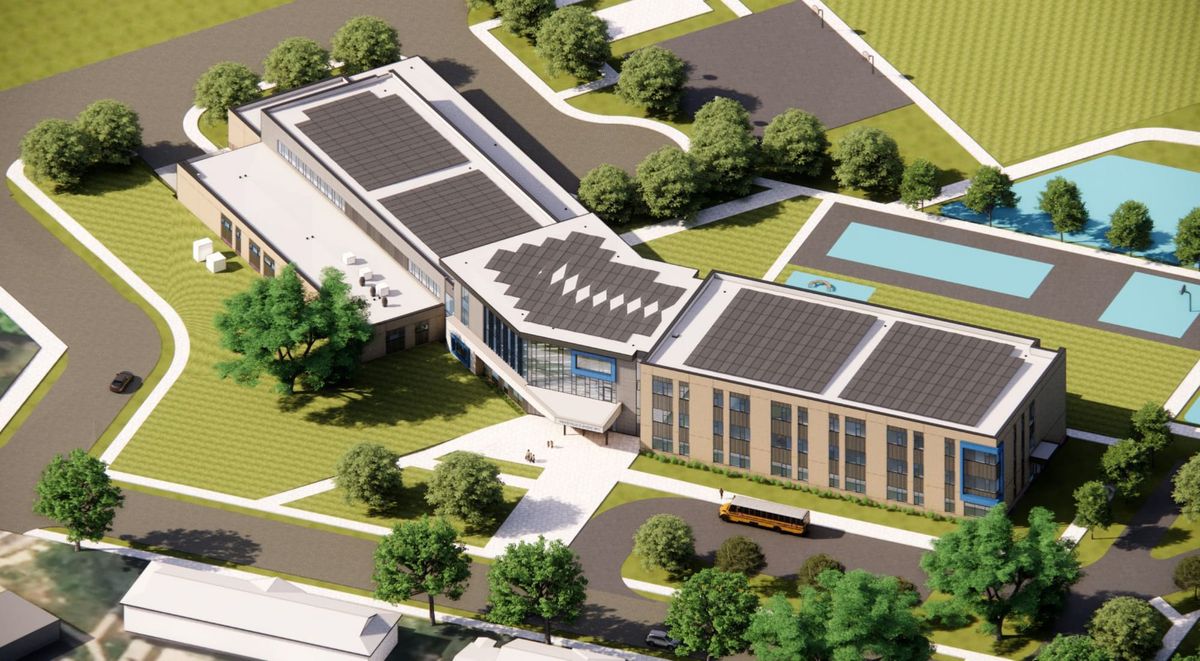
“We are very appreciative of the Governor and General Assembly for providing this much-needed tool to Virginia localities,” Mayor Danny Avula said in a statement to The Richmonder. “Here in Richmond, it offers a meaningful opportunity to address critical needs of our school system. There are more steps to go through and, ultimately, voters would decide, but we are committed to thorough conversations following the introduction of Council’s resolution.”
The resolution is being sponsored by Council President Cynthia Newbille (7th District) and Vice President Katherine Jordan (2nd District).
In an interview, Newbille said the proposal gives Richmonders the option of approving “much needed” revenue for RPS.
“We’re just making sure that voters have that opportunity,” Newbille said.
Jordan said the sales tax could help alleviate the city’s yearly struggle to figure out how to fund public schools.
“Our schools have urgent needs that are not fully met by the state budget,” Jordan said.
 Victoria A. Ifatusin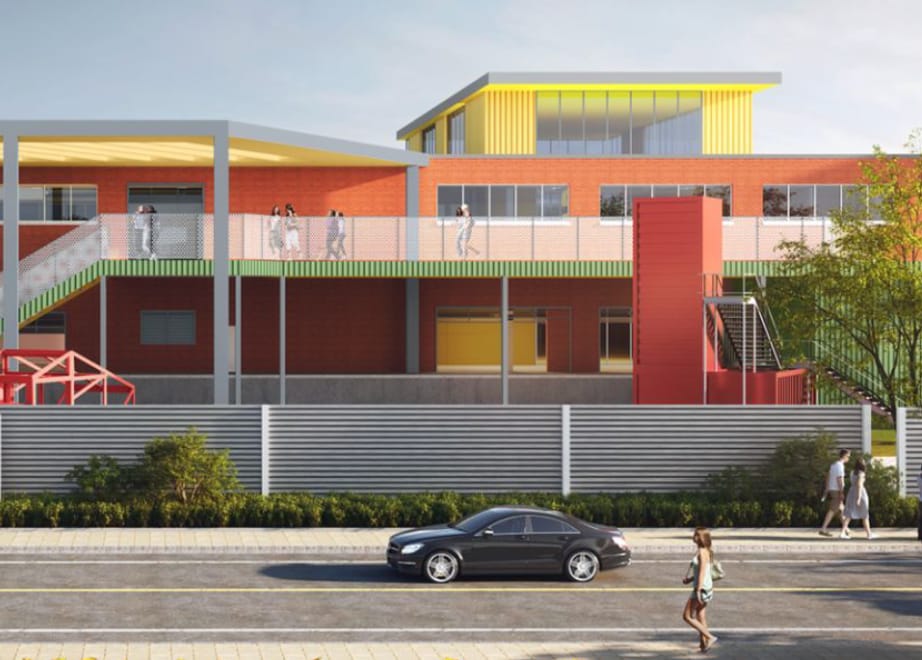
According to the Council’s resolution, the new sales tax of up to 1% would expire in 2046 or whenever the bonds or loans funded by the tax are paid off, whichever date is later. The question proposed for the ballot says the tax would expire “no later than June 30, 2046.”
Currently, a 6% sales tax is collected in Richmond. The state gets 5% and the city receives 1%. Richmond also has a 7.5% meals tax, which officials raised in 2018 with the goal of boosting funding for schools.
It’s unclear if city officials will try to pair the proposed sales tax increase with an offsetting reduction to another tax, such as the meals tax or the real estate tax. The Avula administration has said it’s exploring the possibility of a small reduction in the real estate tax rate next year as Richmond continues to face housing affordability issues.
Proposals to raise local sales taxes for schools have passed fairly comfortably in other Virginia jurisdictions that have put the issue on the ballot.
The delayed Virginia budget — finalized just before the July 1 deadline to avoid a state government shutdown — has left local officials with a shorter timeline to decide on whether to pursue a sales tax referendum in 2026 or wait until a future year. Under state law, referendum elections have to be ordered at least 81 days before Election Day, which gives local officials until mid-August to decide how to proceed.
RPS has long faced aging buildings that are overdue for repairs or overall reconstruction, as noted in a detailed assessment of the division’s facilities from 2024. School administrators have begun work outlining major upcoming projects for the next 10 years based on findings from the assessment, which may become future projects the sales tax could fund.
The division has so far prioritized three schools for new construction: Richmond High School for the Arts, Southside Technical Center and Woodville Elementary. RHSA is set to open for students and staff this fall.
School administrators said the Southside Technical Center is expected to open in 2028, but cited financial concerns with getting the full funding to pay for the second phase of constructing the building – $118 million. The total cost for the center is $196 million and is likely to be among the top priorities of projects the extra tax will go towards.
The same obstacle has derailed a new Woodville Elementary, which is awaiting funding. The delay has jeopardized a $12.4 million state grant the division received to help build the school. The Virginia Department of Education agreed earlier this year to give RPS an extension contingent on the passage of the 1% sales tax.
The state budget language says the new tax cannot be used to pay off existing debt for projects started before the tax wins approval from voters.
Monday night, Richmond School Board members expressed gratitude to state officials for giving Richmond the option, and said they are looking forward to working with the city. In light of budget cuts that the division is facing, Board Chair Shavonda Fernandez (9th District) said RPS has to identify “low hanging fruit that can support our efforts.”
“We understand the sensitivity in the local sales tax that is impacting those in the Richmond area and our hope is that as we begin to storytelling and share some of the needs for RPS which are not new to the community, that there will be a level of support,” she said.
“We desperately need new schools and this helps us get there.”
If Richmond officials choose to put the sales tax issue on the ballot in November, it won’t be the only topic for voters to consider. Three statewide constitutional amendments will also be on the ballot.
One would repeal Virginia’s legally defunct ban on same-sex marriage, and another would establish a state-level right to abortion after the fall of Roe v. Wade. The third would end Virginia’s policy of stripping voting rights from people convicted of felony crimes, making rights restoration automatic after an offender completes their prison time.
Election Day is Nov. 3.
Reporter Victoria A. Ifatusin contributed to this report.