Because of delayed primary, there’s no early voting location on Richmond’s Southside
Virginia’s congressional primaries are happening later than normal this year after the failed Democratic attempt to redraw the state’s political map.
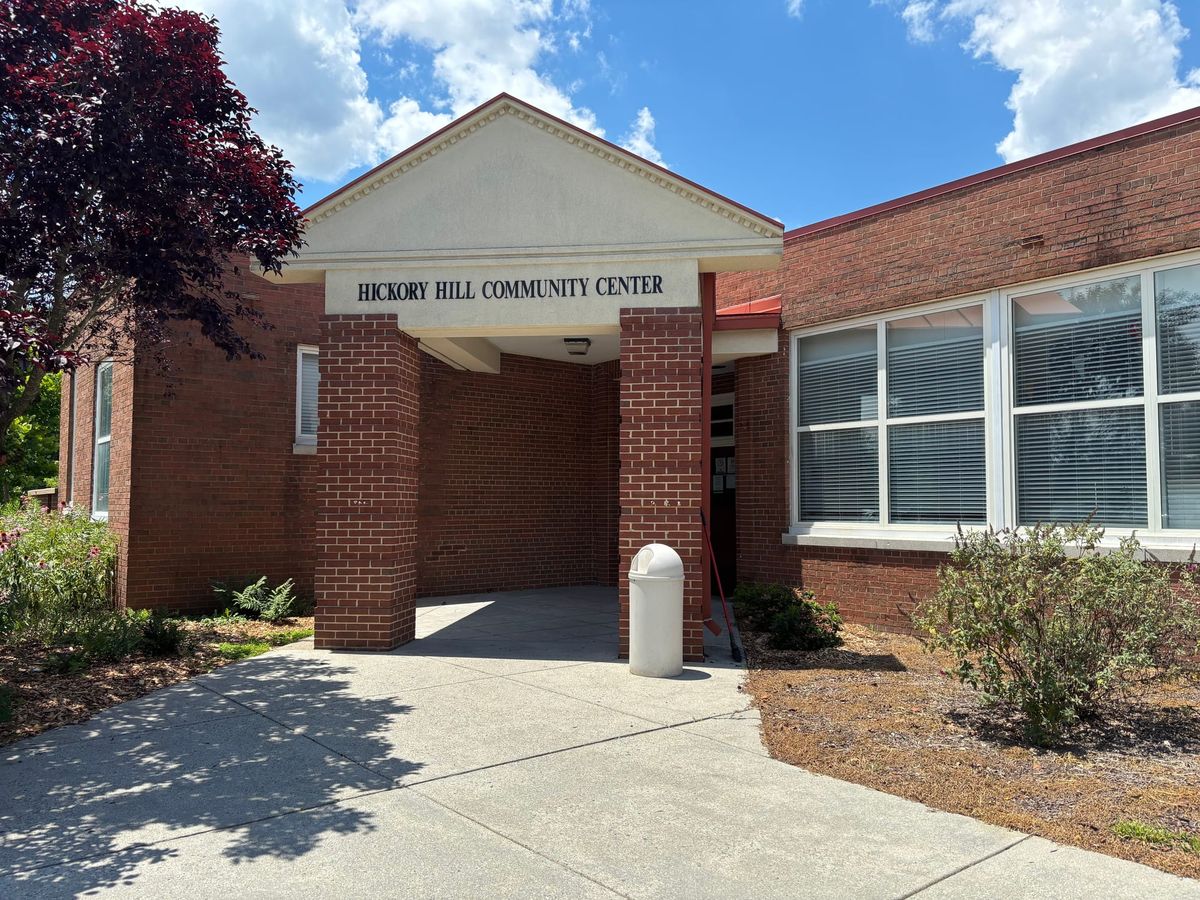
Because of that delay, the Hickory Hill Community Center — the only satellite location for early voting in South Richmond — couldn’t be used for the 45-day early voting window ahead of the Aug. 4 primaries, according to local election officials.
The unavailability of Hickory Hill is unlikely to impact large numbers of voters, because the only contest on the ballot in Richmond is the Republican primary for U.S. Senate.
Pushing the primaries deeper into summer collided with the youth programming schedule at Hickory Hill, which runs camps for children and teenagers from June 8 to Aug. 7. For this year’s primary, early voting happens from June 18 to Aug. 1.
“We’ve been advised that this is a one-time scheduling conflict, and that Hickory Hill is expected to remain available for future elections,” Registrar David Levine told a City Council committee on Wednesday.
Hickory Hill will be “back with us in November,” Levine added.
Richmonders who want to vote early can do so at the city election office on Laburnum Avenue. Starting July 19, another site for in-person early voting will open at City Hall. Absentee voting allows city residents to receive ballots through the mail and either mail them back or take them to a ballot dropbox. Full details on early voting options can be found on the city elections website.
Because of the change with Hickory Hill, Levine said, a ballot dropbox at City Hall will be set up earlier than usual.
Given Richmond’s heavily Democratic tilt, there aren’t many Republican voters in the city who take advantage of early voting. During the last Republican Senate primary in 2024, only about 150 people cast early ballots in person across all early voting sites.
Perhaps because of the lack of high-interest races in Richmond, the one-time loss of Hickory Hill hasn’t generated as much controversy as prior debates over the ease of voting access on both sides of the James River. Council members asked a few questions about how Levine would communicate the change to the public, but didn’t seem particularly alarmed that early primary voting won’t occur at a city-owned facility the Council has designated for early voting.
When the Richmond Electoral Board tried to scale back early voting sites in 2023, citing cost concerns, the move was widely denounced by local officials. After then-Mayor Levar Stoney and others pointed out the move may have been illegal, the Electoral Board reversed course.
 Michael Phillips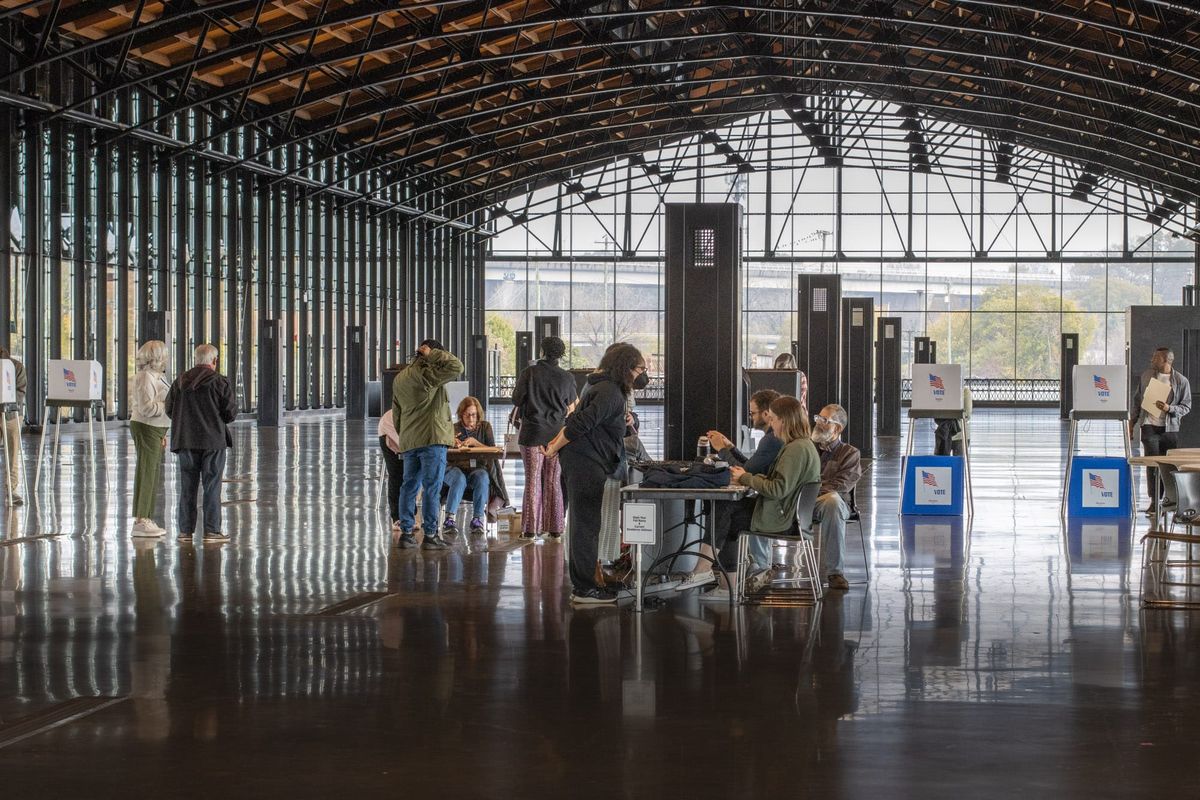
This year’s GOP Senate primary hasn’t drawn much attention due to the party’s long odds of unseating U.S. Sen. Mark Warner, D-Va. With Democrats energized in opposition to President Donald Trump, their party swept Virginia’s statewide races last year and is hoping to flip several Republican-held congressional seats in November.
The three candidates running for the GOP Senate nomination are Bert Mizusawa, David Williams and Kim Farington.
In April, voters approved a redistricting plan that could have brought more electoral interest to Richmond’s primary season. The map split the city into two congressional districts, meaning some Richmond Democratic voters would have been choosing a candidate to run against incumbent U.S. Rep. Rob Wittman, a Republican whose 1st District covers parts of the Richmond region’s suburbs.
The Supreme Court of Virginia struck down the redistricting plan on grounds the General Assembly didn’t follow the proper process for amending the Virginia Constitution. That ruling left Richmond fully contained in the 4th District, where Democratic U.S. Rep. Jennifer McClellan is expected to have a smooth path to re-election.
Even though the redistricting move failed in the courts, the Democratic-led General Assembly had to push back the election calendar to allow enough time for the April 21 special election, when voters were asked if the redistricting should go forward.
 Michael Phillips
Pushing the primary from June to August has other ramifications, Levine explained to Council members. With different holidays to work around, there was no early voting on Juneteenth, and early voting sites will be closed on July 3 ahead of Independence Day.
Because new voting laws take effect July 1, local election offices are now required to offer two days of early voting on Sundays, which will occur on July 19 and July 26.
During Wednesday’s briefing on election logistics, Levine was also asked about the Richmond School Board’s recent discussion of possibly ending the use of public school buildings as polling places.
 Victoria A. Ifatusin
“I hope that that does not become the case,” Councilor Sarah Abubaker (4th District) said to Levine. “But I’m curious, are you scenario planning for that? What does that relationship look like right now?”
Levine said he and his staff are in coordination with Richmond Public Schools on the issue. He also noted that a 2013 federal commission on elections stressed the “importance” of using schools as polling places.
“They talked about the accessibility that exists,” Levine said. “They talked about the fact that people are aware of those buildings.”
Contact Reporter Graham Moomaw at gmoomaw@richmonder.org