Monthly report shows spike in delinquent taxes, but history says the money is on the way
Each month, Richmond’s elected representatives are given a look into the city’s financial state.
The most recent report received by the City Council showed an alarming spike in tax revenues that went uncollected by the city, which has been a hot topic in recent years.
According to the report, Richmond collected just 25% of the personal property taxes owed by residents this year.
Mayor Danny Avula says that number is misleading, and history backs his assertion up. Last year’s numbers were similarly alarming, but in the final report issued months later, 91% of the tax had been collected.
The June report is particularly volatile because car tax payments are due on June 5, and state law marks a payment delinquent the following day.
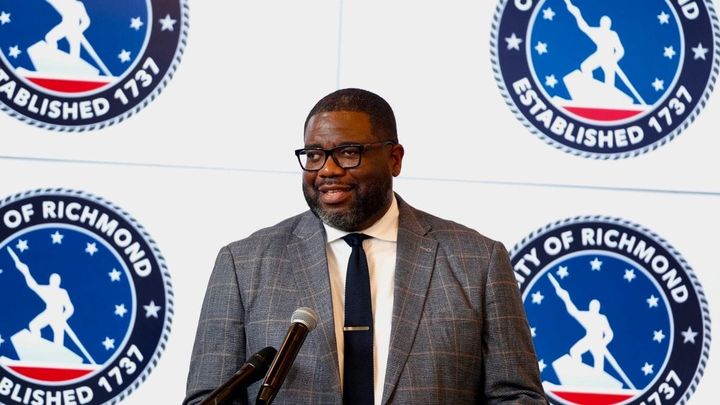
“It’s people, like all of us, who maybe just didn’t get the bill in on time and didn’t pay it but will in the next couple of weeks,” Avula told 12 On Your Side in a Wednesday interview.
A city spokesperson also pointed to the city’s process of reconciling finances, which has not yet accounted for some payments that are already in.
“While some taxpayers do pay late, many payments have already been received but, as part of the normal accounting reconciliation process, are not yet reflected in the preliminary June reporting,” spokesperson Mira Signer said.
While the car tax number was a headliner on the report, the city’s primary source of revenue is the real estate tax, and those bills have been collected at a 98% rate from residents in each of the last two years.
Real estate tax bills came under the microscope two years ago when it was revealed that sales of severely delinquent properties had been paused during COVID, and had not yet resumed.
 Graham Moomaw
Wednesday, Avula hinted at a resumption of that program.
“We are going to restart that and we are going to do it really thoughtfully,” he said in the TV interview. “That’s going to come into effect this year and we’re really going to go after out-of-town owners or non-occupant owners initially.”
One concern is that unpaid taxes become uncollectable after 20 years, but taxes from that time range represent a small amount of the delinquent taxes overall.
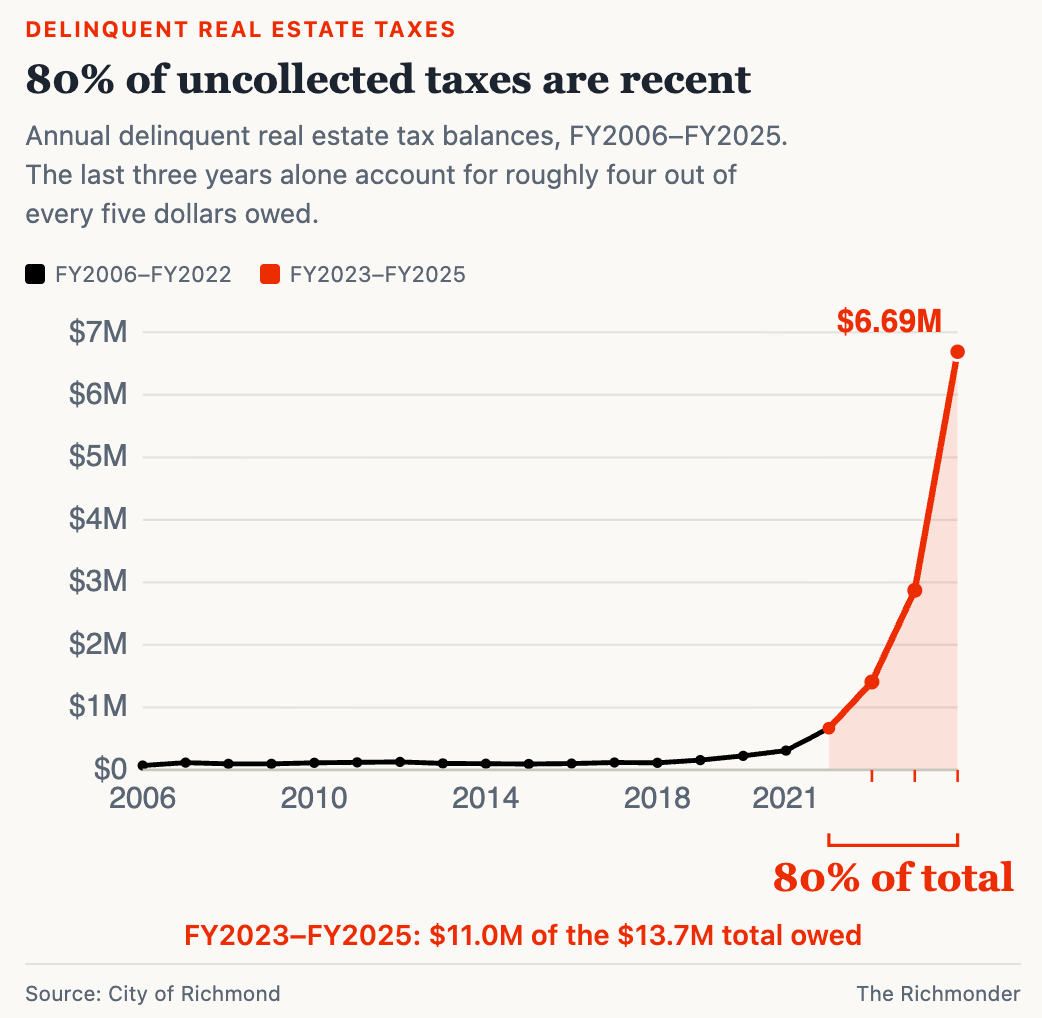
Richmond’s DPU also increased its bill-collection efforts after watching its unpaid tally soar to $66.9 million in the years after COVID – that number has since come down.
 Sarah Vogelsong
What wasn’t immediately clear is why the city has received some tax revenues that aren’t reflected in the monthly report.
Richmond’s Department of Finance has been plagued by issues over the past decade, and the outgoing director said in a presentation last July that modernizing the department “will not be and cannot be a quick fix.”
 Graham Moomaw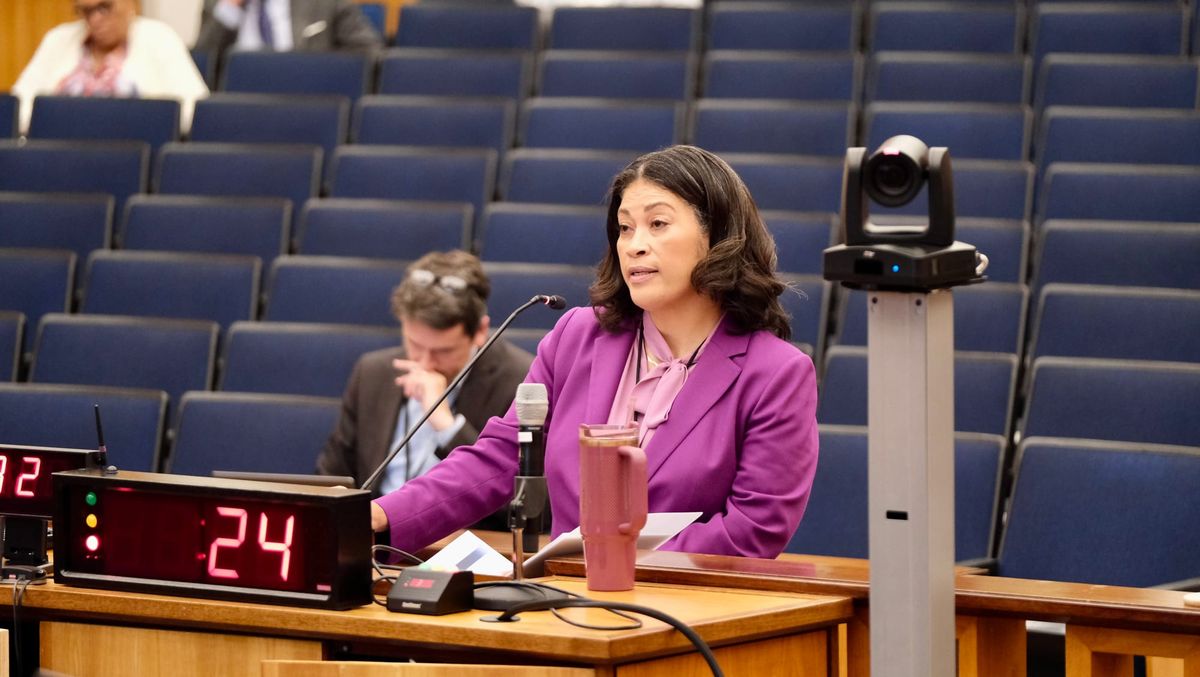
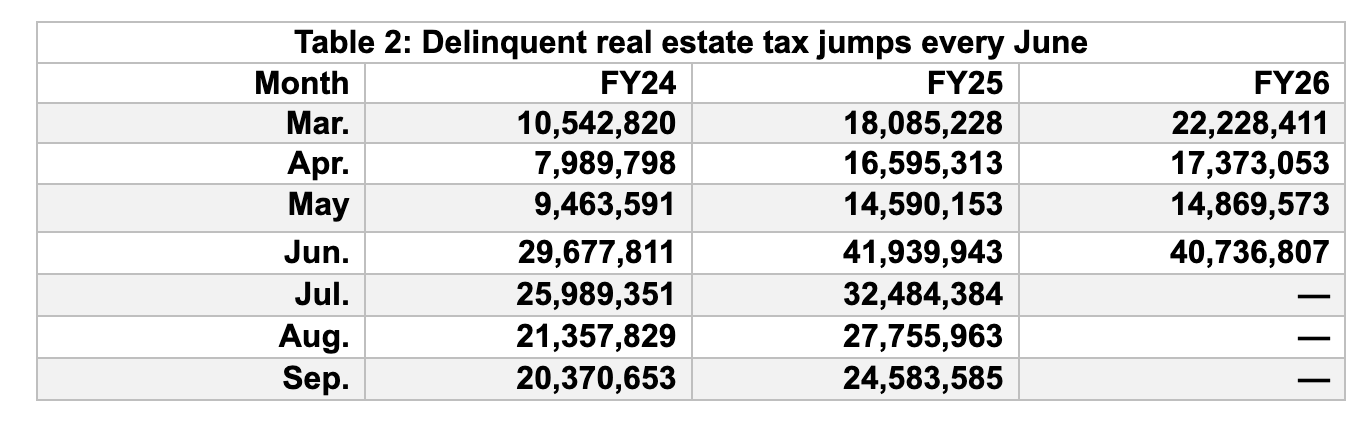
The city provided a chart to The Richmonder showing that the June spike in delinquent taxes has historically been followed by a reduction in future months, as shown in the monthly reporting to Council.
The real estate tax rate will once again be on the agenda when Council meets this fall, as discussions take place about lowering Richmond’s rate for the first time in nearly two decades.
Contact Michael Phillips at mphillips@richmonder.org.