Richmond is rushing to do a solar energy deal. Some officials see ‘a lot of risk’
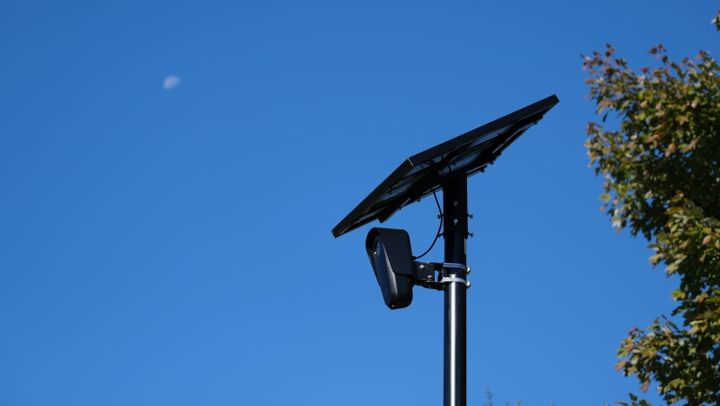
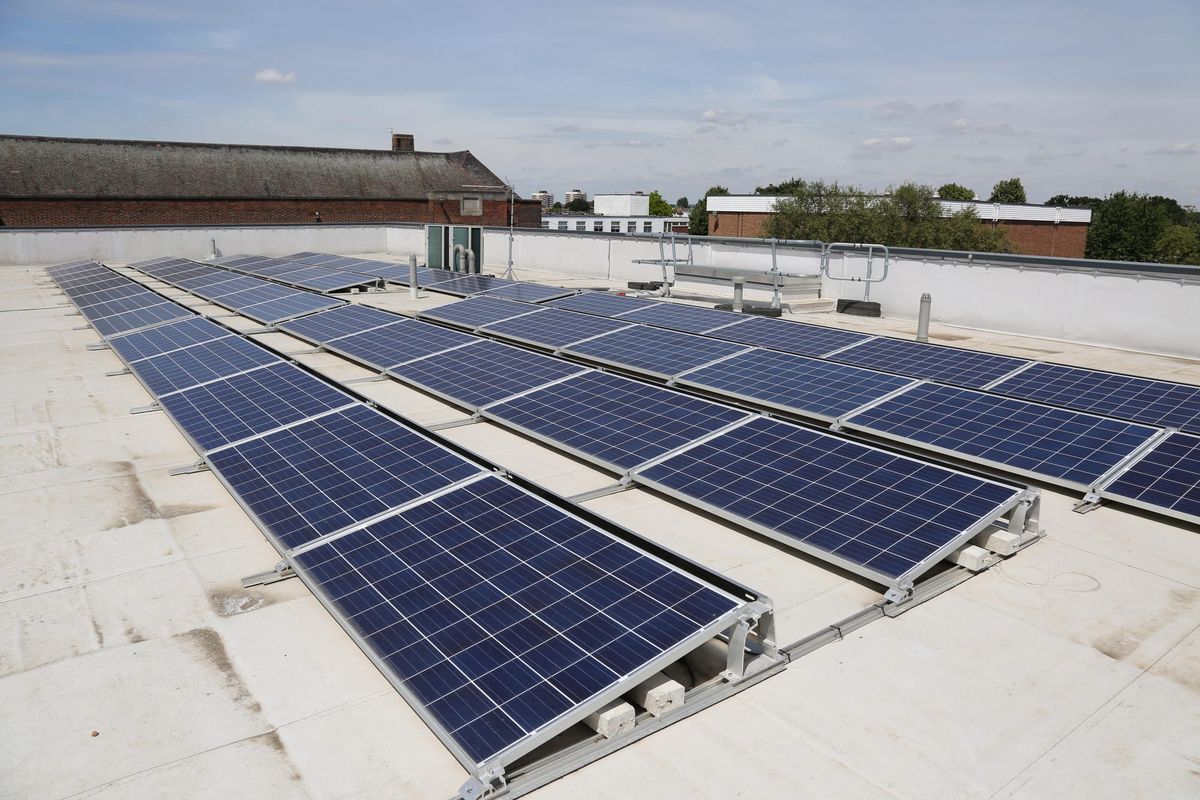
The Richmond City Council will hold a brief special meeting Monday morning to introduce a planned solar-energy deal to install privately owned solar panels on the roofs of public buildings.
The deal, which is being fast-tracked to a Council vote in the span of about a week, could come across as a political win for city leaders, making Richmond appear more environmentally friendly and willing to take local action against climate change.
But as the solar proposal nears the finish line, top City Hall officials reviewing the finer details have privately raised concerns about whether the benefits are worth the financial and legal risk that could come with a 25-year contract involving dozens of city buildings.
“Simply put, there is a lot of risk that has been clearly expressed,” Chief Administrative Officer Odie Donald II said in an early August email obtained by The Richmonder.
In the email, Donald said he had communicated those concerns to Mayor Danny Avula, but was prepared to execute the solar plan in accordance with the mayor’s wishes.
The idea behind the proposed power purchase agreement with developer Secure Solar Futures is that the city would capture the cost savings of solar power without having to pay to install and maintain the equipment itself. The city would buy the electricity generated by the panels at a rate lower than what it currently pays Dominion Energy.
 Sarah Vogelsong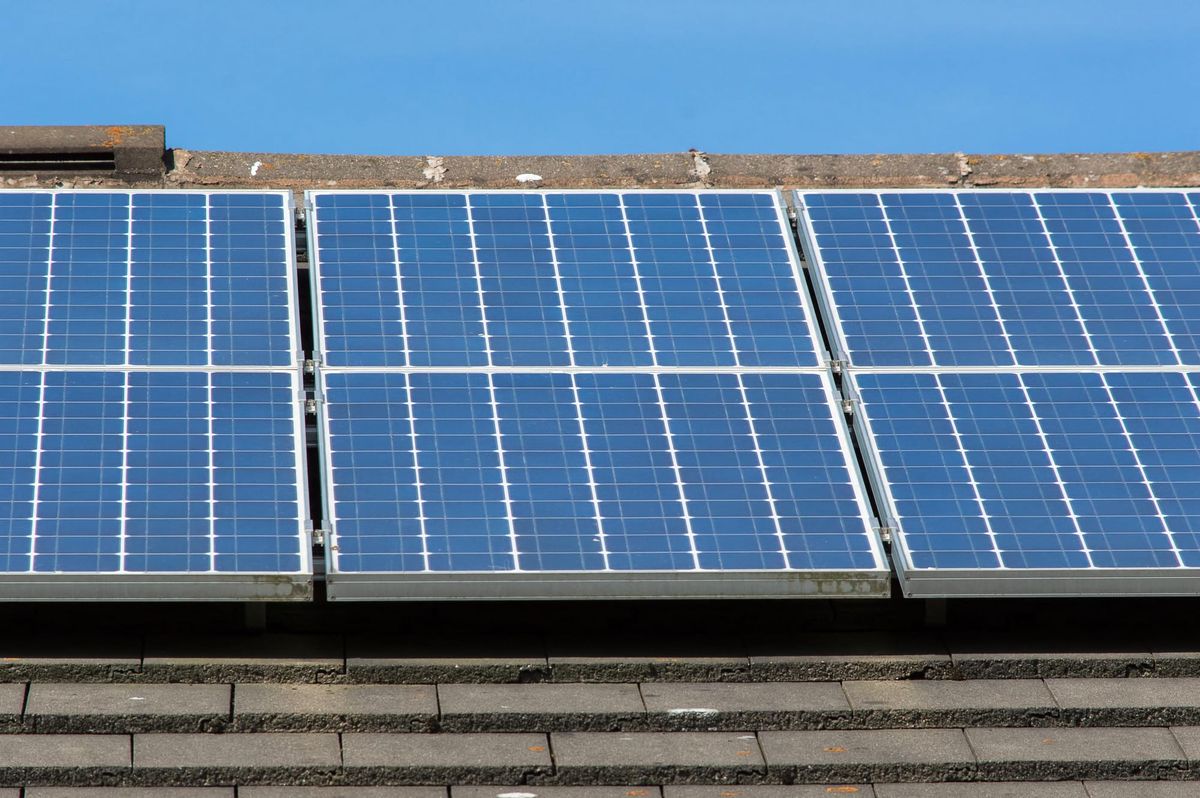
Numerous other local governments and school divisions, including Richmond Public Schools, have made similar solar arrangements.
Over 25 years, Richmond’s Office of Sustainability projects, the deal could save the city at least $12 million in electricity costs, with about $260,000 in savings the first year. The deal envisions solar panels on 39 city buildings such as fire stations, community centers, police precincts and the police headquarters, warehouses and the wastewater treatment plant.
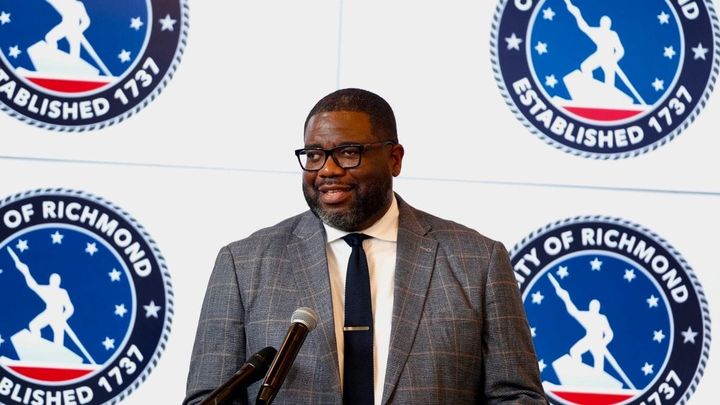
Avula appears fully behind the solar initiative. The mayor’s office said he’s “excited” for the proposal to be formally introduced and will have more to say in a forthcoming news release.
“The solar power initiative brings extensive benefits to the Richmond community such as reducing Richmond’s carbon footprint, developing clean energy jobs, and doing our part to reduce reliance on conventional energy,” said Avula spokesperson Mira Signer. “The city’s been working on this for a long time and has done extensive research and diligence, and the team feels great about moving forward.”
As of about a month ago, emails show, the team’s feelings were mixed.
Among the concerns for the CAO, according to his email, were questions about “potential negative outcomes” if the solar partners go out of business or run into money trouble, as well as infrastructure issues that could arise with rooftops that weren’t built to hold solar arrays.
The deal involves termination fees — believed to be hundreds of thousands or even millions of dollars, depending on the circumstances — that could potentially fall on the city. If things don’t go as planned, those fees could eat into the $12 million in projected savings, a relatively modest amount in the context of a billion-dollar municipal budget.
According to Donald’s email, city officials in charge of legal, insurance and procurement matters had all raised concerns about the deal’s specifics.
“These risks, while not easily mitigated, have been the focus of various departments and stakeholders working to mitigate potential challenges,” Donald wrote. “The risks have also been acknowledged by the Mayor and after his office’s review, he has expressed comfort in the resolution to these issues, as well as a clear understanding of all expressed risk categories and associated concerns.”
It’s not clear if Council members are fully aware of the concerns raised internally, but they won’t have much time to discuss them in public before being expected to vote.
Monday’s special meeting was necessary in order to get the proposal to a vote during the Council’s Sept. 28 meeting. Because the legislation hasn’t been formally introduced, documents outlining the full specifics of the agreement were not yet public as of Friday.
That leaves the city’s governing body with about a week for its formal review of the proposal in open meetings. The Council has several committee meetings before Sept. 28 where the proposal could be vetted in more detail, but the tight timeline will make it difficult, if not impossible, for the Council to make any changes.
Supporters of the deal have said the speed is necessary in order for the project to take advantage of expiring federal tax credits that could cut the installation costs by almost half.
The city appears to be trying to get the deal approved by Sept. 30.
“The date is connected to project timelines (like construction) and pricing considerations that are important, said Signer, Avula’s spokesperson. “The panels that are part of the program have to be installed by 2030 to benefit from the program.”
The Council will have to approve a total of 39 individual ordinances involving several limited liability companies being established for the solar partnership. There are dozens of ordinances because the deal requires the city to lease space and buy back solar power for each individual rooftop.
Concerns about how the proposed solar deal is being handled have started to spill into public view.
“I just don't understand why this Mayor is rushing things through,” Councilor Reva Trammell (8th District) said in a Facebook post Tuesday. “Why is he now bullying our City Attorney to introduce Solar Panels?”
Because the solar developer is covering the upfront installation expenses at no cost to the city, the developer presumably wants a deal that guarantees the investment will pay off over 25 years. The city’s concerns are primarily centered on ensuring there won’t be substantial public losses if things go awry.
Richmond avoided competitive bidding on the solar proposal by piggybacking off an existing solar contract established by Prince William County Public Schools, a common practice known as cooperative procurement. Taking a full year to put the concept out to bid, according to a city document, would make the project “unable to qualify for the federal solar tax credit’s safe harbor deadline this summer.”
“Riding an already completed contract is a well-established legal shortcut under Virginia law,” a city document on the solar proposal says.
Richmond doesn’t appear to be getting the exact same terms negotiated under the Prince William contract.
An email from the city attorney’s office references a document laying out “exceptions” to the terms Secure Solar Futures negotiated with the Prince William schools. What those exceptions are isn’t clear.
In the email to the mayor, CAO and several other city officials, Senior Assistant City Attorney Susan M. McKenney said the solar developer “rejected” the city’s standard contract language spelling out that any long-term obligation to spend public funds is subject to future City Councils choosing to budget money for that purpose.
That put the proposal in tension with a section of the city charter that says public funds can only be spent with a duly authorized budget appropriation, McKenney said. Multi-year contracts and leases are allowed, the charter says, but payments made without a budget appropriation are “void” and “illegal.”
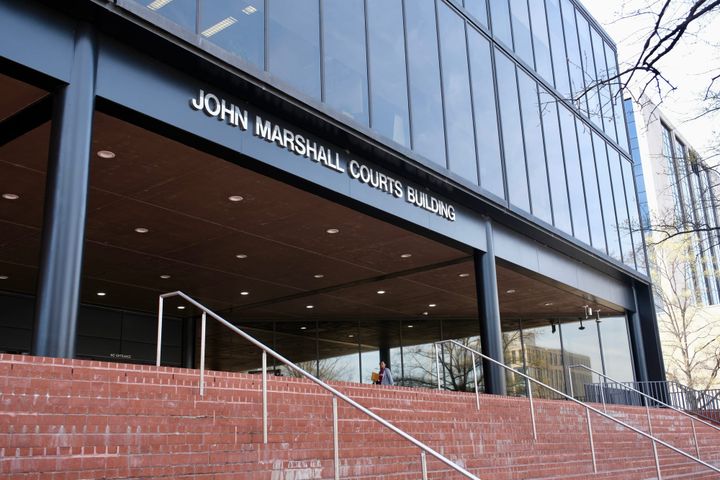
Just because the city attorney’s office deemed the proposal legal enough to be sent to the Council for a vote, McKenney added, didn’t mean the office of City Attorney Laura Drewry was giving it a full endorsement.
“I will also note that our office’s ‘approval as to form’ does not mean there are no risks or that this is a low-risk transaction,” McKenney wrote. “There are risks here — risk of a future legal challenge and financial risk due to the subject matter of the agreement (ex. limited scope of indemnity by solar developer; lack of decommissioning bond; and several other issues that I saw were identified by Risk Management in their risk assessment). This office cannot guarantee the City would prevail if challenged.”
The scope of indemnity refers to how much protection the city has against financial losses if the contract goes wrong. A decommissioning bond is a type of financial guarantee that would presumably make the developer responsible for dismantling and removing the solar equipment if the agreement is cancelled or when the panels reach the end of their useful life.
McKenney said the CAO and Procurement Director Rene Almarez should be “comfortable with the risks” if they choose to move forward and put their signatures on the deal as presented.
The solar proposal is expected to be vetted Wednesday afternoon by the Council’s Governmental Operations Committee.
Contact Reporter Graham Moomaw at gmoomaw@richmonder.org