Avula: 'We need to reevaluate our relationship with Flock'
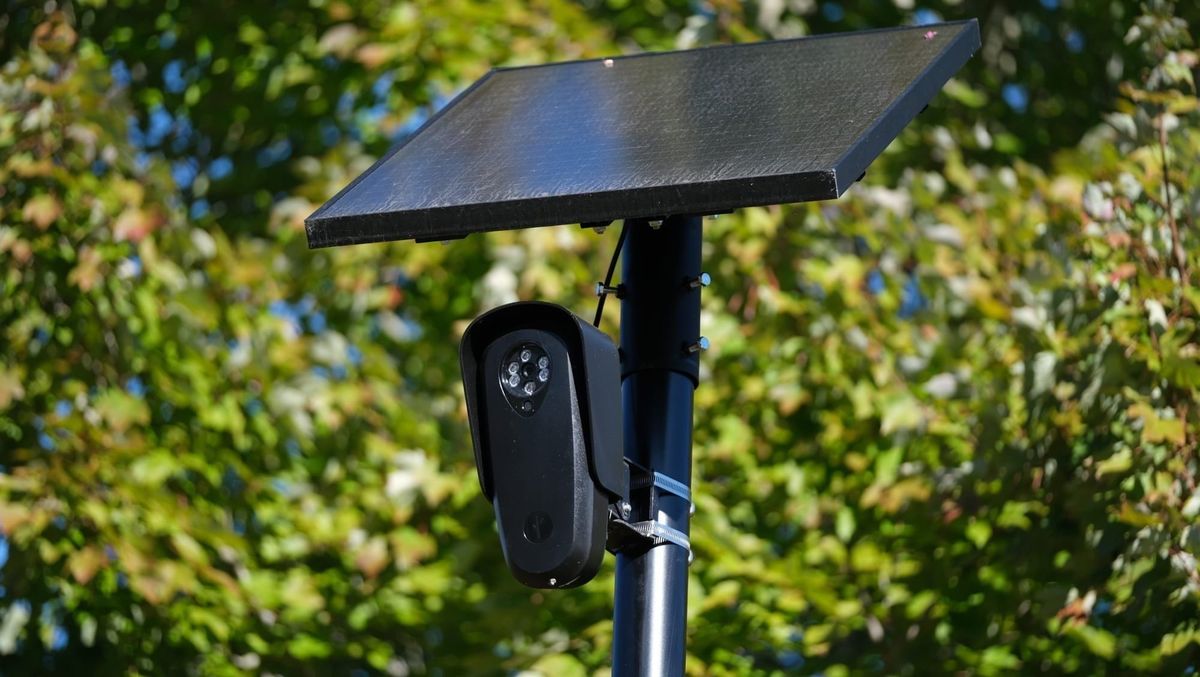
Richmond Mayor Danny Avula said Saturday that he will spend time thinking about the use of Automatic License Plate Reader technology in the city, particularly cameras the city uses that are made by Flock Safety.
"I've been really consistent about saying that our choice to use this technology is because I believe in the benefits to public safety, and I believe those benefits outweigh the risks they pose to our community," Avula said.
"But I've also been very consistent about saying that this is not a closed issue, and that I will always remain open to hearing from the people of Richmond on it.
"I think that the shift in public sentiment around Flock, which has been particularly acute in the last couple of months, is a sign we need to reevaluate our relationship with Flock."
Flock's technology has increasingly come under criticism in recent for privacy violations. At least 20 Virginia localities have indicated they will stop using the technology, including Goochland County. Richmond, Henrico and Chesterfield all have active contracts with Flock.
Avula made the statement in a nearly 4-minute video posted to the city's Instagram page on Saturday afternoon.
In it, he committed to four action items:
- "We are going to review the technology itself and our relationship with Flock." Avula said the city will examine whether other vendors can provide public safety benefits while addressing potential concerns. He added: "We have another year or so on the contract, so I'm going to need some time on that."
- "We are going to listen and learn." The mayor said he will "gather resident feedback in a variety of forms."
- "We're going to take another look at our oversight and transparency." He said one question is whether an independent third party should take a look at the city's policies and procedures.
- Reduction of data retention. The mayor said he has directed the Richmond Police Department, "effective immediately," to reduce the amount of time it keeps license-plate data stored from 21 days to seven days.
Avula said he will also work with the state legislature during this process. Some lawmakers have called for an outright ban in recent weeks.
Avula said that while there are "real privacy concerns," he also believes that "the communities who actually benefit the most from this technology are often those who are disproportionately impacted by violent crime."
Contact Michael Phillips at mphillips@richmonder.org.
More Flock coverage from The Richmonder:
 Sarah Vogelsong
 Dave Infante
 Graham Moomaw
 Graham Moomaw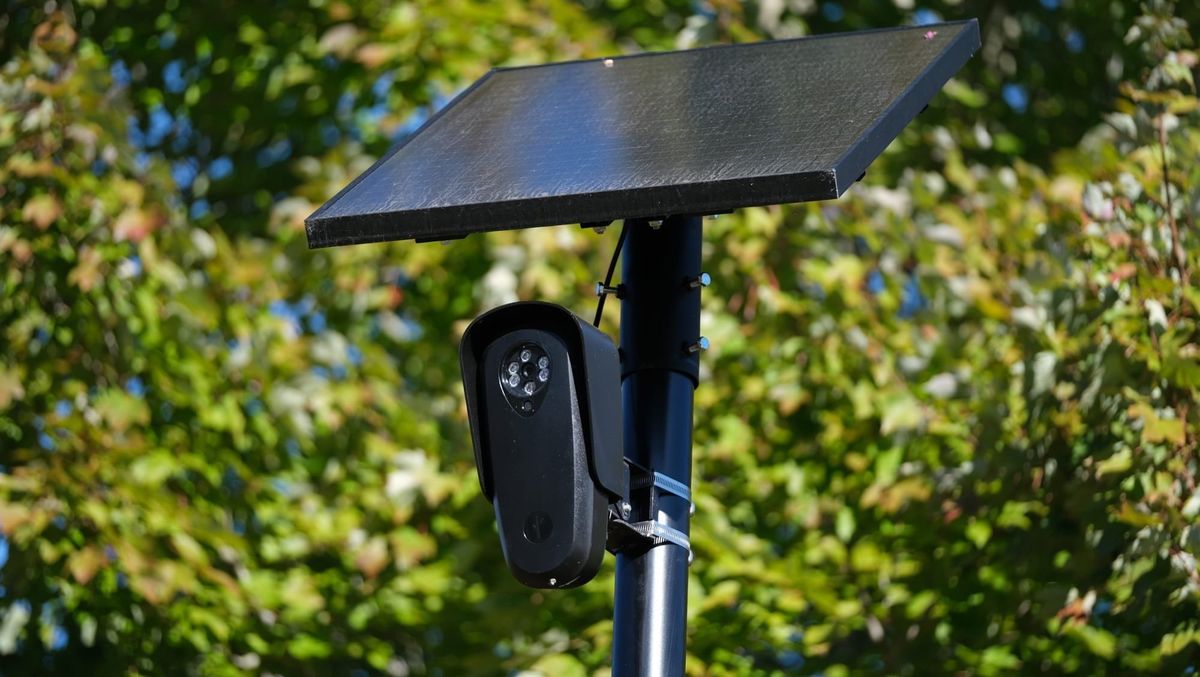
 Eleanor Shaw