Richmond’s historic Westwood neighborhood has beaten the odds for years. Can it survive rezoning?
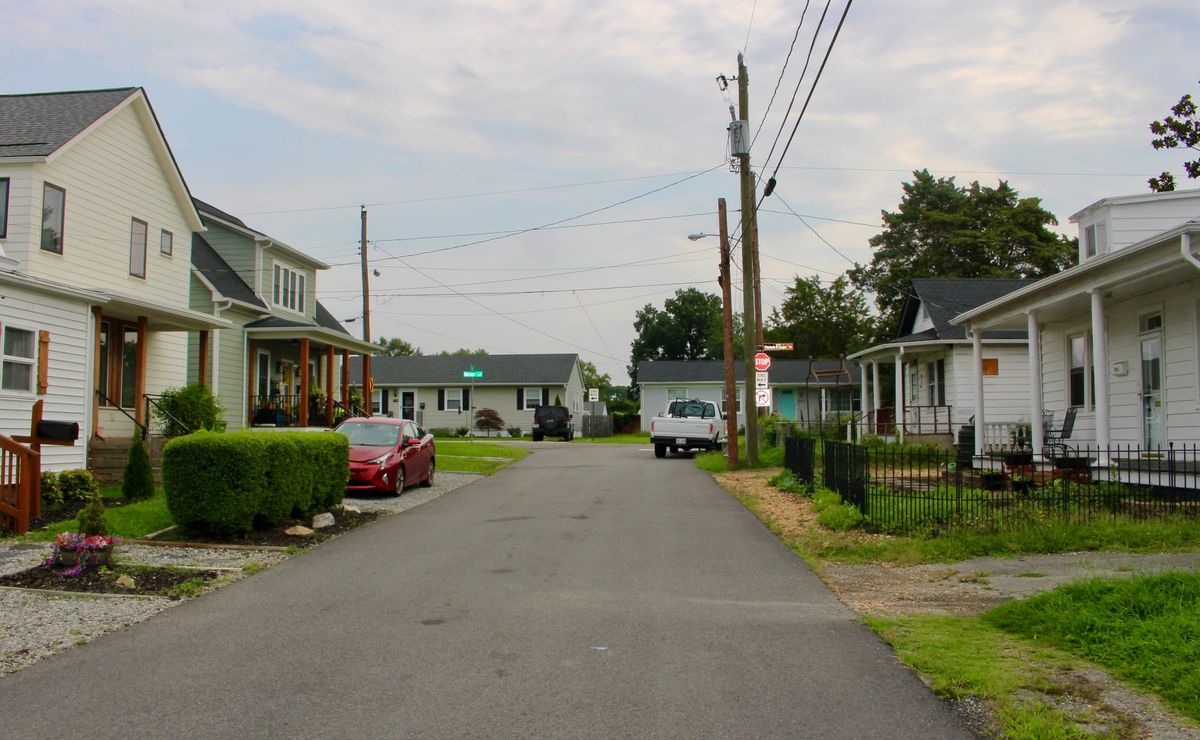
Driving around the narrow streets of Westwood, Tammy Rose has a story for every lot.
There is her childhood home, planted with the flowers known as four o’clock that only bloom in the afternoon. There is the old place of Miss Anderson, a long-time informant for neighborhood mothers on just what their children were up to. There is the Westwood Baptist Church, where Rose dreamed as a girl of standing on the steps preparing to be married.
“Everything that you needed was right here in the community,” she said. “We had safety, a playground, the church, and friends and family.”
But the historically Black community, which traces its founding to formerly enslaved men and women who put down roots in the 1870s, has changed over the past few decades. While its homes once stretched to Patterson Avenue, most of those have now been replaced by a post office branch, a library and medical offices. On a few lots, accessory dwelling units have been built, pressing close against lot lines and the modest one- or two-story primary residences that characterize Westwood. Home assessments, as elsewhere in Richmond, have spiked, putting pressure on long-time residents on fixed incomes.
“More and more, it’s just getting eaten up,” said the Rev. Jeanette Brown. Now president of the Westwood Civic League, Brown grew up in the neighborhood along with Rose and today splits her retirement between Westwood and Maryland.
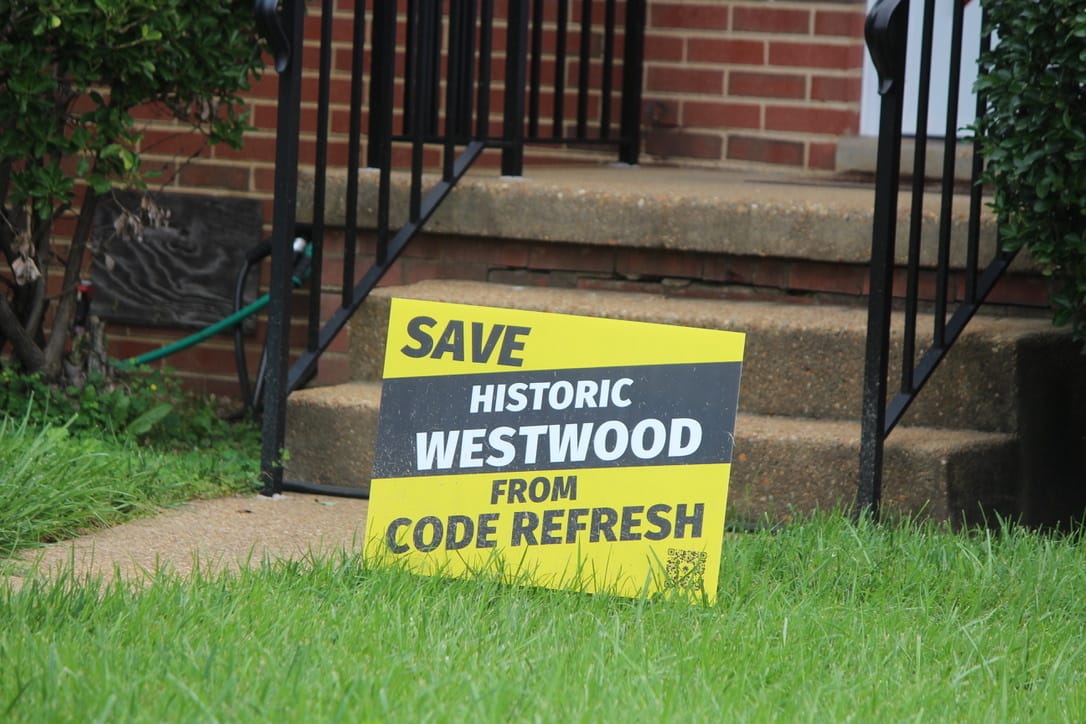
For many residents of the neighborhood, the city’s planned rezoning — an effort to both update land use rules that haven’t been comprehensively overhauled in 50 years and encourage greater density — is just the latest threat the community has faced. Rose’s car is full of yellow yard signs that have sprouted around Westwood’s roughly one square mile urging residents to save the neighborhood from the code refresh.
“I am not for density of really any kind. I think our neighborhood is dense enough,” said Rose. Her aim “is to preserve what we have and maintain the character of what we have.”
Those worries are not unique among inhabitants of Richmond’s historic neighborhoods, where resident and civic associations have marshaled against the rezoning, arguing that allowing more housing units and smaller lots will encourage demolitions, erode neighborhood character, give too much power to developers and overwhelm aging infrastructure.
But even in an old city where almost every neighborhood is historic, Westwood stands out, say residents.
That’s because it has faced enormous odds and yet endured. A majority-Black enclave in one of Richmond’s whitest, wealthiest voter districts, Westwood resisted efforts by city officials in the 1940s to erase it from the map. Where other communities like Fulton and Navy Hill were wiped out, Westwood thrived. Today its demographics are changing as more white residents move in, but its identity remains firmly tied to the Black community.
“It is tucked away in the middle of this sea of white development, and I don't think it's something that people would look for in the West End,” said historian Selden Richardson, who devoted a chapter of his 2008 book “Built By Blacks” to Westwood. “The fact that it has persevered for so long really makes it quite unique.”
 Sarah Vogelsong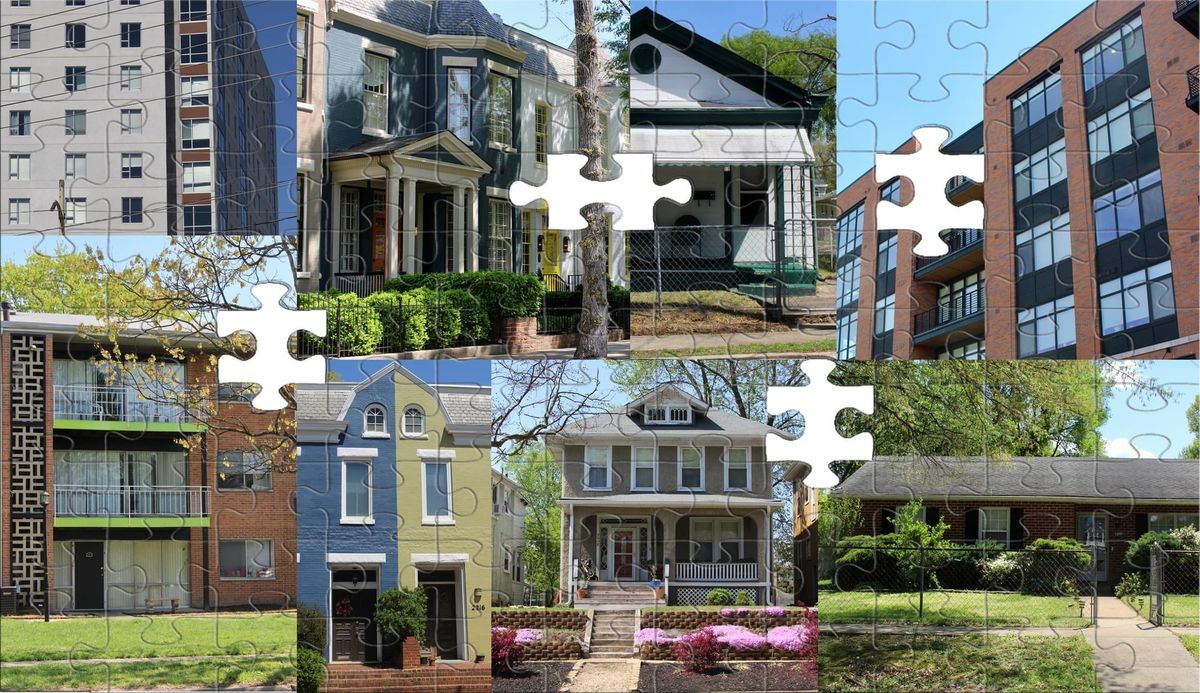
For Cyane Crump, executive director of Historic Richmond, Westwood “tells a story of the evolution of Black emancipation, empowerment and advancement from 1870 through the civil rights era.
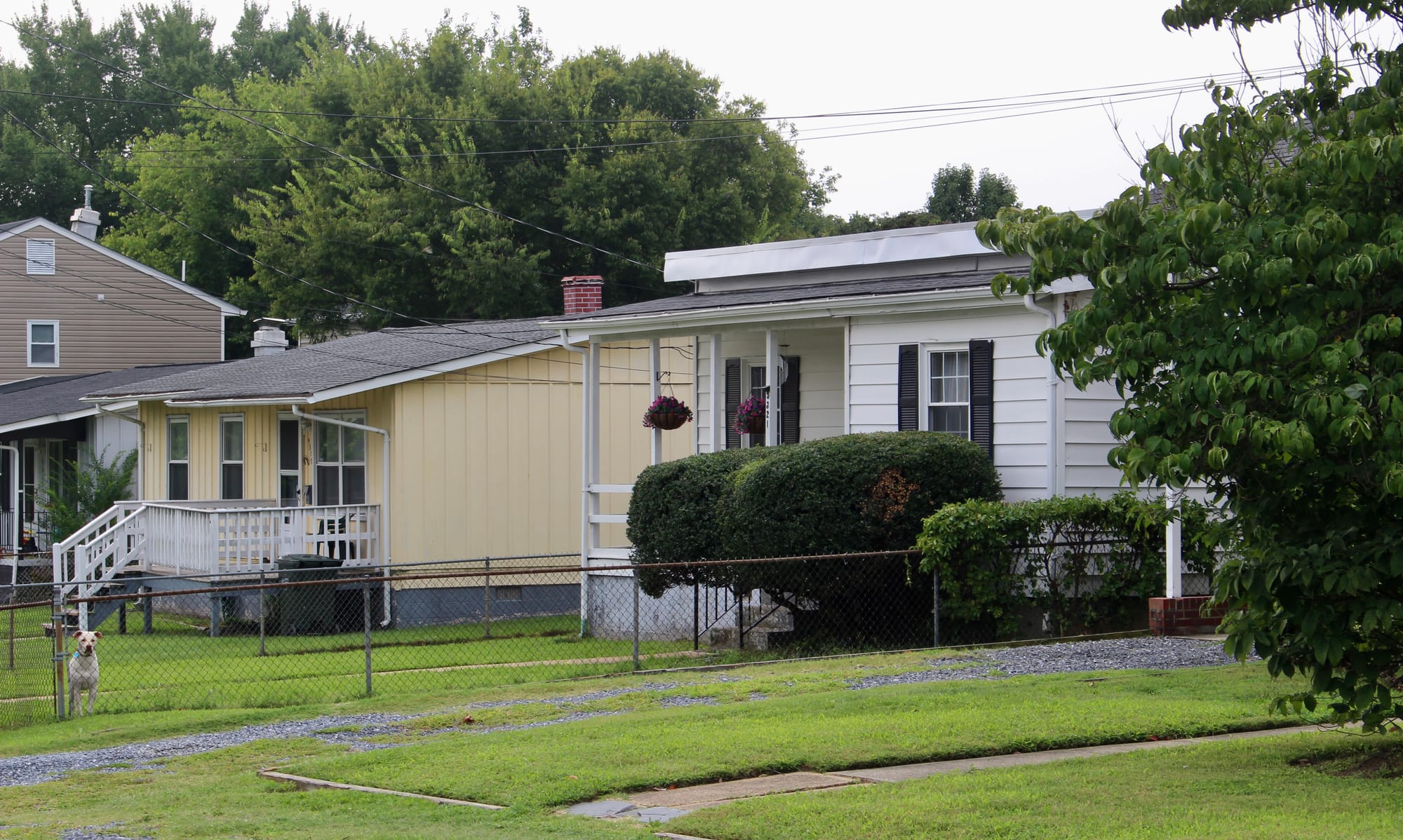
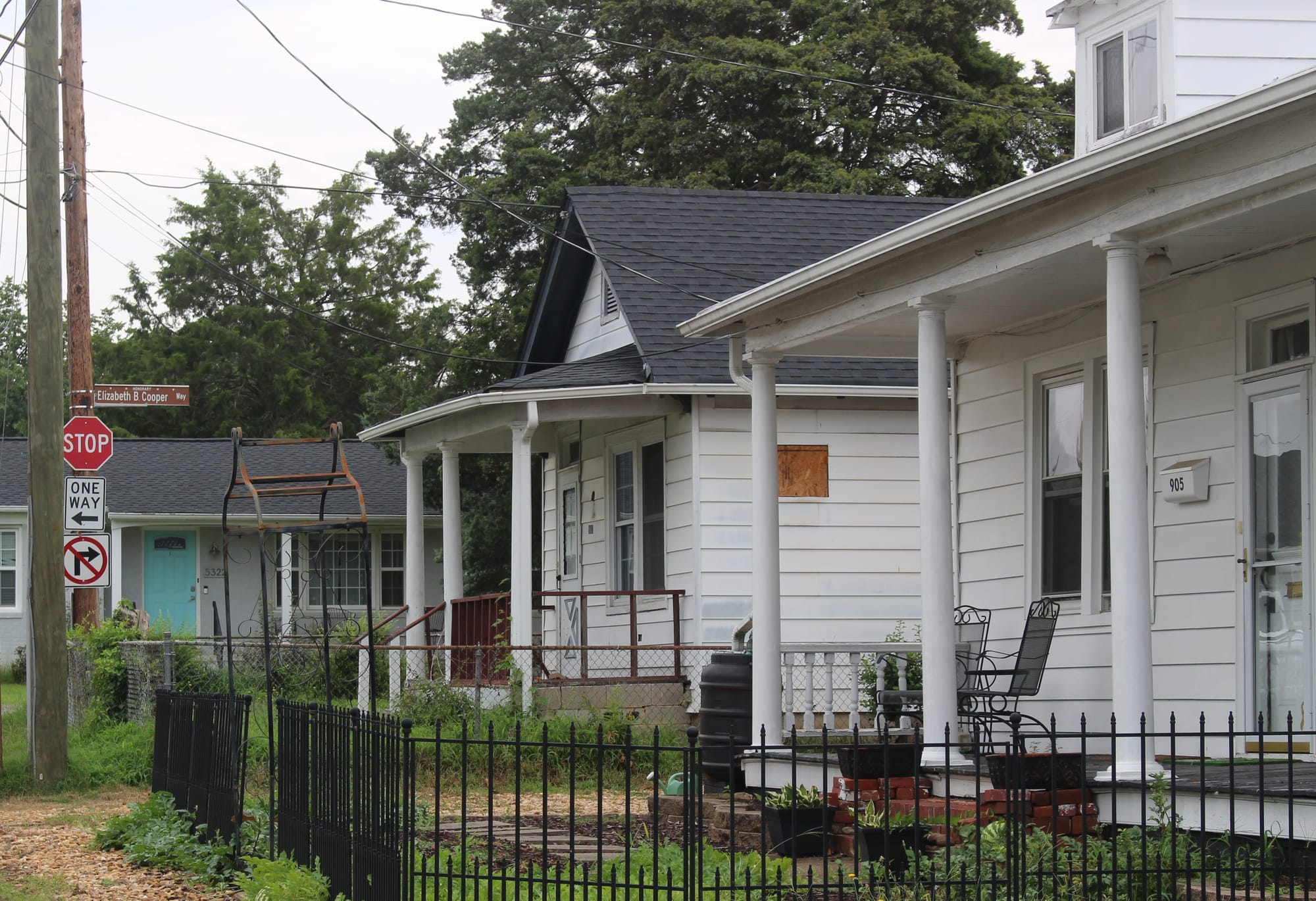
“Each street has its own architecture,” she said. “Some of the streets have much older houses. Some of them have newer houses.”
City officials have agreed there is something special about Westwood. This summer, the City Council unanimously backed a resolution directing Richmond’s Department of Planning to work with the community to come up with recommendations for how Westwood should be preserved and how development should occur there.
Westwood, said Councilor Andrew Breton, who represents the area and put forward the resolution, “is one of Richmond’s most historically significant neighborhoods, and it is overdue for this kind of focused planning effort.”
Fighting city-sanctioned destruction
Founded in the years following the Civil War, the community that today lies north of Patterson Avenue, bounded by Glenburnie Road to the west and Dunbar Street to the east, was initially known as Westwood Village and until 1942 was part of Henrico County.
At its heart was the Westwood Baptist Church, which continues to thrive today and has demolished several adjacent houses over the years to provide parking for parishioners who live elsewhere but still return to worship.
“It really felt like the church was the focal point, the nucleus of the neighborhood,” said Destiny Brown, a graduate of VCU’s urban planning program who worked on a project last year aimed at mapping the history of Westwood.
As the decades passed, Westwood solidified its identity as a quiet, middle-class Black neighborhood, what historian Brenda Dabney Nichols in her book “African-Americans of Henrico County” called “a small conclave of hardworking, progressive descendants of former enslaved and free persons.”
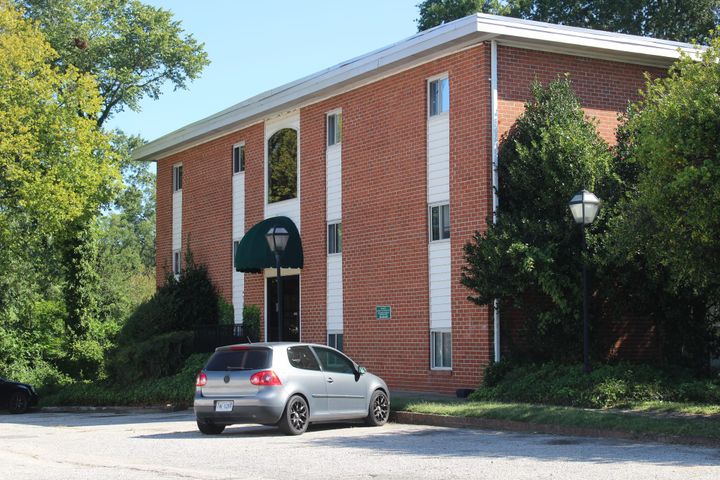
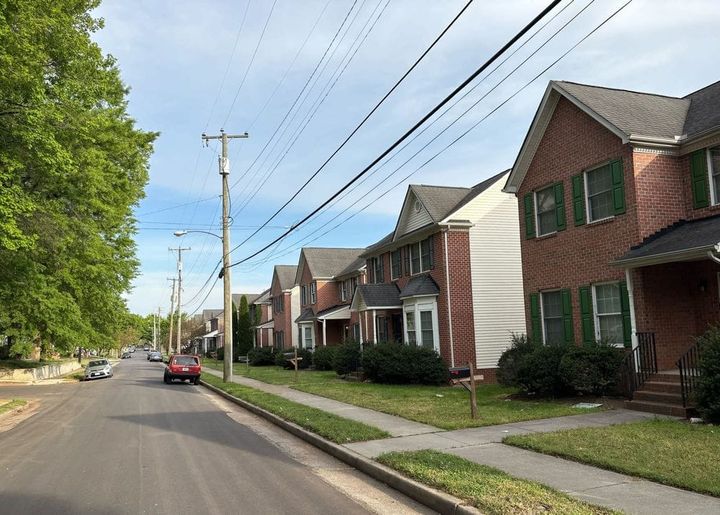
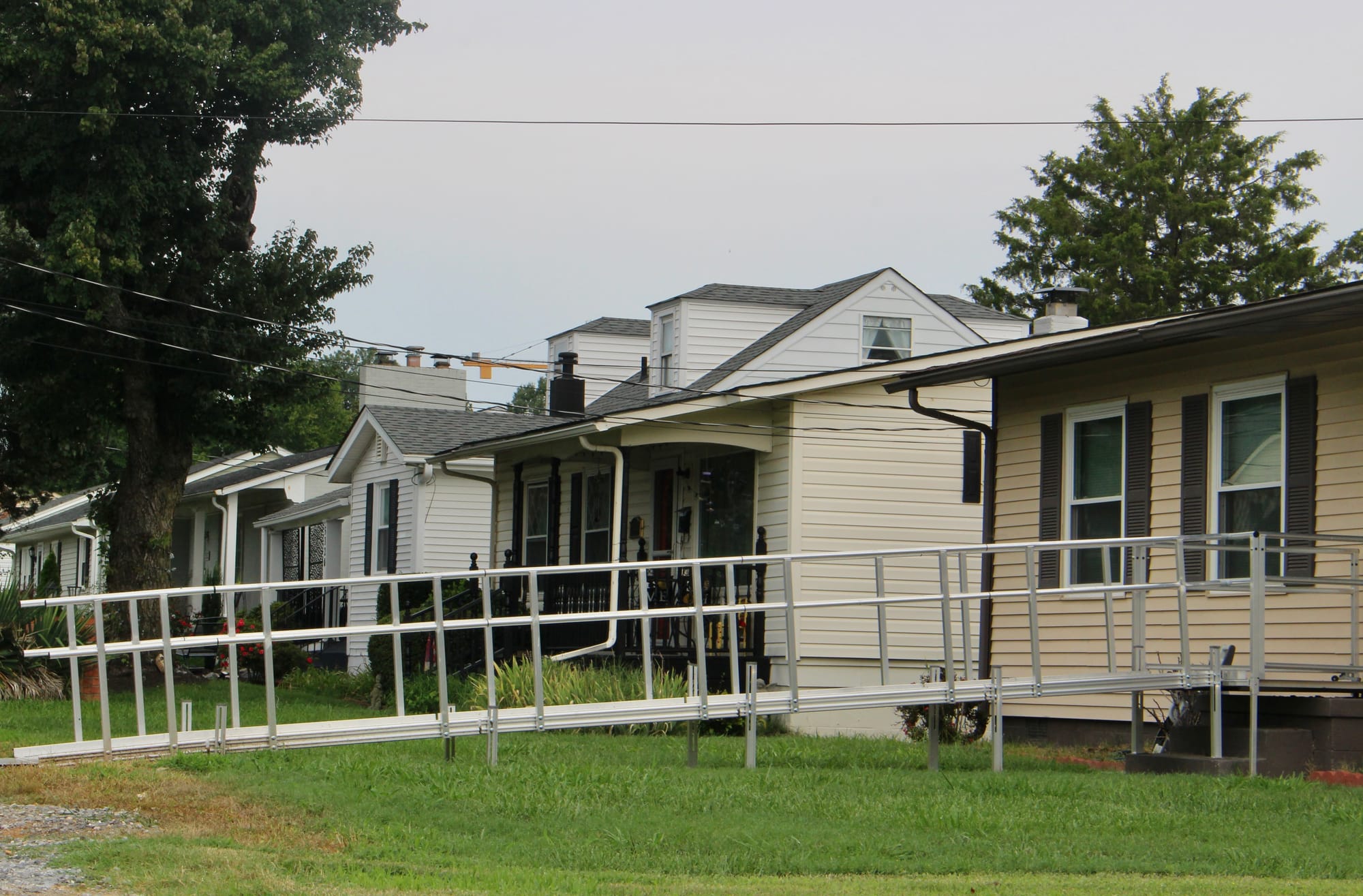
There was a school, a playground, a store and, of course, the church. A handful of small houses built around the turn of the 20th century still remain in the community, now nestled alongside ranchers from the ’60s and ’70s, a few split-level homes from later years and more recent farmhouse-style houses.
It was in the 1940s that Westwood faced its greatest peril. In 1942, the neighborhood was annexed by Richmond; the city, however, had little intention of sustaining it.
Officials refused to extend water and sewer service lines to the area, forcing residents to walk to a pump at the corner of Willow Lawn Drive and Dunbar Street. Then, warning about public health risks, the city proposed demolishing the neighborhood for a park.
The treatment of the community was so egregious that even the then-fiercely segregationist Richmond Times-Dispatch denounced “the utter unfairness of proposals that have been made for ousting the Westwood Negroes from their homes for the benefit of whites who moved into the area long after they did.”
The idea was dropped and the utility lines extended. But the experience cast a long shadow, particularly for residents like Rose and Brown who remember a segregated Richmond and communities like Fulton that didn’t survive the urban renewal campaigns of the midcentury.
“Look how that turned out,” said Brown. “And who bore the brunt of it? It was the minority communities.”
In the following years, Westwood laid claim to a host of luminaries. Daisy Jane Cooper, the first Black student to desegregate Richmond Public Schools, grew up there. (Before integration, Westwood students were sent across town to Carver Elementary, rather than the Westhampton School a few blocks away.) Tennis star Arthur Ashe’s mother had a home in Westwood. Prominent Black politicians like former state Sen. Benjamin Lambert and former Richmond Mayor Dwight Jones have had ties to the church.
Brown, who became a senior executive with the U.S. Environmental Protection Agency, said many of the men and women she grew up with went on to distinguished careers — in the federal government, education, law and even on Broadway.
“We stay in touch,” she said. “We keep up with each other’s children. We keep up with each other’s parents. … That’s the sense of community that we have.”
Those connections have frequently been preserved for generations, with properties passed down from older to younger members.
“We have survived post-Reconstruction, Jim Crow and redlining to produce doctors, lawyers, politicians, educators, entrepreneurs and civil rights warriors to get here today,” Crystal Randolph, a 50-year resident whose great-grandfather helped frame a home on Parrish Street, told the Council this July.
Creeping development
But change comes in other ways besides edicts to bulldoze.
In Westwood’s case, it has come in the form of commercial development creeping up from Patterson Avenue and, more recently, proposals to build more upscale homes.
“There’s been a pattern of development and planning efforts that has made the neighborhood concerned about further loss,” said Crump.
Initially, the stretch of Patterson between Glenburnie and Dunbar was like the rest of Westwood: residential, lined with low, turn-of-the-century homes. But beginning in the 1970s, those parcels began to be bought up and redeveloped for different uses. Many passed through the hands of Julia F. Robins, the widow of real estate agent and oil company president Franklin D. Robins.
In June 1975, the City Council approved the condemnation of 9.2 acres on Patterson for the West End Library. In 1985, the U.S. Postal Service bought several parcels along Glenburnie Road for a new office. And in 1997, a collection of medical offices was built between Patterson and Snowden Lane.
“When the federal government purchased the land to put the post office, that was like an ‘Ooof,’ you know, ‘Why would you put that there?’” said Rose. “That began the start of people driving through Westwood. Because at first, very few people rode through here. You knew every car.”
 Victoria A. Ifatusin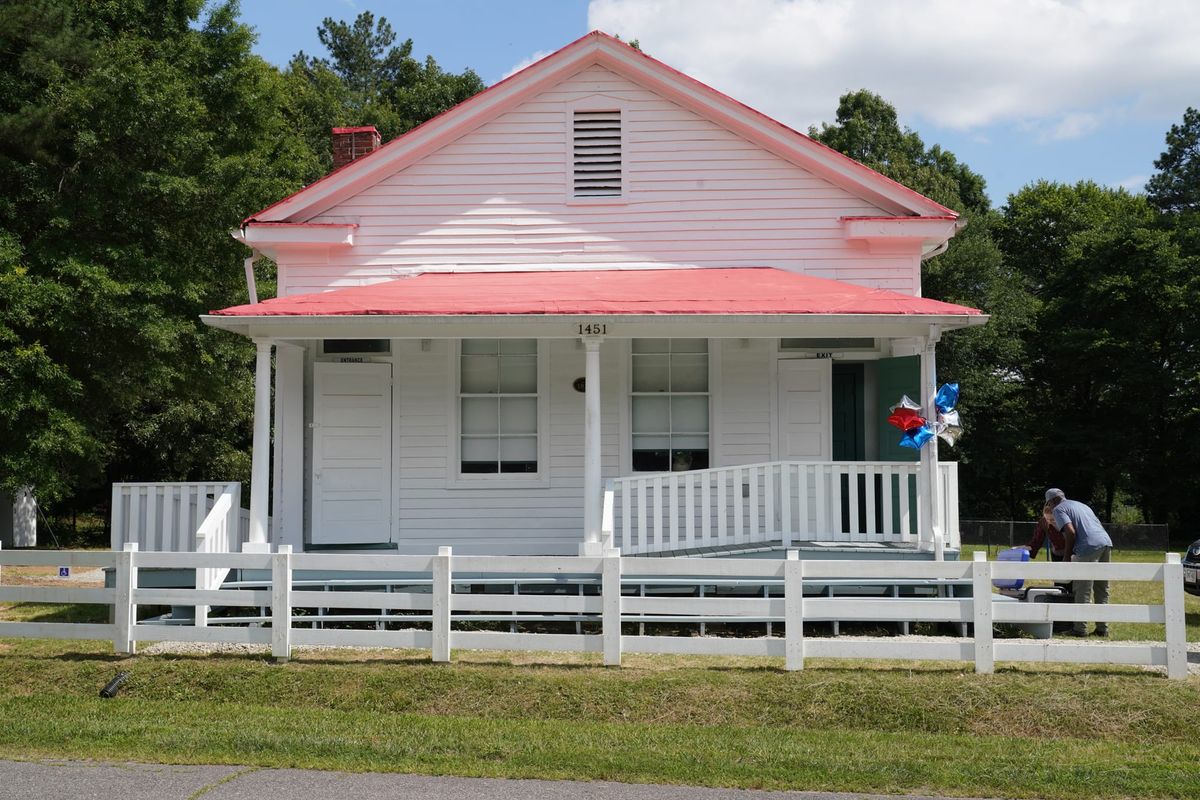
As the new buildings went up and patrons tried to cut through the neighborhood, residents began to fear the loss of what many describe as Westwood’s “country” feel — the sense that it remains a peaceful village hidden within the larger city.
“You can’t find a neighborhood like this,” said Brown. “We don’t have sidewalks in most of the streets. You walk; everybody knows you. People sit outside and everybody waves and speaks.”
That quality also struck Amy Atticks, a younger resident who has become active in preservation efforts. Westwood, she wrote City Council recently, is “a largely intact, historically significant neighborhood with narrow country lanes and a serene, village-like atmosphere.”
Rising home assessments brought new pressures as developers began to eye the community. Westwood lies in the catchment area for some of Richmond’s most desirable public schools, including Mary Munford Elementary, and, with its smaller lots and modest homes, is cheaper than many surrounding neighborhoods. A stone’s throw away, houses can go for $1 million, but in Westwood many homes are still assessed in the $200,000 to $300,000 range.
“We are the affordability area for the 1st District,” said Brown.
Even those valuations are on the upswing. In hearings before the City Council, Crump said that “the city tax assessor is essentially saying, ‘We don’t want you to stay near your generational home.’”
“Speculative developers have seen these small cottages not as affordable homes to be preserved, but as ripe for demolition to be replaced by McMansions,” she said.
 Sarah Vogelsong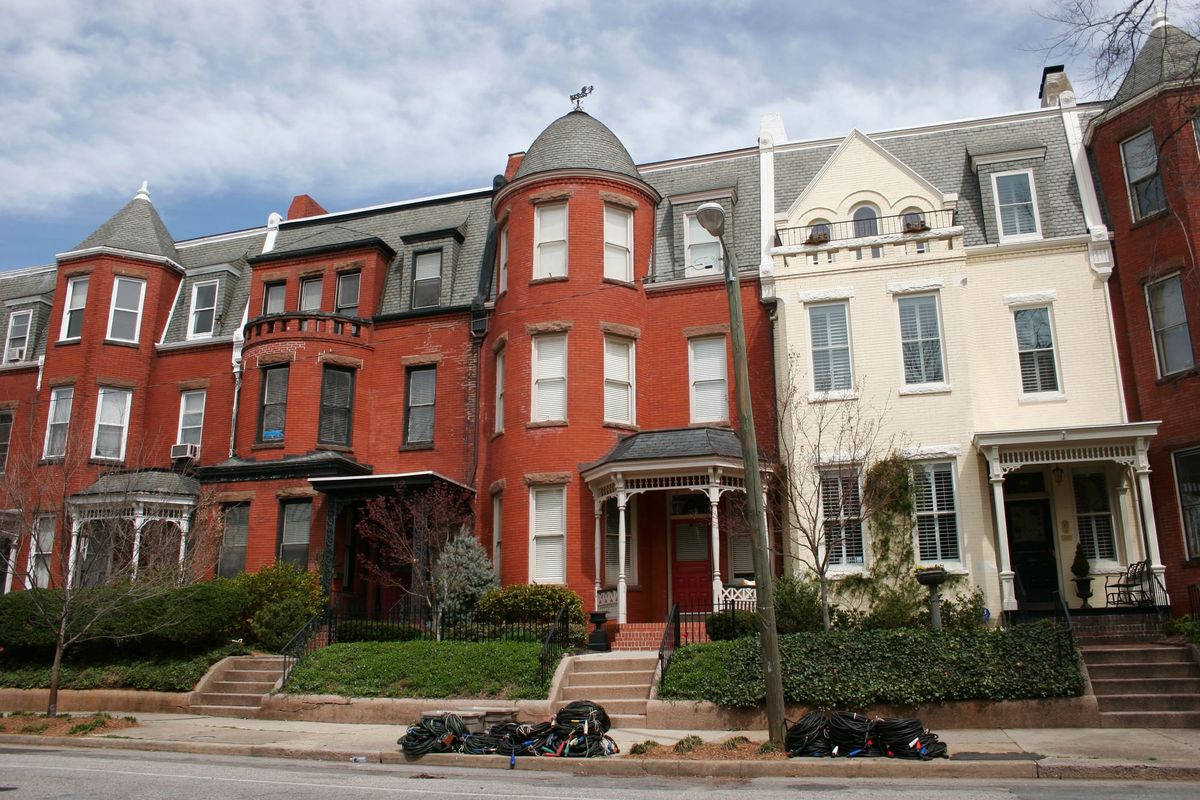
Recent development plans have spurred bitter battles. In 2023, three separate proposals to build two-story homes on lots around 30 feet wide led to outcry about the impact new builds would have on home valuations and whether the existing water and sewer infrastructure could handle more residents. Brown said she felt the developers had not treated the community with respect in bringing forward their plans.
“These are our homes. This is where we live,” she said. “This to us is sacred ground for a lot of reasons, and it is, I feel, entrusted to us now to hold on to it as best we can.”
All three of the contested proposals were eventually withdrawn, but the concerns they raised remain in play for many residents as the code refresh proceeds and ADUs pop up on some lots.
 Ned Oliver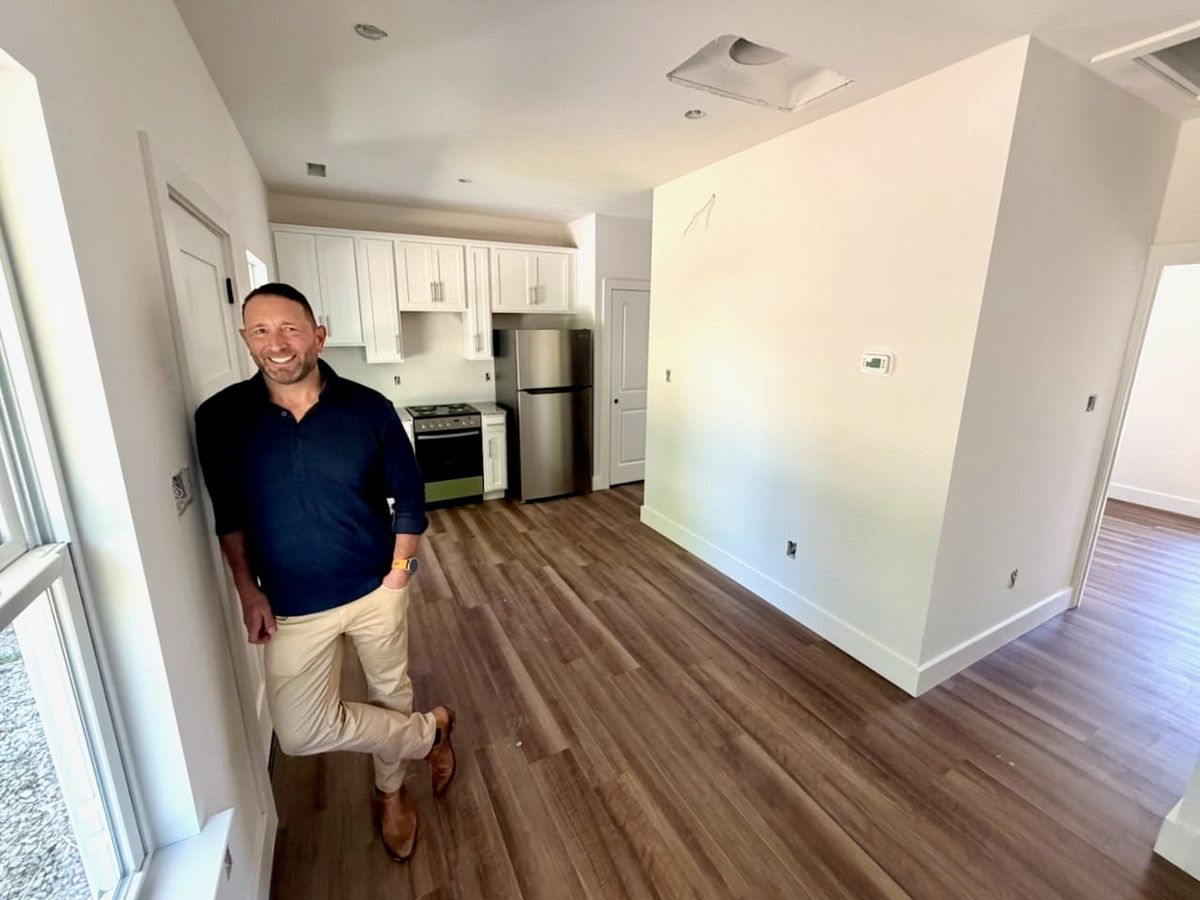
“The city hasn’t done their due diligence in keeping up the infrastructure,” said Brown. “How is that going to work with all of these new buildings? We’ve had sewage backups in some of the homes. We’ve had water coming up, seeping up through the street. A lot of that stuff hasn’t been fixed.”
Breton acknowledges that there has been “a history of disinvestment over time in this neighborhood” and says that’s one of the issues his resolution hopes to address.
“If there is an opportunity to make up for that history with additional infrastructure, it’s important that we take a look and figure out what that might be,” he said.
‘I want to be able to recognize a few things’
The Westwood resolution isn’t the first crack the neighborhood has taken at preservation. Both Rose and Brown said they previously had conversations with other residents about getting the community designated an Old and Historic District, a city identification that comes with a set of rules for how development and demolition can occur, as well as oversight by the Commission for Architectural Review.
Unlike zoning, OHD designations have to be requested by a majority of residents. And back then, Rose said, “we did not have a majority.”
“Those who had historic homes didn’t want to have the restrictions of the Old and Historic District,” she said.
Brown said things could be different now. The code refresh has put land use questions on Richmonders’ minds, and a wider array of preservation tools like design overlays are available to place guardrails on development without the strictest rules that come with an OHD. Earlier this year, the community was included on Preservation Virginia’s annual “Most Endangered Places List.”
Right now, nearly all of Westwood is zoned R-5. Under those rules, properties must be single family detached homes on lots at least 6,000 square feet in area and 50 feet wide. Buildings can be up to 35 feet high by right, the equivalent of roughly three stories, although none are currently.
The second draft of the rezoning would classify all of Westwood’s residential areas as RD-B. Under that zoning, properties would be limited to single family detached homes on lots at least 50 feet wide. Heights could be either 35 feet or would have to comply with new contextual standards limiting new structures to being no more than 14 feet or one story taller than the shortest adjacent building.
The post office, church and properties fronting on Patterson Avenue would be zoned for mixed use of up to three stories, taller than the buildings that front on the road today.
Of special concern to Brown is a provision in the second draft that would allow a duplex on any lot as long as any existing home is retained. Some city councilors, including Breton, have called for that proposal to be scrapped in the third draft expected to be released Aug. 17, and Brown said getting rid of it “would lift a lot” of her own worries, although she would prefer that the rezoning be paused until a solution for Westwood’s preservation can be found.
Another pain point is the ADUs that have begun to sprout up in the community. While a new state law that will go into effect in July 2027 will bar Richmond from prohibiting the structures, Brown and Rose are hoping the city might consider instituting some owner occupancy provisions, and Brown has argued limits also ought to be placed on the dimensions of any ADU to ensure it’s smaller than the primary home.
“The charm and the character of our neighborhood depends on it not being dense, not being overrun,” said Rose.
What else can be done will be up to the Planning Department and community members, who over the next six months will be charged with evaluating and recommending the best ways “to preserve the cultural, architectural, and spatial character” of Westwood, to update its infrastructure and to keep existing residents in their homes.
“I’m sure there will be multiple opinions, and I’m sure it will take time to work through those,” said Breton. “There’s going to be a spectrum of preferences around whether they should stay identical to how they are.”
Furthermore, he added, “there are private property rights we have to respect.”
For Rose, the hope is that 50 years from now, Westwood will still be — well, Westwood.
“I want to be able to recognize a few things. I want the playground to be still this massive lottage and maybe some upgrades.” she said. “I want to see how well the trees have grown and how much shade they've given. And I want to be able to drive in, to turn off of Patterson or to turn off of Willow Lawn Drive, and know that I am here, I'm back home. No matter who's here.”
Contact Reporter Sarah Vogelsong at svogelsong@richmonder.org