RRHA settles class-action suit over rent waivers for poorest tenants
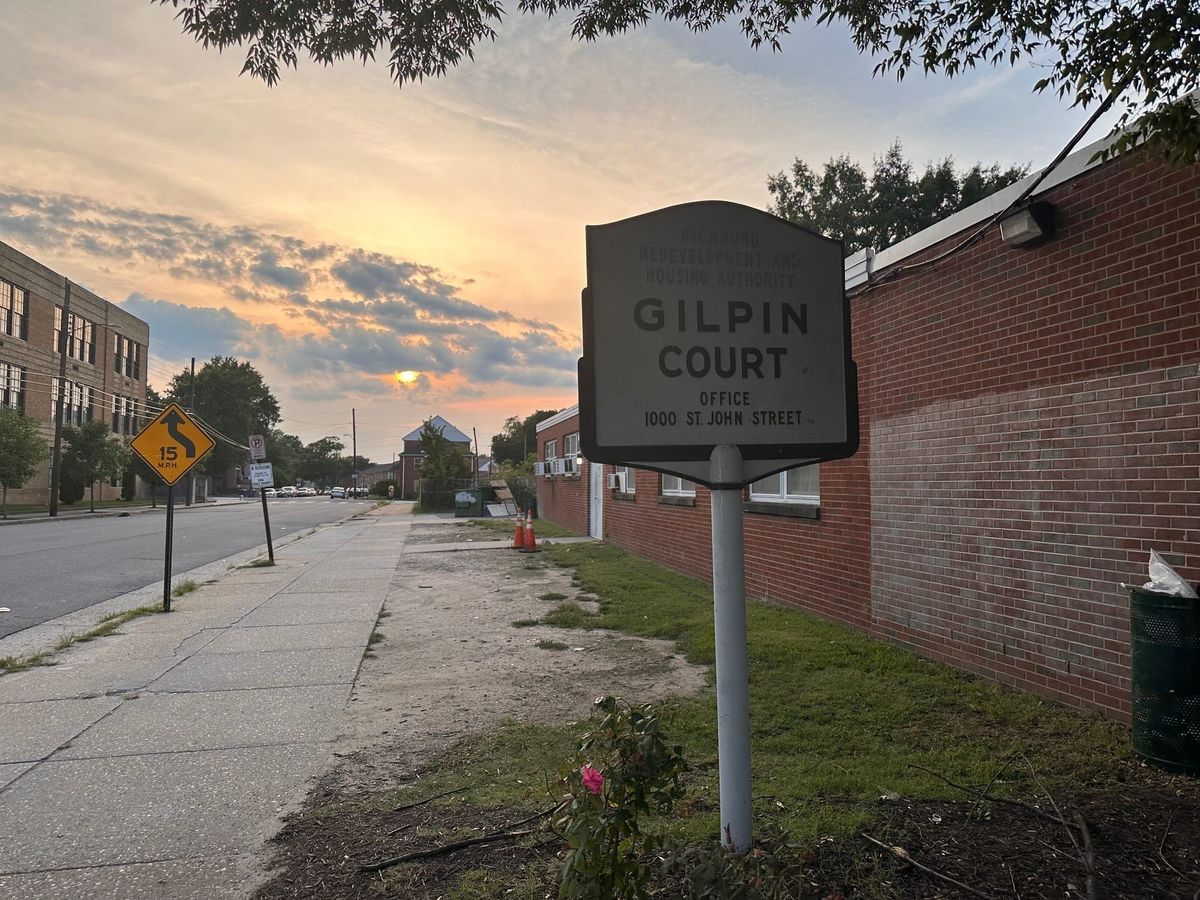
Richmond’s public housing authority has settled a class-action lawsuit over rental payments charged to tenants facing major hardships that impacted their ability to cover monthly costs.
The lawsuit, which was first filed against the Richmond Redevelopment and Housing Authority by current and former tenants Vernita Coleman and Jayda James in February 2025, claimed RRHA had systematically been failing to offer its poorest residents a federally required exemption from paying rent in certain hardship situations.
Current tenant Nydra Archie later joined the lawsuit as a plaintiff.
Under the settlement filed in federal court Oct. 30, RRHA denied all of the allegations and any liability for them but agreed to make several policy changes related to notifying residents about the hardship exemption. It also agreed to make payments to residents who were charged a minimum rent during a roughly six-year period.
While both the housing authority and the plaintiffs, represented by Hunton Andrews Kurth and the Legal Aid Justice Center, have agreed to the settlement, it will still need to be approved by a judge. The class-action nature of the lawsuit also means it will have to go through other approvals and review before it is finalized.
“We think this is a fair outcome,” said Michaela Ross, an attorney with the Legal Aid Justice Center. “We’re pleased that this includes both compensation for people that are harmed and a fair process for people going forward.”
Asked about the settlement, RRHA told The Richmonder in an email that “it is pre-mature for the agency to comment on any legal matter, where the Judge has not approved and finalized the terms and an amount of a legal case.”
Minimum rent and hardship
In general, public housing authorities base the rent they charge residents on their income, although federal law requires that they set a monthly minimum rent that can’t exceed $50.
In some cases, however, the law also requires authorities to offer residents an exemption from paying the minimum rent if they are facing certain “hardship” situations like loss of a job, loss of eligibility for a government assistance program they’ve been using, a death in the family or the threat of eviction.
The exemption “is meant to make sure that the people with the least resources, the people with no income, still have a place to live,” said Ross.
 Sarah Vogelsong
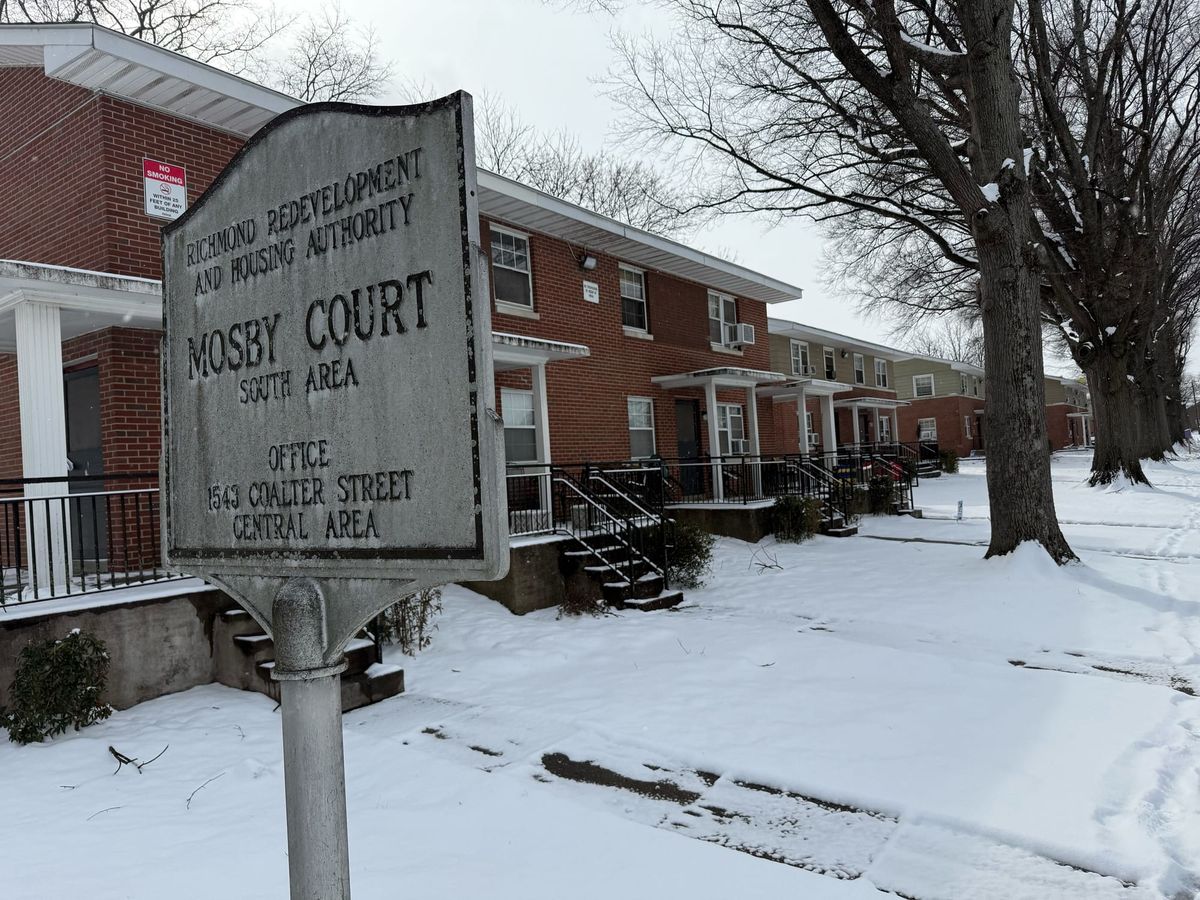
The lawsuit argued RRHA had not been notifying tenants about the exemption’s existence: Between 2019 and 2024, it claimed, only one RRHA resident had requested the exemption and only one had been granted despite hundreds of tenants paying the minimum rent.
While RRHA denies that allegation, the authority agrees under the settlement to have all tenants paying minimum rent fill out a Hardship Exemption form whenever the rent is initially set or reexamined. Whenever a family on minimum rent requests the exemption, RRHA will suspend the payment requirement starting on the first of the next month and then verify whether the hardship qualifies.
In addition, the authority has agreed to issue a written notice of decisions about eligibility for the exemption.
Payments
Besides policy changes, RRHA has agreed to pay current and former tenants $35 for every month between Feb. 1, 2020 and March 11, 2026 that they were being charged the minimum rent. Current residents will have the payments credited to their ledger, while former residents who no longer owe money to the authority will receive a payout.
Coleman, James and Archie will each be paid $2,500.
To cover all the costs of the payments, the authority will put $327,500 into a compensation fund. Any money that remains after a year “shall be given to a third-party non-profit or other entity that serves RRHA tenants,” as long as the attorneys representing the affected tenants or the court don’t object.
A hearing for preliminary approval of the settlement is scheduled for Nov. 19 in the U.S. District Court for the Eastern District of Virginia.
If the settlement ultimately gets final approval, a third-party notice administrator will be appointed who will set up a website and toll-free number for members of the affected class.
Ross called the agreement that has been reached to date “a major step.”
“Public housing is meant to be housing that is available to Richmonders that have the fewest resources,” she said. Through the settlement, she continued, “the parties have agreed to make sure that those tenants are able to live and are able to be a part of our community, and that public housing can be a place that, in line with federal law, is truly affordable for those people.”
Contact Reporter Sarah Vogelsong at svogelsong@richmonder.org