After hesitation, Planning Commission green-lights redevelopment of apartments to townhomes at Libbie and Grove
A month after members balked at a plan to redevelop affordable apartments in the swanky Libbie and Grove neighborhood into high-end townhouses, the Planning Commission last week recommended approval of the project on a 7-1 vote.
Many commissioners appeared to have been persuaded by financial numbers presented by the developer, Center Creek Homes, and the insistence of the property owners that they intend to sell the building.
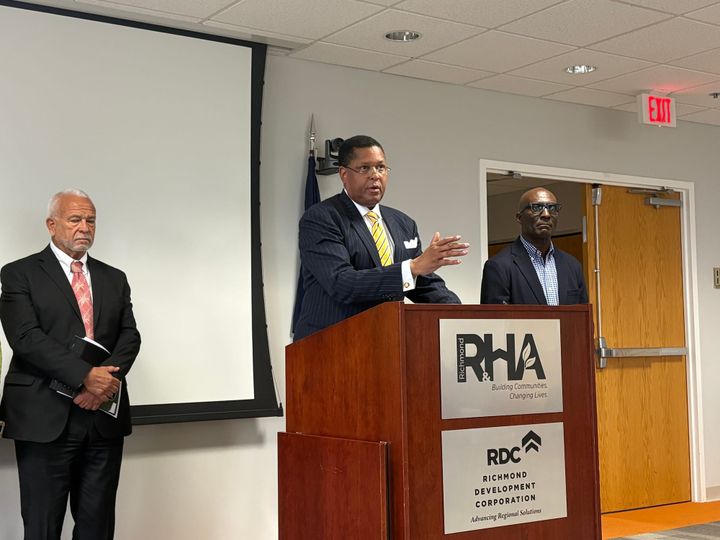
“I’ve talked to the sellers, and they’re not kidding,” said Planning Commission Chair Rodney Poole. “That building’s going away, and what we can produce for the city with tax revenue, improvements to the neighborhood are important.”
Commissioner Burt Pinnock said the commission “is right in its position to try and understand how we can maintain … organically happening affordable housing, but we have to take a broader look.”
“Is this the site for it?” he asked.
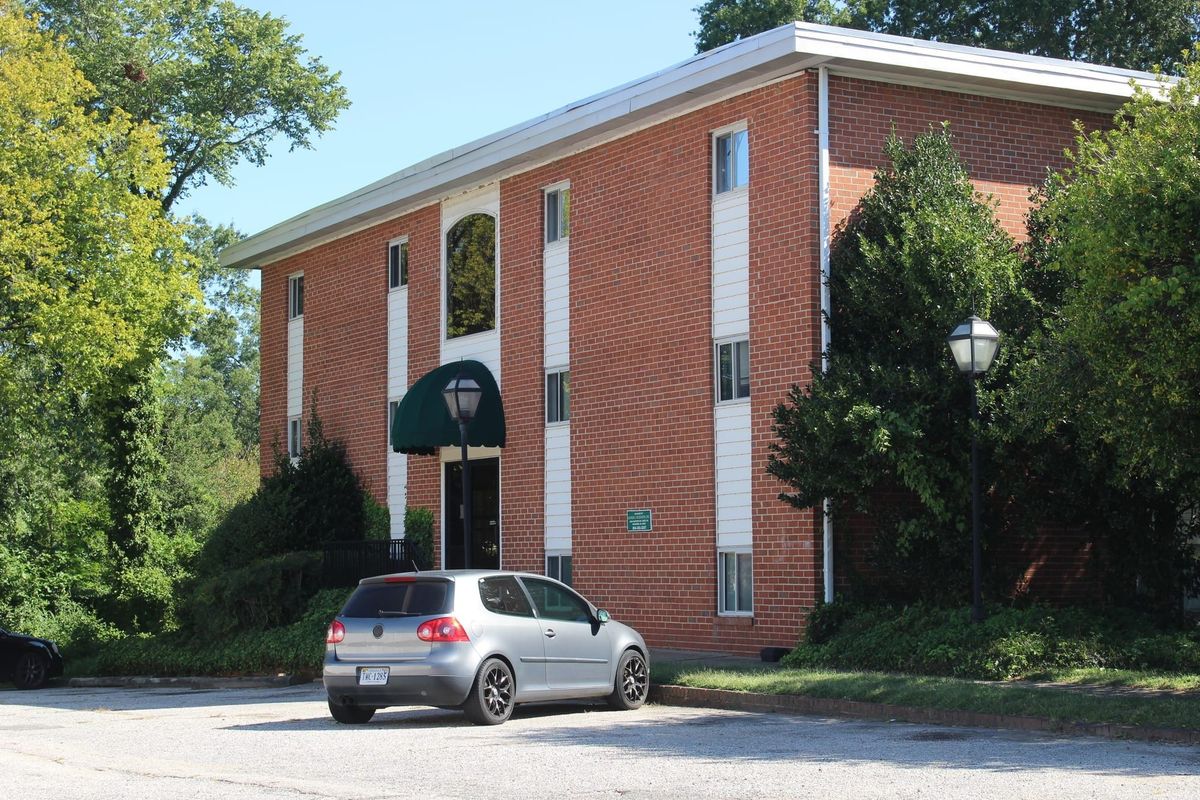
The property in question, at 5706 York Rd., was constructed in the 1960s and currently contains 18 units that are rented at rates considered affordable in the Richmond market — $950 for a two-bedroom apartment, according to owner Paul M. Dickinson. Of those, six units have active leases and 12 are vacant.
In a letter to the Planning Commission, Dickinson said he and his co-owner are around 80 years old and inherited the property from their fathers, who developed the site. Now, they plan to sell it “for estate reasons.”
Center Creek Homes has sought to buy the property in order to build eight high-end townhouses that would be marketed for over $1 million each. Any buyer would have the option to include a small accessory dwelling unit in the footprint. Initially, the developer said including the ADUs could help incorporate some affordability into the plans, although CEO Dan Magder last week conceded “it may have been a little too cute” to characterize them that way.
Currently, the property is zoned for “urban business,” a designation that doesn’t allow single family attached homes by right and therefore requires Center Creek to get a special use permit.
Bo Fairlamb, an architect who lives in the Near West End, has emerged as the main opponent of the proposal, which he has argued goes against the city’s master plan.
“We should not be a party to the removal of affordable housing from this neighborhood and the displacement of our fellow Richmonders,” he argued last week. “There are options for this property that could be done that would extend that kind of storefront shopping neighborhood fabric on the first floor, and still have apartments above, all based on the current zoning.”
But while that argument gave a number of Planning Commission members pause when they first considered the SUP this September, a presentation from Magder about the financial position facing any developer of the site – as well as meetings Center Creek held with individual commissioners – seems to have swayed the body otherwise.
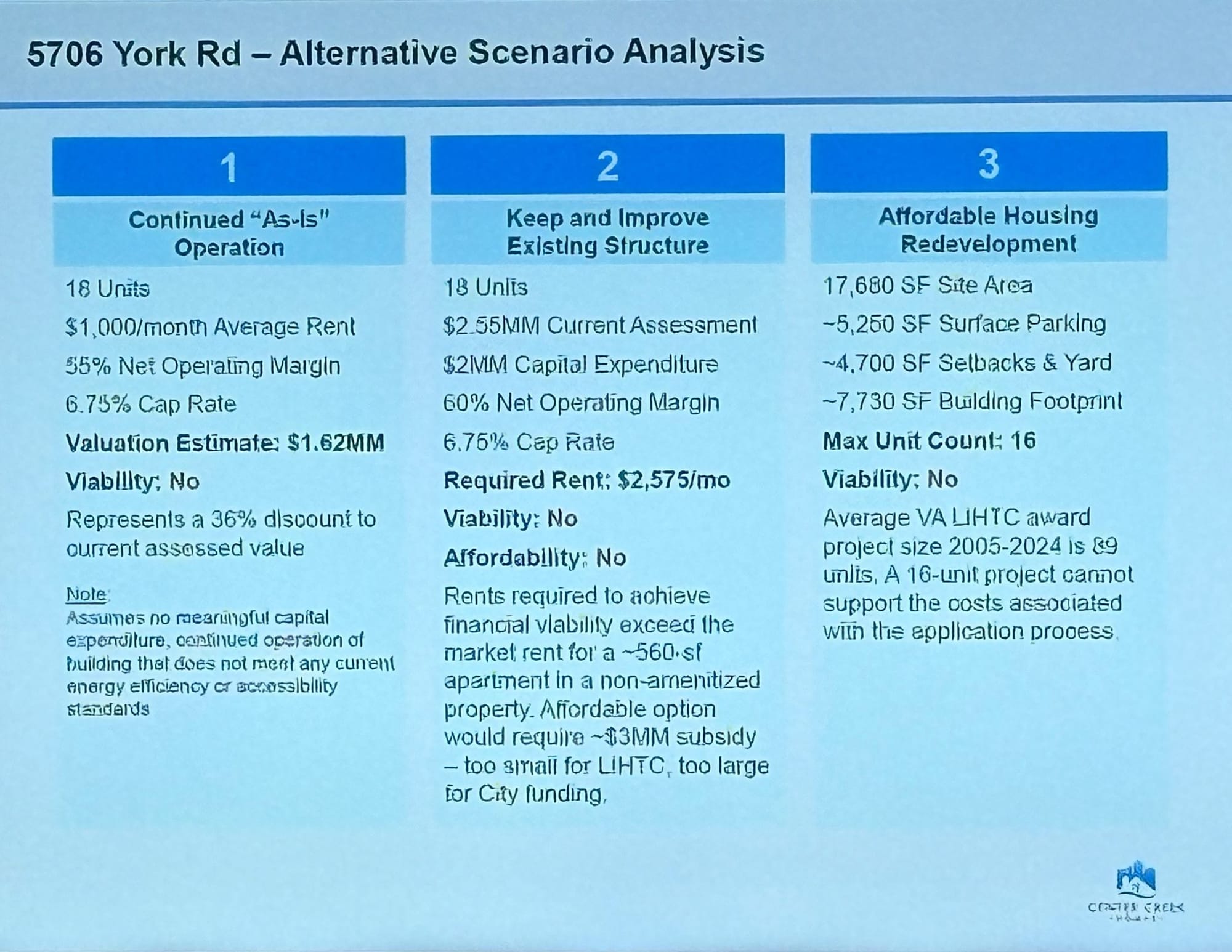
“Could you preserve affordability on this site? What would it look like?” Magder asked at one point. “The punchline is: Not really. Not easily.”
In particular, he pointed to the substantial costs that would be associated with upgrading the more than 60-year-old building as well as the hefty price of land in the Libbie and Grove area and Richmond’s 1st District more broadly.
The valuation of the York Road property was also flagged by Dickinson in his letter. Today the city assesses it at over $2.5 million, resulting in an annual tax bill of $30,600.
“That comes out to almost two months of rental income when fully leased at our current rent rates. The current contract sales price is significantly below the assessed value,” he wrote.
“The proposed townhouses will generate approximately $80,000 in additional annual real estate taxes for the city,” the letter continued. “If this proposal is denied, we will still sell the property. Anyone who purchases the property with the intent to keep it as an apartment building will renovate it and significantly increase the rents. The location of the property will support such an increase.”
Magder made a similar argument in presenting the Planning Commission with three possible scenarios for the building’s future. Keeping it operating as is would require a much lower property assessment, he contended, while renovating would require a significant increase in rents to offset the cost of investments. Getting subsidies to preserve affordability of units is also unlikely, he said, because of the size of the lot.
The project is “too small” to get funding through the state for low-income housing tax credits, he said, and “too big” to get sufficient funding from Richmond’s Affordable Housing Trust Fund.
“We can’t figure it out,” he told the Planning Commission. “It’s a shame there isn’t affordability there. It’s a shame there isn’t affordability in the 1st District.”
Fairlamb, however, was adamant that commissioners should not recommend approval of a project that will result in the replacement of existing affordable units with luxury housing.
“What do you do when the owner says, ‘I’m selling’?” Pinnock asked him at one point.
“So be it,” Fairlamb replied.
Ultimately the majority of the commission recommended approval of the project, which will now go to the City Council for a final decision. Commissioner Rebecca Rowe was the sole dissenter, saying that she would “be maintaining my protest vote of no at losing affordable housing and adding unneeded million-dollar homes.”
Still, she added, “I suspect that if these developers tried to add a truly affordable component — capital A — they would have encountered all kinds of opposition from the neighborhood, and it would have been a completely different story.”
Commission Vice Chair Elizabeth Greenfield said she resented the implication that by recommending approval of the SUP, the body was responsible for the disappearance of the affordable units.
“The property owner has submitted a letter and has made very clear that many of these units are vacant and they intend to sell,” she said. “So we are not responsible for taking these units off the ground.”
Pinnock threw his support behind the idea of convening a group to examine how to promote the development of affordable housing in areas of the city like the 1st District where land values are extremely high.
Magder said Center Creek, which has developed several affordable projects in the region including a 20-townhome development in Tuckahoe and a five-home infill project in the East End, would be eager to participate in the effort.
“The notion of, ‘Can you do something which is truly affordable in the 1st District, mixed income housing’ — that is super interesting,” he said. “I think it's going to require subsidy, but it's also things we can bring to the table — land planning, mixed income, where you can do some cross subsidization.”
Contact Reporter Sarah Vogelsong at svogelsong@richmonder.org. This story has been updated with additional information.