Richmond voters will decide on 1% sales tax for schools after Council OKs referendum
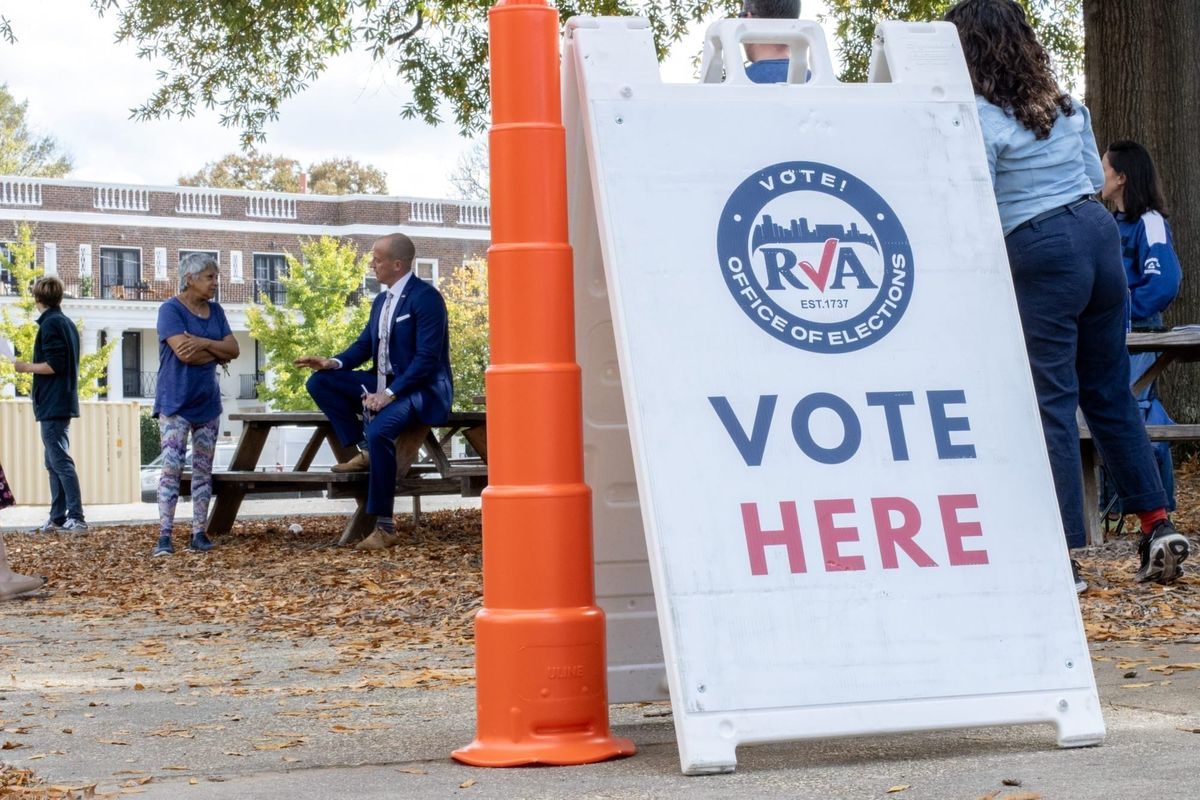
Richmond residents will have the chance to vote directly on city tax policy in November after the City Council approved a ballot referendum for a 1% sales tax to raise revenue for the construction and renovation of public schools.
Monday night, the Council voted 8-0 to send the issue to the voters, making Richmond one of many Virginia localities seeking to use a newly expanded power to raise sales taxes to better fund schools. Neighboring Chesterfield County has already taken the same step, as has Powhatan County.
Virginia’s latest budget gave all cities and counties the option of raising sales taxes for school projects, but only if voters sign off first.
Richmond’s elected officials have been overwhelmingly in favor of taking that step, with the School Board, Council and Mayor Danny Avula seeming mostly united on the issue. Councilor Sarah Abubaker (4th District) stepped out of Monday’s meeting before the unanimous vote by eight of nine members.
If enacted, the extra sales tax would generate up to $47 million per year for school system projects, according to projections from the city’s financial advising firm Davenport and Co.
“I would hope we would have support for that,” said Council President Cynthia Newbille (7th District). “Our children deserve the best.”
Assuming the revenue grows every year, the tax could generate up to $1.1 billion over almost 20 years. That money, proponents said, will help speed up school capital projects, improve the condition of the city’s aging school buildings and reduce future strain on the city’s general fund budget.
“This could be life-changing for our students,” School Board Chair Shavonda Fernandez (9th District) said as she appeared before the Council with several board colleagues.
Officials have not yet specified which projects the tax would fund. School leaders are working on a long-term facilities plan, but Superintendent Jason Kamras has signaled it won’t be done in time for the Nov. 3 election.
Avula has promised that — if voters OK the sales tax proposal — he will seek to decrease the city’s 7.5% meals tax to 6.5% and lower Richmond’s real estate tax rate by one cent, dropping it from $1.20 per $100 of assessed value to $1.19.
Though Council members seemed to agree on pursuing the new revenue, some stressed the need for clear communication to residents about why the tax increase is necessary and where the funds will go. Councilor Kenya Gibson (3rd District) departed from the night’s celebratory tone somewhat when she said officials still have to convince voters the money won’t be mismanaged and will be used as advertised.
“This is not a slam dunk,” said Gibson, who previously served on the School Board.
Gibson also questioned the Avula administration’s strategy of tying the possibility of future property tax relief to the outcome of the sales tax proposal. She noted the administration had already floated the prospect of a real estate tax reduction next year before the sales tax proposal was an option.
“I’m just not sure that what we want to do is suggest that if they don’t support it we’re going to punish residents,” Gibson said.
 Michael Phillips
School Board candidate Jackie McDonnough, a former teacher running to unseat 6th District representative Anne Holton, sounded a similar note when she spoke during a public hearing. She said she supports the effort overall, but feels Richmonders will be more likely to go along if “questions about current school spending are put to rest.”
McDonnough said state law requires school divisions to have a five-year facilities plan, and the School Board has not hit its own timeline for producing such a plan.
“This is an example of mismanagement,” McDonnough said, finishing her remarks by saying the current system “isn’t working for Richmond” and “we need a change from the status quo.”
 Victoria A. Ifatusin
 Victoria A. Ifatusin
Across local, state and federal funding sources, RPS spent a little more than $24,000 per pupil in fiscal year 2025, according to data from the Virginia Department of Education, well above the $18,771 statewide average for operations spending. That’s partly a reflection of the higher needs of a high-poverty school division, but that data point often comes up in discussions over whether RPS uses its funding efficiently.
The proposed meals tax reduction could potentially insulate city officials from pushback from the restaurant industry over higher taxes making it more expensive for Richmonders to dine out. Former Mayor Levar Stoney won approval for a meals tax increase in 2018, raising the city’s rate from 6% to 7.5%. That too was done with the goal of raising more money for schools, but drew strong opposition from some local restaurant owners.
With the sales tax and meals tax, Richmond diners face a combined tax rate of 13.5%. Groceries are only taxed at 1% and would be exempt from the sales tax increase.
Council Vice President Katherine Jordan (2nd District) said she was mindful of the burden the meals tax puts on restaurants. Because the sales tax proposal is broader, she said, it could help ease the pressure on restaurants.
“If we have another tool like the 1% sales tax, I think it allows us to diversify what we are putting on their backs,” Jordan said.
 Victoria A. Ifatusin
The one-cent reduction proposed for the real estate tax rate could help ease the sticker shock many Richmond homeowners could feel next year when the city sends out new property assessments.
Because officials skipped a reassessment cycle to sync up the process with the city’s budget schedule, the next round of assessments will be based on two years’ worth of expected growth in property values. If property values continue rising as they have recently, many homeowners would likely still see their tax bills increase even with a small reduction in the rate.
In a challenge to Avula’s proposal, Councilor Reva Trammell (8th District) is again introducing a proposal to reduce the tax rate by four cents, starting in the 2028 tax year. That ordinance was officially filed Monday night but has not been taken up by the Council.
Together, the tax relief proposals put forth by Avula could help city officials sell the sales tax proposal and offset some of the impact of the increase.
On Monday, proponents stressed that out-of-town visitors would pay a substantial portion of the sales tax, which isn’t typically the case with other revenue sources. The money would technically be collected by the state and effectively put into a “lockbox” ensuring it could only be used for the intended purpose of building and renovating schools.
“This is a unique opportunity that does not come along often,” said Chief Administrative Officer Odie Donald II.
City officials don’t need direct voter approval for the two tax relief measures, which means the ballot question will only focus on the proposed sales tax increase.
If approved on Election Day, the Council would have to take a second vote to formally enact the tax.
Contact Reporter Graham Moomaw at gmoomaw@richmonder.org