Longtime science educator Jackie McDonnough enters race for 6th District School Board seat
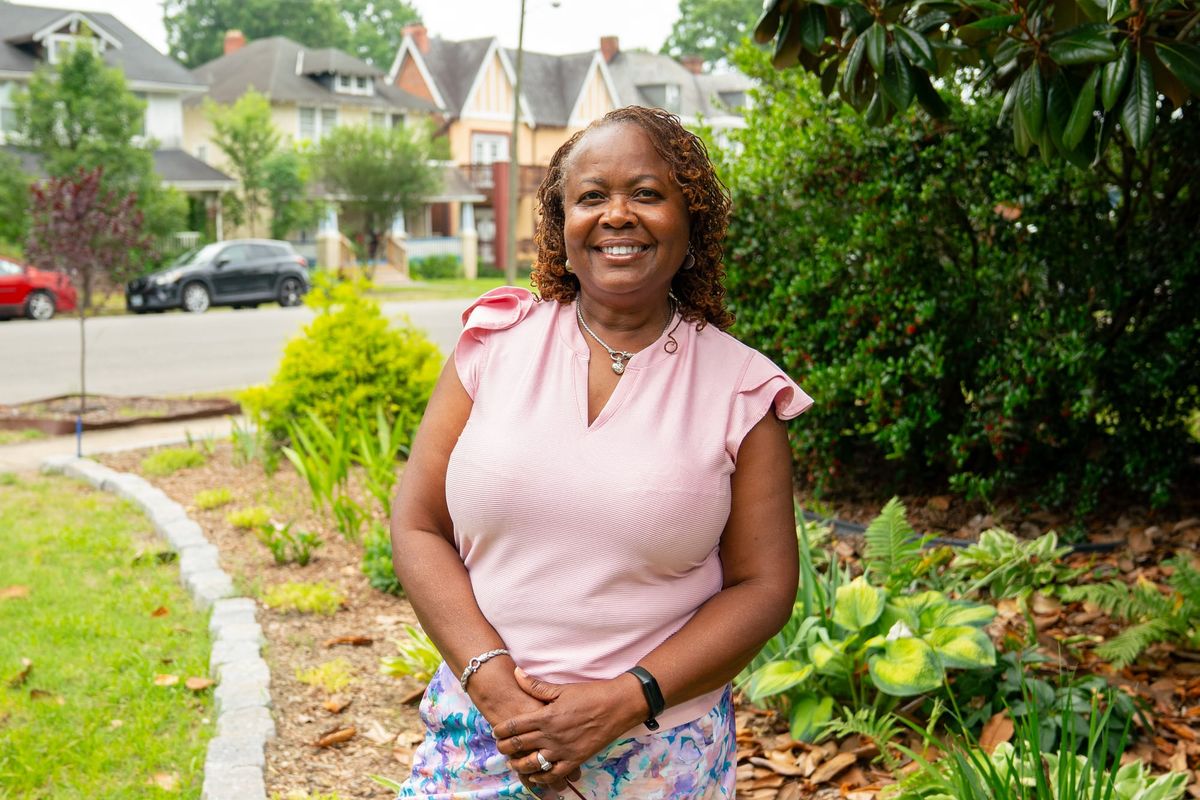
When a national report came out in 1983 deeming the American educational system a failing one, Jackie McDonnough felt inclined to change her career path.
“For me, it said, you should go into education. You had a good education. You enjoyed school,” said McDonnough. “And I wanted my son to live in a world where everybody had an opportunity, not just him.”
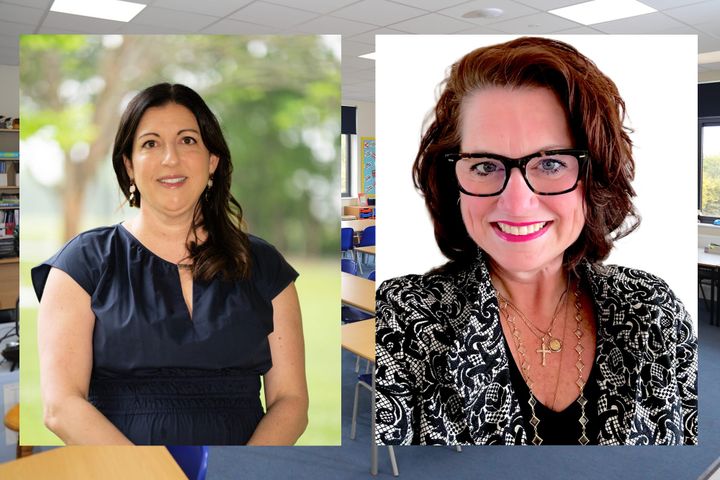
She announced this month that she will be running to fill the 6th District seat on the Richmond School Board in the upcoming special election. She will be vying for the position against Anne Holton, who was chosen by the School Board earlier this year to fill the seat on an interim basis.
Some of the pillars of McDonnough’s campaign are strong collective bargaining and higher pay for teachers, new and improved school facilities, no new charter schools in the division, and no ICE in schools. She also emphasizes the need for better and equal treatment of students across schools.
There’s “this feeling that there's still some things that are not working right for all kids,” she said.
But in an interview with The Richmonder, McDonnough also vocalized skepticism with the school division’s overall operations by asking about the full use of the School Board’s power, whether or not policies can be streamlined and more transparency around the division’s budget.
McDonnough has so far been endorsed by the Richmond Chapter of the Democratic Socialists of America, Richmond For All, and Democratic State Del. Charles Schmidt.
Richmond's 6th District
A career in education
An immigrant from Trinidad, education has been “paramount” in her life, she said. She started teaching in Richmond Public Schools in the 1990s after nine years of teaching in Chesterfield County Public Schools, educating at Chandler Middle School – now known as Community High School – and East End Middle School – which later became Franklin Military Academy.
“I specifically wanted to teach in my neighborhood,” she said. “What that did for me was I got to know the kids. And some of their parents.”
She later left to become the director of science education at the VCU School of Education, where she helped get the first National Science Foundation funded program at the school. The program allowed her to place middle and high school teachers into high-need schools in Richmond and surrounding counties.
That in turn led to the Richmond Teacher Residency program that she also helped start and oversee.
After retiring from VCU, she became more civically engaged by being on the board of directors for the Highland Park Restoration and Preservation Program, and helping Highland Park Quality of Life, a civic association, where she serves on the advisory board.
McDonnough said she knows the 6th District, living and teaching in the Highland Park area for over 40 years.
“I know stuff about this community from the bottom up,” she said. “It's not just the fact that I live here, but people I know live here. My children live here. My nieces and nephews live here. Cousins live here. And their kids are in the schools.”
Student treatment, teacher pay
In her press release, McDonnough shared that she believes that “every student regardless of background, race, or zip code must have access to high quality education.” But while campaigning and speaking with residents, she said not everyone feels that is taking place.
“They need to be able to come up in a world and learn in a school system that works for them.” she said.
On student academics, she said the division has overall made gains in literacy, but added that COVID-19 pandemic impacted Richmond schools’ test scores, which have not reached pre-pandemic levels yet.
 Victoria A. Ifatusin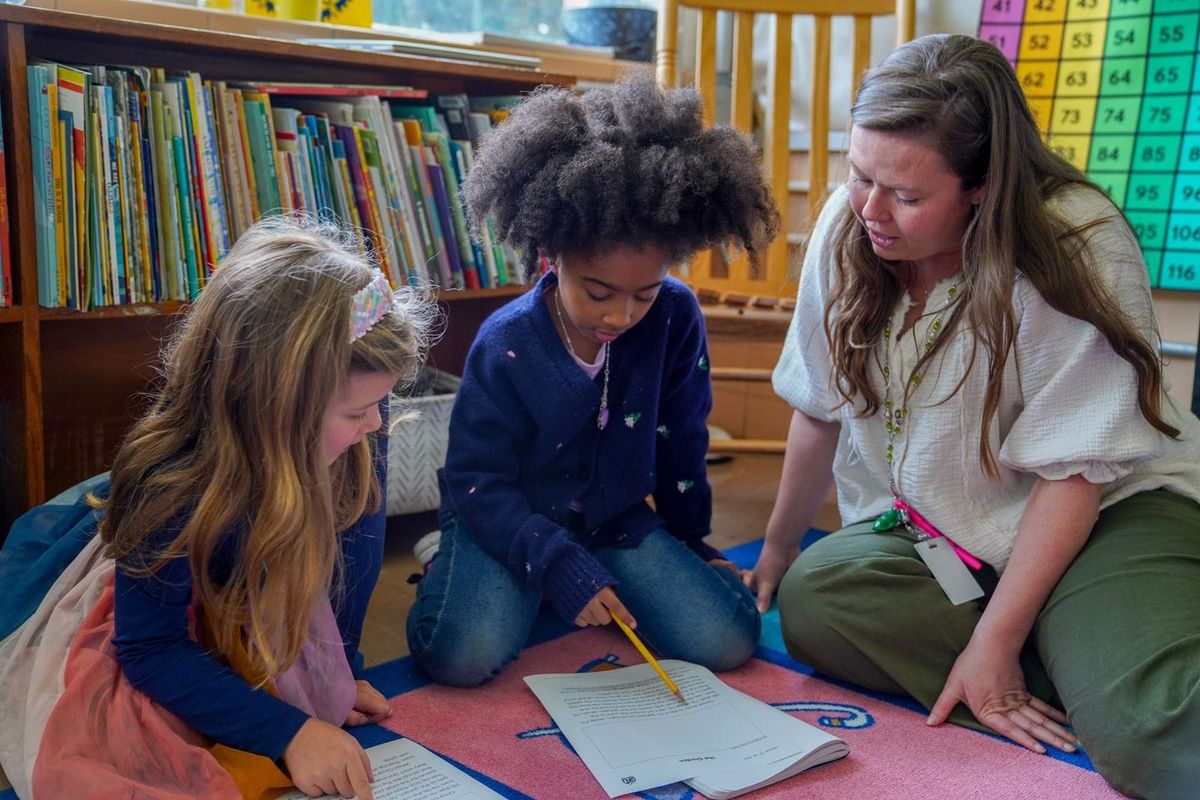
She said the division needs a “solid curriculum,” and should “distill the information” from universities to see how their research can work in Richmond classes. The division should also work to bring teachers with good evaluations from other schools together to help inform how other teachers can effectively teach their classes.
But the division is experiencing a lot of teacher turnover, she said, and is losing highly qualified teachers, especially at a time when the division needs more. As of April, the division was down 93 teachers. The division should work at keeping the teachers through more pay, which can be achieved through collective bargaining, she said. The extra pay should also extend to non-instructional employees too, she added.
“Collective bargaining gives teachers the kind of voice that they’ve never had before,” she said.
However, following the administration’s changes to the process approved by the Board last year, she asked if the procedure is “going to hold” and allow for effective negotiating that could help with more pay. Richmond Education Association – the union representing Richmond educators – recently declared an impasse on negotiations due to a variety of issues, including raises.
Board actions
McDonnough believes that school boards “don’t have that much power,” largely because they cannot levy taxes, and ultimately questioned whether the Board is fully using the power it does have.
“You have power to see what’s going on and to help direct with policy and direct the budget being put together,” she said.
Those policies should be determined and based on research and evidence by looking at what is working in other school divisions, and “doing a deeper dive on some policies that are not working” within Richmond schools.
She pointed to a practice conducted where the School Board grants the Superintendent budget transfer and hiring powers during the summer, calling the practice “unusual.” The Board should have more meetings rather than just the first two days of the month, and she called for the public to have a better understanding of the Board’s role.
“I think it’s part of what democracy is,” she said.
She also suggested the need for a forensic audit into the division’s budget, something the REA has also called for this past budget cycle.
Regarding hiring and staff within RPS, she said that the Board should have access to and look more closely at teacher evaluations, adding that teachers have told her that other colleagues are not held accountable.
When asked about Superintendent Jason Kamras’ handling of the school divisions, she said she does not “know enough to answer that question,” but has been pleased with the people he has hired in science education.
School infrastructure
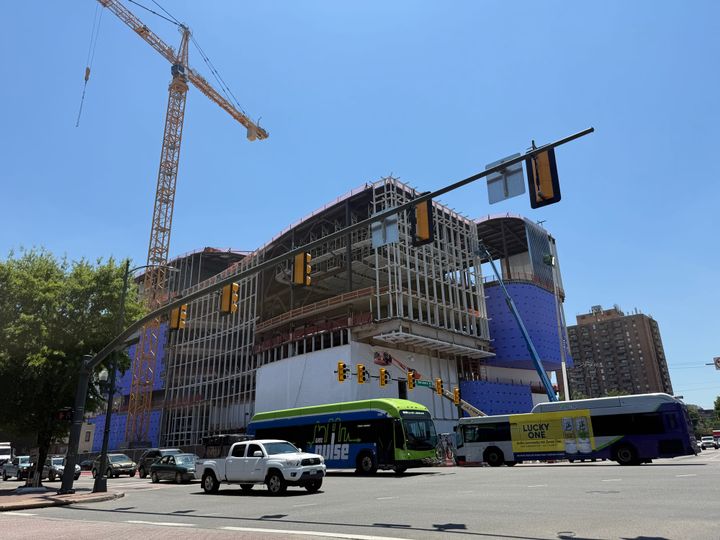
Deteriorating school infrastructure is an issue that has been plaguing Richmond Public Schools, as the average age of a school building in the city is over 80 years old.
 Victoria A. Ifatusin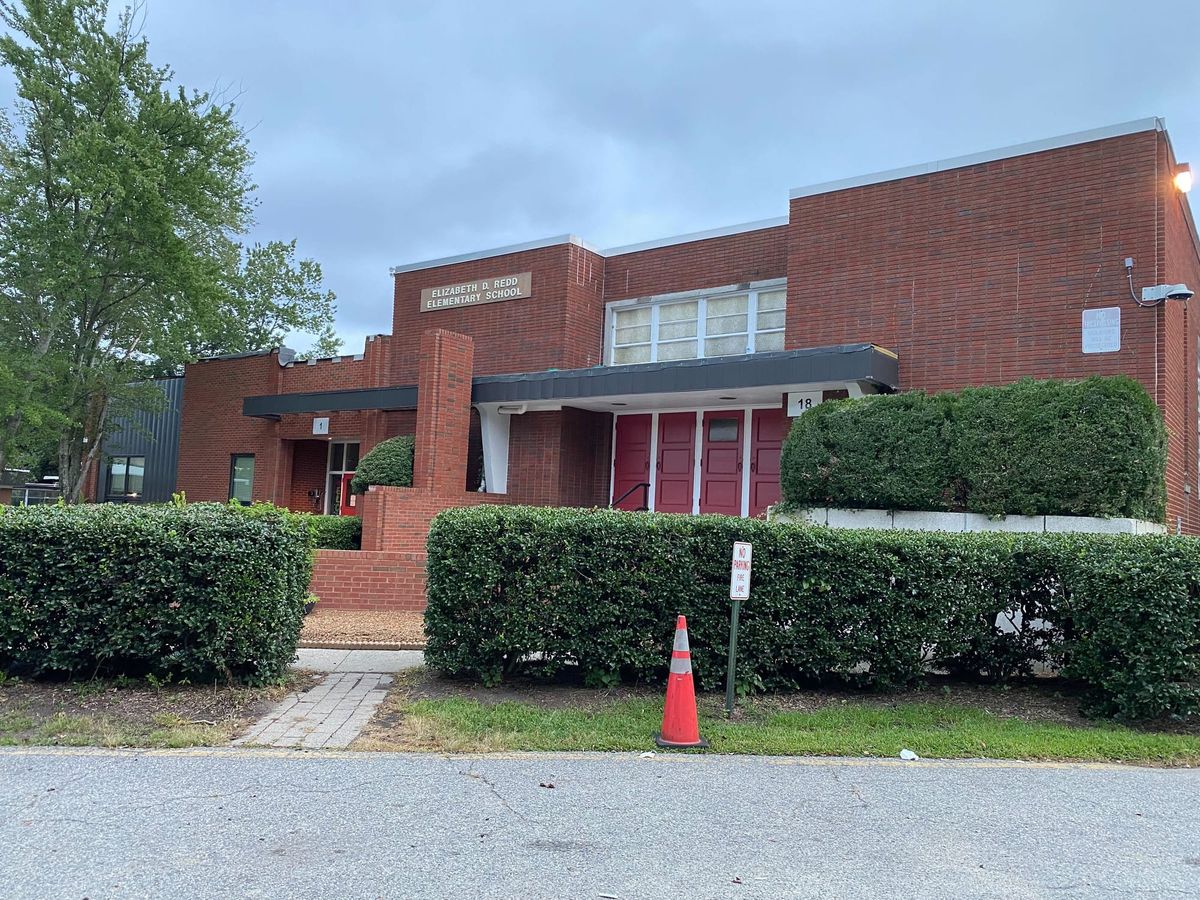
For that reason, McDonnough said there is a need to rebuild schools, not only in the 6th District, but across the Northside broadly.
"Yes, the population is growing on the Southside, but population is also beginning to grow on the Northside," she said.
For years, McDonnough said that she and 6th District City Councilor Ellen Robertson had talked about putting up a new school at Overby Shepherd Elementary, “and that has not happened.”
“We’re putting a lot of money into maintaining very, very old buildings,” she said.
The longtime Highland Park resident is ultimately leaning on her deep understanding of the community and believes that it’ll allow her to effectively represent the district.
“I've lived here a long time. I have more on the ground knowledge in terms of what goes on in schools and how schools are run because I've been in schools,” she said. “And because of my understanding of how we could use research to further some of the goals we have for kids in schools.”
Contact Reporter Victoria A. Ifatusin at vifatusin@richmonder.org