Teachers’ union declares impasse in negotiating with RPS, will head to mediation
The union representing Richmond’s teachers, as well as other support personnel, associates and central office staff, has declared an impasse in negotiations over a new collective bargaining agreement.
In a press release, the Richmond Education Association cited a handful of issues, including raises.
According to the release, Richmond Public Schools has proposed a 2% salary increase for each of the next three school years.
“Two percent adjustments fail to keep pace with inflation, cost-of-living increases, and increases to health insurance rates, resulting in an overall reduction in real wages for RPS employees,” the press release said.
Under new rules adopted earlier this year, after an impasse is declared, the two sides will jointly agree on a mediator, and are required to participate in at least four sessions, which the REA said are scheduled to begin in mid-July.
If no agreement is reached in mediation, each side presents its final offer in writing to the School Board, which will make a determination on any unresolved issues.
RPS spokesperson Alyssa Schwenk said the district will continue to negotiate in good faith.
“In a difficult budget year — which included the layoffs of nearly 50 staff — RPS negotiated in good faith to develop a contract that balances rewarding our hardworking teachers and support staff with our own financial constraints,” she wrote.
“As the stewards of nearly half a billion in taxpayer dollars, RPS strives to be efficient while doing more with less, and to be transparent about how we're spending funds. One area we continue to be transparent about is our limitations: we rely on the City and the Commonwealth for revenue and must be realistic about what we might expect in future fiscal years.
“We would love to meet each and every bargaining request, but we also cannot put ourselves in a situation where commitments to one group of employees may necessitate consequences for another group of employees, should state or local funds not materialize in future years.”
 Victoria A. Ifatusin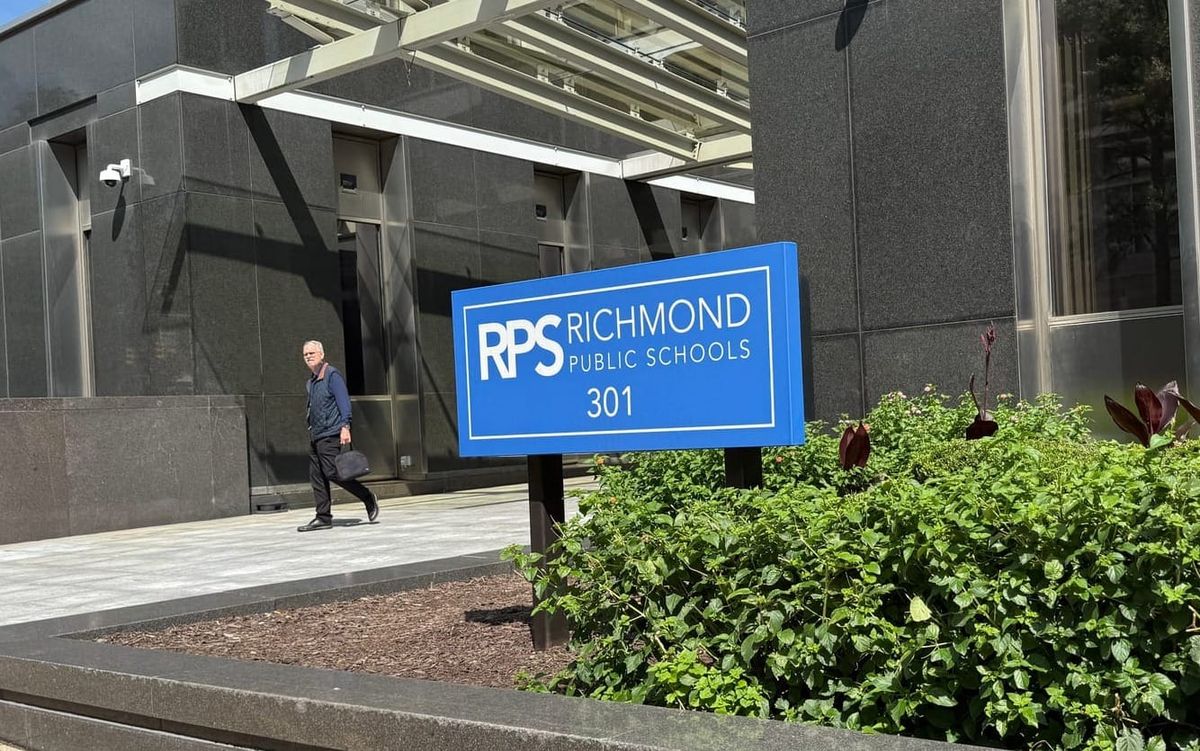
Under Virginia law, any financial commitments made during collective bargaining are only enforceable if the proper funding exists.
Hannah Clayman, who is serving as the lead negotiator for REA, said of the 24 proposals that were made, the two sides were only able to reach an agreement on five of them, meaning 19 proposals will head to mediation.
In 2021, Richmond became the first school district in Virginia to allow its employees to collectively bargain.
Since that time, collective bargaining has been credited with helping to raise the standard of living for RPS employees, with teachers now making more than their counterparts in the surrounding counties.
Those raises have also been cited as producing strain on the yearly budget, with Superintendent Jason Kamras saying earlier this year that collective bargaining obligations accounted for nearly all of the city’s increased spending on schools.
On the whole, the School Board has consistently reaffirmed its commitment to the process.
“It’s a beautiful process. It’s something that most districts are not afforded,” Board Chair Shavonda Fernandez said earlier this year. “There are a lot of districts that will not touch collective bargaining with a 10-foot pole. But we have courageously embraced the process because we believe in the process.”
A General Assembly bill that would have allowed employees in all localities to collectively bargain was vetoed by Gov. Abigail Spanberger earlier this year.
As the latest round of bargaining takes place, though, the union isn’t seeing eye to eye with the district at the moment.
 Victoria A. Ifatusin
In the press release, the REA cited other sticking points, including dedicated workdays for Exceptional Education teachers to complete federal compliance requirements, and the ability to donate paid sick time to colleagues who have used all of their allotted medical leave. (Schwenk said employees can currently donate days to other employees for employee sick leave under specific conditions.)
The press release said that the two sides were able to reach a tentative agreement on building safety, an issue after mold and HVAC issues were reported at the start of the past school year.
Contact Michael Phillips at mphillips@richmonder.org. Reporter Victoria A. Ifatusin contributed to this story. This article has been updated to reflect the positions that REA bargains on behalf of.