Launched to great fanfare, Richmond’s Civilian Review Board is growing restless as its workload remains minimal

After three months and five meetings, the newly formed Richmond Civilian Review Board is unsatisfied.
Since February, the group has reviewed just two cases involving alleged misconduct by Richmond police officers, agreeing with the department’s investigations in both cases. That’s in contrast to the five to 10 cases they were told to expect to review each month.
At a recent May meeting held at the West End Library, board members expressed that dissatisfaction, offering vocal skepticism about how the Richmond Police Department decides which cases it funnels to the board.
“The entity that's being exposed to public scrutiny is deciding whether or not the conduct that they want to put in front of the scrutinizer falls into these categories,” said Board member Evan Feinman, who rattled off several questions about the department’s objectivity.
“If I were asked by any member of council, by the mayor’s staff, by a journalist, by anybody else, I would say, ‘I'm on the Civilian Review Board, and I honestly can't tell you (what’s going on),’” Feinman said. “I don't have any particular insight.”
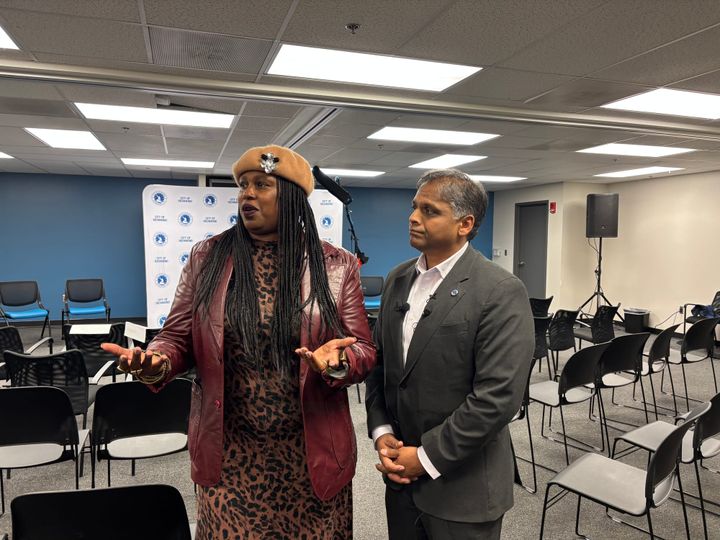
The framework in which the Richmond Civilian Review Board operates is “by far the most common model” across the country, responded Will Pelfrey, a professor at VCU teaching criminal justice who serves as a consultant to the board. There are some locations that operate differently, he added, but it’s a small pool.
Pelfrey was commissioned by Mayor Levar Stoney to suggest how the board should be formed after a City Council task force recommended sweeping powers and authority for the board. The model ultimately adopted was based on Pelfrey’s work.
He added that the low number of cases the board is seeing is actually a good sign.
“You live in a city where those things don't happen all the time. That's a good place to live,” he told members, referring to categories of cases the board is assigned to examine.
RPD feels the same way, calling the low caseload “positive news for both policing in Richmond and the community as a whole.”
“Fewer qualifying cases can reflect fewer circumstances involving serious force, custody-related injuries or citizen appeals requiring that level of review,” the department wrote in a statement. “Even so, the board’s oversight role remains important and valued.”
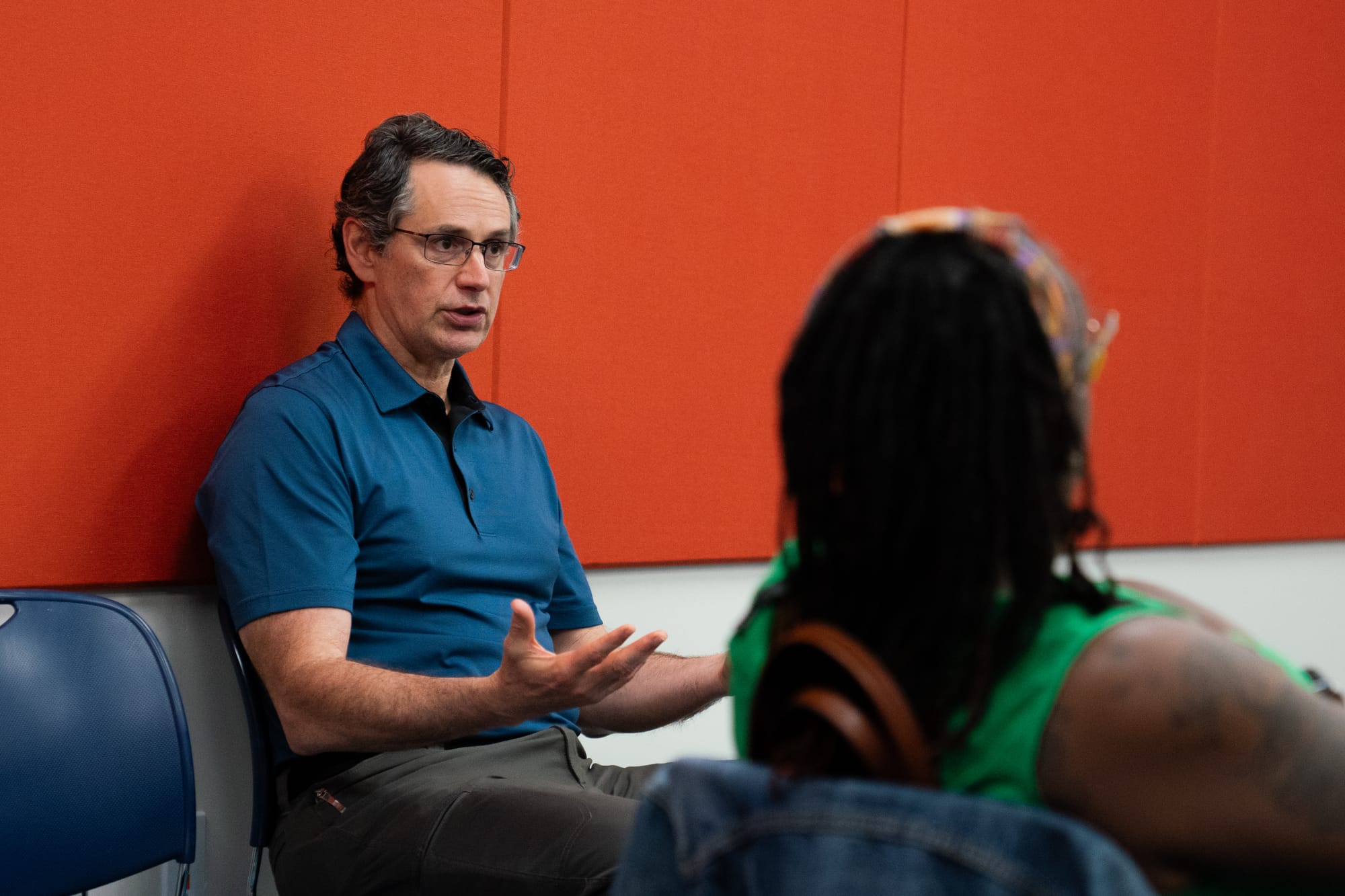
At the same time, Pelfrey acknowledged that the low number also poses the question: “Are there cases that (the police’s Internal Affairs Division) reviews that should come to CRB that are not?”
Under the group’s current standard operating procedures and policies, the Richmond Police Department decides which cases the board can take up, among cases that fall into the specific categories the body is allowed to review – use of force incidents, deaths in custody and officer-involved shootings. Those cases are first investigated by the department’s Internal Affairs Division before they are passed on.
The department said in its statement that the categories of cases reviewed by the board are established in the city’s code, and RPD in turn follows those requirements. Any conversations about potential changes to the group’s authority would “involve City leadership and policymakers.”
RPD “respects the board’s role and welcomes continued dialogue to ensure the process is clearly understood and functions as intended,” the department wrote.
Pelfrey said the anticipated number of cases was based on the average number of internal and external complaints the Richmond Police Department receives a year – which is around 100. Many of those complaints, he said, are usually unfounded.
So far, the board has also agreed with both findings of the internal affairs’ investigation into the two cases the body has reviewed so far. In its latest case, the board agreed with the department’s investigation into a November 2025 incident where two officers were accused of recklessly deploying their tasers onto a suspect who was in handcuffs around an HVAC unit, a flammable object. The suspect was fleeing while officers were attempting to detain him. One of the officers, who is Black, was also accused of using a racial slur against the suspect, who is also Black.
The board did note, however, that it was not aware of any disciplinary action taken against the officers involved.
Board member David Poole asked how the CRB can expand its net to accept more cases, which prompted further questions from the board as to whether it can include issues involving the Sheriff’s Office.
The Sheriff’s Office had three deaths in 2025 occurring at the Richmond City Justice Center. The jail has had seven deaths in custody between 2022 and 2024.
Pelfrey responded that conducting oversight on the Sheriff’s Office is very rare, largely because that group rarely interacts with the public the way police officers do.
 Sarah Vogelsong
The Sheriff’s Office manages courts and jails, services warrants and handles evictions, all actions that make them rarely involved in taking people into custody for a specific reason, he said. While not impossible, doing so would require some level of permission from RPD, as it is in charge of issues cases to the CRB.
“The police department has very little authority or interest in the jails,” he said.
CRB Manager Joseph Lowery added that it would also require another ordinance from City Council, which could take some time.
The board took about five years in total to get up and running, with several controversies and disagreements along the way. Now in operation, Feinman believes more changes to the group’s policies are necessary.
“I don't think any of my fellow CRB members would disagree that we do not believe that the current SOP is well designed for the board to accomplish its mission. Especially if that mission is … let's make sure that the public can have confidence that RPD is doing what it's supposed to be doing,” he said.
Pelfrey had previously predicted that there would be a need for revisions to the CRB’s operations, saying the group’s “first iteration will not be perfect,” as seen in his presentation about his recommendations to City Council back in 2022.
He told board members at the May meeting that their questions and potential revisions need to be posed to RPD.
Issues about transparency were also raised. After the board had approved its findings of the most recent case they reviewed, Lowery told members that the document of the findings won’t be publicly available until the city attorney gives a final stamp of approval, even though the document was discussed at a public meeting.
The pushback was instant.
“The whole purpose of this group is transparency and creating public confidence. Every time we close the door, narrow the aperture, go behind a curtain, we hurt the ability of the body to accomplish that core mission,” Feinman said.
Graham Moomaw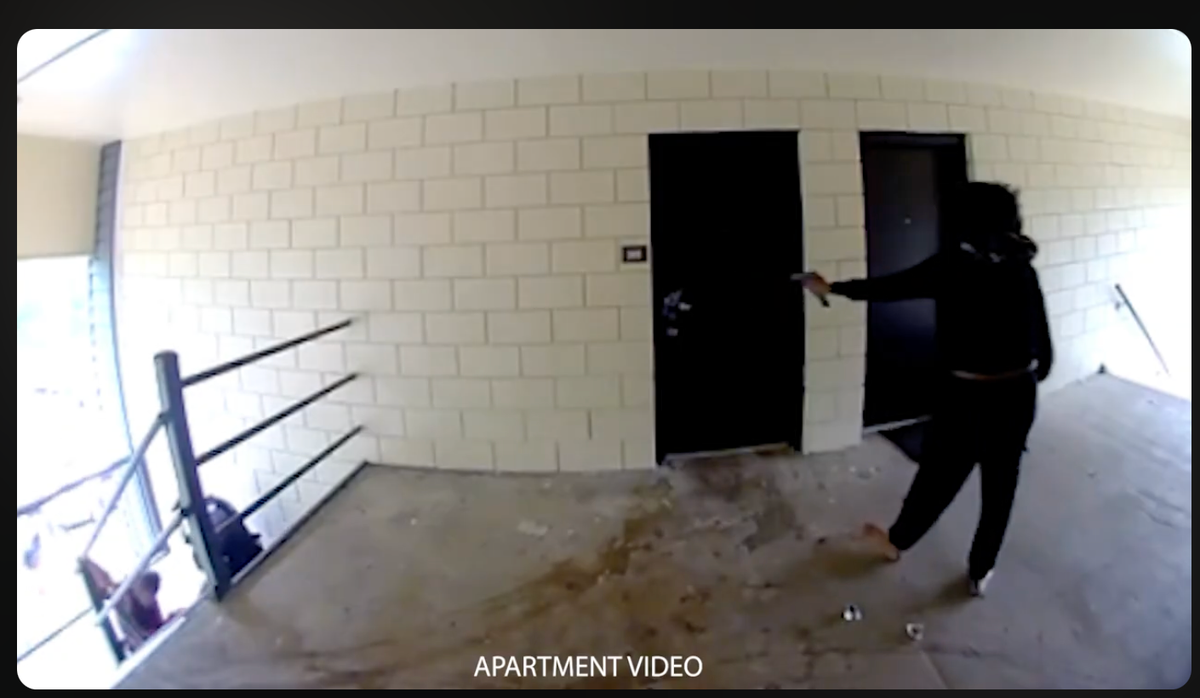
Board Co-Chair Shawn Singleton asked if the city attorney would make changes to the document before it is uploaded online and before she could see them.
“I need assurance as an individual whose name is on what this report is stating, to be ensured that what I said is in this report before it is posted,” she said. “I feel like I need a review of what they have reviewed.”
Feinman suggested asking Lowery to let the board know if any changes have been made so that the body can review it before it is published. To reach some sort of middle ground in the time being, the board decided to read the full report out loud at the meeting.
Despite the overall skepticism from the board, Pelfrey appeared content, happy with the board’s questions.
“These are great questions, and exactly what I would have expected you guys to be asking after a few months of doing this,” he said.
Contact Reporter Victoria A. Ifatusin at vifatusin@richmonder.org. David Poole previously worked as The Richmonder's Founding Development Director, but was not allowed to influence or review this story.