Henrico uses data center taxes to produce affordable housing. Two years in, they’ve helped 108 new homeowners.

Our "Regional Issues" series is sponsored by Virginia Commonwealth University. As a top 20% global university, Virginia Commonwealth University is an unparalleled powerhouse of innovation and creative problem solving. VCU attacks challenges as opportunities. It's truly a university unlike any you’ve ever seen.
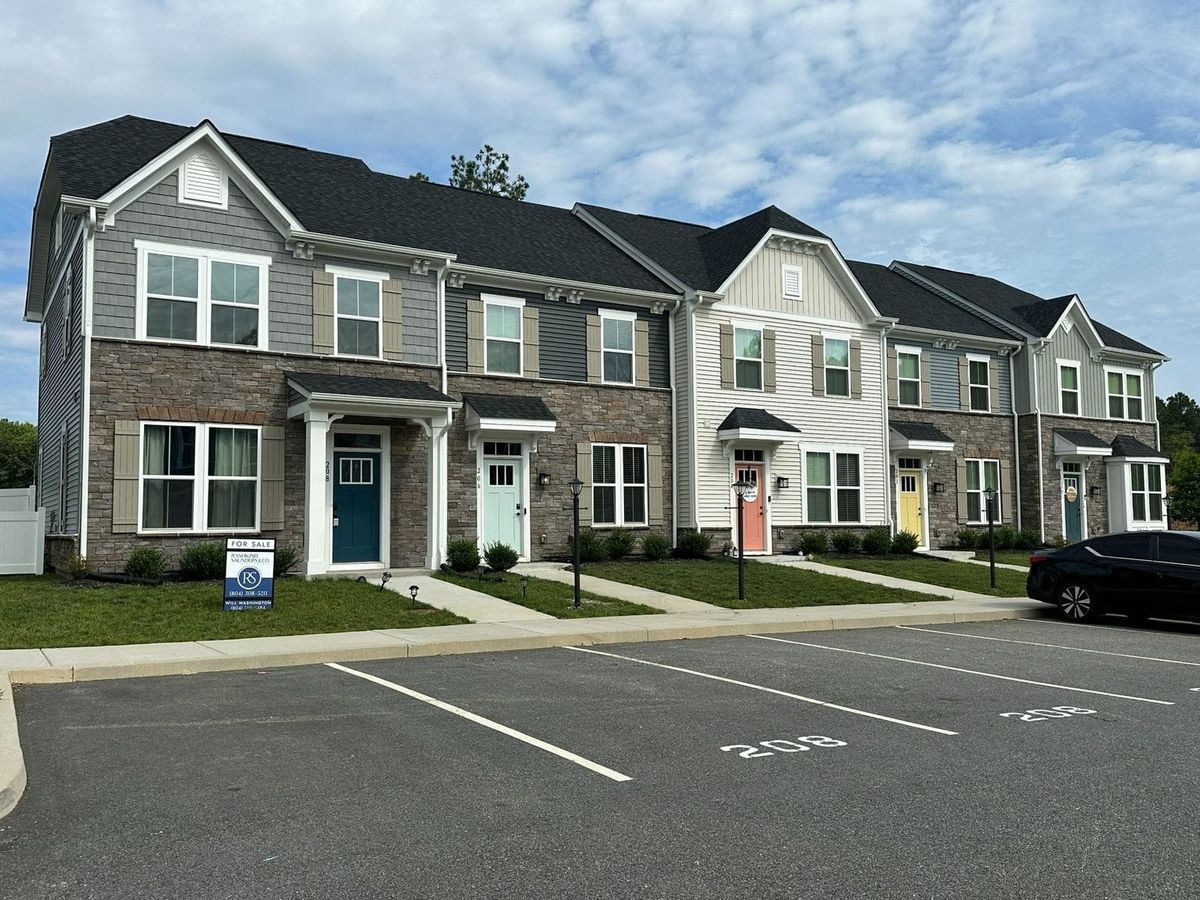
Buying a new home for $269,500 seems too good to be true in this economy, but in Henrico County, new homeowners are helped out by an unorthodox funding stream: the taxes collected on data centers.
The county announced its plan in July 2024, and it earned national attention, including a piece in Time magazine.
As data centers become increasingly controversial, officials have said the goal isn’t to change public perception of the facilities, but to ensure the money is put to good use.
“We wanted to focus on using that revenue for transformative change, and to make our community better overall,” said Henrico Finance Director Sheila Minor. “This fit the right type of outcome we were trying to achieve.”
Housing affordability has become a challenge nationwide, and Minor said the county saw an opportunity to use an unexpected revenue source to address it.
"It benefits everyone if people can live in the communities they serve," she said.
Mayah Davis is one of those beneficiaries, and bought a home through the program. She estimated the program saved her $119,000 on the purchase of her home, allowing her to stop renting ahead of her expected schedule.
She told The Richmonder the process was surprisingly easy, and she hopes more people are able to learn about it – she found out by chance, as she was touring a model home in the neighborhood.
"As I was going in, someone was coming out and told us about it," she said. "I tell people that was my guardian angel."
She added: "It's a great program. Now instead of paying somebody else's mortgage, I'm paying my own."
 Sarah Vogelsong
Early returns
Henrico’s Board of Supervisors committed to running the program for five years, and set the goal of creating 150 affordable homes annually.
Officials tapped the Partnership for Housing Affordability as the trust fund’s administrator. According to Jovan Burton, PHA’s executive director, the nonprofit’s experience, resources and work with other local governments in the region made it “a perfect fit.”
Now two years in, the program has attracted 10 developers, with 532 homes approved and in various stages of construction, and 108 homes that have been closed on.
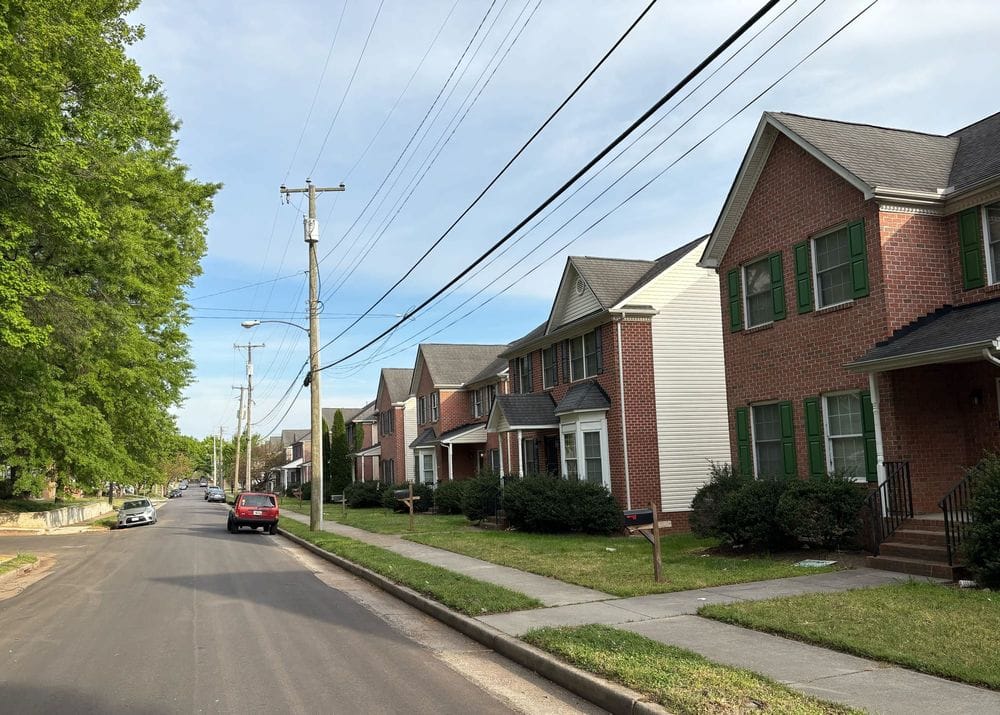
Antinita Marrow is one of those homeowners. According to the county, she purchased a home off New Market Road in the county’s East End for $220,000, including $17,000 toward a down payment. She said she now lives just five minutes from her granddaughters.

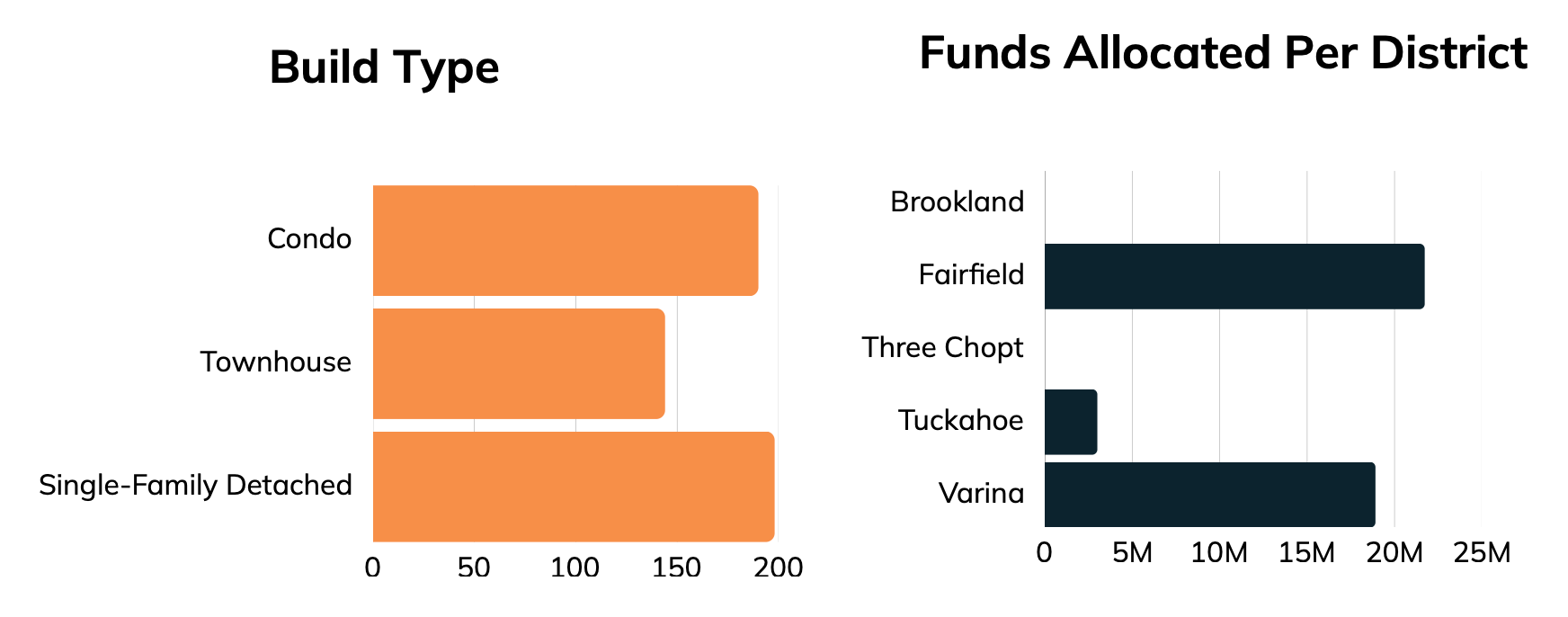
The homes span a mix of housing types and income levels. According to Shelby Carney, PHA’s Special Projects Director, there have been 16 total projects awarded, the majority of which are condos.
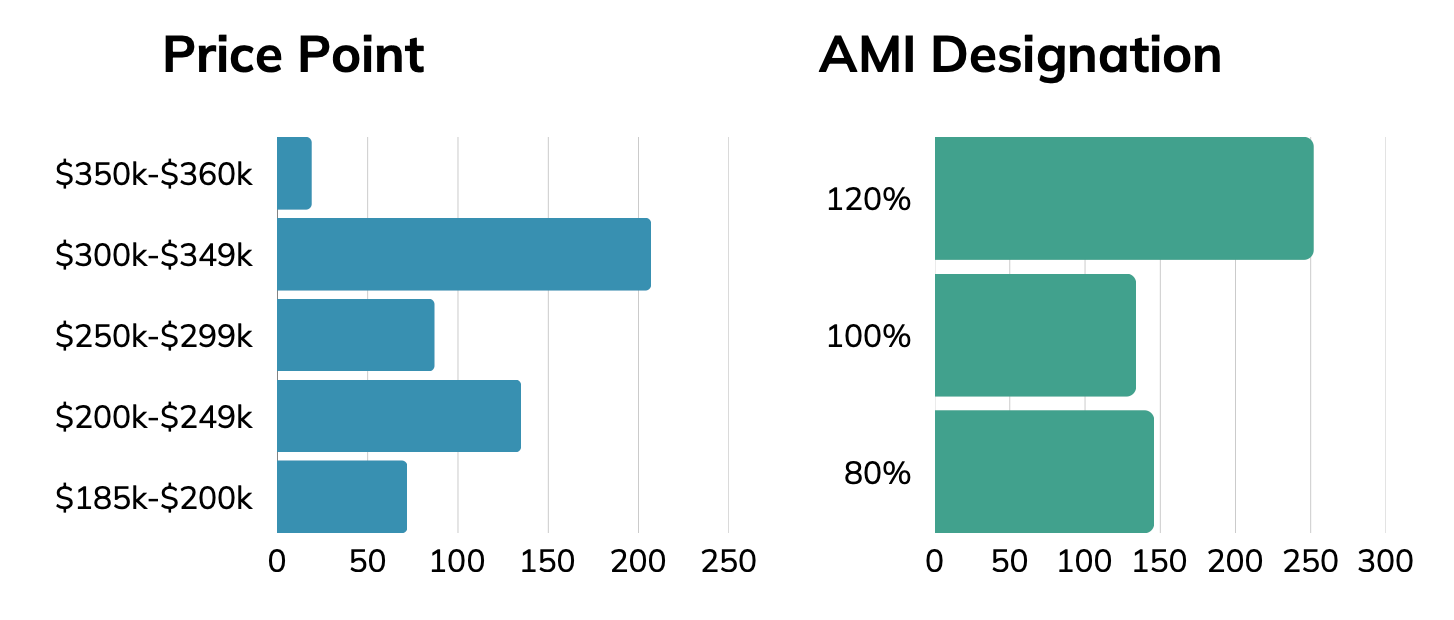
The investment has also produced price points that Burton said would otherwise be difficult to find in Henrico's current housing market. While the county's median new-construction home costs about $480,000, homes funded through the trust have had a median sales price of about $254,000. He said 72 homes have been priced between $185,000 and $200,000, while another 135 are expected to sell for less than $250,000.
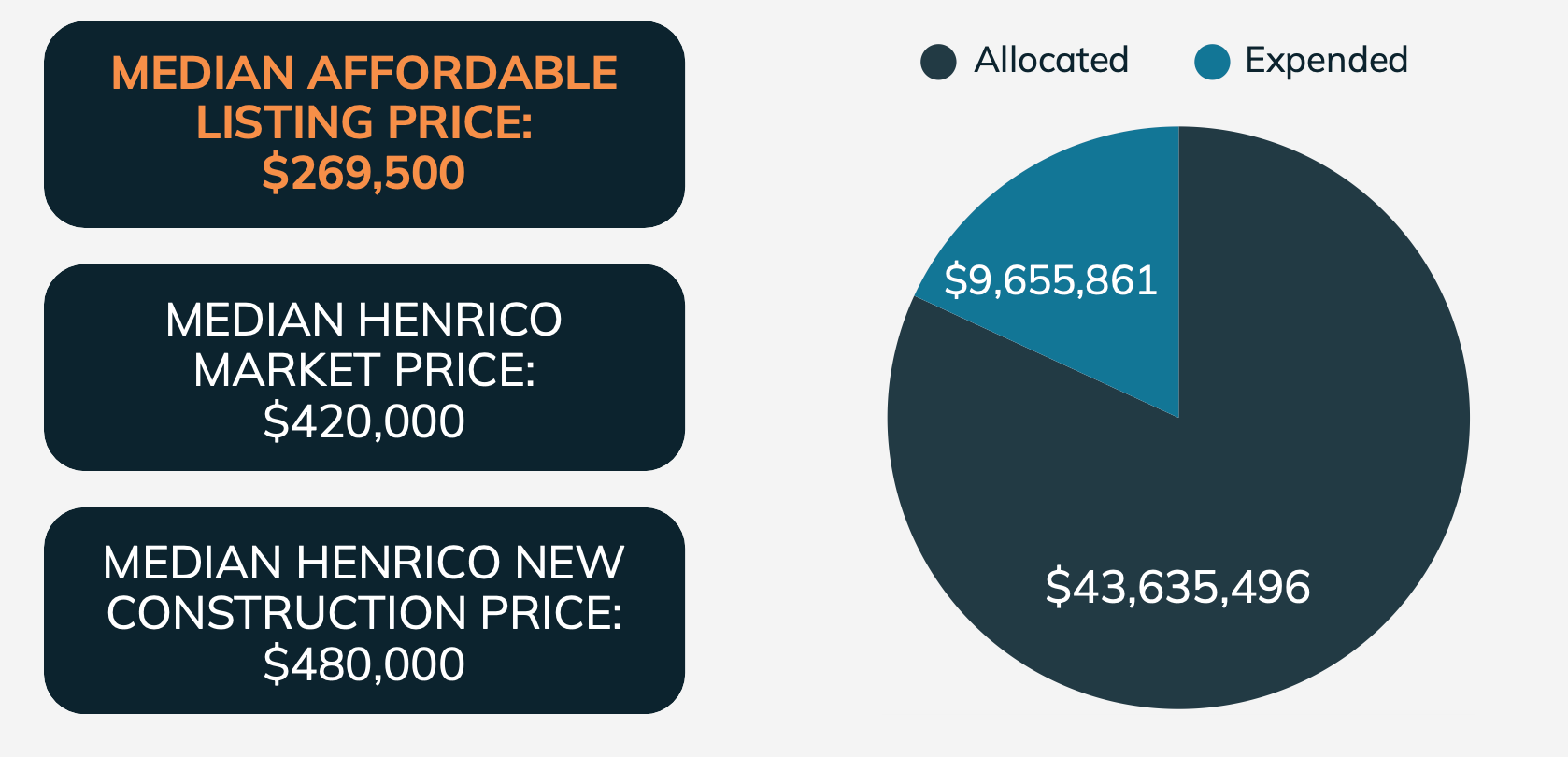
“I kind of joke with our team that to see the price points from a new construction standpoint that we're able to get to in this program, you'd literally have to be someone who can time travel,” he said.
Our "Regional Issues" series is sponsored by Virginia Commonwealth University. VCU is sponsoring this series, but not its content. We are grateful for their support and their commitment to having no editorial control, reflecting our shared belief that journalism should be free from outside influences.
Read the first installment, on homelessness, or the second installment, on parent-teacher associations.
Convincing developers to participate
Since launching, the program has partnered with seven developers along with nonprofit organizations, like Richmond Metropolitan Habitat for Humanity and the Maggie Walker Community Land Trust.
While Burton acknowledged they dealt with the usual growing pains of launching an experimental program, the bigger challenge was earning developers’ confidence in the model.
“Anytime you're introducing something new, particularly in the development space, it can be perceived as ‘added risk’,” he explained. “We had to try to lower some of that skepticism.”
However, once the builders learned the application process wasn’t as cumbersome as they expected and saw how quickly the units sold – oftentimes faster than market-price units – they “came back for more.”
While there are no restrictions on the type of housing – they can be condos, townhomes or single-family detached – the fund is exclusively for homeownership of new construction, not for renting.
One of the program’s biggest incentives is waived construction-related fees – like water and sewer connection, and permit fees – for every affordable unit developers include in their projects.
“It incentivizes builders to include more than just a couple units per project that are affordable,” Burton said.
In order to help developers’ applications be as successful as possible, Burton and other PHA staff have pre-application meetings that are aimed at helping the developers understand what exactly the program is trying to accomplish, what the expectations are and what they can expect.
“A lot of these for-profit builders have never filled out a grant application in their life, so this is entirely new for them,” he said. “Getting them comfortable with that, and getting them to understand…this is not a ‘gotcha’ type of situation. We really want to make sure that people put forward a strong application that the review committee can then deliberate on and make a decision.”
If developers joined early enough in the process, the PHA – who designed and receives all the applications – offered to expedite the plan review timeline, which translated to both time and money saved for developers.
The funding
Henrico’s foray into data centers came out of a missed opportunity.
The Qimonda semiconductor plant, located in the White Oak Technology Park, employed more than 2,000 people locally at its peak, but shut down during the 2009 economic recession.
It turned out that facility was perfect for data center usage, and Quality Technology Services purchased it a year later, kick-starting a data-center gold rush in the county. Helping out is the site’s proximity to major undersea cables that connect internet users in North America and Europe.
 Rachel Kester

In 2017, the county reduced its tax rate on data centers to 40 cents per $100 of assessed value, the lowest in the state at the time, to incentivize development.
With political winds shifting, the county revisited that decision two years ago, increasing it to $2.60 per $100 of assessed value and committing the new money into the affordable housing fund.
As of January 1, the county’s data center real estate was valued at $2.6 billion, leading to about $21.9 million annually in real estate tax revenue, according to Minor.
In Chesterfield, county officials continue to debate how to allocate the tax revenue they expect to receive from a major data center project being built by Google. Richmond does not have any data centers inside its city limits.
 Eleanor Shaw
Application and approval
While the county generally aims to contribute about $80,000 per home, Minor said award amounts vary depending on development costs.
Since the program intends to have units in all five magisterial districts, developments in higher-priced areas will need more assistance in order to be affordable.
An example of this would be the five homes at Discovery Ridge that received a total of $560,000 – averaging to $112,000 each – in award money.
According to numbers provided by Carney, award amounts have ranged from $25,000 per unit to $108,289 per unit.
Every application is reviewed by a committee composed of county staff and PHA board members with experience in the development industry.
Once a development is approved and receives an award notice, the county and PHA monitor the committed units to ensure compliance for both the construction and the property sale.
For developers, this means starting construction within 12 months of being awarded, which Burton said is to prevent money getting tied up in projects that sit undeveloped for years.
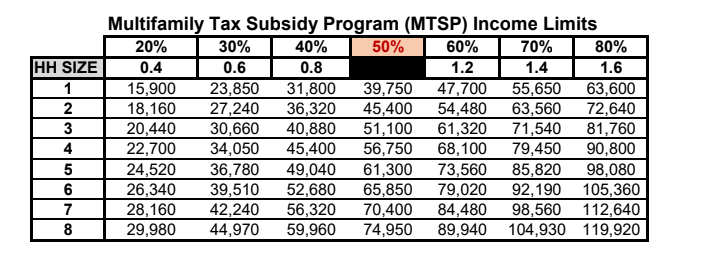
On the sales side, buyers must verify they’re a qualified first-time homebuyer whose income falls within the guidelines.
Of the 472 units, 146 have been reserved for households earning up to 80% of the Area Median Income (AMI).
The U.S. Department of Housing and Urban Development doesn’t assign an AMI to every single city or county. Instead, it calculates AMIs for broader geographic areas that then apply to all of the jurisdictions within that area.
For 2025-26, HUD set the area median income for the Richmond area at $113,500, with the amount fluctuating based on how large the household is.
Restrictions on flipping affordable houses
The PHA says the program is reaching the workforce it was designed to serve.
More than half of homebuyers are current Henrico residents, while many work in public service, education and health care, which the county identified as key targets when they launched the program.
Buyers have included employees from Henrico and Richmond Public Schools, Dominion Energy, and the Virginia Department of Motor Vehicles.
Scott Anderson is a sales and marketing representative for Ryan Homes’ affordable units – 17 condos and 18 townhomes – in Sandston, who said he’s never encountered a program like this before in the 11 years he’s worked in real estate.
“You have people who would’ve been in Shockoe Bottom, renting for five or six years,” he said. “Now, they have a more permanent option.”
All units come with a mandatory 10-year affordability. If a homebuyer has to leave before the 10 years are up, the property can only be sold to another eligible first-time homebuyer to prevent flipping and preserve access to affordable housing. However, developers have the option to choose between the 10-year affordability model or affordability in perpetuity, which requires partnering with the land trust. The land trust’s affordability period is 99 years, and Habitat for Humanity’s is 30 years.
“If you're a part of the land trust model, that means the home is affordable in perpetuity, because the land price is backed out of the final sales price and the value of the home,” Burton explained. “If someone decides to sell, and they're in a land trust home, then the land value is backed out of that future sales price, and that next buyer gets to reap the benefits of having it be at a reduced rate compared to the units around them.”
Developer HHHunt opted for this model for their 25 Parkside Townes units in Sandston.
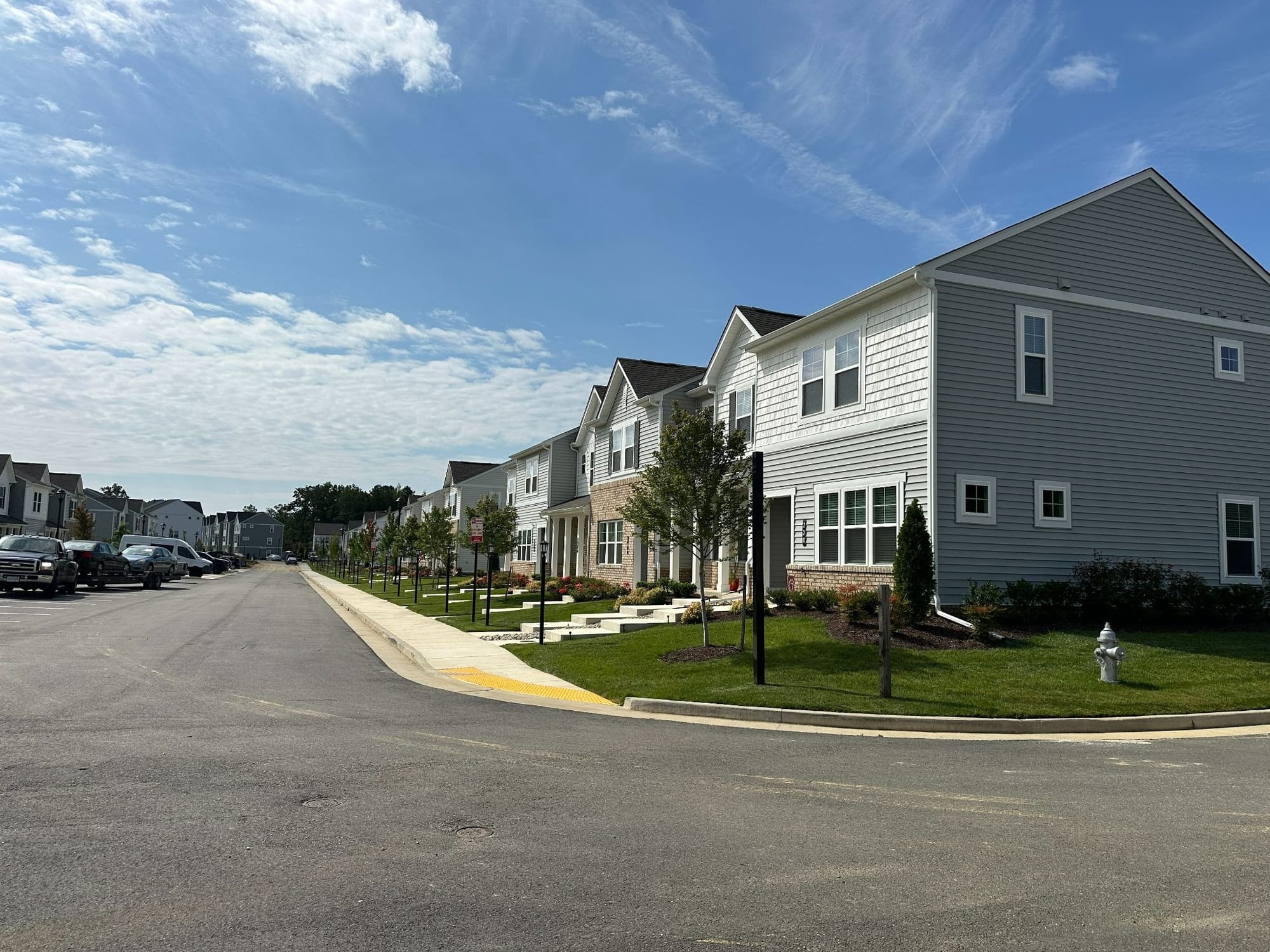
Beyond creating affordability in perpetuity, working with the land trust also gives developers – especially those who may be unfamiliar with verifying buyer eligibility and income certification – a trusted nonprofit partner in the community to rely on.
If a homebuyer owns and lives in a unit with the 10-year model, once the deed period passes, they can sell it, which Eric Leabough, Henrico's director of Community Revitalization, noted is designed to help with the program’s wealth-building goal.
Going forward
Henrico’s Board of Supervisors will ultimately have to decide whether to continue the program past its five-year initial commitment.
An independent economic analysis commissioned by the PHA projected that if the program reaches its goal of 750 affordable units in five years, it would generate more than $6.3 million in local tax revenue, create more than 1,700 local jobs and yield over $365 million in local economic output.
However, as Burton and Leabough noted, the fund’s impact stretches beyond the financial.
“They can invest in things like, you know, more extracurricular activities for their kids, or they have more discretionary income to put back into the local economy,” Burton said. “Thinking about the benefits beyond just the traditional numbers, I think it's important to know with any housing program, but especially this one.”
Editor Michael Phillips contributed to this story. Email news@richmonder.org with questions or feedback.
Series sponsor:

Here’s how VCU’s RVA Eviction Lab helps Virginia tenants
In 2018, researchers revealed that five Virginia cities had some of the nation’s highest eviction rates, and a VCU lab jumped in to study the problem. Headed by associate professor Ben Teresa, the RVA Eviction Lab’s research has backed a variety of reforms for tenants in Richmond and statewide.
Its ongoing work also directly supports the $10 million Virginia Eviction Reduction Program, providing essential legal aid and emergency rent relief to tenants across Virginia. The program served 1,835 households in 2025, with over 90% of recipients remaining housed.