Parent-teacher associations are more important than ever, leaving the schools without them further behind

Our "Regional Issues" series is sponsored by Virginia Commonwealth University. As a top 20% global university, Virginia Commonwealth University is an unparalleled powerhouse of innovation and creative problem solving. VCU attacks challenges as opportunities. It's truly a university unlike any you’ve ever seen.
For more than 20 years, the playground at Mary Munford Elementary School has not only served its students, but also members of the public.
Students dangle from gymnastic rings or run after classmates in playful games of tag both during and after school hours. Adjacent to the park are two sets of pickleball courts where grown-ups can work on their underhand serves.
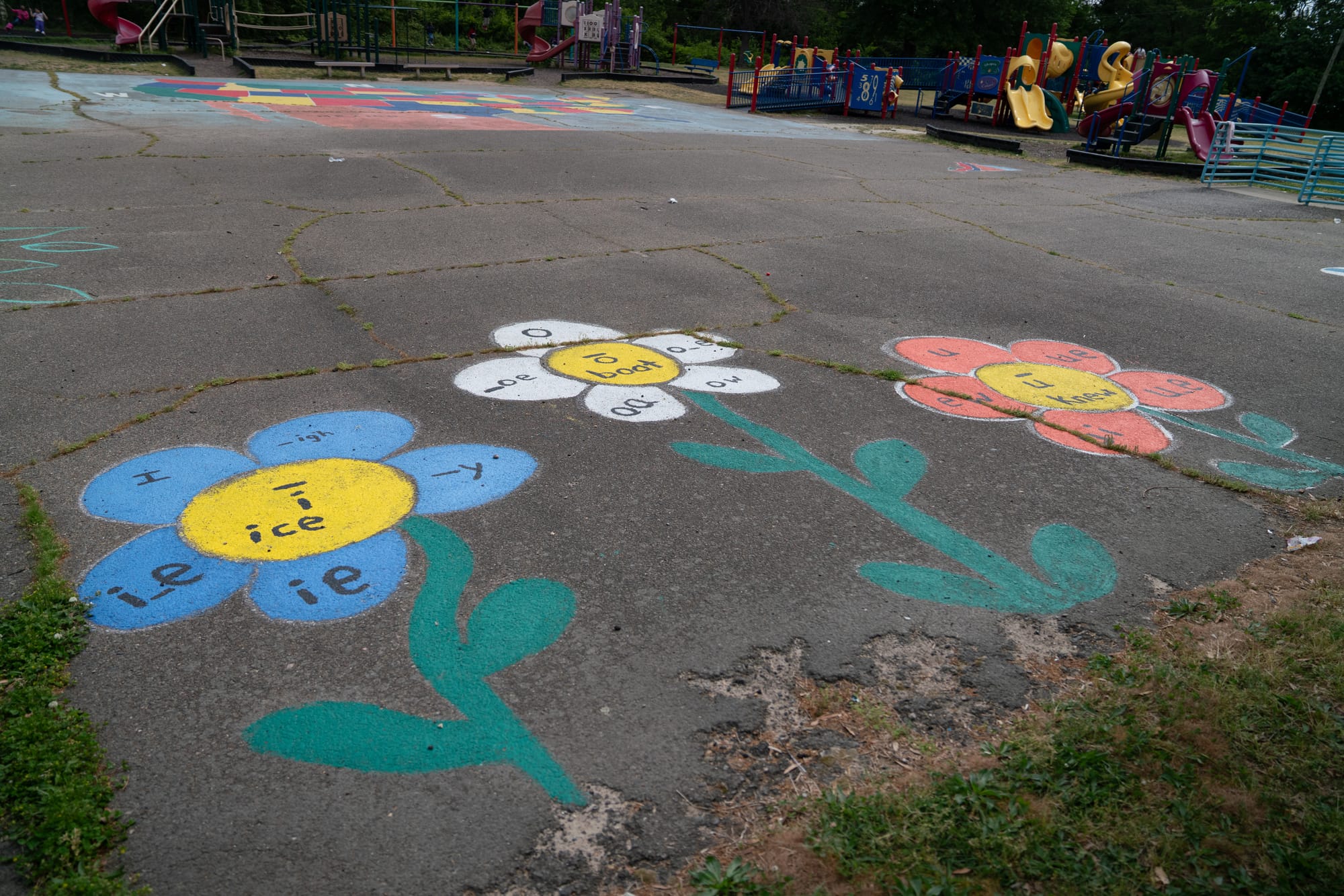
But just across the river is a playground at another Richmond elementary school that’s much smaller and in need of repairs. At Swansboro Elementary, a large wooden plank covers what was supposed to be a crawl space that connects to a slide. Black spray-painted graffiti covers most of the plank, and a swing is missing from a four-piece swingset.
Part of the difference? The existence of a parent-teacher association.
Mary Munford’s PTA helped pay for the school’s playground years ago, and its members routinely help take care of it. According to tax records, the school’s PTA raised nearly $268,000 last year. That goes toward programs for sports, robotics, theater and reading nights for students.
Swansboro Elementary does not have any parent-led organization. In a survey sent in 2025, the school’s principal said parents indicated that “work/life obligations will not allow them to consistently participate in a parent organization.”
Perhaps unsurprisingly, PTA involvement correlates directly with income levels across the city, with majority-Black schools the ones often left behind.
A push to add more PTAs across the district is finding that even at majority-Black schools, it is wealthier, often-white parents who end up doing the bulk of the work.
“It sort of started off as a feel-good organization that morphed into a strange, almost cool kids club kind of thing,” said Adam Birce at Southampton Elementary. “Like, weirdly exclusionary.”
Shifts in PTA participation are reflective of the overall changing demographics in the city. For years, Richmond was a historically and predominantly Black city. However, the city’s Black voting age population fell from 51.5% in 2000 to 38% in 2020, according to U.S. Census data.
It’s something parents recognize at Barack Obama Elementary.
“I think a lot of the parents that are on the PTO are transplants to the community,” said Nick Bacon, a parent member and auction committee chair at the school. “We may not be the total representation of the Barack Obama Elementary school.”
The school recently reemerged as a PTO shortly after the pandemic, after years of having a PTA that was “rather small and not very active,” said school principal Jacqueline Drye.
“However, during the past 2-3 years, our parents have shown an incredible interest in joining the PTO and having an active role in the life of the school,” she wrote in an email, adding that she “happily embraces the revival” of the school’s PTO, “as new families move into the area and existing families welcome children into kindergarten.”

That lack of full representation in turn leads to only hearing from specific voices, parents said, which may not always meet the needs of every student. And for some parents, it can feel exclusive and deter families from joining or doing more.
Our "Regional Issues" series is sponsored by Virginia Commonwealth University. VCU is sponsoring this series, but not its content. We are grateful for their support and their commitment to having no editorial control, reflecting our shared belief that journalism should be free from outside influences.
The need for PTAs
Parent-teacher groups have become a backbone for schools across the country partly because of rising inequality and public school funding struggles, said Genevieve Siegel-Hawley, a VCU professor specializing in race, education and inequality in American schools. RPS specifically has made numerous budget cuts for the upcoming school year, citing lack of funding particularly from the state.
“In a perfect world, we wouldn’t need PTAs because we would be fully committing to making sure our public schools have the resources needed,” Siegel-Hawley said.
The PTA at William Fox Elementary in the Fan is known for hosting its Strawberry Street Festival, a yearly public fundraiser that went toward a nearly $213,000 budget for the past school year.
But efforts like that can only work for the schools where parents can devote some time, money and knowledge to start, sources told The Richmonder.
“We have dedicated parents that have more capacity and financial resources, so there’s a lot of dedicated people,” said Carra Rose, parent and member of the PTA at Linwood Holton Elementary School.
Holton’s PTA money, like Fox’s, goes toward school supplies, field trips, extracurricular activities for students like art, dance, choir and theater, and gatherings that encourage family engagement.
“You get a situation where some schools have kids going on field trips three or four times a year and others never go at all,” Siegel-Hawley said.
The latter was the case at George W. Carver Elementary near Jackson Ward, where former school principal Teresa Anderson told The Richmonder she learned that students had not gone on any field trips in the last five years before joining the school in 2023. The school also currently does not have any extracurricular activities for students. Carver Elementary currently does not have a PTA.
The disparity exacerbates already existing inequalities, Siegel-Hawley noted, like student achievement gaps and hard-to-staff schools.
PTA vs. PTO: What’s in a name?
A Parent Teacher Association is a trademarked term, a formal organization composed of parents, teachers and staff that help support and improve schools. The National Parent Teacher Association requires membership fees and compliance to its laws.
Parent-teacher organizations are nearly the same, but they are independently run and set their own bylaws and goals.
Parent Teacher Student Associations, which require student participation and are more commonly seen at the middle and high school level, are also nationally organized.
Ultimately, all must be operated as nonprofits.
Sharing the love (and money)
Parents across the board expressed the need for more collaboration between new, less experienced parent groups and well established and funded ones, which is beginning to happen across the city.
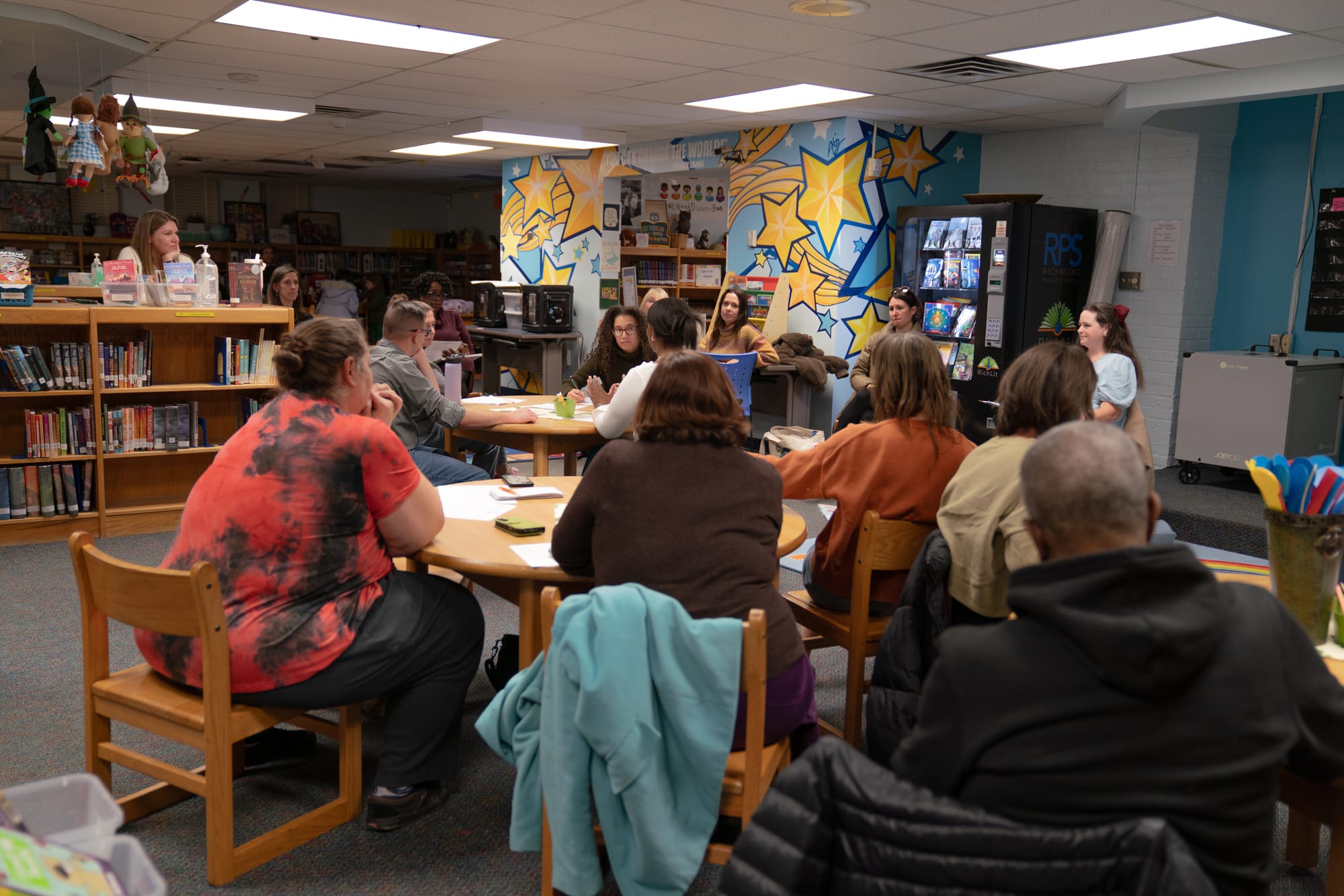
Parents at Barack Obama Elementary had that opportunity, specifically through their first ever “Baracktion” which took place last year. Bacon, who oversaw the auction, and PTO president Mallery Carter Hicks met with parents at the neighboring Holton Elementary School, which has had years of experience running successful auctions.
“We talked to Holton quite often,” Hicks said. “We were asking them questions and they were very willing to text back and give us advice.”
Holton’s PTA shared a list of 75 businesses in the neighborhood that had previously donated to the school. Obama’s PTO in turn contacted about 200 businesses, including the ones provided by Holton, and learned that many of the companies had donation systems in place.
The PTO ran Baracktion for the first two weeks in October last year, with the goal of raising $10,000. They raised $13,075, which has gone toward immediate and long-term needs parents and teachers have identified in the school, like classroom rugs, DIY STEM kits that teaches coding, and enrichment programs that can help with chronic absenteeism.
“It’s important for communities that have resources to figure out ways to share them with communities that don’t, and that can be true within our school community and externally across RPS,” Bacon said.
Tameka Leftwich, the PTSA president at Franklin Military Academy, said that she has extended assistance to Boushall Middle to help start theirs.
“I think it’s just about reaching out and saying, ‘Hey I would like to help because I do understand the importance of having a PTA,’” she said. “It doesn’t cost much.”
Richmond has a PTA Council, as part of the National Parent Teacher Association, aimed to support local PTAs.
The Richmond PTA Council has been defunct for some time, but parents told The Richmonder that the group is working to get up and running again. The group could specifically help oversee mentorship and collaboration between schools’ parent groups, and become a sort of umbrella where all parent groups in the city can connect.
As of August, the council recently announced Anna Mason as its new president, a former co-chair of the Superintendent’s Parent Advisory Council.
Siegel-Hawley, the VCU professor, said that PTA budgets vary from school to school and should be more transparent to “make the case for some sort of redistribution,” another potential solution that can help start and keep PTAs running.
“These schools that have raised so much, what would it look like if they took 10% of their budget and put it into a city wide pot that was then redistributed, so that every school had a minimum PTA budget?” she said. “All schools deserve to have teachers who feel appreciated. All kids deserve to go on field trips.”
She referred to efforts made in public schools in Ann Arbor, Michigan, where its school division’s PTO Council piloted a district-wide fundraiser in 2023 that served as an “equity fund” for students at Title I elementary schools. Similar efforts and equity funds have been made by groups in Portland, Oregon and Evanston, Illinois.
Nearly all parents interviewed for the story called for a similar thing – creating a pot where PTAs that are able can pour some funds, budgeted or fundraised, into that can be distributed to less funded PTAs. That pot could also be overseen by the Richmond PTA Council.
“I think there should be more of a communal approach. So if you fundraise, it gets put into one big pot and then distributed to all of those schools,” said Rose of Holton Elementary. “And that would be more equitable.”
“Imagine what Richmond would be like if all of the PTAs were connected, and the money went into a collective pot,” said former Fox Elementary Principal Daniela Jacobs. “There’s some schools who raise a modest amount and there’s some who raise none. So what if it were all connected?”
Jacobs, who had served at the school for over 20 years, said that Fox’s PTA has previously budgeted money to help start up PTAs, including one at Fairfield Court Elementary in the city’s East End. Fairfield, however, does not currently have a PTA.
But supporters of the idea said it would take a “mindset shift” from parents at other schools to be open to the idea.
“There’s still gonna be, ‘Well, we raised this money, I want this here. I want to keep it all to myself,’” Jacobs said.
The PTA at Mary Munford has lived out that goal by passing on resources and funds to Albert Middle and Thomas Jefferson High, both schools in the 1st District, understanding that students often graduate into those schools when they leave Munford, Board Member Matthew Percival (1st District) said.
Neighborhood and alumni associations have also helped fill some of the gaps a PTA would have. For example, the Swansboro West Civic Association is planning to develop a neighborhood park that would fix Swansboro Elementary’s playground.
Thomas Jefferson High School does have a PTA, but the school also has an alumni group that recently helped give a deep clean to the exterior of the school building.
When asked, parents said the RPS administrators could also step in to help with the creation of more PTAs. As part of the division’s strategic plan dubbed “Dreams4RPS,” the division aims to increase the number of PTAs across the division.
The Richmond Ed Fund, a nonprofit that raises money for RPS, has also committed to helping new PTAs. It said it would provide $1,000 that can go toward starting fees like insurance and membership dues.
Finding parent volunteers
The most common reason parents and administrators noted as a difficulty in starting and operating a school supporting group is getting parents and keeping them engaged.
Parents told The Richmonder that the individuals they try to target for recruiting into their PTA or PTO are often too busy or resource-strapped to get involved, especially in schools that mainly serve low income families.
Whether parent groups are independent or overseen by the national group, they must deal with bureaucracy, such as taxes and insurance which can feel daunting for parents who are new to the effort.
Even for members already involved, stepping up to take on more administrative responsibilities or bigger tasks like hosting fundraisers, overseeing programs or doing the outreach itself can also be daunting.
“I don’t want to run a nonprofit,” said Tonia Emanuel, a parent at Southampton Elementary on Southside. “I have my own job. Running that soccer program is like a job.” Emanuel started a soccer program at the school that she had to limit registration because it became overwhelming to oversee the high number of students.
The difficulty of engaging parents and keeping them involved is also apparently an issue seen at the schools with thriving and well-funded PTAs, according to two School Board members.
Percival (1st District) and Katie Ricard (2nd District) said they experienced the same difficulty when they served as presidents of Mary Munford and Fox elementary schools’ parent groups, respectively.
“The most affluent neighborhoods that have nannies or whatever stereotype you wanna think of, and the stay at home mom in pearls and heels – they're not showing up either,” Percival said in an interview.
But schools like Mary Munford and Fox have been up and running for years. Built into that history is access to knowledge and resources that can be easily passed onto new incoming parent members so that the burden of continuing the group's efforts is not taxing and rather doable.
So for the schools that are completely new to PTAs, have had inactive ones or don’t have any at all, many parents shared they feel like they are starting from scratch or don’t know where to start at all, causing a PTA at such a school to dismantle before it can get off the ground.
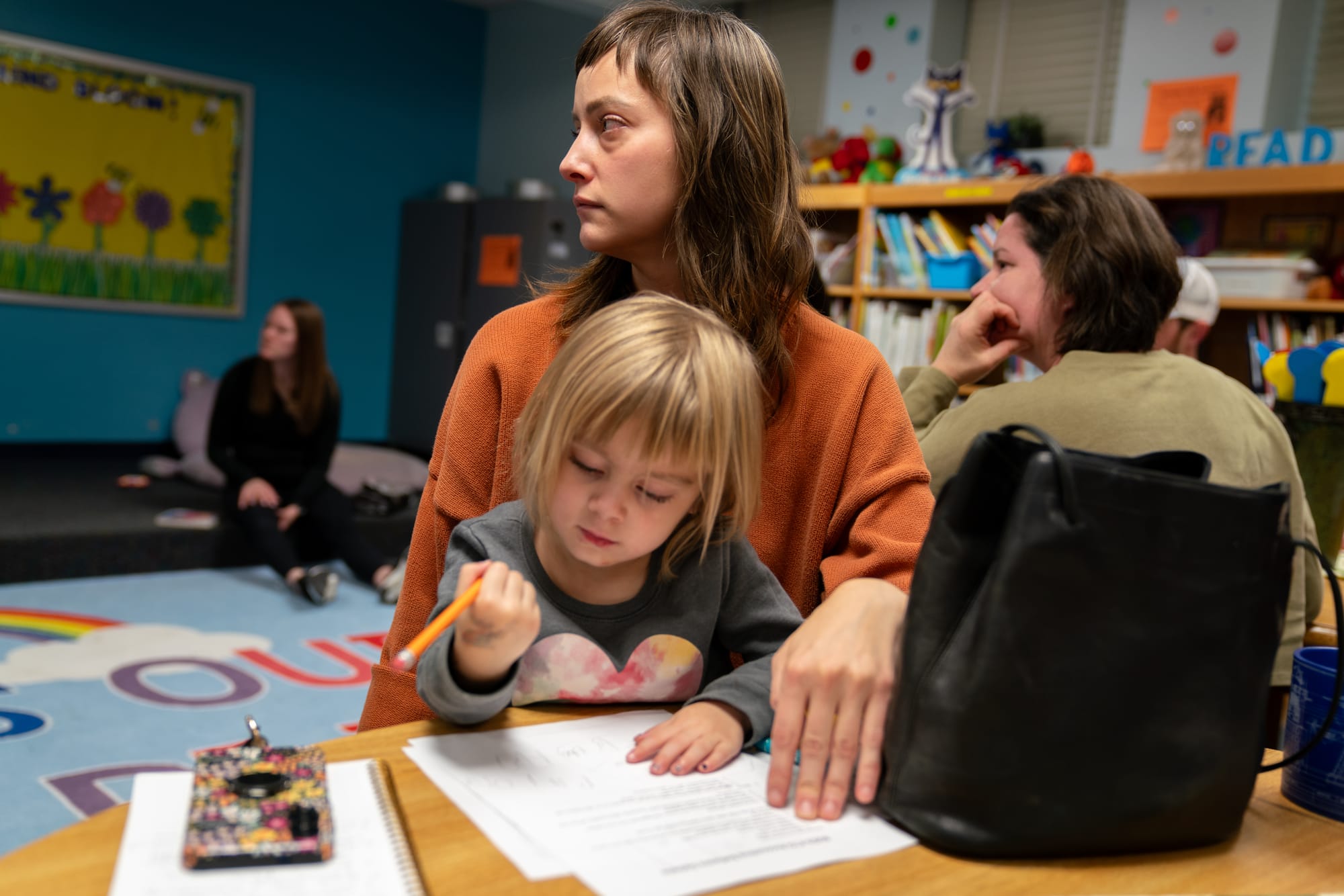
When schools opened up again following the COVID-19 pandemic, new parents at Southampton Elementary learned that while there was a PTA at the school previously, it wasn’t really an active one. One parent, who asked not to be named, said that any information from the previous PTA – logins to social media accounts, bank account information – was never passed on to current members.
She noted that the area the school is in was also annexed from Chesterfield County in 1970. Parents at the time no longer wanted to send their kid to what would become a Richmond public school. That led parents to take their kids out and send them to private school.
“The families here have continued to do that,” one parent said. “The parents with resources and knowledge are not here. There’s some, but there could be more.”
 Richmonder Staff
The census tract encompassing the school has an average income of $106,371, but it’s a stark difference to the students actually being served – nearly 70% of students at Southampton are economically disadvantaged.
“I think some people might assume, ‘Oh, the school is in a nice neighborhood. They don’t need any resources.’ They don’t understand the kids that are being served here,” the parent said.
In addition to the difficulty of getting parent engagement, PTA members and administrators also told The Richmonder that they struggle with finding ways to communicate with family members. Anderson of Carver Elementary said that parents are sometimes changing their phone numbers so often that texts may not be an efficient way to get in contact with families.
At Southampton, Emanuel said she has suggested multiple ways to communicate with families, including creating a template for a newsletter to be sent through email and put in the red folders students go home with. But she and Birce say it has largely fallen on deaf ears.
“There are still probably dozens of families at the school that probably don’t even know that the PTA exists,” said Birce.
‘PTAs fill the gap’
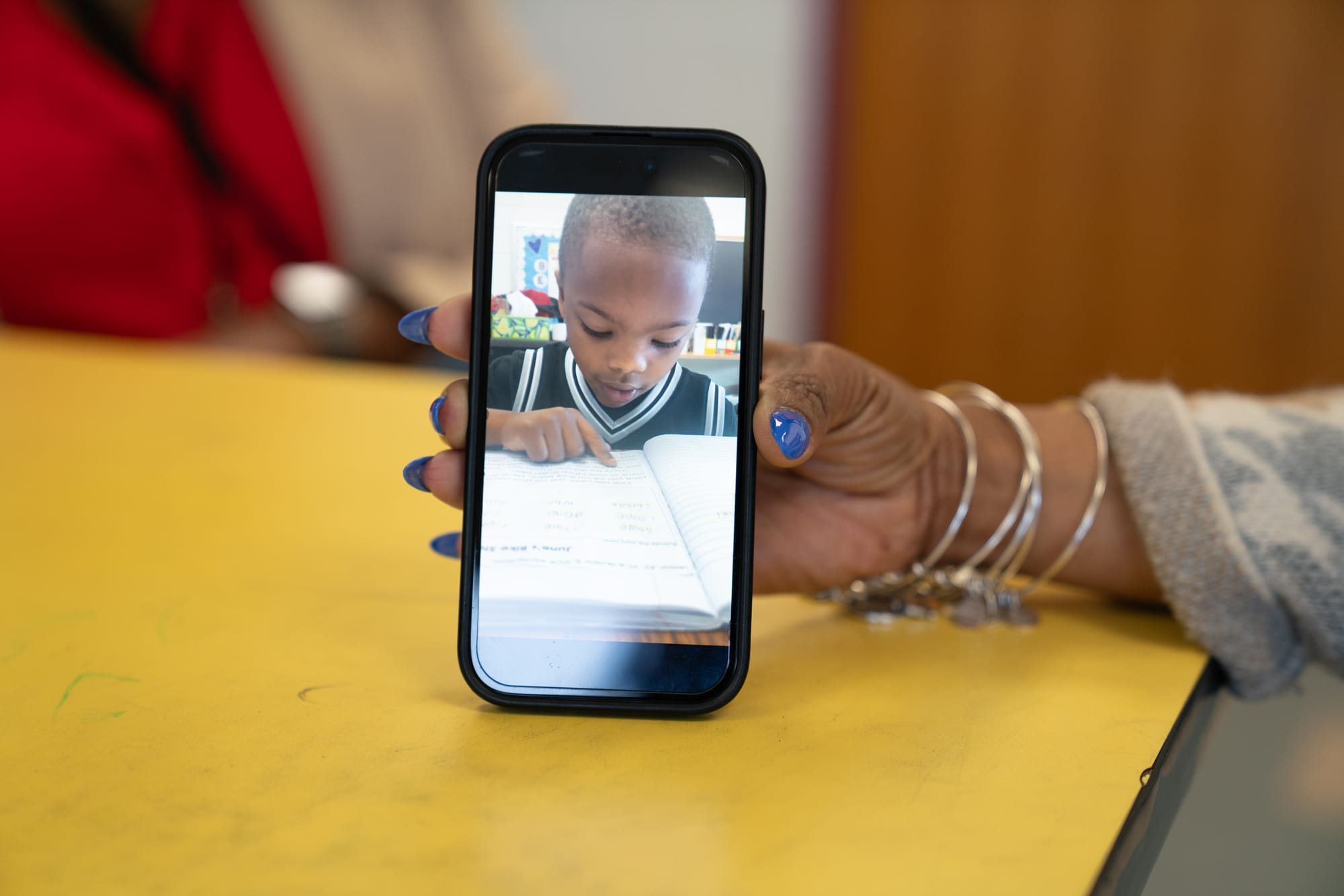
Many parents told The Richmonder that they joined their school’s parent group to better understand what was happening within the school, saying that the communications they sometimes receive from the division level are not enough.
“I came in the first year to like, ‘What in the world is this world of RPS and PTAs?’” said Hayley Morris, PTA president of Westover Hills Elementary. “I really started as a way to orient myself to learn about the needs of RPS and the needs of Westover Hills, and I think that’s the vibe of most of our parents on the PTA.”
The PTA had a budgeted income of nearly $32,000 for the 2025-2026 school year, and started that year with over $13,000 in the bank.
Understanding Westover Hills’ needs – which includes chronic absenteeism and improvement to school property – allows parents to better cater resources to those priorities, Morris said. For example, the school once had what Morris called an unsafe ramp that restricted the movement of a student using a wheelchair. The PTA stepped in and “strongly advocated” on behalf of the student to get an updated ramp, allowing the student to freely move and play with friends during recess.
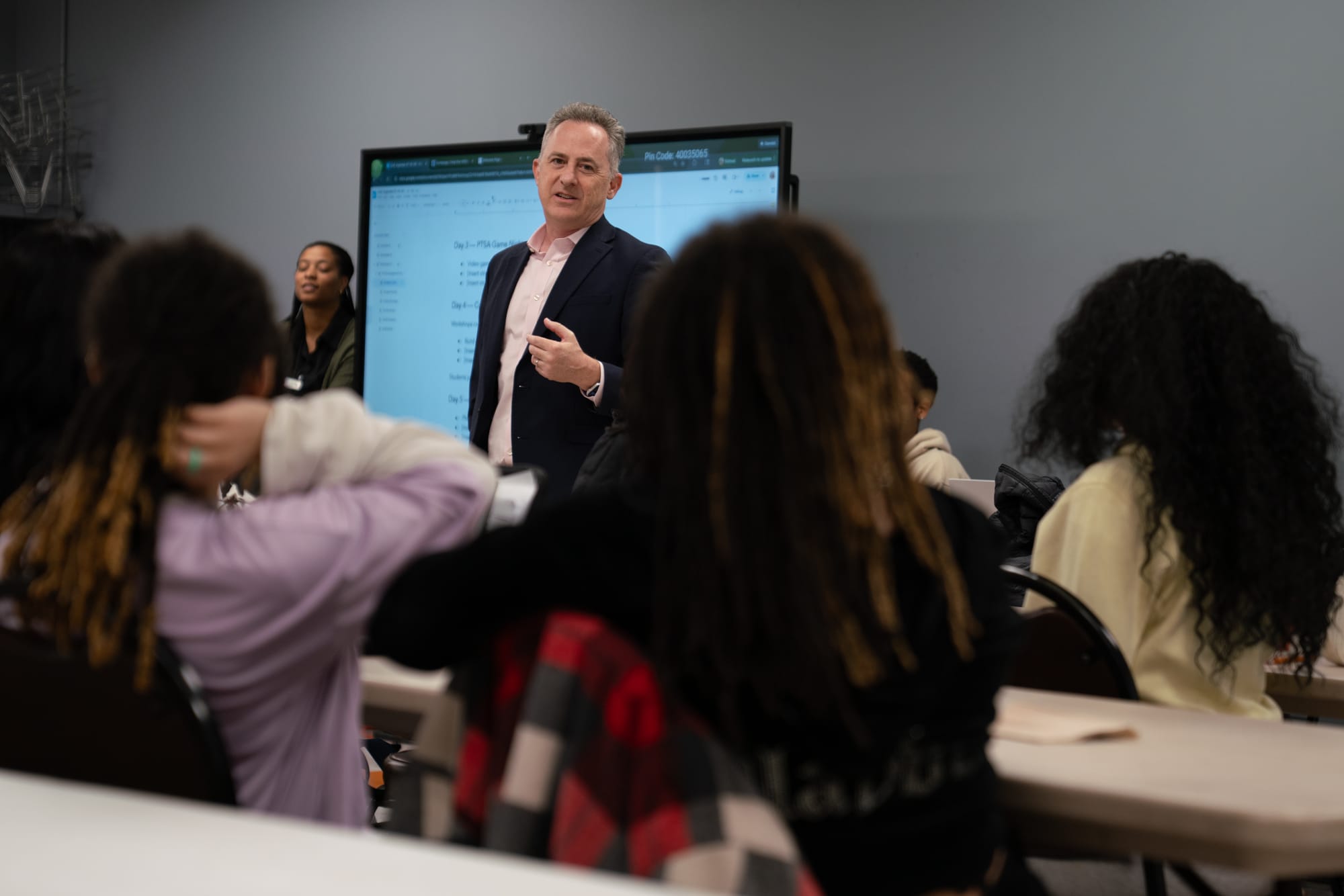
At Franklin Military Academy, Leftwich said that seniors interested in higher education participate in college tours that require an excursion fee. But during the past school year, about five students had financial constraints limiting their ability to go.
“We calculated how much that will cost. I brought it to the Board. We looked at our treasury and we were able to pay for those five students,” including their transportation and meals, she said.
At Barack Obama Elementary, the school’s PTO has ensured teacher and administrator participation during meetings. It gives school staff direct communication with parents to give additional insight on fundraisers that may effectively engage more families, what supplies and equipment teachers need and what’s happening directly in classrooms.
Alex Amirato, a kindergarten teacher at the school, told parents at a December meeting that the division previously provided $150 through Amazon to teachers every year to spend on classroom supplies, but it stopped years ago. The PTO has stepped in since then, and even getting the supplies has been faster than when it was previously done through the division.
“Our community does a good job of getting the pencils and sending an extra pack of pencils for a student who needs it. I see that so often with the parents in my class,” she said.
Parents have also shown their appreciation for teachers, voluntarily filling the staff breakroom with coffee and snacks to get through the day, said recently retired second grade teacher Amy Thurston. The group celebrates teachers on the first Friday the month a teacher has a birthday with a cake from a local bakery.
“This group now is out of this world, unbelievable,” Thurston said. “They really take care of us.”
PTAs can also step in during times of emergencies, either for students, their families or staff. Tisha Erby, president of the PTSA at Richmond High School for the Arts, said that Broad Rock Elementary’s PTA helped teachers and families through some traumatic times, while she was still a member.
PTAs availability determines school achievability, inequity, data shows
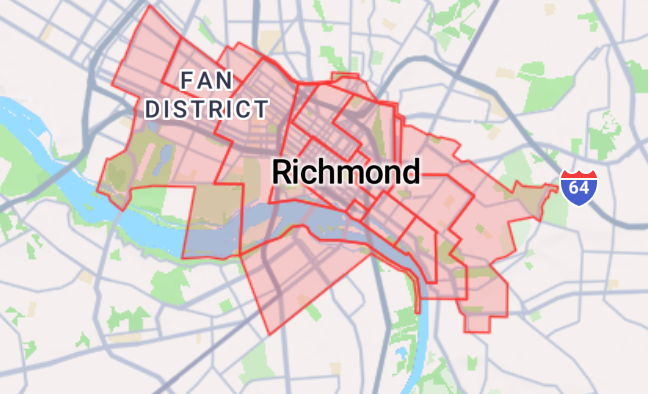
More than half of public schools in Richmond have an active parent organization, and a majority of those schools, understandably, reside in neighborhoods with some of the highest annual family incomes in the city. Those schools also are among the highest academically achieving, well-staffed and most attended schools.
The schools without serve predominantly lower-income students, Black or Hispanic students and are somewhat concentrated south of the river.
Some schools in the division are beating the odds, like Franklin Military, which resides in the city’s East End in a census tract where families earn about $61,000 annually. While not operating at the same financial power as some of the well-funded schools, Franklin has an active PTSA in a school that also has high academics in reading and math, and nearly half of the student body is disadvantaged.
Some schools are also currently in the process of creating or reviving a parent organization, like Overby-Sheppard Elementary, Lucille M. Brown and Thomas C. Boushall middle schools.
Parent groups can help provide funds for additional academic support, whether that’s paying for additional instructors or tutors that can help students during or after the school day. But for the schools that don’t have a PTA to do that, it can “really exacerbate learning inequalities,” Siegel-Hawley said.
Miles J. Jones Elementary – which doesn’t have a PTA – had a 37% pass rate in recent SOL reading exams and a 46% pass rate in math exams. According to the Virginia Department of Education, the school had a 23% vacancy rate – 8 unfilled teacher positions out of 35 – during this past school year. About 22% of students were also chronically absent at the school during the 2025-2026 school year, according the VDOE.
Compare that to Lois Harrison-Jones Elementary, which has an active PTA. About 74% of students passed reading tests and 83% passed math. The school was also completely staffed with teachers during this past school year, and about 7% of students were chronically absent the school year before.
There were also more disadvantaged students attending Blackwell last school year, with 78%, compared to LHJ's 42%.
The finding is not unique to the city’s schools. In studies published in 2019 and 2022, researchers found similar trends in North Carolina’s and Illinois’ public schools.
“Our analyses suggest PTAs form in a wide variety of school contexts, but high-revenue PTAs form primarily in affluent, predominantly white schools. Students in schools with active PTAs enjoy relatively strong achievement growth compared to their peers in schools without active PTAs,” researchers wrote in the 2019 study.
They continued: “PTAs may thus create meaningful advantages for the children they serve. At the same time, they may potentially undermine efforts to equalize educational opportunities by exacerbating the disadvantages that poor students and resource-strapped schools face.”
Emanuel helped start and manage the soccer program at Southampton that is overseen by the PTA. But while successful, Emanuel and Birce – another PTA member – admit that it's not enough to fully meet all of the needs of the school, which they and other parents largely identify as students’ academic and behavioral issues.
“We’re already split thin,” Birce said.
The community can get involved too
For the last two years, the Kiwanis Club of Richmond has been involved with Carver Elementary. While the school does not have a PTA, the Kiwanis Club has somewhat stepped in to fill their needs – specifically in early reading intervention.
The club raises $100,000 that goes directly to the school’s early reading interventionist, Diane Johnson, fully covering her salary and benefits, none of which is funded by the school division. It’s similar to how Holton Elementary PTA pays for a full time garden instructor who runs the garden program at the school.
The club has also provided roughly $5,000 to $15,000 a year to the school for at least the last 10 years to help pay for white boards, books, reading rugs and benches.
Johnson said that the school has a high population of students with high needs, often coming from homes where education may not have been a priority and “they don’t hear words pronounced correctly at their house.”
“And so when they get to school, we have to kind of break those habits. It's almost like teaching kids that English is their second language,” she said.
So, “Carver really benefits from having extra hands to help kids.”
Bob Rodgers, captain of volunteers for the club, said that he and other volunteers, including Ricard, come into the school to read to students, which Principal Anderson said has helped with relationship building between the students and volunteers.
Ultimately, a PTA would still be beneficial within Carver, Anderson and Ricard mentioned, but the help the Kiwanis Club has provided has been tremendous in the meantime.
“This also shows how community organizations can also really step up and fill the role of a PTA in maybe a school when parents don't have the capacity to be as engaged,” said Ricard.
Contact Reporter Victoria A. Ifatusin at vifatusin@richmonder.org
Series sponsor:

VCU teacher residency program leads the way for preparing educators
Since 2011, Virginia Commonwealth University’s RTR Teacher Residency program has trained 450-plus educators for high-needs schools in Richmond and across Virginia in 29 districts. Residents are paired with veteran mentors for hands-on classroom experiences while earning their VCU degree, gaining the real-world skills to succeed from day one. In exchange, graduates commit to teaching three years in partner school districts. Now a national model for teacher residency programs, RTR is strengthening public education and creating a sustainable pipeline of dedicated educators throughout Richmond and beyond.