Danny Avula is hosting his mayoral counterparts this week. This is where he took them
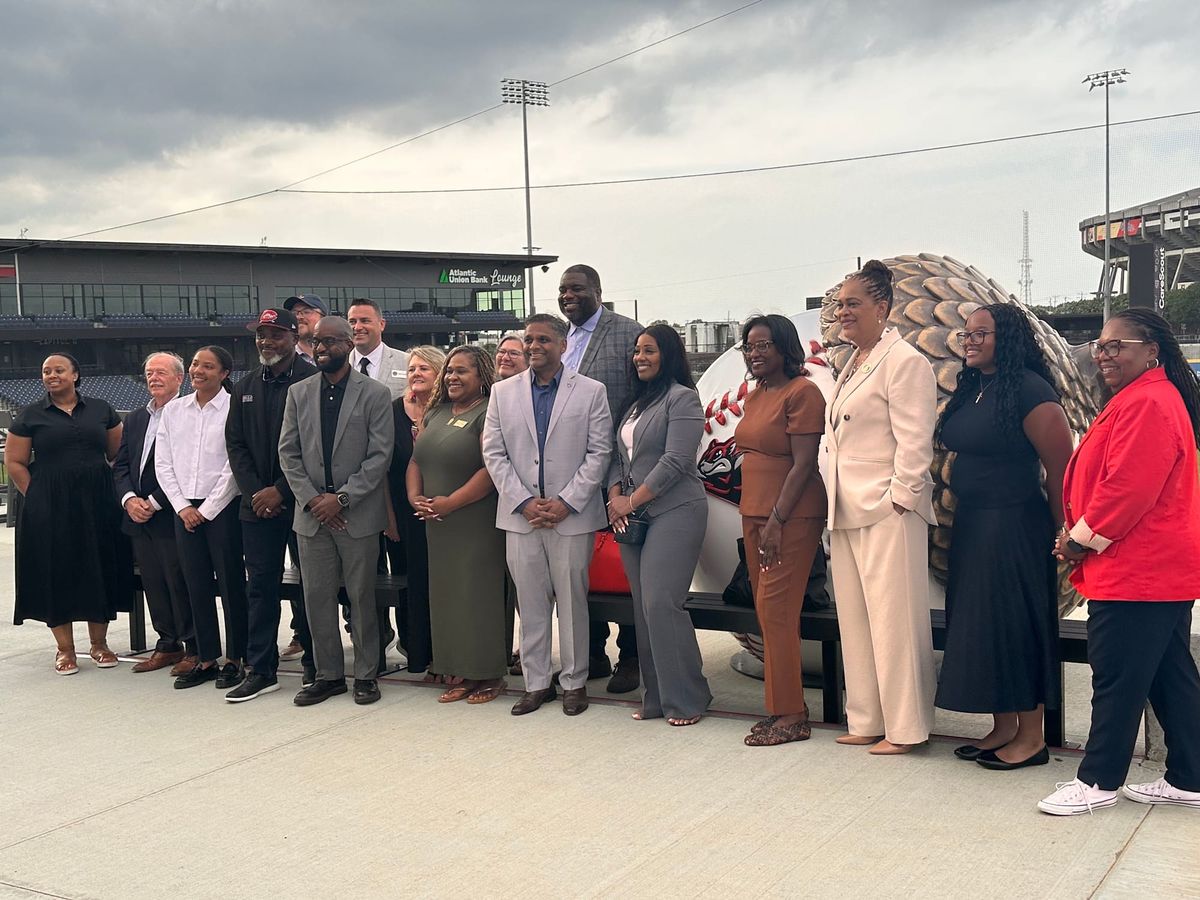
Richmond Mayor Danny Avula led a bus tour of the city’s public-private partnerships on Wednesday night, part of an event the city is hosting for mayors from around the country.
City leaders showcased landmarks like CoStar’s 26-story office tower, Allianz Amphitheater and CarMax Park, putting a focus on projects done collaboratively with the private sector that they said reflect Richmond’s growth and investment.
The tour was part of a two-day workshop on public-private partnerships that Richmond co-hosted with the Association for the Improvement of American Infrastructure and the U.S. Conference of Mayors.
Attendees included officials from localities across Virginia, D.C., North Carolina and South Fulton, Georgia, where Chief Administrative Officer Odie Donald II previously served.
To kick things off, Avula welcomed attendees as the bus rolled down East Cary Street.
“We are known as the River City, and so one of the first places we'll go is down to the riverfront, because the James River really is the heartbeat of this city in so many ways,” Avula said before handing the microphone to Director of Economic Development Angie Rodgers, who led the bulk of the tour.
First stop: the riverfront
Rodgers explained to the listening mayors that partnerships between the city and external, often private entities have enabled Richmond to develop areas that might otherwise have been overlooked due to budgetary or space constraints.
“These sites where the infrastructure investment needed is really too great for the private sector to approach it [are] where we start to come in and to help them build,” Rodgers said.
As Rodgers spoke, the bus rolled along the riverfront, slowing as it passed CoStar’s campus (she made sure to point out the towering LED display) before continuing past Allianz Amphitheater. Both projects were presented as examples of Richmond incentivizing private investment. With CoStar, this meant attracting a pre-existing business to set up shop downtown, while the amphitheater involved securing a sponsorship with Allianz, the insurance company.
Across the street, Brown’s Island remained under construction funded by donations from CoStar, Dominion Energy, NewMarket Corporation and other private partners.
 Graham Moomaw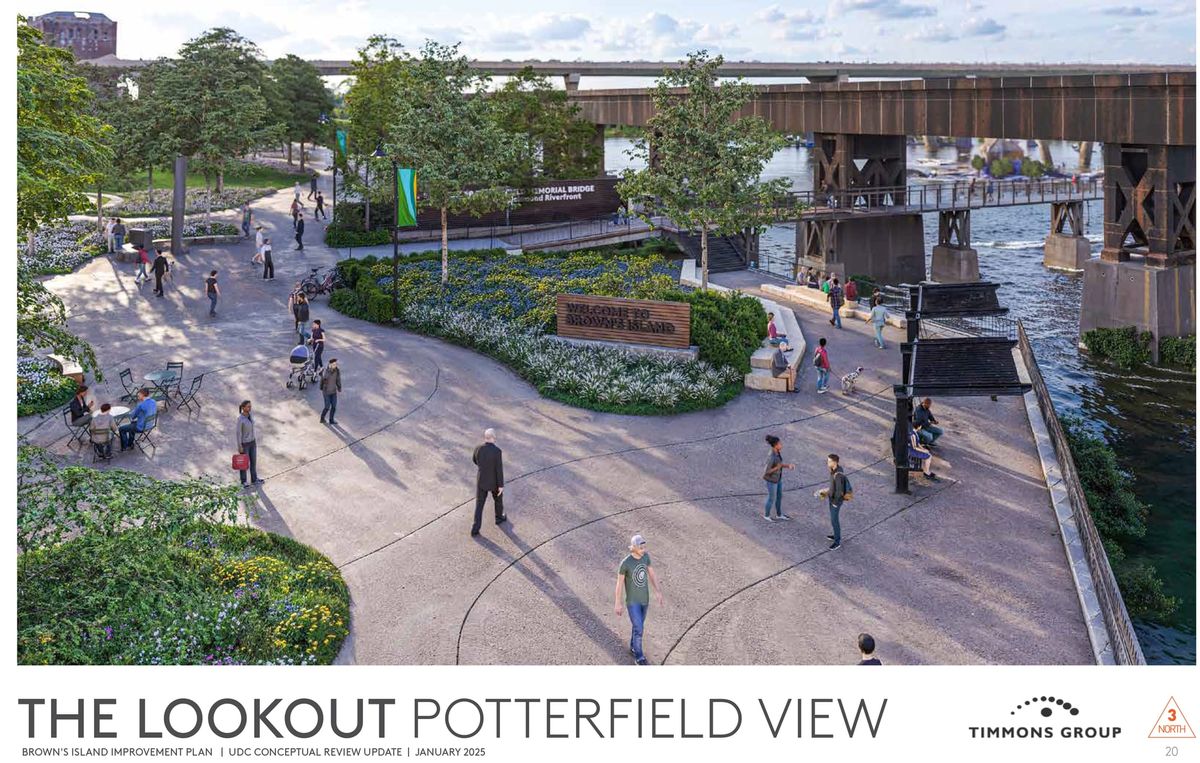
Next up: downtown
Rodgers said successful development requires looking beyond individual projects and considering how an entire area functions. The goal, she said, is to create a place where people want to spend their time and figure out, “How do we make sure the growth that we are experiencing really benefits all Richmonders?”
In that respect, she said, City Center currently has a problem: when folks get off work, they leave.
Changing that culture means investing in infrastructure that encourages people to stay and, as a result, patronize nearby businesses — an effort she said will depend on creative solutions, such as these partnerships with private developers and other outside organizations.
Revamping older sites isn’t out of the question, Rodgers said, nodding to the courthouse as one building that could use a refresh. In other cases, revitalization means building something new — such as a planned transit hub with two mixed-use towers — or demolishing structures, like the Coliseum, to make way for redevelopment.
 Sarah Vogelsong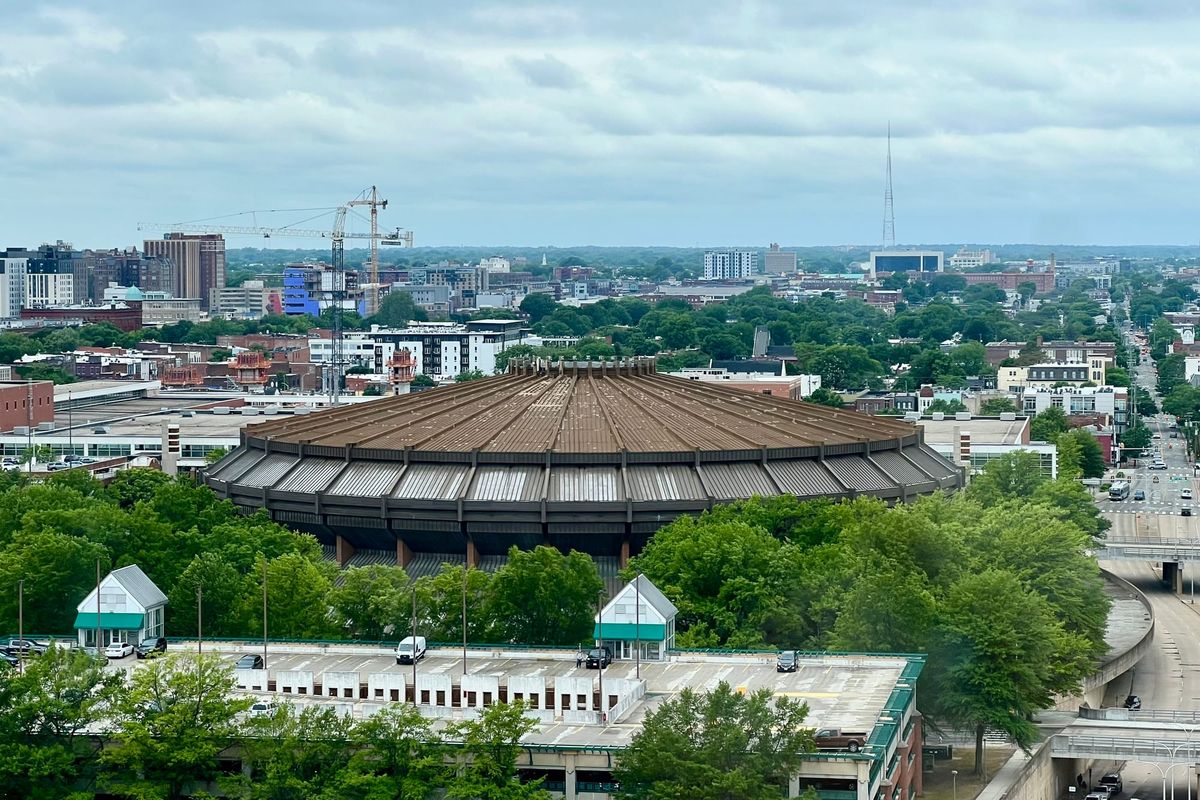
Any renewal efforts will need to take a holistic approach, Rodgers said. Richmond’s downtown is home to civic nodes, VCU’s campus, Broad Street and more. Rodgers told the listening mayors that, rather than hyperfocusing on a specific area, “all these things that are connected need to leverage each other.”
Final destination: Scott’s Addition
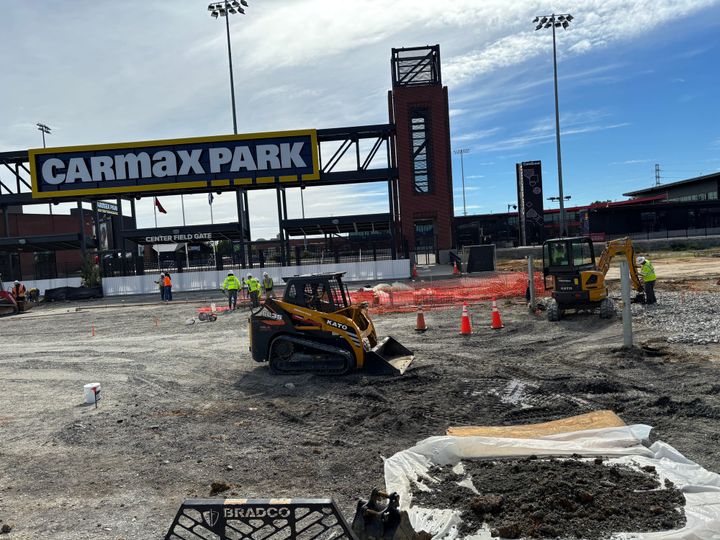
After turning off Broad Street, the bus made its way through Scott’s Addition before landing at the grand finale: the recently opened CarMax Park (which the mayors also toured).
Along the way, Rodgers pointed to the neighborhood’s mix of residential and commercial spaces as an example of the kind of development Richmond is trying to foster. With a nearby Marriott hotel, a Whole Foods and local businesses, she said Scott's Addition has become a destination where people want to spend time, not just pass through. Even so, construction is continuing, with the Diamond District taking shape around the baseball stadium.
“This is all the sort of value that has been created by what’s happening at CarMax Park, what’s happening in Scott’s Addition,” Rodgers said. “It just spreads and spreads and creates the kind of value where [private partners] can feel comfortable approaching.”
Contact Eleanor Shaw at eshaw@richmonder.org. She is a Report for America corps member.