State budget deal includes $15M to help Richmond demolish coliseum
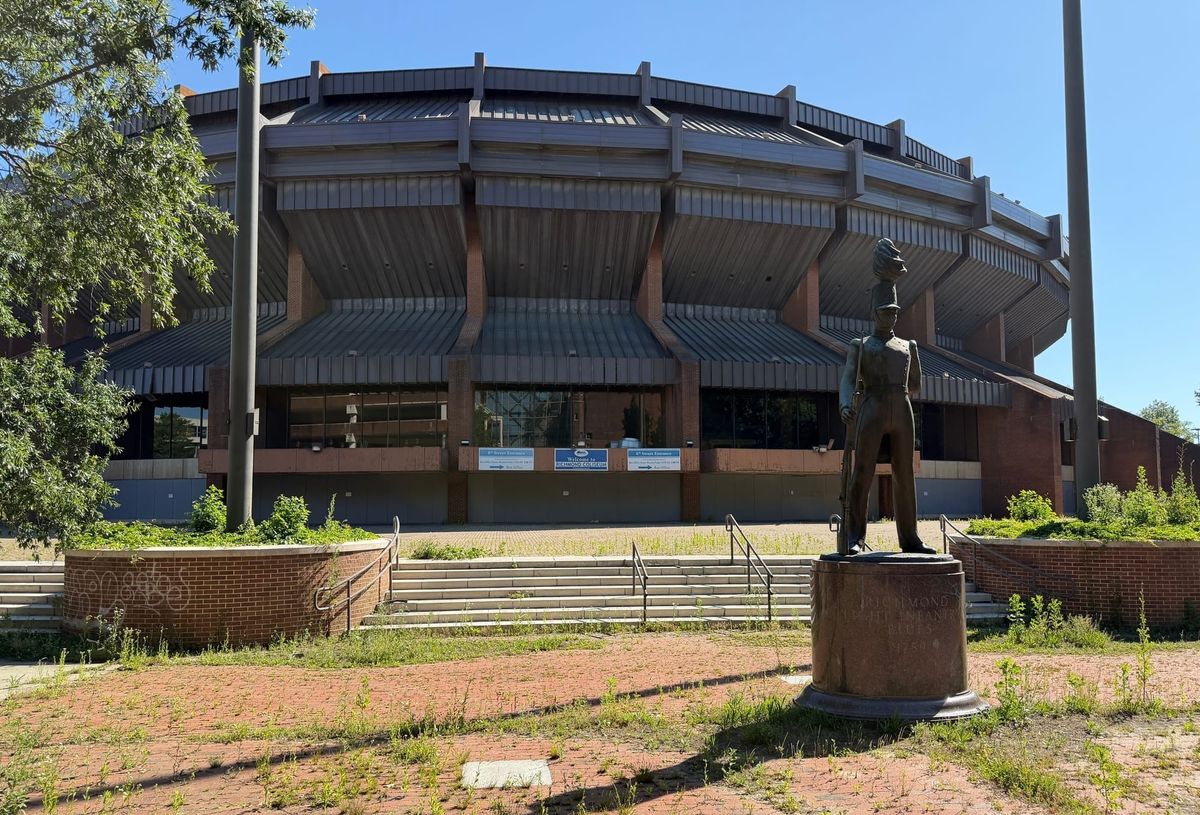
The Virginia budget deal announced last week includes $15 million to fund the planned demolition of the Richmond Coliseum, a major state funding boost for a top city priority.
The pending budget includes funding for several other big-ticket items on Richmond’s wishlist. It has $20 million to help fix up the city’s water treatment plant after the 2025 infrastructure crisis and another $50 million for the city’s ongoing combined sewer overflow project, which will help keep sewage out of the James River during heavy rain.
“I would have to challenge somebody to find me a budget that’s been better for Richmond in the last few decades than this budget,” said Sen. Lamont Bagby, a Democrat whose district covers most of Richmond and part of Henrico County. “This budget is doing a lot to support Richmond.”
In a statement, Mayor Danny Avula said "Richmond’s specific needs were prioritized" in the two-year budget on the verge of being adopted, the first to pass under Gov. Abigail Spanberger's administration.
"These commitments will help Richmond advance long-term infrastructure needs, support families, and improve quality of life across our neighborhoods," Avula said. "We thank the General Assembly and the administration for their partnership and for recognizing the essential role of a thriving Capital City for the future of the Commonwealth."
The overdue state budget was approved by the Virginia Senate and House of Delegates Monday. It now goes to the governor for final review, but it’s unclear if she’ll propose any additional changes with state officials looking to avoid the possibility of a government shutdown on July 1.
The delay with the state budget was largely caused by disagreement among Democrats over how to handle tax breaks for Virginia’s data center industry.
The city had already publicized its requests for more water and wastewater funding, but the coliseum-related money appeared to be a late addition.
Money for the coliseum demolition was added to the budget for the state’s Department of Housing and Community Development.
 Sarah Vogelsong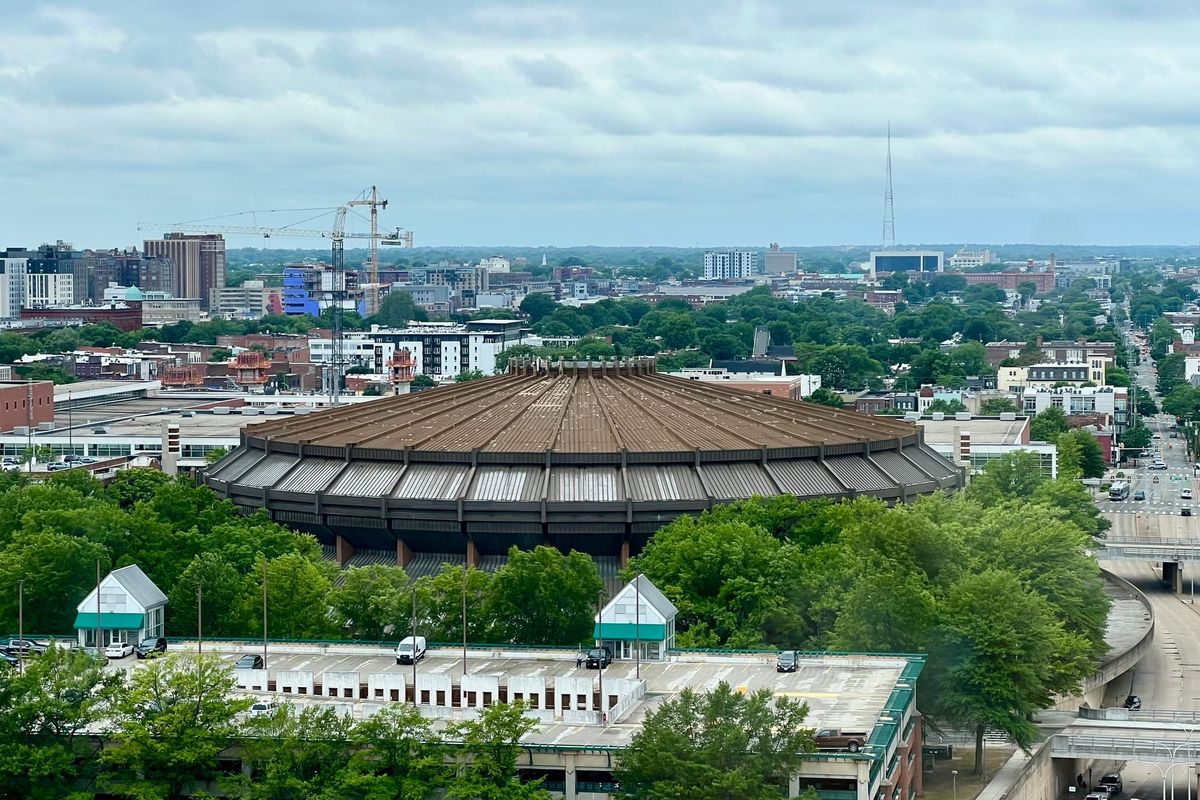
Bagby said he was working to add the coliseum funding to the budget but didn’t want to go public with the effort prematurely.
“I didn’t want to get folks’ hopes up and not be able to deliver,” Bagby said.
Once a local venue for concerts, sports and circus performances, the coliseum has been sitting unused since being shuttered in 2019. It’s now surrounded by fencing and razor wire, serving as little more than an eyesore in a prominent area city officials are looking to revitalize.
Removing the towering coliseum structure is a key first step in the mixed-use City Center redevelopment plan, which started under former Mayor Levar Stoney and has continued into Avula's term. The coliseum parcel is about 7.3 acres of the 9.5-acre area eyed for redevelopment.
Avula has said he’d like to see a new hotel built where the coliseum now stands, an addition officials say will help the Greater Richmond Convention Center bring more conferences and events to downtown.
Bagby said a “respectable-sized hotel” could open up “a great deal more conventions and expos.”
“I’m confident that folks see the value of supporting the capital city,” Bagby said. “Oftentimes, as the capital city goes with economic development, so goes the commonwealth.”
With the money for water infrastructure, Richmond officials alone won’t be deciding how it’s spent.
 Graham Moomaw
To help avoid the appearance of rewarding local infrastructure mismanagement with state funding, the state budget creates a “Richmond Regional Water Workgroup” to oversee how the $20 million is used. In addition to the city, that body will include representation from Henrico, Chesterfield and Hanover counties, as well as state health officials.
The work group will be expected to file yearly reports with both state and local officials by Nov. 1.
Richmond Public Schools could also benefit from several provisions in the pending budget.
One would give Richmond the option of creating an additional 1% sales tax in the city to fund school construction and repairs. That proposed tax would need approval from voters, but city officials have already said they intend to put the issue on the ballot. School leaders have said the tax, if approved, could generate $50 million a year for RPS projects.
 Victoria A. Ifatusin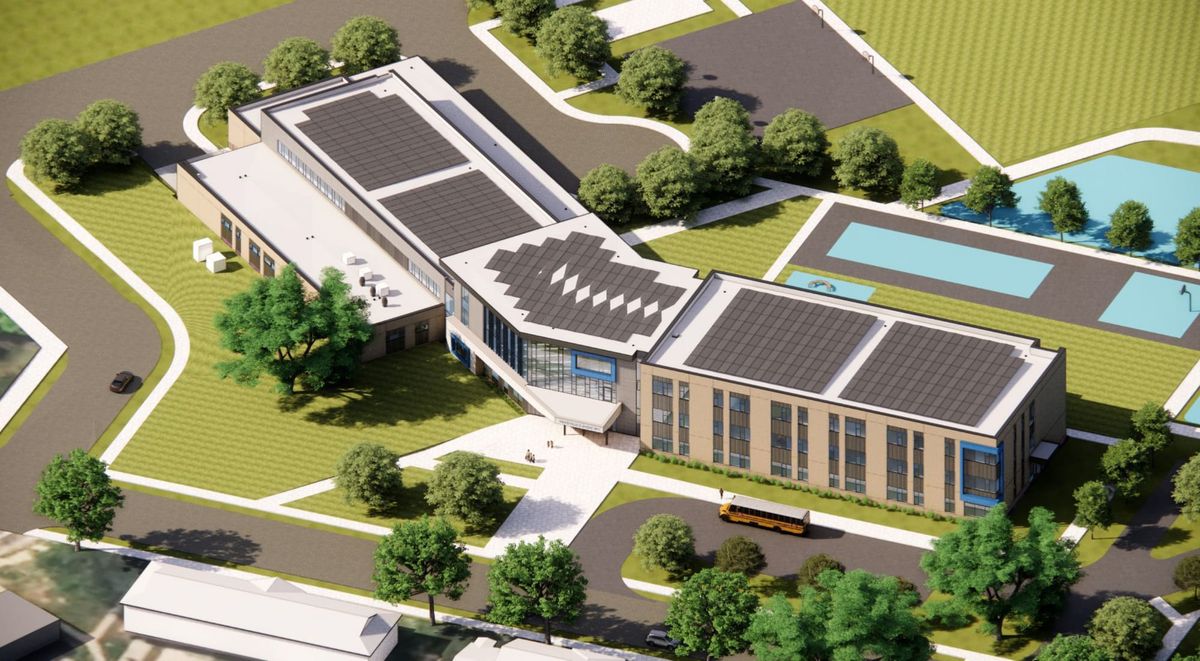
The City Council will have to pass a resolution in order to put the sales tax referendum in motion.
Avula has said he intends to pursue the sales tax option in Richmond if approved by the state.
“We want to use every tool we can to bring more funding in for school construction,” Avula said last month. “We know it's a big need for our city.”
The sales tax proposal was filed as standalone state legislation. It was eventually wrapped into the budget, which meant it was delayed and couldn’t be signed into law by Gov. Abigail Spanberger after the legislative session wrapped this spring.
Money to hire an outside consultant to work on revisions to Virginia’s school funding formula is also included in the pending budget. Richmond officials have long said they feel the formula is flawed and doesn’t fully take into account the needs of high-poverty school divisions.
“Richmond supports modernizing the state funding formula for public education,” the city said in its 2026 legislative agenda. “The current funding formula does not adequately address the needs of Richmond Public Schools as the current Local Composite Index (LCI) formula does not account for fiscal stress that Richmond faces.”
The budget includes $1.25 million for funding formula work over the next two years.
Contact Reporter Graham Moomaw at gmoomaw@richmonder.org
Correction: This article was updated after publication to reflect the correct amount of funding the city is receiving for water infrastructure. It is $20 million, not $25 million.