City Council to take up three big code refresh questions: duplexes, churches and household numbers
When the City Council meets next week for its first public work session on Richmond’s proposed rezoning, three issues will top its agenda: how many housing units can be on a single lot, how places of worship should be zoned and how many unrelated people can make up a household.
“Those are going to be the three questions we dive into, and I think from a city perspective, we’ll be offering up alternatives which we feel, based on what we’ve heard, are a good compromise path forward,” said Planning Director Kevin Vonck.
But, he continued, “There’s no right or wrong answer on these. What we’re looking for is to get to an answer.”
As Richmond prepares to roll out the third draft of the proposed rezoning, known as the code refresh, Mayor Danny Avula’s administration is trying to take the temperature of the officials who will be voting on it in the future to determine which plans are politically viable and which are not.
In a series of work sessions that will be held June 15 through 17 with the City Council, Planning Commission and Zoning Advisory Council — a body that has no voting power but has been advising the Planning Department on the drafting of the plans — the administration will be seeking feedback on the big three questions, all of which have sparked controversy among residents.
Particularly important will be the reactions of the City Council, which will have the final say on any new zoning plan.
“Ultimately it’s the City Council that decides, and it’s our job as the administration to give them the information and equip them to be able to make those decisions,” said Avula.
 Sarah Vogelsong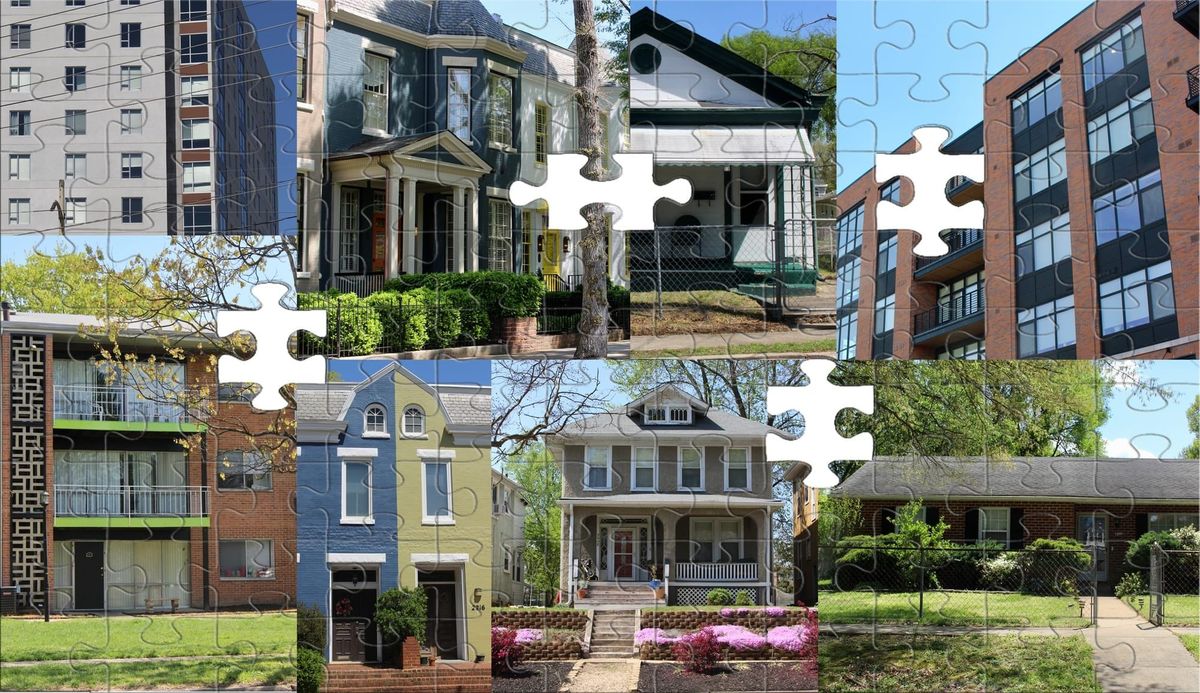
While Avula, Vonck and top city housing officials Sharon Ebert and Merrick Malone offered few details of the administration’s stance on the three major issues during a press briefing Thursday, a document posted ahead of the meetings indicates how the city may be thinking about them.
According to that, planners are envisioning a greater range of zoning designations for places of worship rather than rezoning them all as mixed use of up to three stories. Occupancy standards could be modeled after state code that ties square footage to the number of residents.
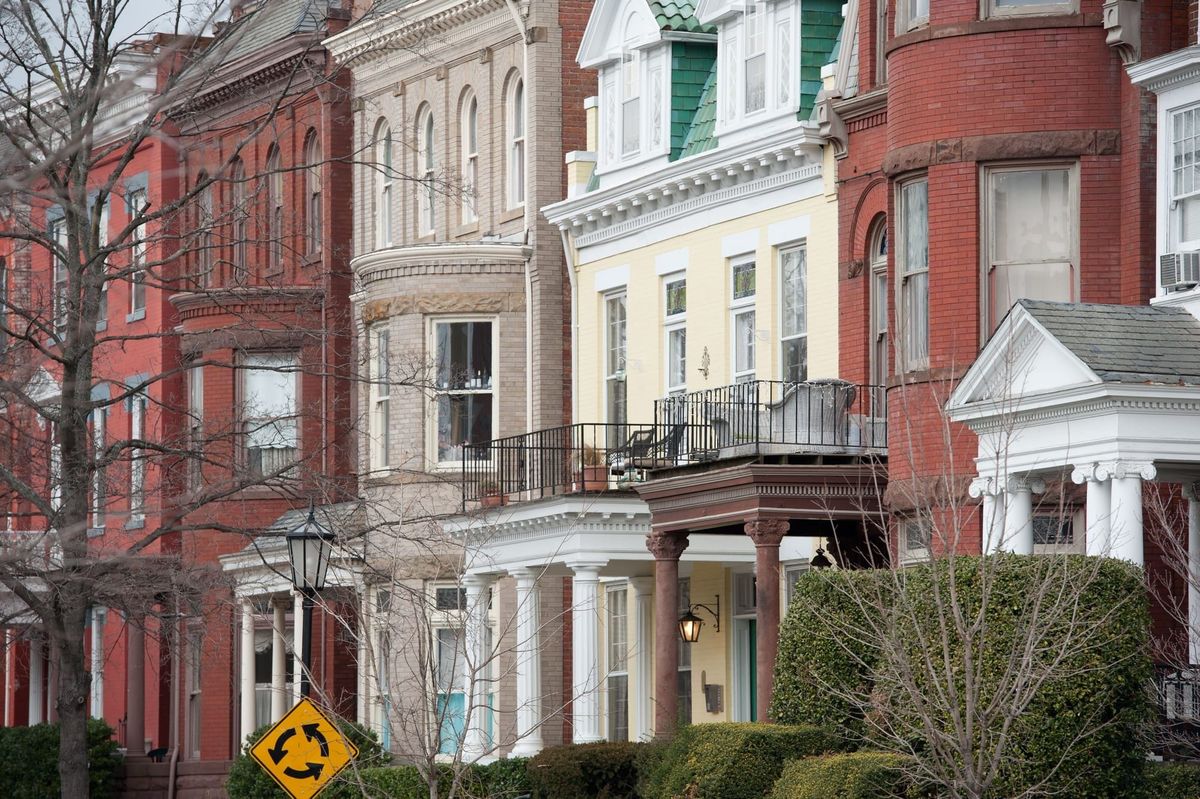
Perhaps most prominently, officials are generally sticking with the “preservation bonus” included in the second draft that would allow duplexes on residential properties by right as long as the existing home is not demolished.
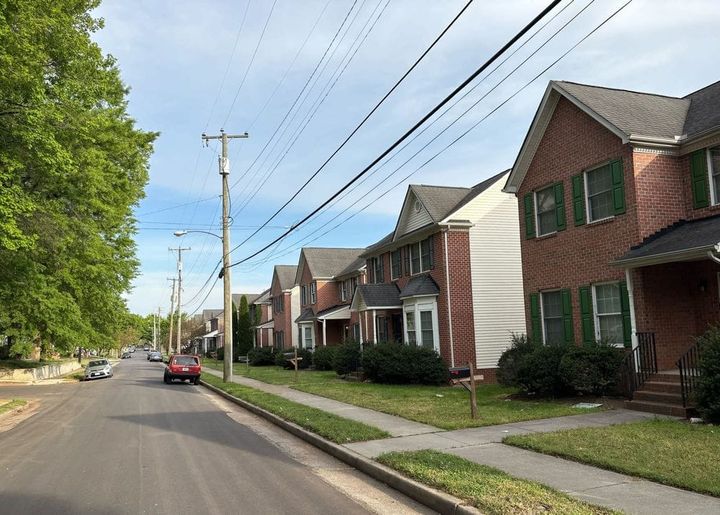
As in earlier drafts, residential lots would continue to be allowed a maximum of three housing units on any residential lot — a duplex as well as an accessory dwelling unit, which the city began allowing by right in 2023. Under the new proposal, however, the maximum number of buildings allowed would be reduced from three to two. ADUs could also be slightly larger, although they would be prohibited from being taller than the primary dwelling.
Also still in play, although not mentioned in the document: tree canopy requirements, which are not part of the city’s current zoning code.
“The state authorized us to put in tree canopy minimums, and then we're going to move forward with having those in,” said Vonck.
Housing and zoning
On Thursday, Avula and other officials repeatedly emphasized the need to overhaul the zoning code, which has not been comprehensively updated in 50 years, and the impact that rewriting the rules could have on flattening the steep increases in housing prices that Richmond has seen over the past decade.
The mayor was firm that he doesn’t expect prices to decline significantly as a result of any zoning rewrite. Both labor and material costs seem likely to remain high for the foreseeable future; construction costs, said Malone, have risen 45% since the pandemic.
“It’s important for us to manage people’s expectations about just how affordable we can get,” Avula said.
But he maintained that increasing the supply of housing units on the market can help those prices plateau and, when coupled with other anti-displacement policies, could allow more residents to stay in the city.
“Every body of experts across our country, when you look at the housing crises that most cities are facing, the core answer is more supply,” he said. “Now that supply has to be done thoughtfully, it has to be done with different houses of different sizes across the entire city, and there's got to be subsidized components of that. But the core focus is more supply.”
 Sarah Vogelsong
In the third draft, as in earlier versions, much of that new supply is expected to come from development along commercial corridors like Broad and Hull streets, Midlothian Turnpike and Brookland Park Boulevard.
Those are the areas “where we're trying to incentivize people to build,” said Ebert. “Those are the areas that have the largest water mains and sewer mains. Those are the ones where we have bus stops.”
As the rezoning moves more into the City Council’s court and a final proposal takes shape, Avula acknowledged that the plans will remain controversial given the wide range of views among the city’s roughly 241,000 residents.
“This is messy, complicated, nuanced, very specific policy-driven kind of work. And it’s not easy, and it shouldn’t be,” he said. “Not everybody is going to be happy.”
Some members of the City Council have already been vocal about concerns. Both Councilor Reva Trammell (8th District) and Councilor Kenya Gibson (3rd District) have put forward proposals to create new citizen bodies outside of the Zoning Advisory Council to oversee the code refresh process, although other councilors have appeared more skeptical about the idea.
“The work that has been done through this process with the advisory board that has been sitting for the past months, almost two years, has been extensive, has been very extensive,” said Councilor Ellen Robertson (6th District) during a June 1 meeting. (Robertson also serves on the ZAC and the Planning Commission.)
The Council has put off any decision on those proposals until after next week’s work sessions.
This story has been updated to clarify the third draft's recommendation for maximum units and buildings on residential lots.
Contact Reporter Sarah Vogelsong at svogelsong@richmonder.org.