Ahead of final budget vote, Council members praise overhauled process
There were easy-to-understand spreadsheets keeping track of where the math stood on balancing Richmond’s budget.
City Council members attached their names to budgetary ideas they were supporting, reducing the guesswork that goes into figuring out what has majority support and what doesn’t.
And open conflict between the Council and Mayor Danny Avula’s team was kept to a minimum.
As Richmond reaches the end of a revamped budget process meant to bring more order to a system that was previously a little chaotic, city officials have praised the process as much smoother than years past.
Council members have credited both their own Chief of Staff RJ Warren and Avula’s administrative team for working together to improve the budget-writing process.
“It was that advance planning and work that I think had the biggest impact on us having a successful budget this year,” said Council Vice President Katherine Jordan (2nd District). “That and everyone having at least one budget under their belt.”
Budget season is set to finish Monday night, when the Council will hold the last of several public hearings and a final vote.
The amended budget for fiscal year 2027, which begins July 1 of this year, makes few major cuts or sweeping new investments. It keeps tax rates the same, but includes some utility rate increases that will raise the average monthly bill by almost $14 per month.
Working on a budget that largely continues city services as they are — with few major policy changes or big-ticket initiatives — also reduced the possibility of drama or tension over what the final plan would look like.
“There’s the reality that there was not a lot to work with. The majority of the focus was on defending gains and priorities from prior years,” Jordan said. “It being a hold steady budget kind of took a little bit of the energy out of the process.”
 Sarah Vogelsong
There were few major areas of disagreement, but the Council rejected the Avula administration’s proposal to allow more generous severance packages to senior government employees when they leave City Hall.
Avula has praised the Council for its “thoughtful engagement in the budget process.”
“I’m proud of the work we’ve done together to develop a responsible budget for a thriving Richmond, and I look forward to the next step in the process on May 11th,” Avula said in a news release late last month.
Council President Cynthia Newbille (7th District) could not be reached for comment for this story.
After last year’s budget cycle and complaints that the Council’s process was often chaotic and hard to follow, officials set up a task force, which included Chief Administrative Officer Odie Donald II and Avula Chief of Staff Lawson Wijesooriya to explore changes. The end result was mostly a longer, more structured budget review timeline, with a clear schedule of presentations from the Avula administration and Council members limited to five minutes of questions each.
For the first time, Council members formally attached their names to proposals for how the city should spend or save money. That made it easier for the body to tell which pending amendments had the broadest support and avoid wasting time on longshot ideas only backed by one or two members. The Council also saved time by not discussing proposals to spend more money without a clearly defined plan on how to pay for it by saving money elsewhere.
“Seeing the budget sooner was definitely wonderful. The public had more ability to review the budget,” said Councilor Kenya Gibson (3rd District). “I think that our council staff really did a great job putting together a system where we could compile all of our amendments and review them in a fair way. And the public had access to them.”
The Avula administration also held a joint budget kickoff meeting with the Council and a series of town hall meetings with residents. Those gatherings focused more on high-level priorities, not the nitty gritty details of how the city collects and spends taxpayer money.
Graham Moomaw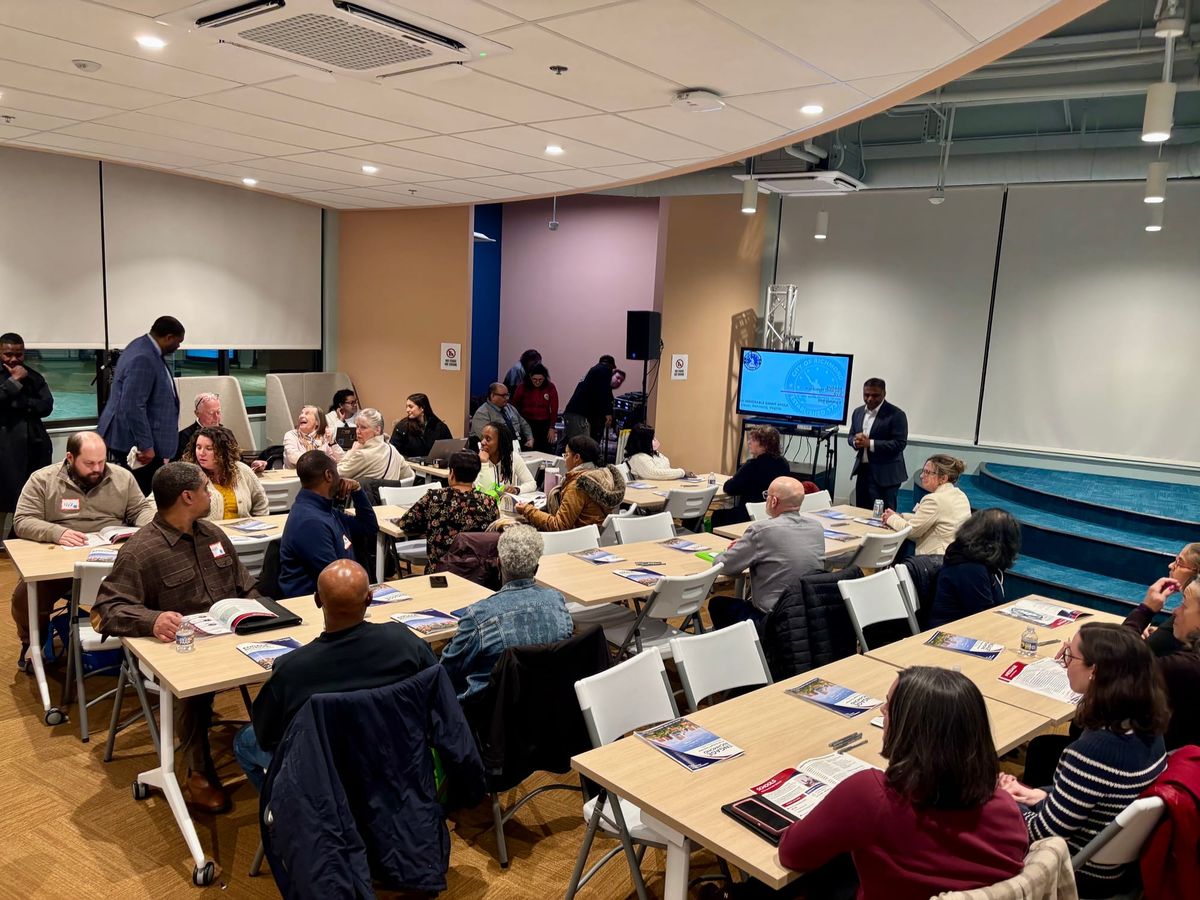
When it was time for the Council to review and make changes to Avula’s $1.1 billion general fund budget plan, the Council and administration agreed to free up almost $3.2 million previously allocated to a housing aid program. That initiative, the Gap Grant program, was going so slowly it was almost non-functional. City officials struggled to quickly process applications from lower-income residents seeking grants of up to $1,200 to help them cover housing or rent bills.
Much of the nearly $3.2 million the Council was given to spend went toward a more uniform approach to salary increases for city employees and a 1% one-time bonus payment to former city employees in the Richmond Retirement System.
Councilor Reva Trammell (8th District) said she felt it wasn’t clear enough that the one-time payment wasn’t a true cost-of-living adjustment that would raise benefits for retirees each year moving forward. But she agreed the process was better this year, particularly the additional clarity on how much money the Council could realistically spend.
“We all need something. But you’ve got to take what you’ve got,” Trammell said. “If it’s not there, it’s not there.”
The city plans to continue discussing ways to improve the budget process.
“We should be reviewing our processes continuously," Jordan said.
Contact Reporter Graham Moomaw at gmoomaw@richmonder.org