City Council wraps up budget changes without putting up new money for virtual school

If anyone is going to find enough money to save the Richmond Virtual Academy, it will probably have to be the city School Board.
On Wednesday, the City Council wrapped up its amendments to the city’s pending $1.1 billion general fund budget, without including extra money for the online academy offered by Richmond Public Schools.
The virtual school — which serves about 150 students at an annual cost of around $3.2 million — is facing the possibility of closure after RPS Superintendent Jason Kamras suggested ending it as a way to balance the schools budget.
Launched during the COVID-19 pandemic, the virtual academy was originally financed with federal relief funds. But that money has dried up, forcing city officials to choose between putting up local money to keep the academy going or ending the program altogether.
Both Council and School Board members have raised concerns about the prospect of closing the school.
 Victoria A. Ifatusin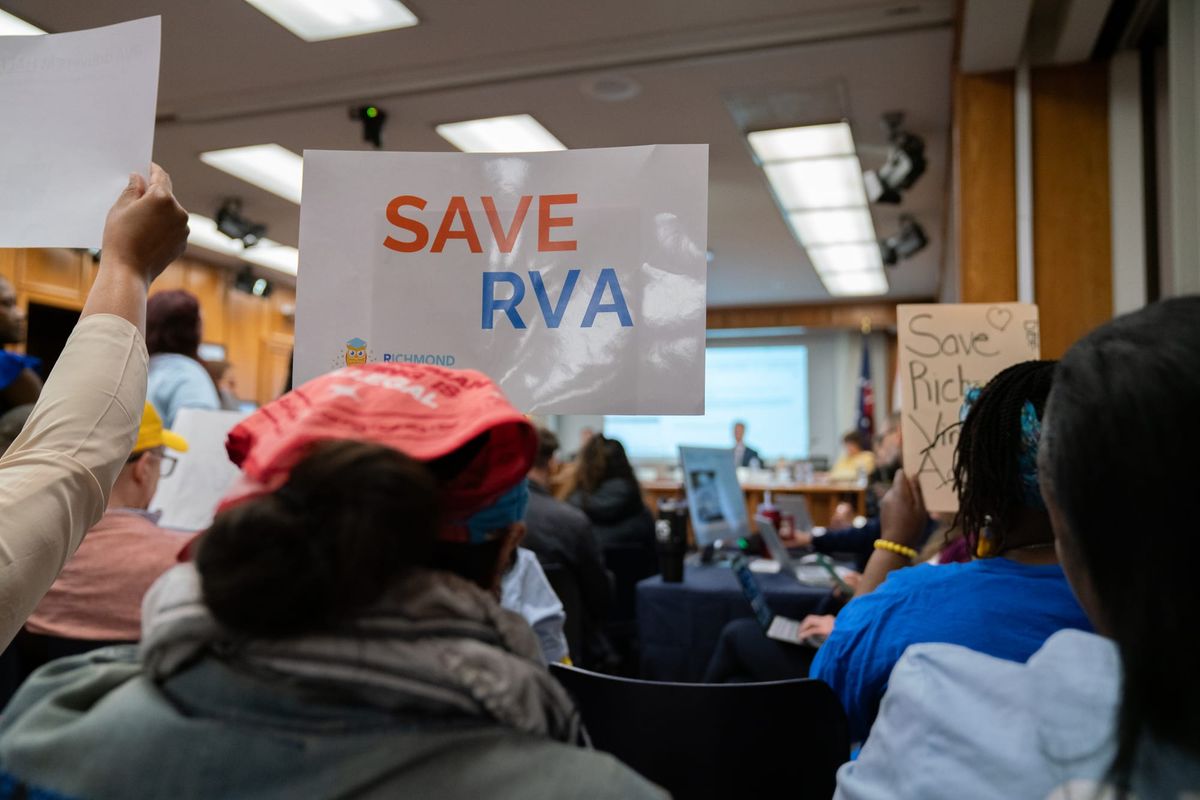
“You couldn’t find any money?” Councilor Reva Trammell (8th District) asked RPS Superintendent Jason Kamras during Wednesday’s budget work session.
Kamras pointed to pending school layoffs as evidence that RPS has tried to tighten its spending. He also sought to assure Council members that special-needs students that currently attend the virtual academy will be well served at the city’s in-person schools.
“The narrative that the only place that these young people can be educated is at the virtual academy is false,” Kamras told Council members.
Supporters of the virtual academy have made several appearances at the Council’s public hearings on the budget, urging officials to preserve an educational program that they say is a good option for families who feel virtual school works best for their child.
Cyndi Robinson, the principal of Richmond Virtual Academy, told the Council last week that the closure of her school would force families into private alternatives and send a signal to children that their education is “only a priority if their parents can pay for it.”
“The city’s budget is the ultimate statement of its values,” Robinson said. “I’m calling on this Council to decide that the stability of our families is a non-negotiable priority, and that the lifelines protecting our most vulnerable scholars will never be treated as an optional expense.”
Victoria A. Ifatusin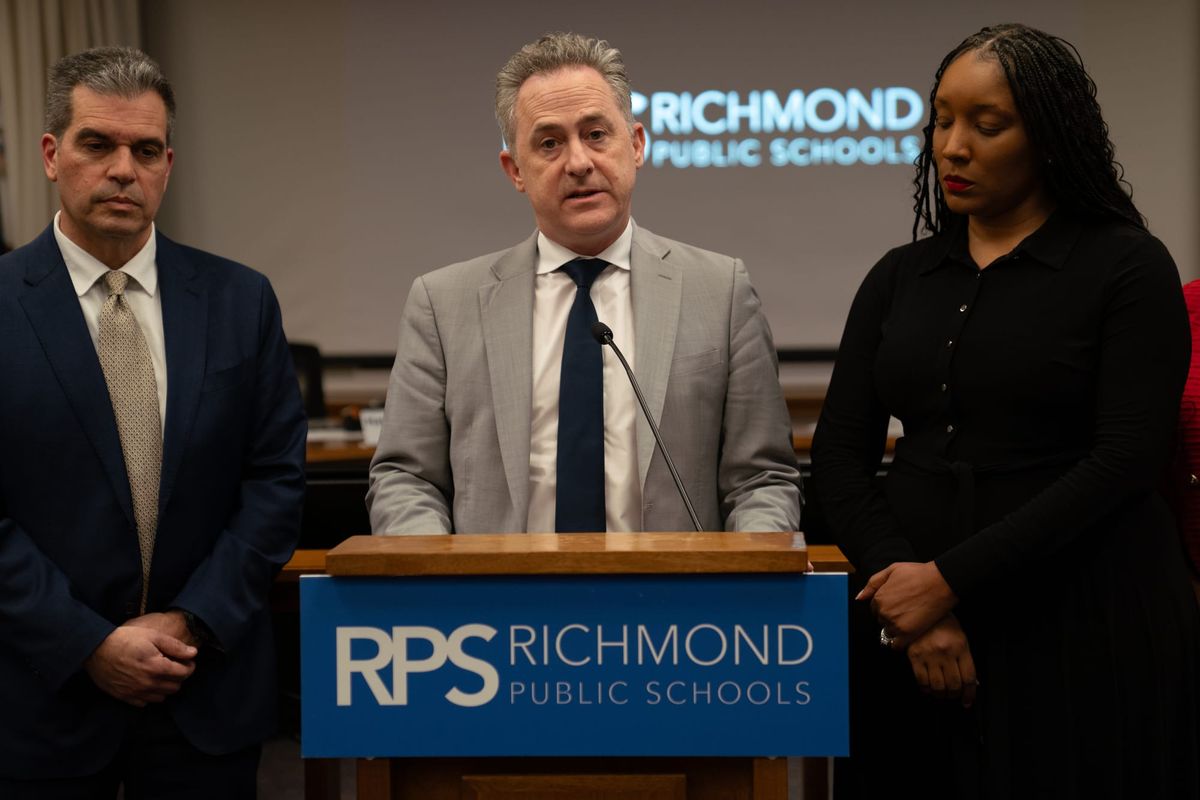
Backers of the online school have said it has been particularly helpful for special-needs students who would struggle in an in-person classroom.
Kamras said Monday that only about a quarter of the virtual academy’s students are special-needs. Regular RPS schools, he said, already serve the “overwhelming majority” of students with disabilities.
“They go to school in person every single day with their typically abled peers,” Kamras said. “In large part because that is best practice.”
The superintendent also pointed out that RPS offers a homebound instruction program for students who are incapable of going to school due to medical reasons. He also said any teachers who work at the virtual academy will be given the chance to fill vacant positions in regular schools.
Even though Council members expressed angst over the possible closure of the academy, they did not approve a proposed budget amendment that could have given RPS money to keep it going.
“This is a body that’s committed to our children,” said Council President Cynthia Newbille (7th District).
The city’s funding for RPS has grown substantially over the last decade. Mayor Danny Avula’s budget plan includes a record $257 million for public schools, an $8 million increase from the current year’s funding level.
The Council also boosted some school-related funding by adding $483,000 to cover transportation and security costs for after-school programs, an expense Kamras had cut from his budget.
Victoria A. Ifatusin
The mayor and the Council decide the funding amount for the school system, but it’s ultimately up to the School Board to choose how that money is spent. That means Kamras and the School Board could still make changes to their own budget to try to preserve the academy, although that would require spending reductions elsewhere that school officials have so far seemed unwilling to make.
“I would encourage both the administration and the board as you continue to refine the budget prior to adoption to look for ways to at least keep the program in part,” Councilor Kenya Gibson (3rd District) said to Kamras.
The Council only made a few million dollars’ worth of changes to the mayor’s overall budget proposal, mostly using nearly $3.2 million in money remaining from the botched rollout of a housing relief program meant to provide one-time aid to Richmonders struggling to make rent or mortgage payments.
Graham Moomaw
Council members chose to use most of that money to pay for 3.25% staff raises for all city employees and a 1% one-time bonus payment for Richmond Retirement System retirees, in addition to a few other small-dollar initiatives.
On Monday, the Council asked its staff to check again to see if there was any additional money that could be found for RPS. On Wednesday, the answer was no.
With work now mostly finished on its budget amendments, the Council will formally approve the changes at a meeting Monday. The budget is set for another public hearing and final passage on May 11.
Avula released a statement praising this year’s revised budget process, characterizing it as smoother and more collaborative than past years.
“I am excited to have made it to this point in the budget process, and I’m grateful for everyone continuing to roll up their sleeves and stay engaged in the work,” the mayor said. “Throughout these discussions, I’ve seen a shared focus on meeting Richmond’s needs responsibly and making the most of every public dollar.”
Changing number throws off Council’s budget math
At its second-to-last budget work session Monday, the Council thought it had $222,600 left to spend. At its final session Wednesday, members were told they were instead in the hole by about $113,092.
That was because the Council was given a new number for how much it would cost to do 3.25% raises for all City Hall employees starting July 1.
Avula had proposed a more complex approach to raises that would have given about 2,070 unionized employees the 3.25% raise while giving a smaller, 3% raise to non-union employees and delaying it until January.
The mayor’s proposal also included a third category of about 10 employees who are not union members but do work similar to union members who would also get the 3.25% raise.
Under both plans, fire and police personnel would get average raises of 6.73%.
The Avula administration had initially said the Council’s more uniform approach to raises for the regular city workforce would cost a little under a million dollars more than the mayor’s plan. On Wednesday, the number had risen to almost $1.3 million.
Graham Moomaw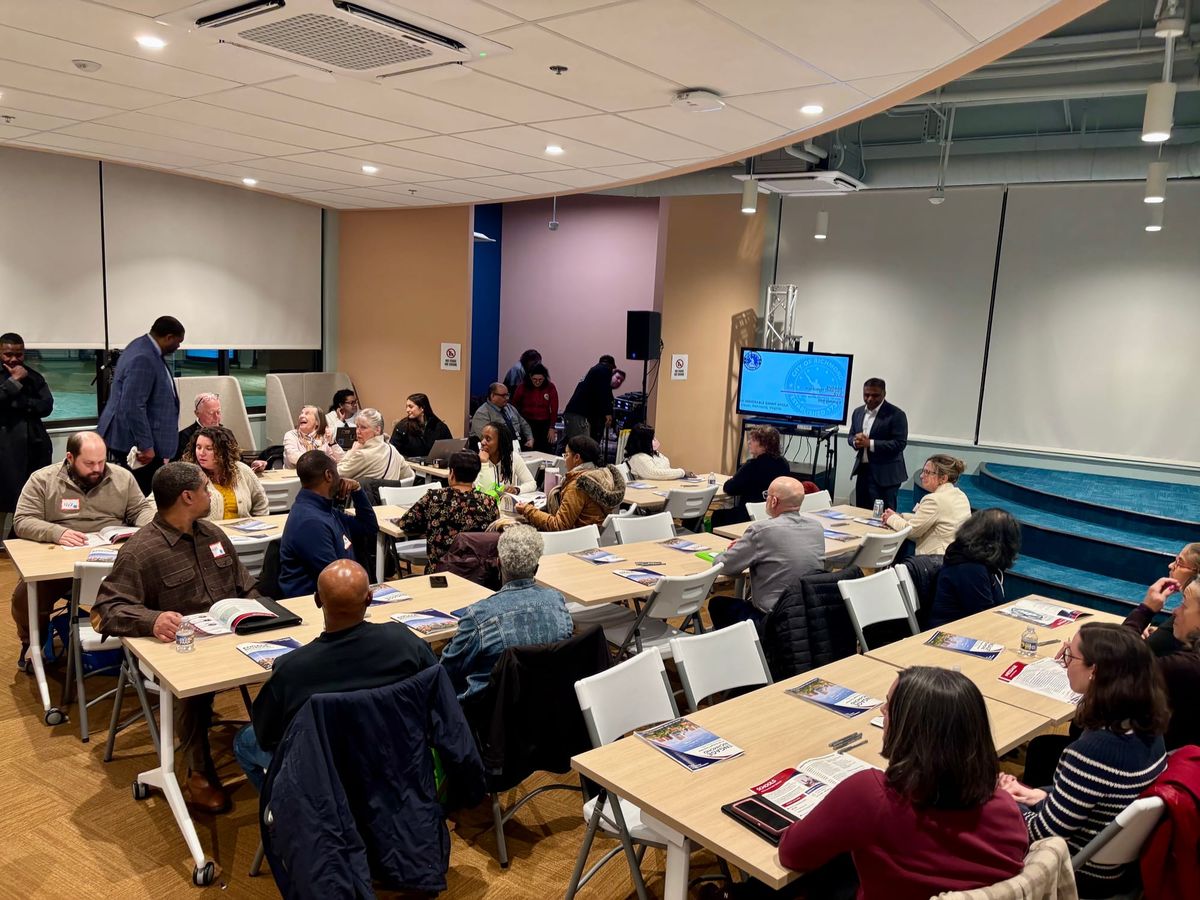
The Council and the administration gave conflicting explanations for why the number changed. According to the Council, the administration made an error while calculating the cost of the salary increase and gave a number that only included salary expenses and not benefits. In the administration’s telling, there was no error, only a disconnect between the questions Council was asking and the answers it was getting back.
Though funding the virtual academy was already looking unlikely, the change meant the Council had less money to allocate than members originally thought.
To solve the math problem, Councilor Stephanie Lynch (5th District) offered to withdraw an amendment she had filed to spend $125,000 to hire outside consultants to help with the planned redevelopment of the former Clark Springs Elementary School property. Taking that $125,000 off the board brought the Council’s amendments back into balance.
Victoria A. Ifatusin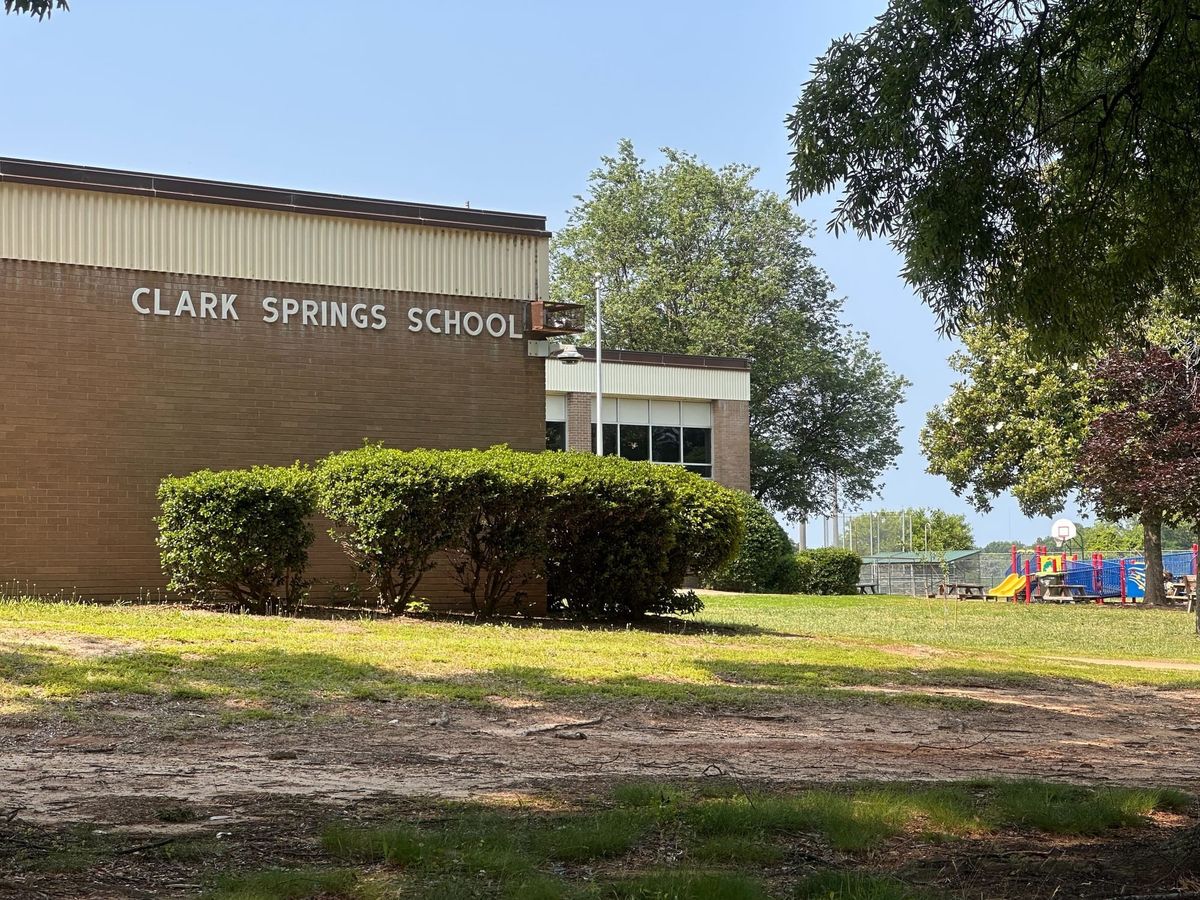
“That would take care of that issue and make us whole,” said Council Chief of Staff RJ Warren.
One final amendment the Council made Wednesday came at the suggestion of Councilor Andrew Breton (1st District), who successfully persuaded the body to cut the city’s car wash budget by $100,000 and put the money toward the installation of lights at the Thomas Jefferson High School football field.
Contact Reporter Graham Moomaw at gmoomaw@richmonder.org