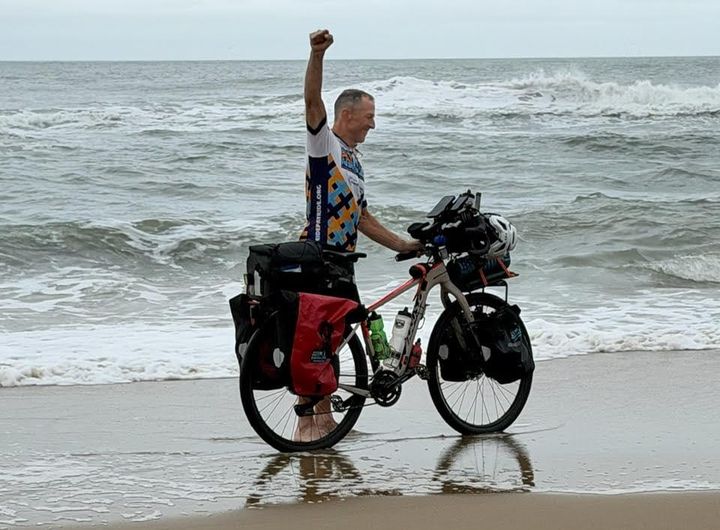
Richmond activists remember Chris Yates, an ‘amazing leader’ who was ‘dedicated to the cause of democracy’
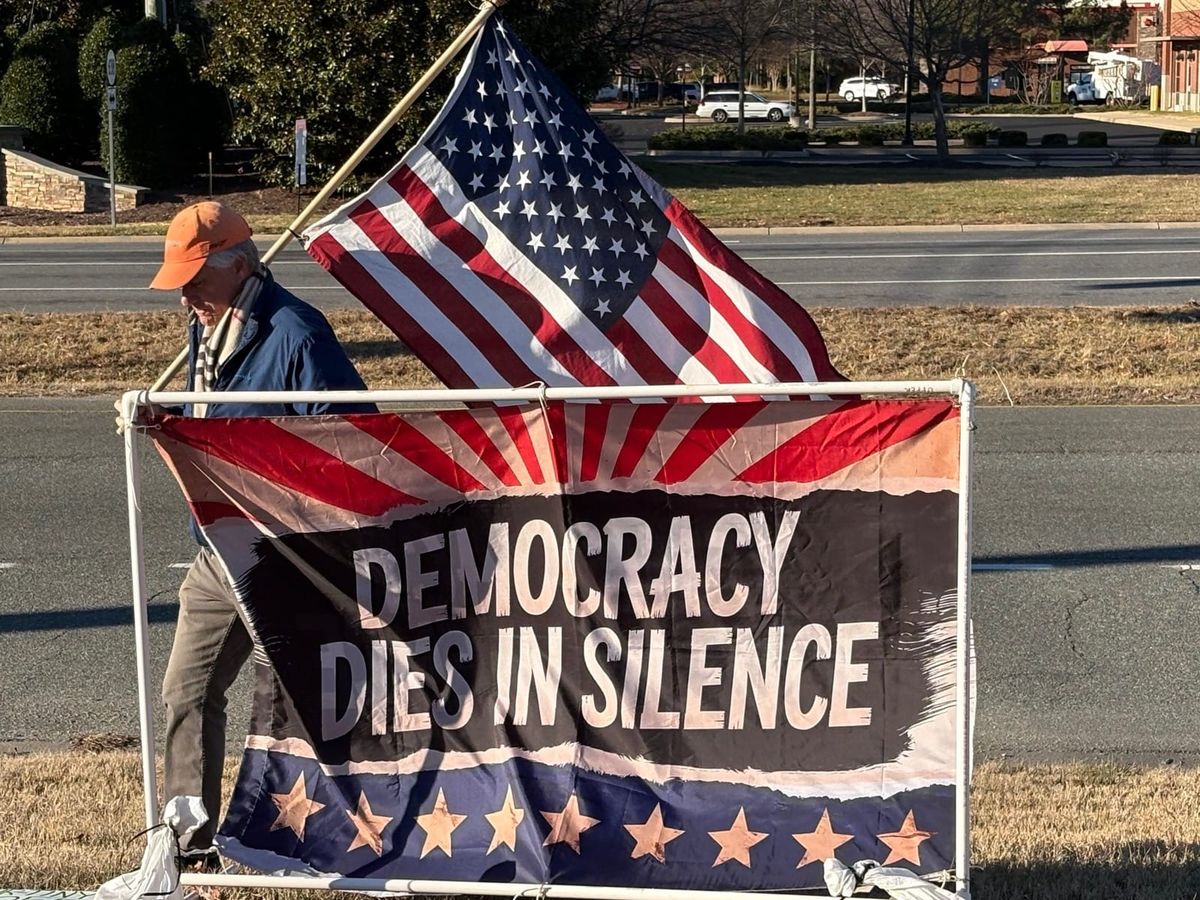
Chris Yates was an “instigator” with a “gentle spirit” who helped lead pro-democracy protests around Richmond and who “stood tall at the very center” of a vibrant activist community here.
Those are some of the ways Yates’s fellow demonstrators and activists described him after his death on May 15.
Henrico Police said Yates was struck and killed on Staples Mill Road after he stepped into the road during a demonstration. Henrico Police told The Richmonder that the crash is still under investigation but that alcohol did not appear to be a factor – the driver remained on the scene.
Yates was a member of RVA Indivisible, a progressive activist organization. Yates’ widow Denise Williams told The Richmonder that her husband’s community activism began when he was in college.
He was born in Huntsville, Alabama and attended Hampden-Sydney College. While there he launched a community outreach program that included clothing drives and food drives, for which he received a service award from the school.
In Richmond, meanwhile, Yates volunteered at Richmond Hill, as well as with the Armstrong Leadership Program, a high school mentorship program. And he served “in the elementary schools as a lunch buddy and reading buddy for kids for the last three years,” Williams said.
“We were lifelong Democrats and have always been active in the political scene, campaigning and canvassing for various Democrats over the years,” she said.
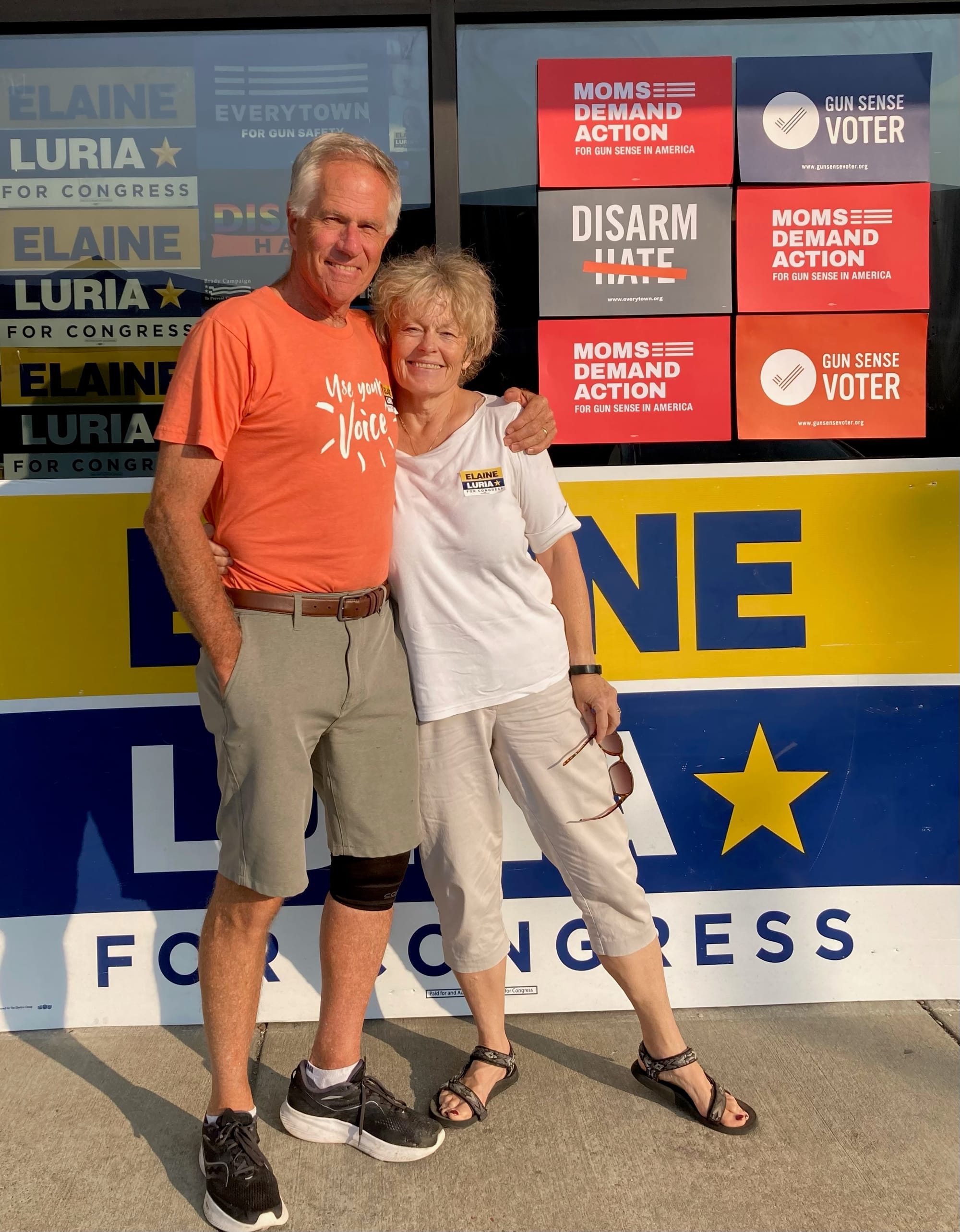
Williams said the second election of Donald Trump in 2024 galvanized Yates, leading him to get involved with RVA Indivisible.
“Chris was always out there,” she said of the protests. “He was dogged about wanting to make our country better and keep our democracy and not let it fall into the hands of autocrats and oligarchs. That’s what he was out there doing.”
After Yates’s death, RVA Indivisible shared stories from numerous members who described him as a dedicated, driven activist who helped build a local progressive protest machine while radiating “kindness and joy” at demonstrations.
“He was a remarkable leader,” one member wrote. “Not in an obvious way. He constantly walked what I call the line, greeting all of us individually, learning our names, where we lived, why [we were] there. Every time he would greet me, checking in with me, remembering something about me. He kept us all up, encouraged us.”
“I only knew Chris as a fellow activist,” wrote another. “I never stopped to think how much he touched and affirmed and encouraged me. When I do now, words (and tears) flood in too fast and all at once.”
One activist said Yates was a “peacekeeper,” writing that he was called to mediate tensions between RVA Indivisible and another activist group.
He was also an “instigator,” one testimony said.
“It was Chris that launched the bridge banner drops," the member wrote. "It was Chris that launched the monthly mass protests. Chris always stepped up. Whether it was a call for men to join an otherwise all-women protest, or for more morning people to take shifts at a community ICE watch, Chris was literally first in line.”
He was “a very early riser,” the activist added.
Bill Muth, a professor emeritus of teaching and learning at VCU, told The Richmonder that he first met Yates “standing on a bridge” around March of 2025 during a “bridge banner drop” protest that Yates had organized.
Muth said he and Yates worked together “at least weekly,” usually “collaborating or discussing or brainstorming or organizing or doing something together.”
Yates’s work in the community was “so hard to reduce to words,” Muth said.
“He was amazing,” Muth said. “He just operated from a position of love. He was the first to jump in and help, and the first to step out in front and lead when necessary. He always approached everything with a childlike respect and goodwill. He approached everyone that way. It was very contagious.”
“We lost a person who was both organizationally at the center —he organized so many of our activities — but also he was the emotional center of our group too, because of his steadiness and goodwill and constant support,” Muth said.
The professor described the loss as “extremely hard.”
Well before his participation in protests in the Richmond area, Yates was known as an advocate for the vulnerable. He was among the founders of the Discovery School, a nontraditional boarding school in Dillwyn, Virginia meant to help teenagers struggling with behavioral issues.
“That was his life’s work. He loved it,” Denise Williams said.
Yates retired from that role in 2014. Upon his retirement he wrote that the school model provided “struggling young people” with the chance to “learn experientially in the outdoors.”
“I learned to love this field experientially myself,” Yates wrote. “Whether hiking the Appalachian Trail or canoeing our own James River, building tents in campsites or volunteering in neighboring towns and churches, our model teaches kids that the path to successful adulthood runs directly through a positive, nurturing group experience.”
He carried that love of communal advocacy into his later work. At RVA Indivisible, one group member said that Yates was “at the very first meeting” of the organization in December 2024.
“[F]rom the beginning of our group's forays into active democracy he worked to help make our group larger, more visible and more impactful,” the activist said. “He accomplished all those things and so much more!”
Williams, meanwhile, said her husband was inspired by the commitment of his fellow activists.
“He was very very impressed with the enthusiasm and the stick-to-it-iveness and the patriotism of all the people he worked with,” she said.
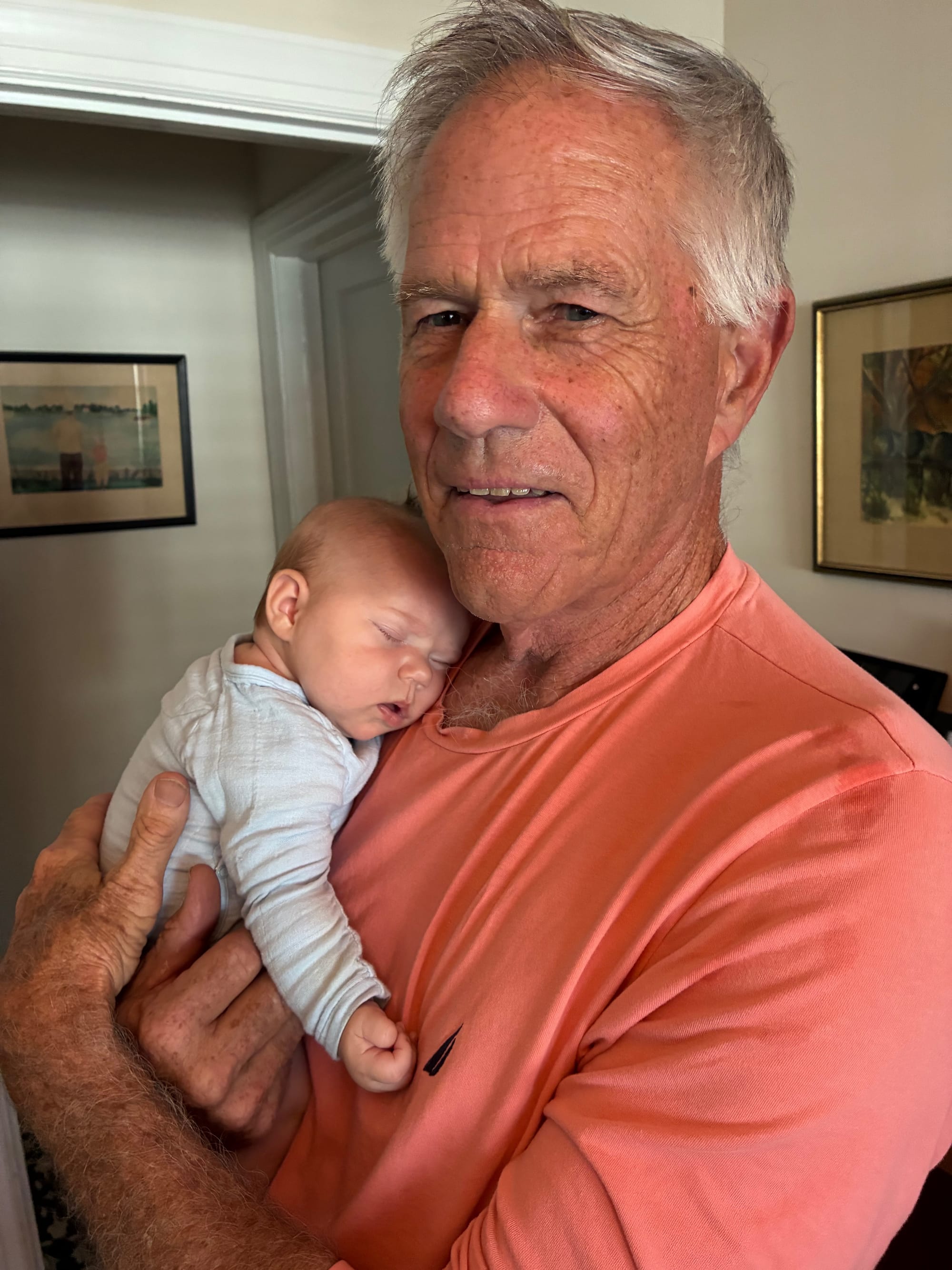
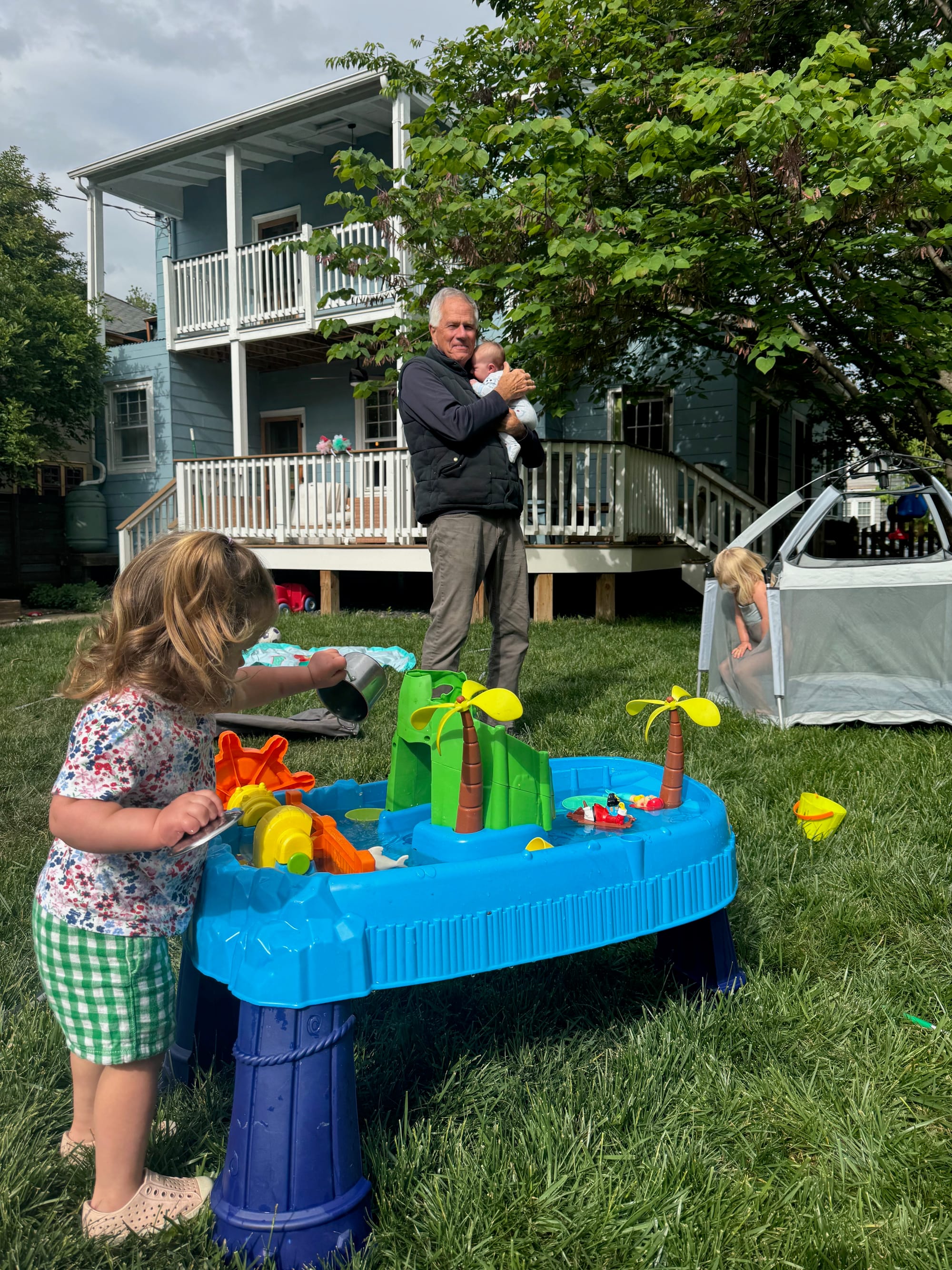
Yates is survived by his wife Denise, two children and three grandchildren. Denise said his devotion to his loved ones was another major motivating factor in his life’s activism.
“He loved his family, his children and grandchildren, more than anything,” she said. “And he wanted to help bring about a country that was better for them.”
A brief memorial service is planned for Yates at Libbie Mill Library on Thursday, May 21 at 7:30 p.m., while a more formal ceremony will take place Saturday, May 30, at St. Paul’s Episcopal Church on Grace Street in downtown Richmond.