Planning Commission OKs initial master plan for redeveloped Mosby Court South
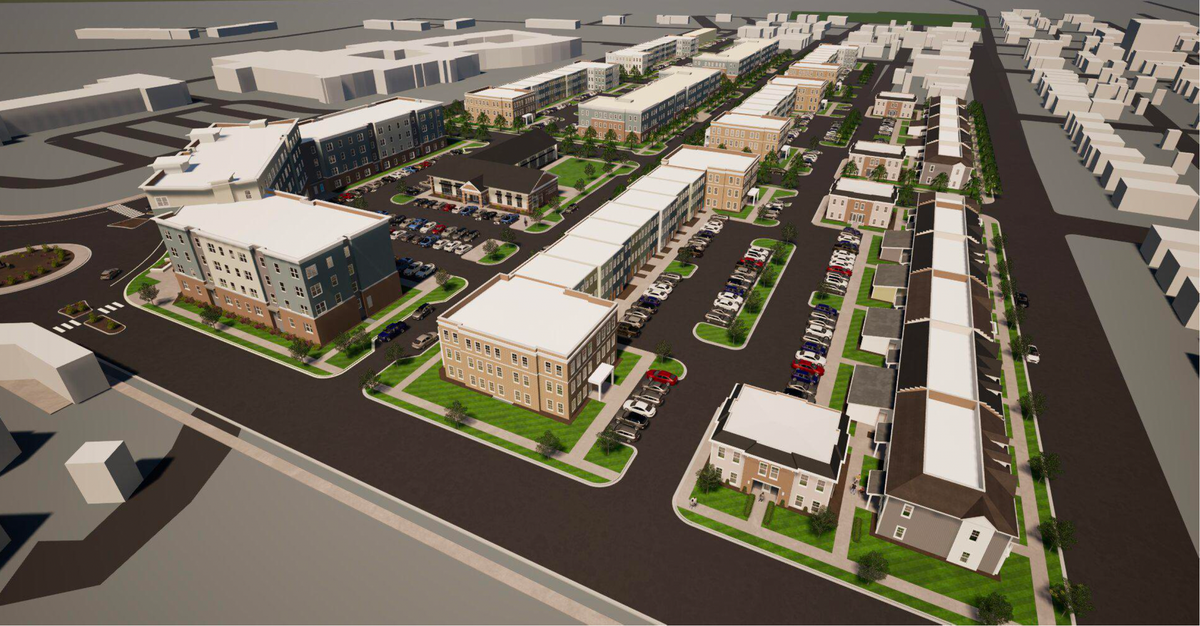
Richmond’s Planning Commission on Tuesday endorsed the preliminary master plan for the redevelopment of Mosby Court South into a mixed-use, mixed-income community that would significantly rework one of the gateways into the city’s East End.
“I think it’s fantastic to get a mix of incomes,” said Commissioner Brian White. “We’ve had large segments of our city walled off from everybody else for too long, and I think it would be great to have differences amongst neighbors.”
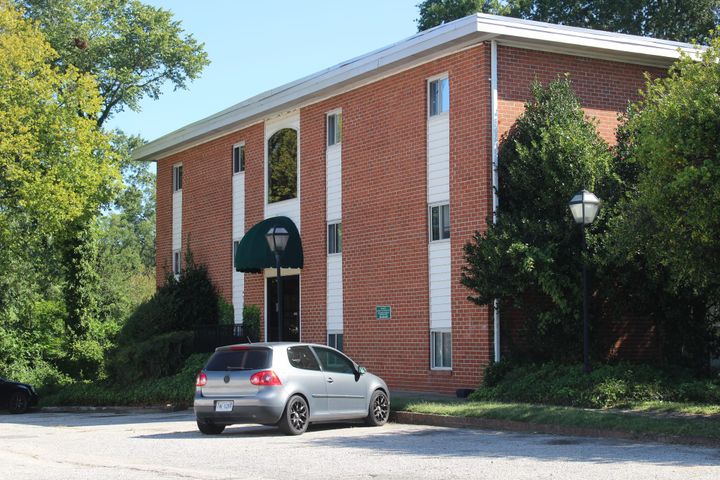
The preliminary community unit plan greenlit by the Planning Commission is just one piece of a much larger effort to redevelop Mosby Court South, a 106-unit section of the larger Mosby Court public housing community that was built in 1962 and is today home to 97 households.
That proposal will still have to get the blessing of the City Council, and a final version will have to come back to the commission later for its approval. But Richmond Planning Director Kevin Vonck emphasized Tuesday that the preliminary plan “is the bigger deal” when it comes to the city weighing in on what the redeveloped site will look like in terms of its character, location and layout.
“This is your chance if you want to say something,” he told the Planning Commission. “Do it now, because when the final plan comes through, it’s basically just implementing the preliminary or master plan.”
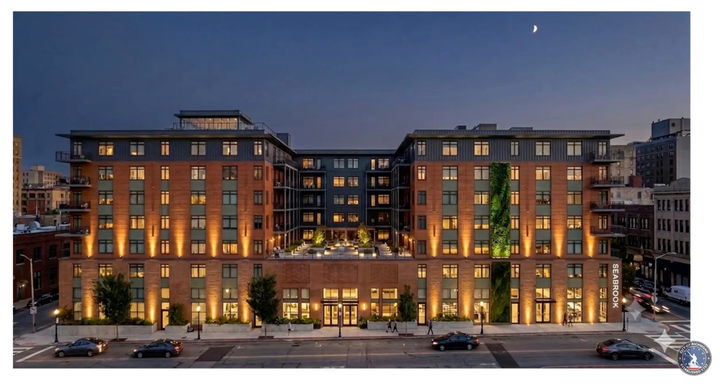
The design pitched by the Richmond Redevelopment and Housing Authority — which is working with developer The Richman Group and architects Hooker DeJong — would construct about 478 units on the 12-acre site that sits across Mosby Street from Martin Luther King Jr. Middle School.
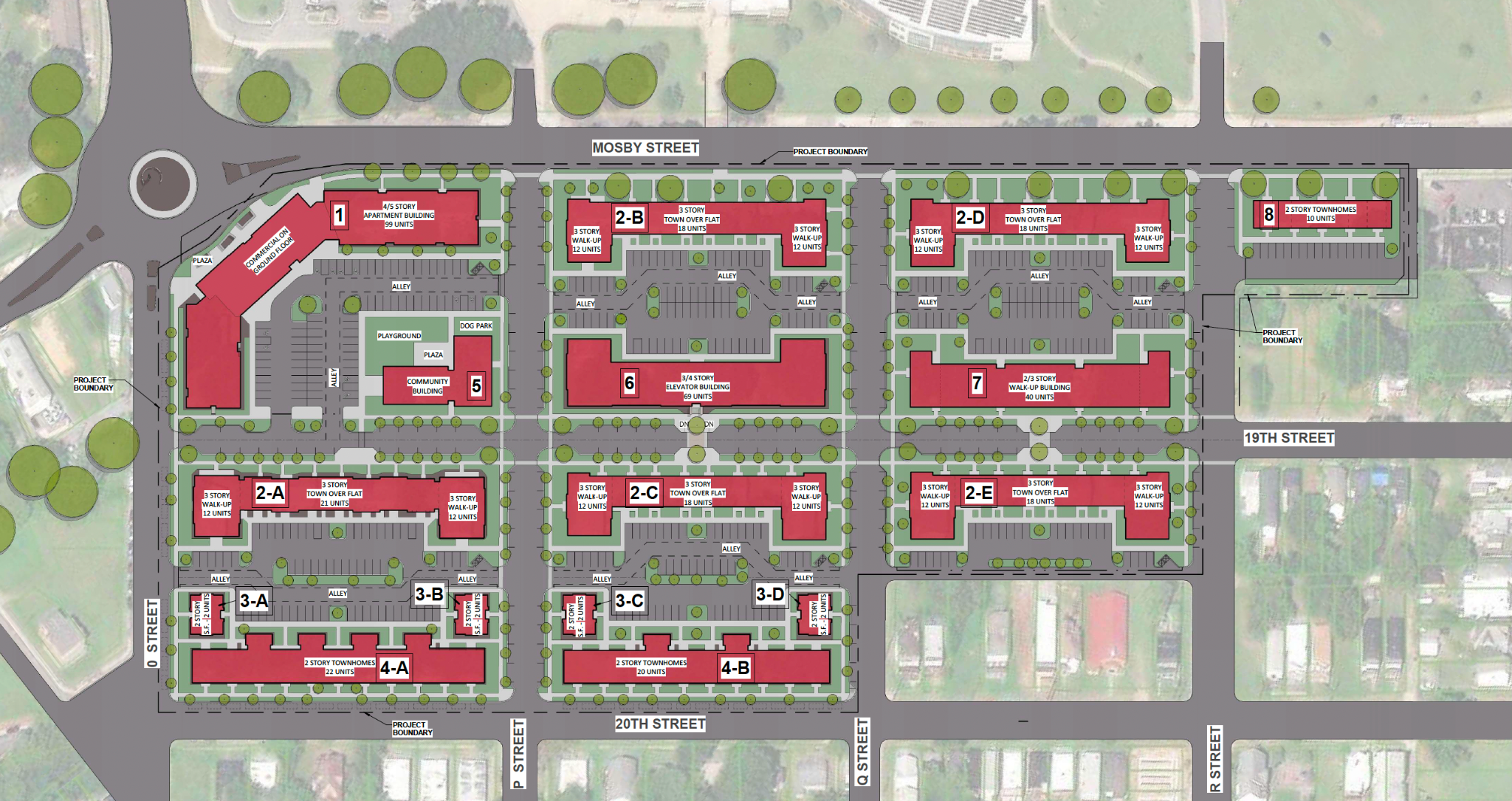
Of those 478 units, RRHA Senior Vice President of Real Estate Sherrill Hampton confirmed that current plans call for 120 to be reserved for residents with housing vouchers making less than 30% of the area median income. The remaining units would be earmarked for households making between 30% and 80% AMI.
However, she noted in an email, “unit totals and affordability mixes may be adjusted as the project advances through final planning and financing stages.”
City planners highlighted several aspects of the proposal that they considered favorable. It would concentrate the greatest amount of density and mixed uses along the highly trafficked Mosby Street, with building heights decreasing as they move toward the surrounding neighborhoods. Parking would be concentrated in the rear of the buildings, which would sit close to the street, separated by new sidewalks and street trees. And several blocks of 19th Street between O and R streets that were closed when the current community was built in the 1960s would be reopened and reconnected to the street grid.
“This is one of the most important things with new development,” said planner Shaianna Trump.
The buildings proposed would vary in size and design throughout the site. The largest would be a five-story mixed-use building anchoring the corner of Mosby and O streets where downtown traffic enters the East End from the Leigh Street Viaduct. Others would be a combination of attached townhomes and multifamily buildings ranging in size from 12 to 69 units with either elevator or walk-up access.
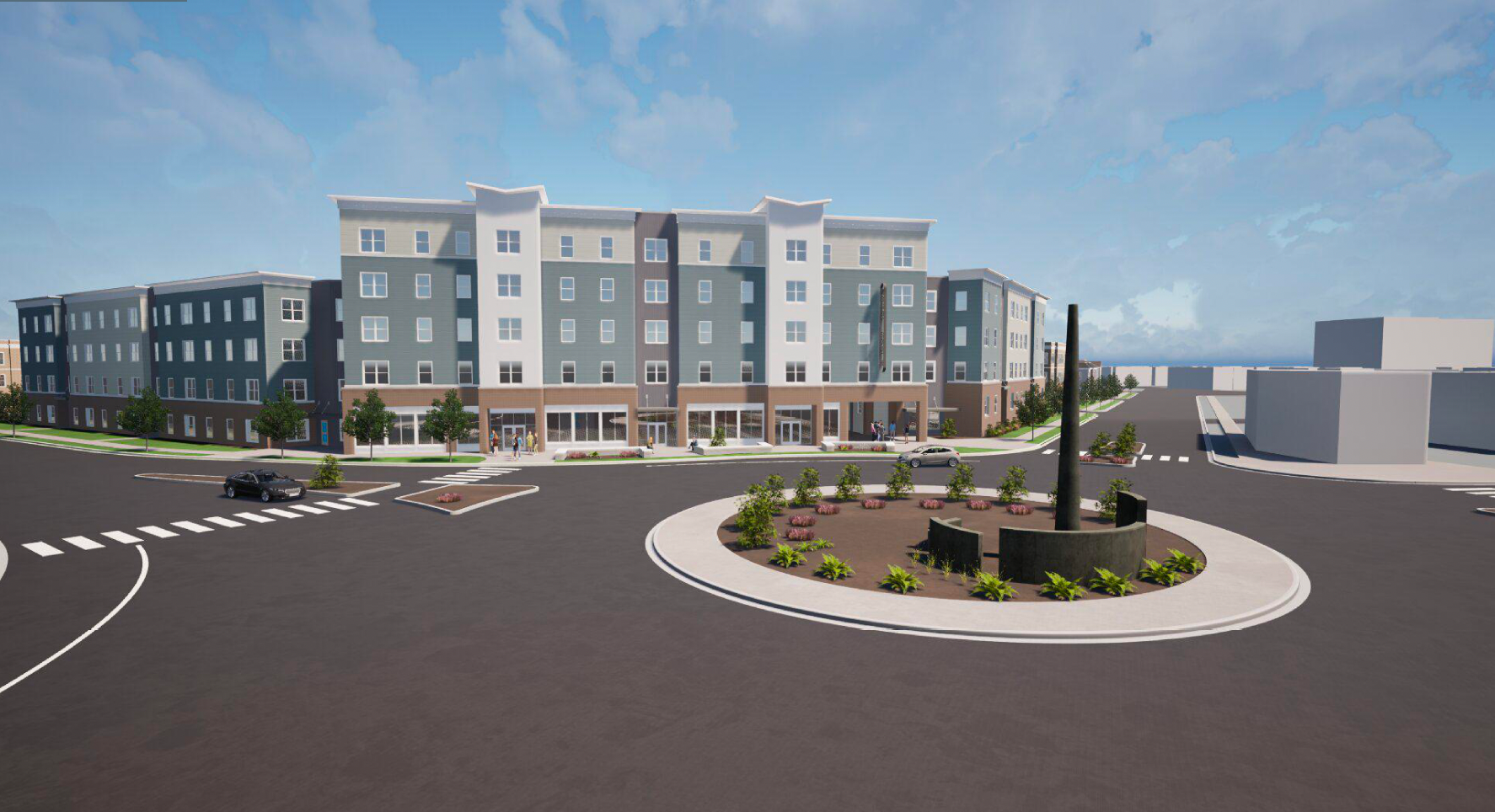
Overall, the proposal would create what Trump called “a great jump in density” for the parcel, although she said the growth would occur over time as a result of RRHA’s plans to redevelop the site in three different phases.
“This is a multiyear project, so the density will be incremental,” she said.
Besides the residential and mixed-use buildings, the preliminary plan calls for the construction of a community building with a playground and dog park in the interior of the site.
Eric Maring, an architect with Hooker DeJong, said the building would be for the leasing office along with “resident amenities” like a fitness center, library and lounge space.
“We had other plans where we had larger green spaces in them,” he said. But “we kind of went more towards density.”
 Sarah Vogelsong
Additional green space can also be found several blocks away from the site, at the brand-new Lucks Field park and community center that sits next to the Fairmount Pool.
While praising the plan’s incorporation of trees along the surrounding streets, Commissioner Burt Pinnock said he was less satisfied with the amount of green space within the interior.
“I fear what may actually become massive asphalt parking lots on the inner parts,” he said.
Mark Olinger, Richmond’s former planning director and the only member of the public who provided a comment on the plan, similarly urged that the proposal preserve more of the green space that exists on the current, less dense site.
“It should be re-done by reducing the number of units, re-think the street/parking requirements, save more of the green space, create play areas, community gardens, etc., that make people and families want to live there,” he wrote in an email to the commission.
Ultimately, the Planning Commission recommended that RRHA consider making the interior parking area “greener” as it develops its plans. The body also suggested prohibiting the use of vinyl siding as a possible material in construction.
“I personally don't think vinyl siding at this level of density should be permitted,” said Sharon Ebert, Richmond’s deputy chief administrative officer for economic and community development, who was serving as the city’s representative on the commission.
Sarah Vogelsong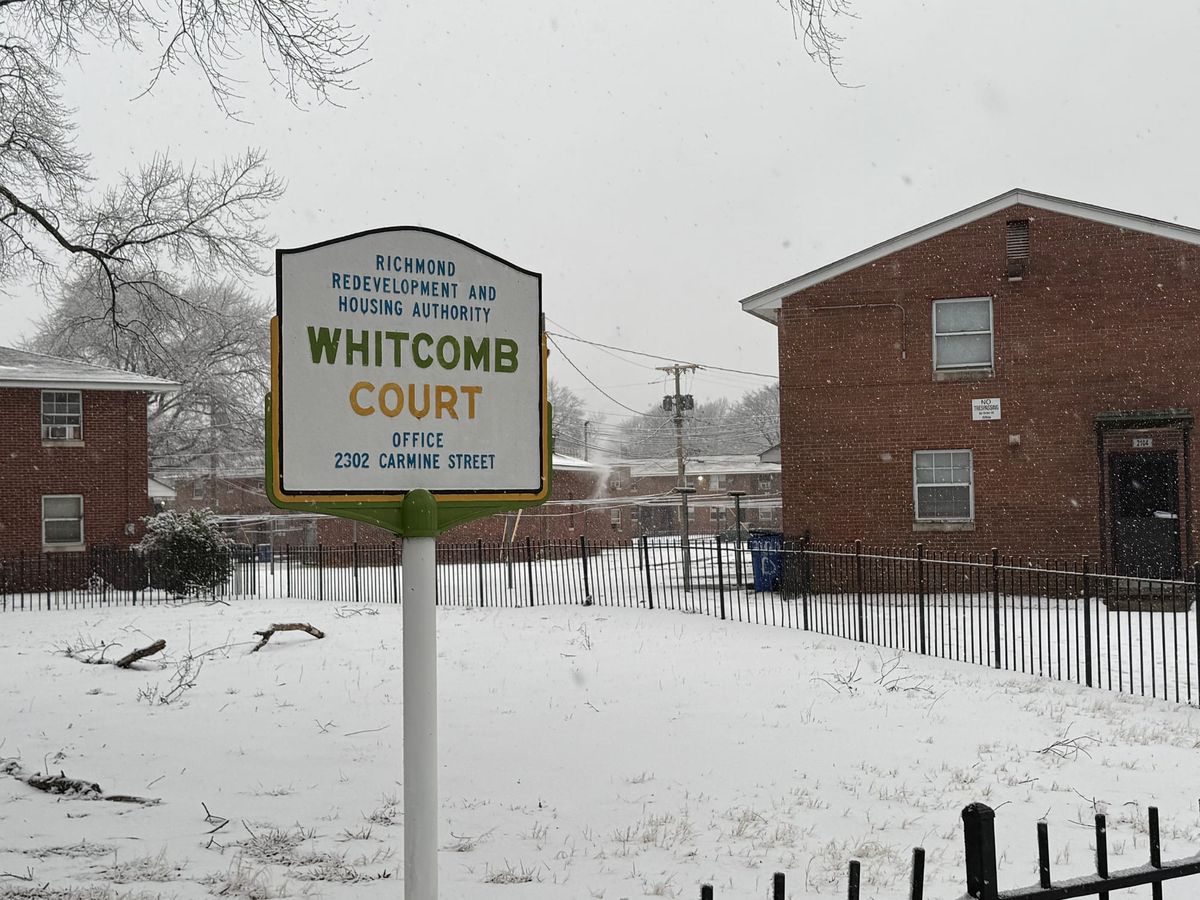
Larger plans
The roughly $176 million Mosby Court South redevelopment is one of several major projects RRHA has underway to redevelop its aging public housing communities throughout Richmond.
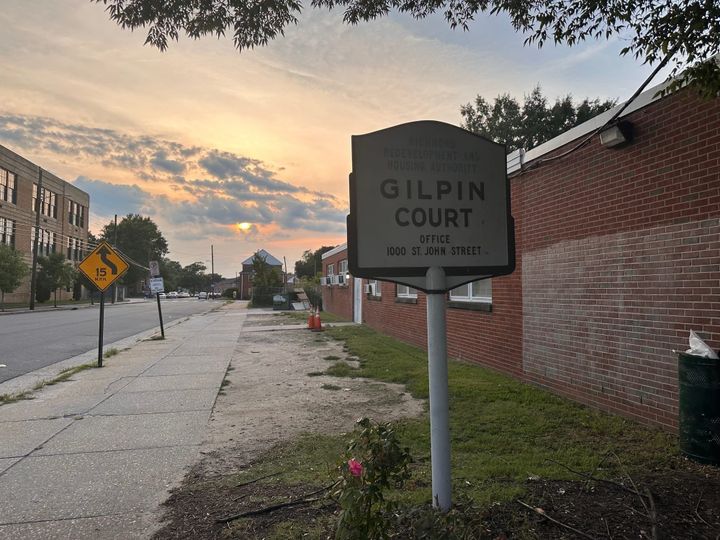
The overhaul of Creighton Court, including the construction of the new Armstrong Renaissance community in North Church Hill, has been underway for several years, while plans are still being shaped for the redevelopment of Gilpin Court in concert with the city.
Outside of the community unit plan, RRHA will still need to get approval from the U.S. Department of Housing and Urban Development to begin redevelopment of Mosby South. Hampton told The Richmonder that the authority intends to submit its application in November or December 2026, “and no later than January 2027.”
As part of that application, the authority will need a letter of support from Mayor Danny Avula. Hampton also said RRHA will have to finalize agreements related to historic preservation and finalize financing and funding commitments.
On Tuesday, RRHA head Steven Nesmith said that one critical agreement, a tenants’ bill of rights for current Mosby South residents, is nearing resolution.
Those documents offer protections for residents as they transition from publicly owned housing to privately owned units occupied using a voucher — a shift that the federal government has increasingly encouraged in the past two decades.
Hampton said that the Mosby Tenant Council and Richmond Tenant Organization met with RRHA leadership on May 14 to sign the agreed-upon bill of rights. That document will be presented to the authority’s board of commissioners at its June meeting and will also need the signatures of board Chair Eddie Jackson, Avula and City Council President Cynthia Newbille.
Contact Reporter Sarah Vogelsong at svogelsong@richmonder.org