Richmond takes further actions to distance itself from ICE
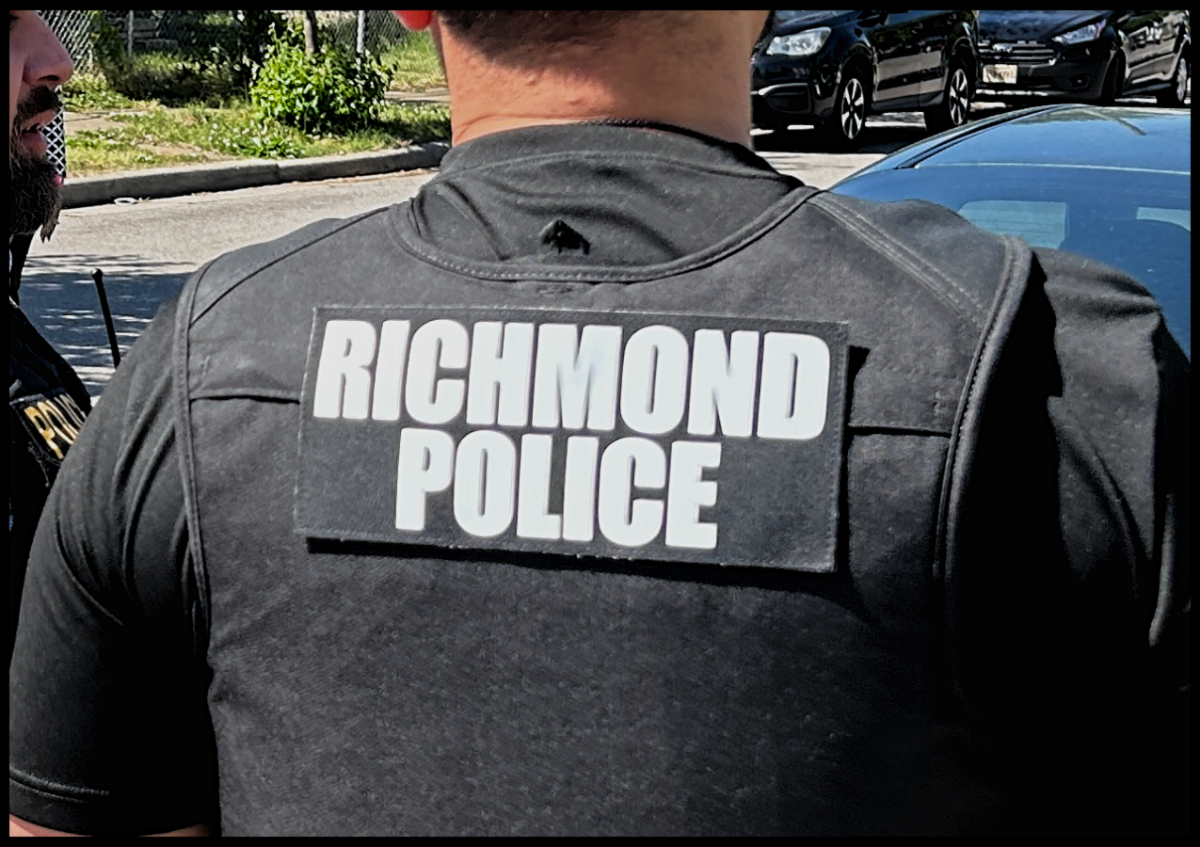
Mayor Danny Avula announced Tuesday that the city is taking additional steps to separate itself from U.S. Immigration and Customs Enforcement, including putting new limits on sharing data captured by Richmond’s Flock license plate readers and adding bigger patches to officers’ uniforms.
Richmond Police Department already has rules in place meant to prevent Flock data from being shared with federal law enforcement. According to the mayor’s announcement, RPD is expanding that policy to also include local jurisdictions in Virginia that have cooperation agreements with ICE.
“This helps ensure that technology deployed to solve local crimes in Richmond is not used as a tool for immigration enforcement in other localities across the Commonwealth,” the city said in a news release.
Avula has expressed opposition to the Trump administration’s immigration enforcement tactics since the mayor took office at the start of 2025. Tuesday’s announcement fleshes out that stance with a few new policies meant to shield Richmond’s immigrant population.
“The fear our neighbors are feeling right now is real — the fear of going to work, taking children to school, or even running everyday errands like going to the grocery store,” Avula said in the release. “Our city government exists to serve all Richmonders, and we will continue to work to build the trust that is essential to keeping our communities safe.”
Anti-Flock activists have been pressuring Avula to end the use of Flock cameras altogether, arguing the camera network creates a mass surveillance tool that’s too susceptible to abuse. Avula and RPD Chief Rick Edwards have defended the use of Flock, saying the cameras have helped a short-staffed police department solve numerous violent crimes in the city.
Officials have said the city has safeguards in place to prevent misuse of images captured by Richmond’s Flock cameras, but the police chief recently disclosed a violation of those rules when Richmond data was improperly shared with the Federal Bureau of Investigation.
 Juliana Vandermark
It’s not clear how often the city was sharing Flock data with Virginia localities that cooperate with ICE. None of Richmond’s neighboring counties have agreements in place with ICE. Shortly after taking office this year, Gov. Abigail Spanberger ordered state law enforcement agencies to end any cooperation agreements with ICE.
Avula said the new restriction on Flock data-sharing was part of a package of recommendations from his Inclusive Communities Preparedness Work Group created in January.
The mayor’s administration also said RPD uniforms have been updated with more clearly visible “RICHMOND POLICE” patches to better distinguish local officers from federal agents.
“We want every resident to feel safe calling us for help, reporting crime, or speaking with an officer,” Edwards said in the release.
Sarah Vogelsong
The city will also prohibit ICE from using city property for its operations, including city-owned parking lots. Richmond officials will also set up a “regular cadence of meetings” with the local ICE field office, the city said, to “advocate directly for the safety and dignity of Richmond residents while still upholding its commitments to resident safety.”
ICE did not immediately respond to a request for comment on the city’s announcement.
Contact Reporter Graham Moomaw at gmoomaw@richmonder.org