Need something new? Try these four lesser-known museums in Richmond
Summer is upon us, and with it comes the desire to get out of the house and do something fun.
The charms of Richmond’s better-known museums — your Virginia Museum of Fine Arts, your Virginia Museum of History and Culture, your Science Museum of Virginia — are well known and well documented. But what of Central Virginia’s lesser-known institutions?
Just in time for summer, here are four local museums that are slightly off the beaten path.
Richmond Railroad Museum
Broad Street better watch out: dinosaurs and dragons are attacking the city.
Or, at least, they’re attacking a model replica of the city found at the Richmond Railroad Museum. Look closely at the museum’s massive model railroad layout of buildings, landscapes and waterways and you’ll find current and former Richmond landmarks — Miller & Rhodes, Thalhimers, the Governor’s Mansion — as well as some reptilian visitors to the River City.
“We try to cater to all different ages,” explained George Saunders, museum committee chair and no known relation to the fiction writer, of the model train diorama that took 15 years to construct. “Three to 103, we get it all.”
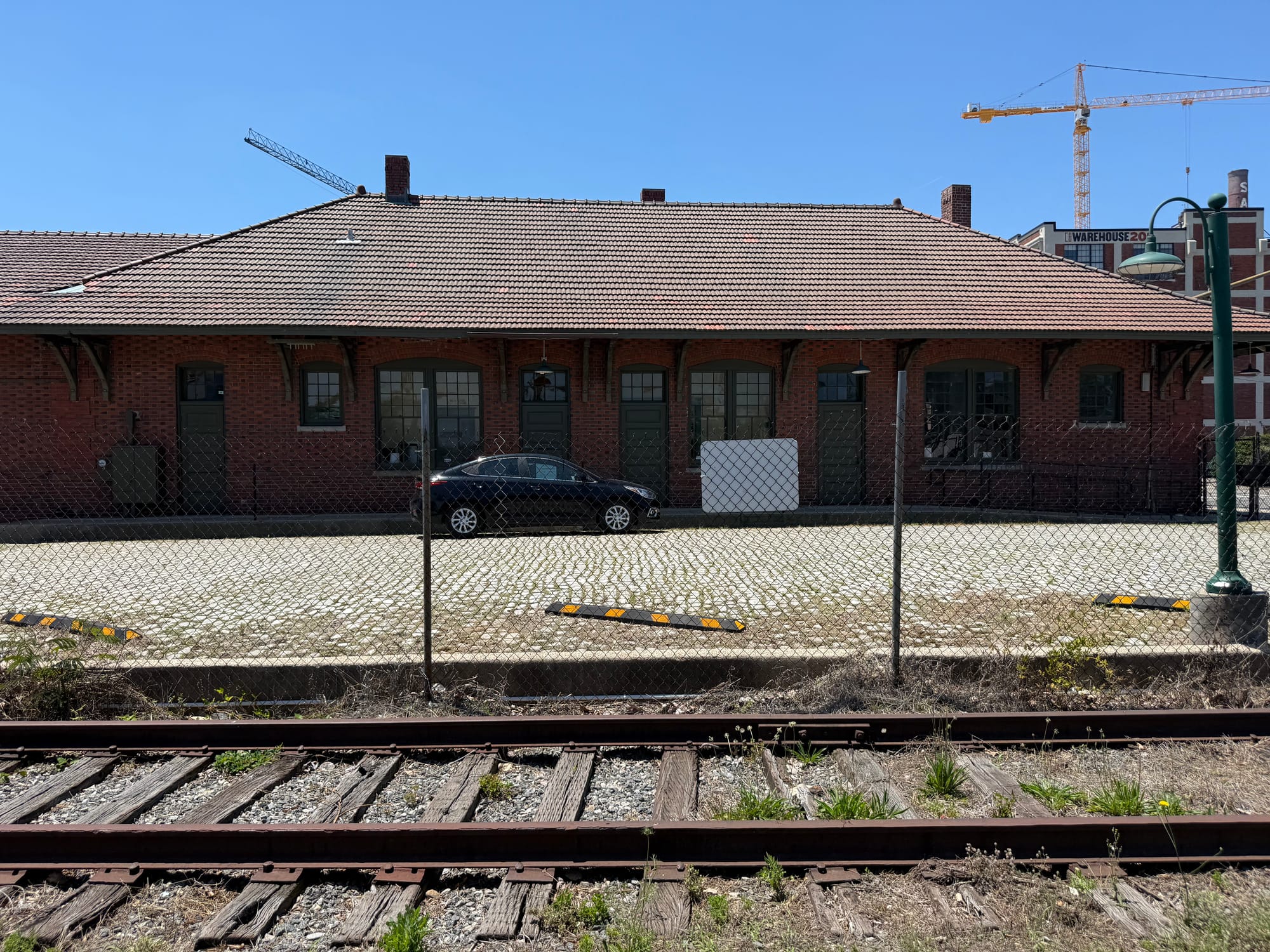
Housed in the restored 1914 Southern Railway Station just south of the Mayo Bridge, the Richmond Railroad Museum offers visitors a deep dive into the history of Virginia’s trains. The station, which once served both passengers and freight, was donated to the organization by the railway after part of the building was destroyed by flooding in 1972.
The nonprofit now owns the building, the land it sits on, and 10 acres in Chesterfield where it stores roughly 40 railroad cars. The museum devotes exhibition space to railroad dining memorabilia, Richmond’s long defunct streetcar system, and our triple crossing of railroad lines near Belle Isle. The museum on Hull Street includes a steam engine, rolling stock, and a Seaboard System caboose.
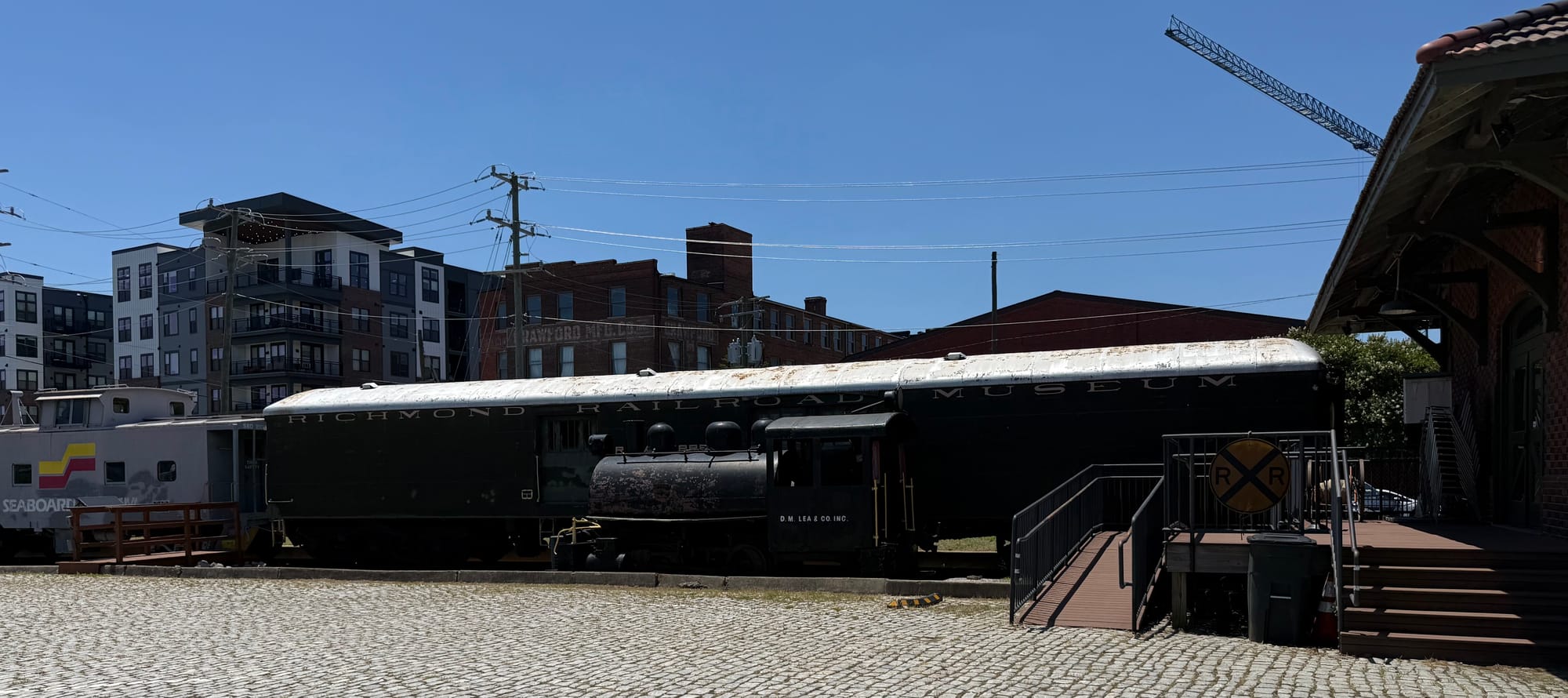
“People love taking selfies on that thing,” said Saunders of the latter.
The Richmond Railroad Museum is open Saturdays and Sundays and located at 102 Hull St. Admission is free-$10. For more information visit richmondrailroadmuseum.com or call 804-231-4324.
Keystone Truck & Tractor Museum
As the first production farm tractor built with a cab, the 1938 Minneapolis-Moline UDLX Comfortractor had a unique selling point: “Farm during the day, drive to town at night!”
A gleaming metal beast in traffic cone orange, the UDLX looks like the love child of a tractor and a Model-T. Both the Comfortractor and its story can be found at the Keystone Truck & Tractor Museum just off of I-95 in Colonial Heights.
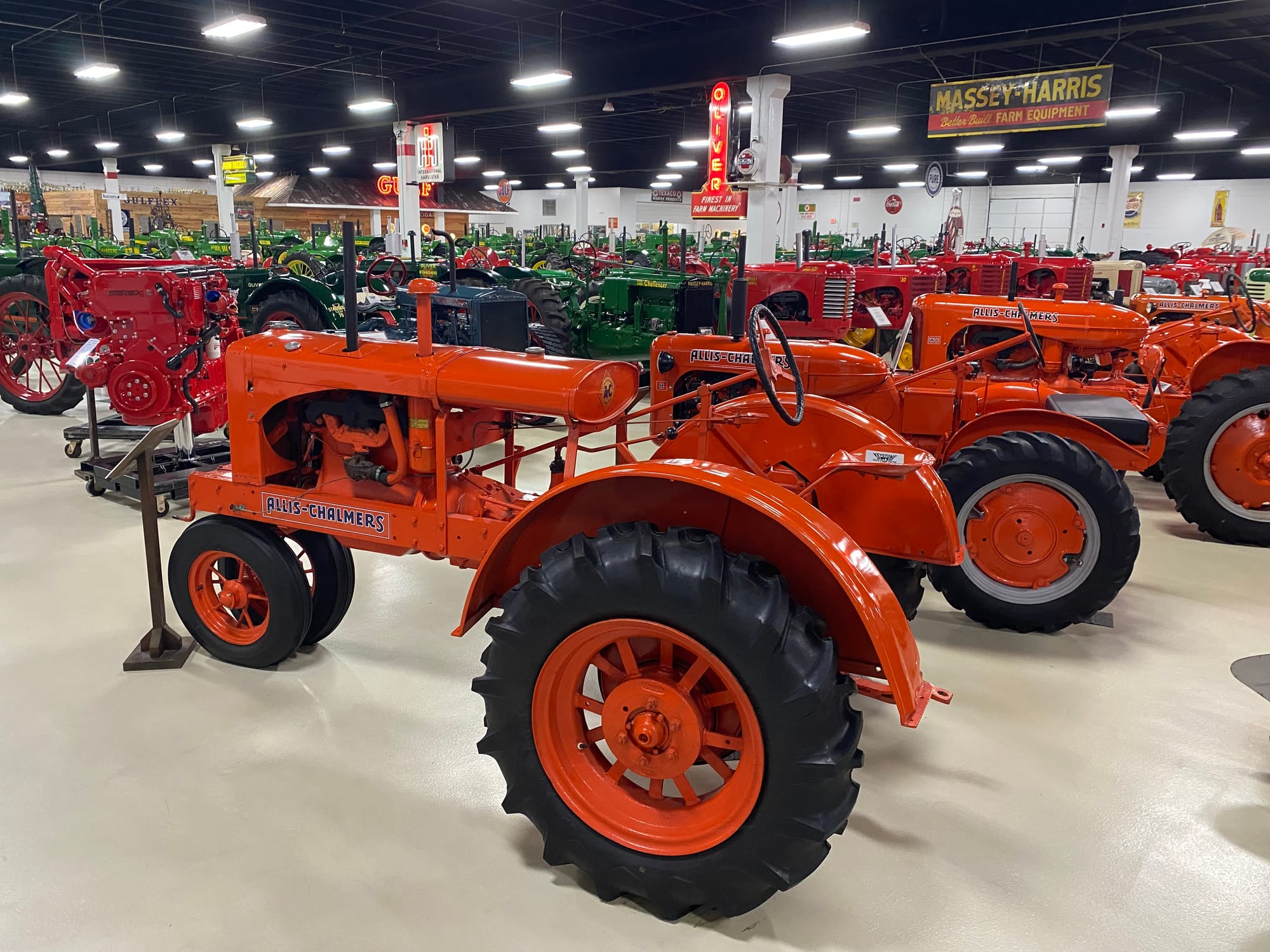
The massive 130,000-square-foot facility houses more than 400 vehicles, including some 150 trucks and 180 tractors. The collection got its start when Keith Jones, the co-founder and former CEO of Richmond-based Abilene Motor Express, purchased his aunt and uncle’s 1950 John Deere Tractor in 1989.
“He started collecting tractors then, going to different auctions,” said Dylan Simmons, assistant curator at the museum. “The rest is history.”
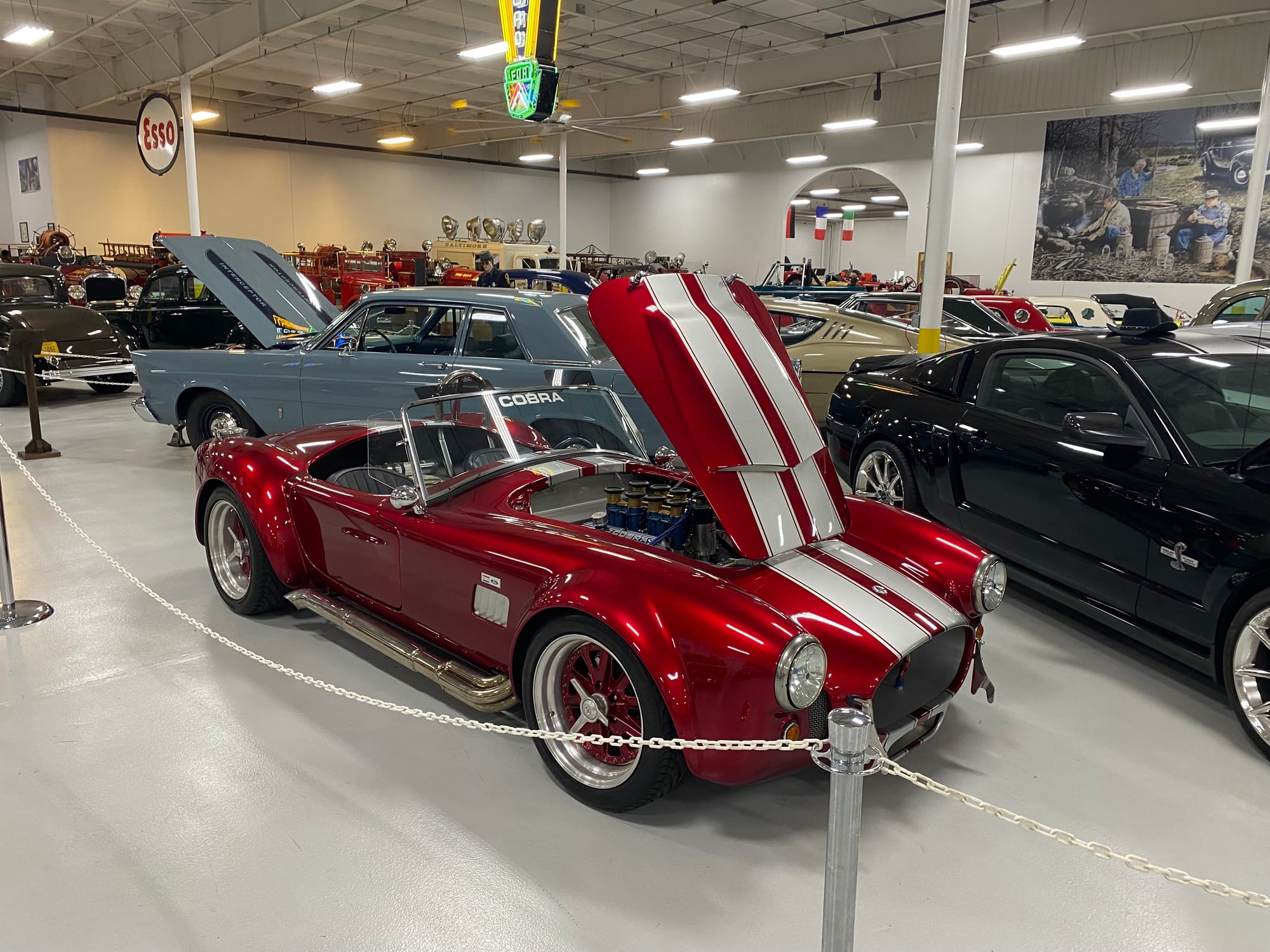
Jones opened his collection to the public as a museum in 2010. For tractor aficionados, the main room of the museum is packed with John Deeres, Farmalls, Olivers and International Harvesters from the 1910s through the 1970s. For gearheads of other persuasions, the museum has 18-wheelers, wreckers, firetrucks, Studebakers, Harleys, 1950s Ford Thunderbirds, 1955 and 1957 Chevrolets, and a replica of the first ever Virginia State Police car. The museum also has a 1967 Cadillac DeVille that was loaned to the production of the James Brown biopic “Get On Up” starring Chadwick Boseman.
The museum houses a variety of other collectibles as well, including tobacco displays, old soda bottles, antique washing machines and other bric-a-brac. The facility also has an event space that has seen use for banquets, birthday parties, weddings and funerals. A major draw for locals is the Keystone Grill, a greasy spoon in the front of the museum that fries its bacon seven days a week; Simmons is partial to a lunchtime steak and cheese.
The Keystone Truck & Tractor Museum is located at 880 W. Roslyn Road, Colonial Heights. For more information visit keystonetractorworks.com or call 804-524-0020.
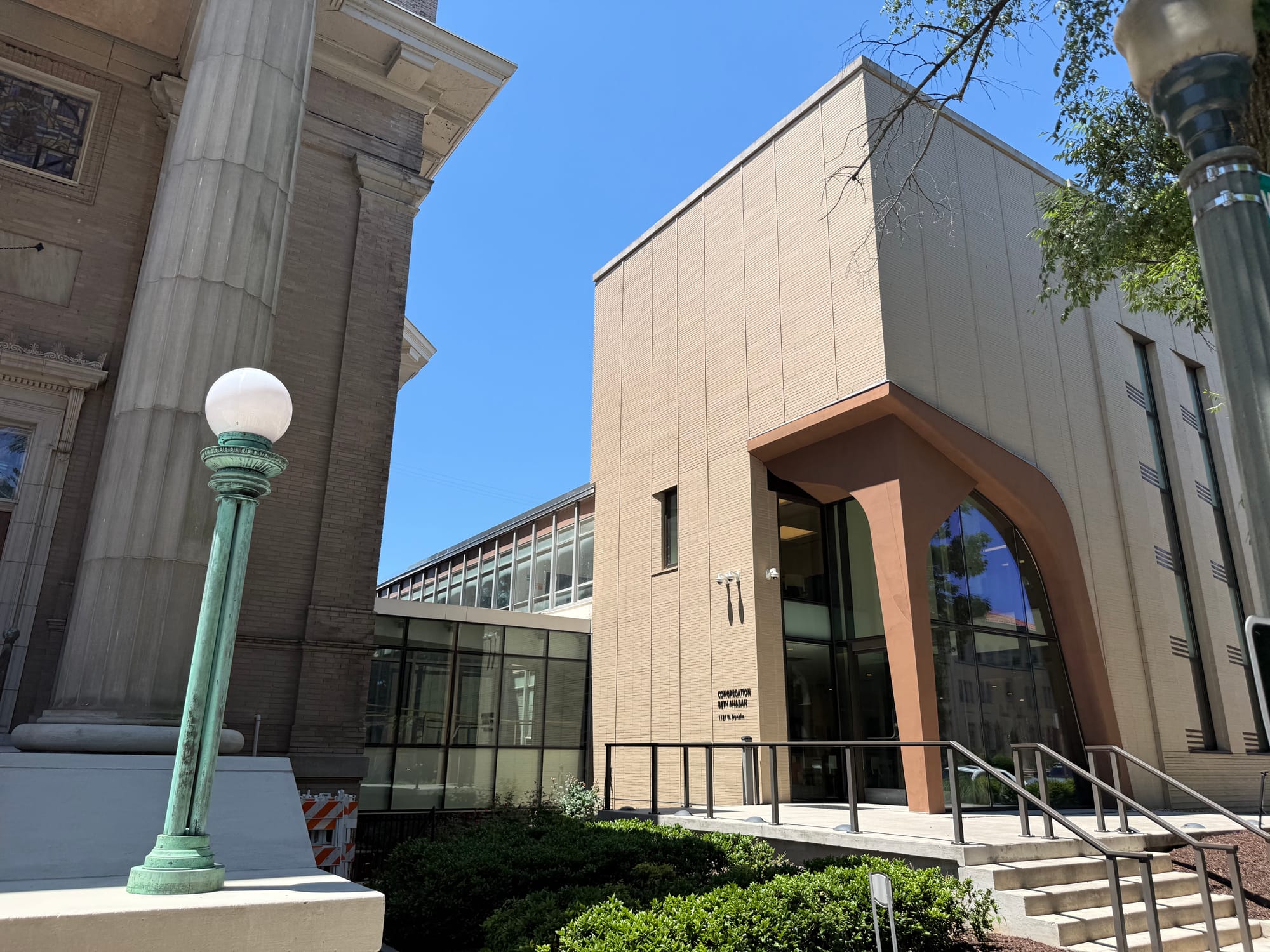
Beth Ahabah Museum & Archives
An oyster fork might seem like an innocuous piece of cutlery, but for Congregation Beth Ahabah it was once the basis for outrage.
Edith Lindeman Calisch, longtime film and theater critic for the Richmond Times-Dispatch and daughter-in-law of Beth Ahabah’s longest-serving rabbi, caused a commotion when she served oysters to fellow members of her congregation at a banquet.
“It was scandalous, because oysters are not kosher,” explained Dana Isaacoff, director of the Beth Ahabah Museum & Archives on West Franklin Street. “It’s the Yiddish word ‘treif.’”
An oyster fork from that infamous banquet is one of the many items Beth Ahabah has collected over the years.
The museum was first established as an auxiliary organization to the synagogue in the mid-’70s to collect and preserve artifacts that were important to the congregation. That collection includes letters, scrapbooks, blueprints of the synagogue, scrapbooks, and other artifacts. At a climate-controlled archive off site, the museum has more than 180,000 pages of historical information about Jews in Richmond.
The museum moved into its current space in January 2025. Isaacoff and museum archivist Tracy Herman are thrilled with their new digs, noting that their previous location didn’t have an HVAC system.
Though Beth Ahabah’s controversial oyster fork is not on display at the moment, the exhibition “Rituals of the Jewish Lifecycle” is. The exhibit uses artifacts to represent different phases of Jewish life, including a tallit worn during a bar mitzvah and shrouds for the burial of the dead.
The museum also has family documents and correspondence from Lewis Strauss, a former congregant who played a key role in America’s development of nuclear weapons. Strauss attended services at Beth Ahabah while growing up nearby on West Avenue. In the 2023 film “Oppenheimer,” Robert Downey Jr. portrayed Strauss as an antagonist to Cillian Murphy’s J. Robert Oppenheimer; Downey won an Oscar for the role.
Herman encourages Richmonders to visit the Virginia Holocaust Museum but stresses the need to learn about other parts of Jewish history as well.
“There is such a prominent focus on that, that people often overlook what was here before and after, and the profound effect that Jewish families had helping to build this city,” Herman said. “There is a very deep and rich history that people may not be aware of.”
Beth Ahabah Museum & Archives is located at 1121 W. Franklin St. For more information visit bethahabah.org or call 804-358-6757.
The Anderson
At a February 1983 fundraising event for the Anderson Gallery, one patron took the evening’s heated theme of “Tropical Madness” so seriously that he burst into flames.
That night, prominent local arts patron Patsy Pettus arrived at the costume gala with a Carmen Miranda-inspired hat and her 15-year-old son Ted in tow. The teen was recovering from surgery and decided to wear a poncho to embrace the tropical motif.
Leaning back against a table topped votive candles, the teen accidentally lit his costume on fire; two quick-thinking New Yorkers tackled Ted and rolled him on the floor, putting out the flames.
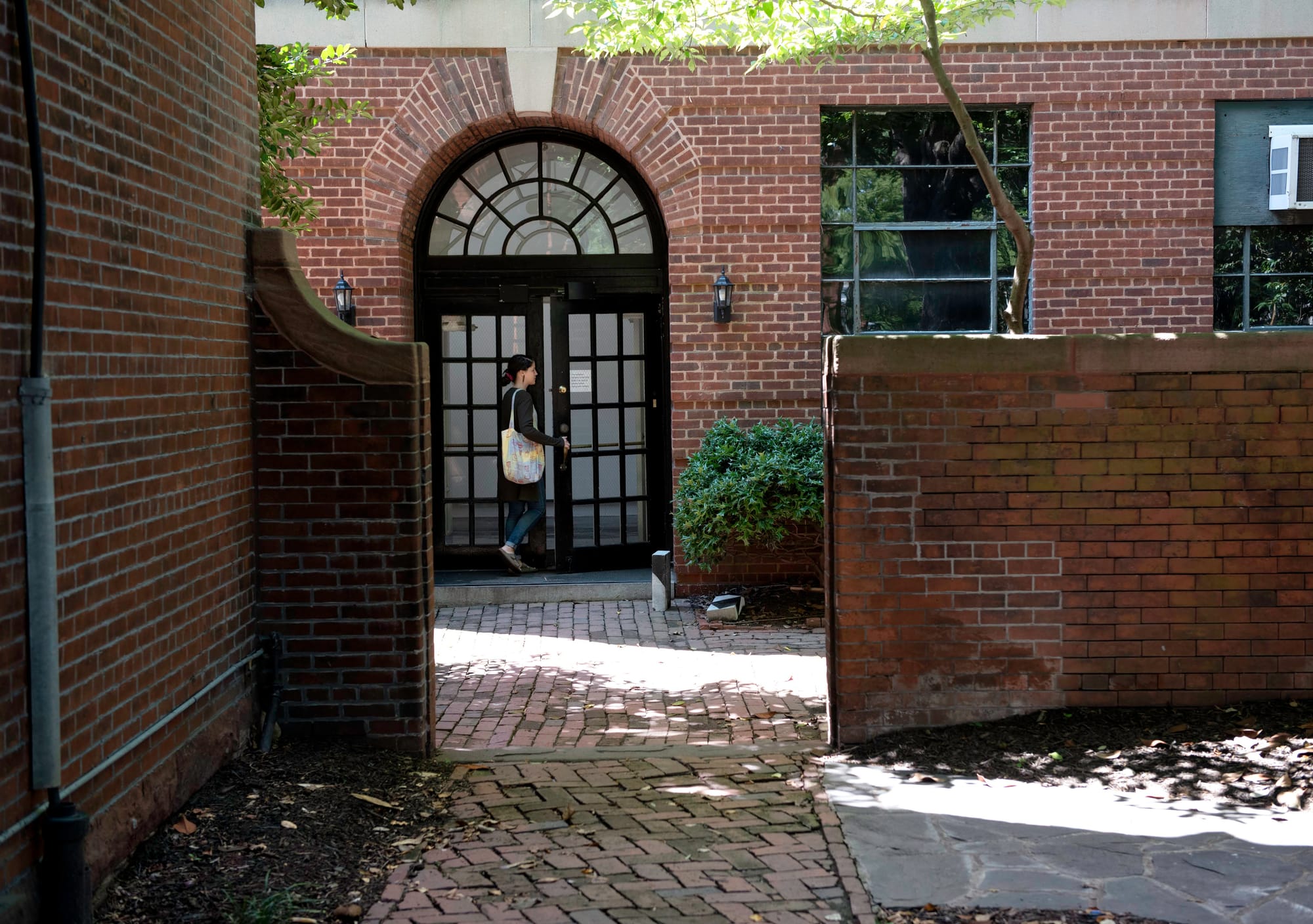
As this anecdote attests, The Anderson has had a colorful history. The building originally served as the horse stables for Lewis Ginter’s house on West Franklin Street. In 1931, the structure became an art gallery, serving as the first place in Richmond to exhibit modern artists. Henry H. Hibbs Jr., the provost of Virginia Commonwealth University’s predecessor Richmond Professional Institute, incorporated the gallery into the school as its first library. When James Branch Cabell Library opened in 1970, the Anderson reverted back to a gallery.
“It predates the VMFA,” explained Taylor Moorman, research and collections specialist at Cabell Library. “It was the school’s only place to show artwork. It’s a really important space for the school.”
The Anderson Gallery, as it was then known, became a nationally-renowned art museum, and was championed by businesswoman and philanthropist Frances Lewis (Lewis died in January at the age of 103). Over its many years as an art gallery, the Anderson has shown African textiles, old master prints and Yoko Ono’s “Fly” installation. It also once housed a Van Gogh that Hibbs donated to the school. The gallery closed in 2015 but has found new life in recent years.
The Anderson now exhibits student work, serving as a teaching gallery for VCUarts. It’s closed to the public during the summer but will reopen on August 28 for “The Latent Image of Us,” a solo show of Baltimore-based artist Kei Ito’s work.
The Anderson is located at 907½ W. Franklin St. For more information visit arts.vcu.edu/community-campus/the-anderson/ or call 804-828-7720.
Want to suggest a museum or attraction for us to check out? Email news@richmonder.org. VCU is a sponsor of The Richmonder but was not allowed to influence or review this story.