National vet shortage impacting Richmond facilities
A nationwide shortage of veterinarians is having impacts locally, as practitioners are exiting the field or retiring in large numbers at a time when pet ownership is on the rise.
According to data put out in 2025 by the Healthcare Data Workforce Center about burnout, 40% of Virginia veterinarians who responded to their survey said they’re experiencing burnout.
That's happening as large companies are buying up practices and consolidating care across the country.
In Richmond, the shortage is being felt at the Susan M. Markel Veterinary Hospital at the Society for the Prevention of Cruelty to Animals (SPCA), which is temporarily closed on Fridays. The change took place on April 6.
“There is a shortage in veterinarian candidates coming out or applying to jobs,” said Dori McGuire, director of communications at the SPCA. “We've seen over the course of many months, it has become a bit of a challenge to hire veterinarians.”
McGuire said the hospital, which recently celebrated its 10th anniversary, had been fully staffed. But when one doctor left, it caused changes to their normal operating schedule.
But Richmond’s SPCA’s veterinarian hospital staffing shortage is not unique.
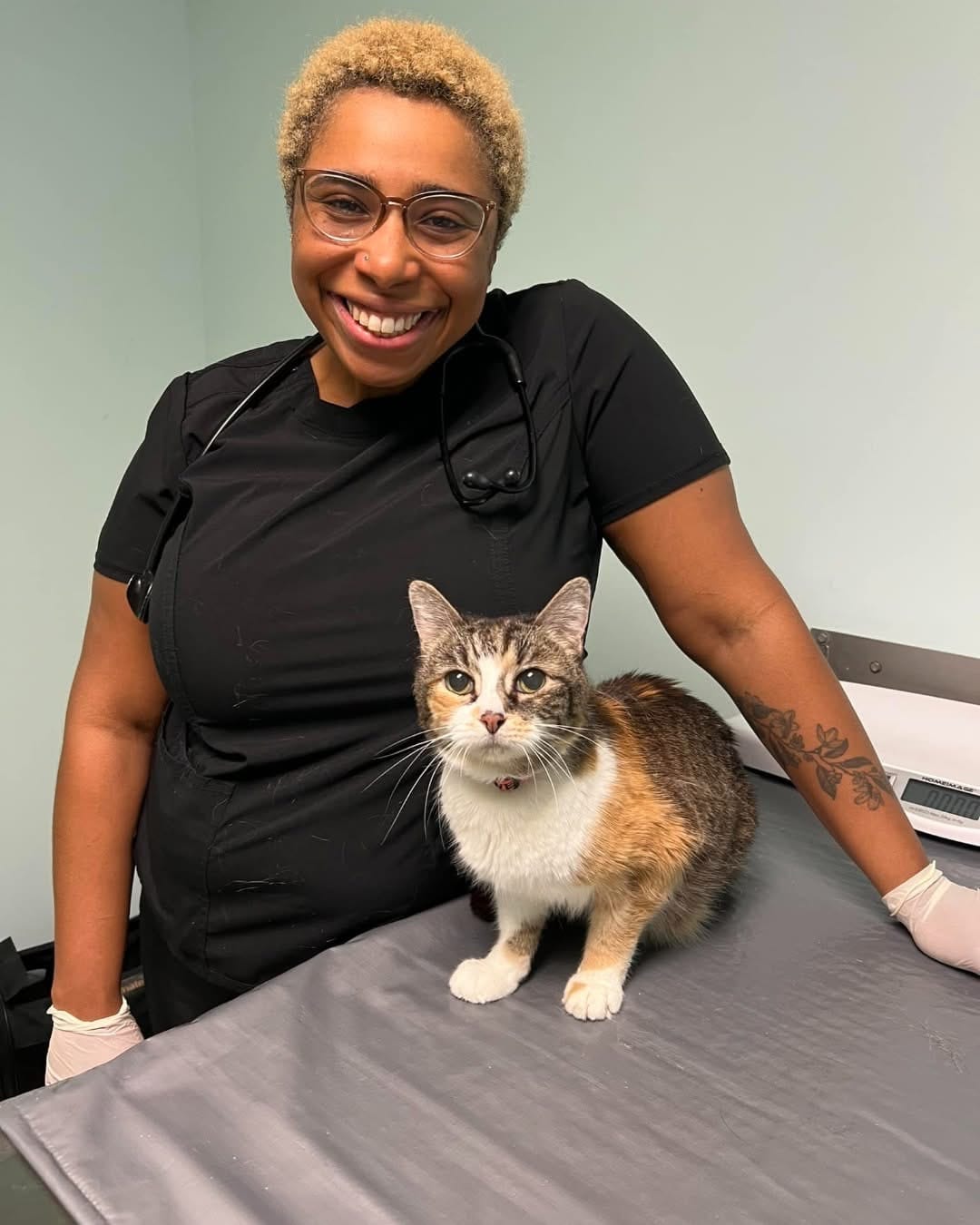
“There is a national shortage of licensed veterinarians across the industry,” said Dr. Brit’nee Haskins, the veterinary medical director and veterinarian-in-charge at the Richmond SPCA. “And that shortage is a result of multiple factors that include, but are not limited to, the impact of the corporatization of veterinary medicine, enormous student loan debt saddling veterinarians and burnout.”
Haskins said veterinarian professionals are increasingly burning out because of how their clients are being priced out of medical treatment options, which leads vets “to make tough decisions about their careers.”
A national trend
In the United States, there are 36 accredited colleges of veterinary medicine, according to the American Veterinary Medical Assocation. And according to the AVMA, in 2025 there were an estimated 133,475 veterinarians employed nationally, with more than 70% of them working in a clinical practice.
Those 100,000-plus employed veterinarians take care of more than 87 million dogs and 76 million cats in the country, according to the AVMA.
In Virginia, that number is 7,561 veterinarians with active licenses, said Kelly Smith, director of communications with the Department of Health Professions, which includes the Virginia Board of Veterinary Medicine.
President Dr. Michael Bailey of the AVMA said they are working to address the lack of veterinarians in the industry, and that their goal is to make sure there are enough veterinarians to meet current and future demands of vet services.
“The AVMA also believes that it is essential that all veterinarians be properly trained to care for the animals under their care,” he said. “That said, the AVMA recognizes that workforce challenges do persist in specific sectors. Emergency and specialty practice, rural practice (particularly food animal and equine medicine), shelter medicine, academia, and public health continue to face recruitment and retention hurdles.”
Vet clinics as big business
Low-cost clinics like the Richmond SPCA are competing for doctors with national clinics like Banfield, VCA Animal Hospital or Mars Veterinary Health.
Mars, the company that owns Snickers and M&Ms, also owns a slew of veterinary hospitals – including the three mentioned above.
Another company, JAB Holding, owns NVA General Practice, which has 1,000 community hospitals in the U.S. and Canada. Among its other holdings are Panera Bread, Einstein Bros Bagels and Krispy Kreme.
Writer M. Carolyn Miller, recently wrote for the American Animal Hospital Association about how local veterinary clinics are being taken over by large corporations and private equity firms.
“I'm intrigued by that because, I pull up to a strip mall and I see one of the franchise veterinary hospitals and I see people go in there,” she said. “And I think to myself, if they really knew who owned this practice, they would probably not go there.”
Miller said wondering about the background of local vet offices can be confusing for clients who think they’re supporting a local business.
“Often they keep the name of the original owner,” she said. “It's like, there's a print shop here in town, Beard's Print Shop, and he sold out, but they kept his name. So you still think it's a local print shop, but it's not.”
Some groups, like the Private Equity Stakeholder Project, are alerting pet owners about how they believe some private equity firms do not have the best interest of their animal patients in mind.
Miller said, though, not all private equity firms who buy up practices are bad. One dog owner put together a search engine to track ownership.
At the Richmond SPCA, McGuire said they’ve expanded their search for a new vet to fill the gap, which includes checking with veterinary schools. They hope to be back to a regular schedule soon.
“We are looking for veterinarians who are tired of the status quo and want to deliver care to pets whose guardians have limited means, but unlimited love for their companions,” she said.