After more than a century, Richmond’s historic Pump House is getting a new roof
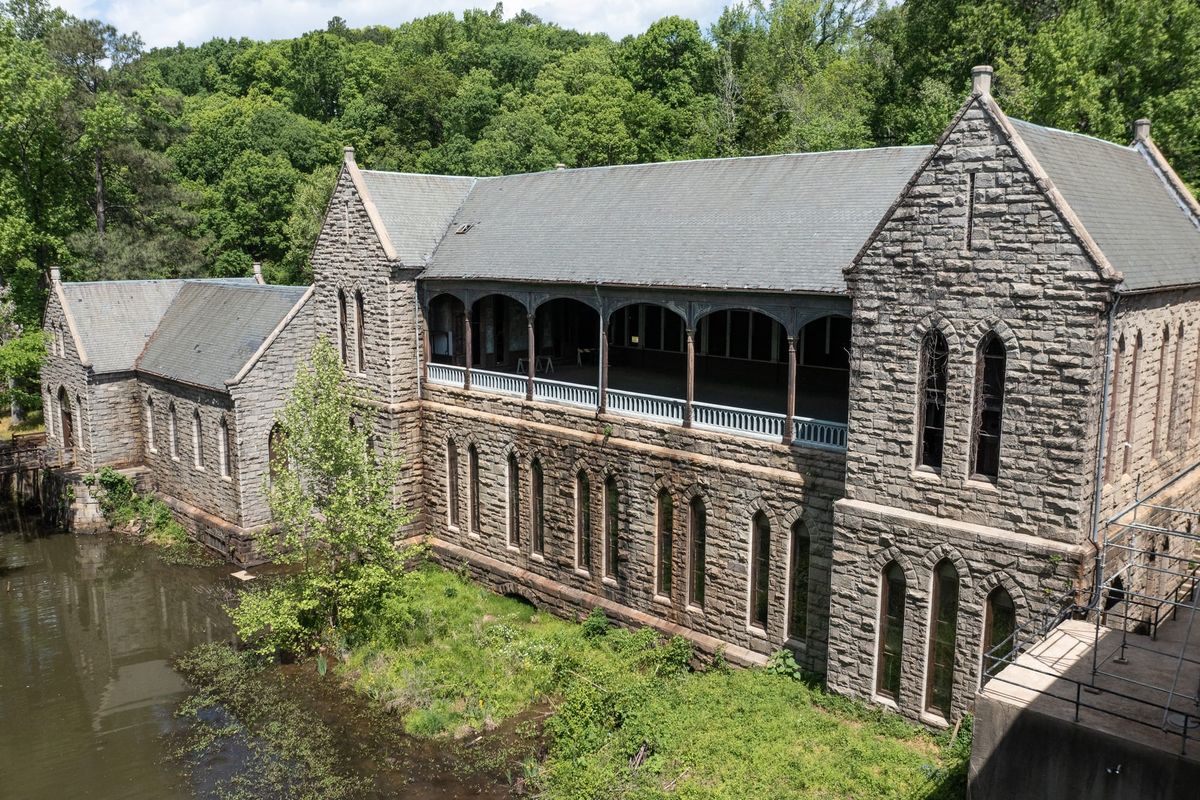
As Giles Garrison walked through the Gothic halls of Richmond’s Pump House, her footsteps were punctuated by a soft but persistent sound:
Drip. Drip. Drip.
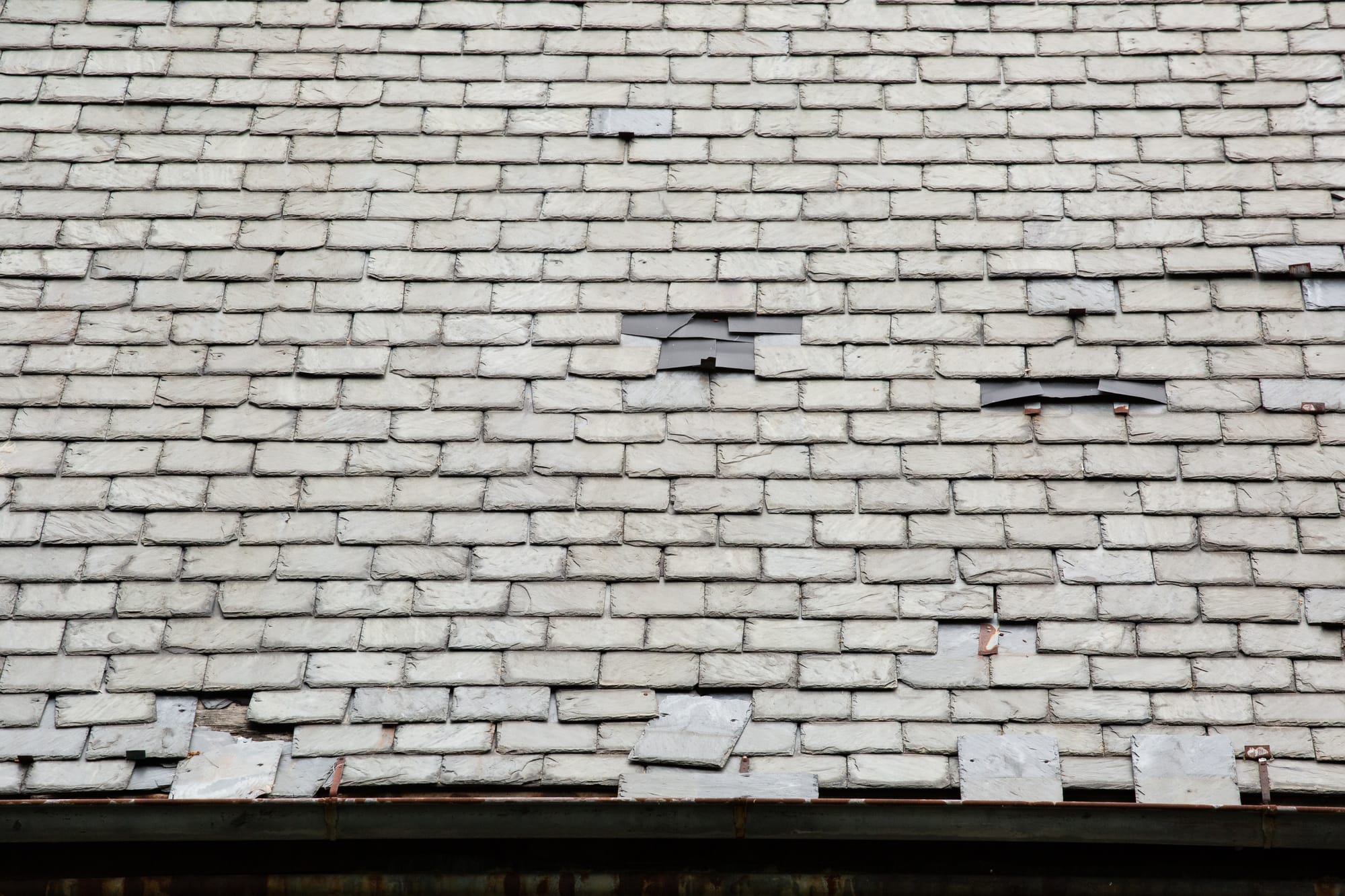
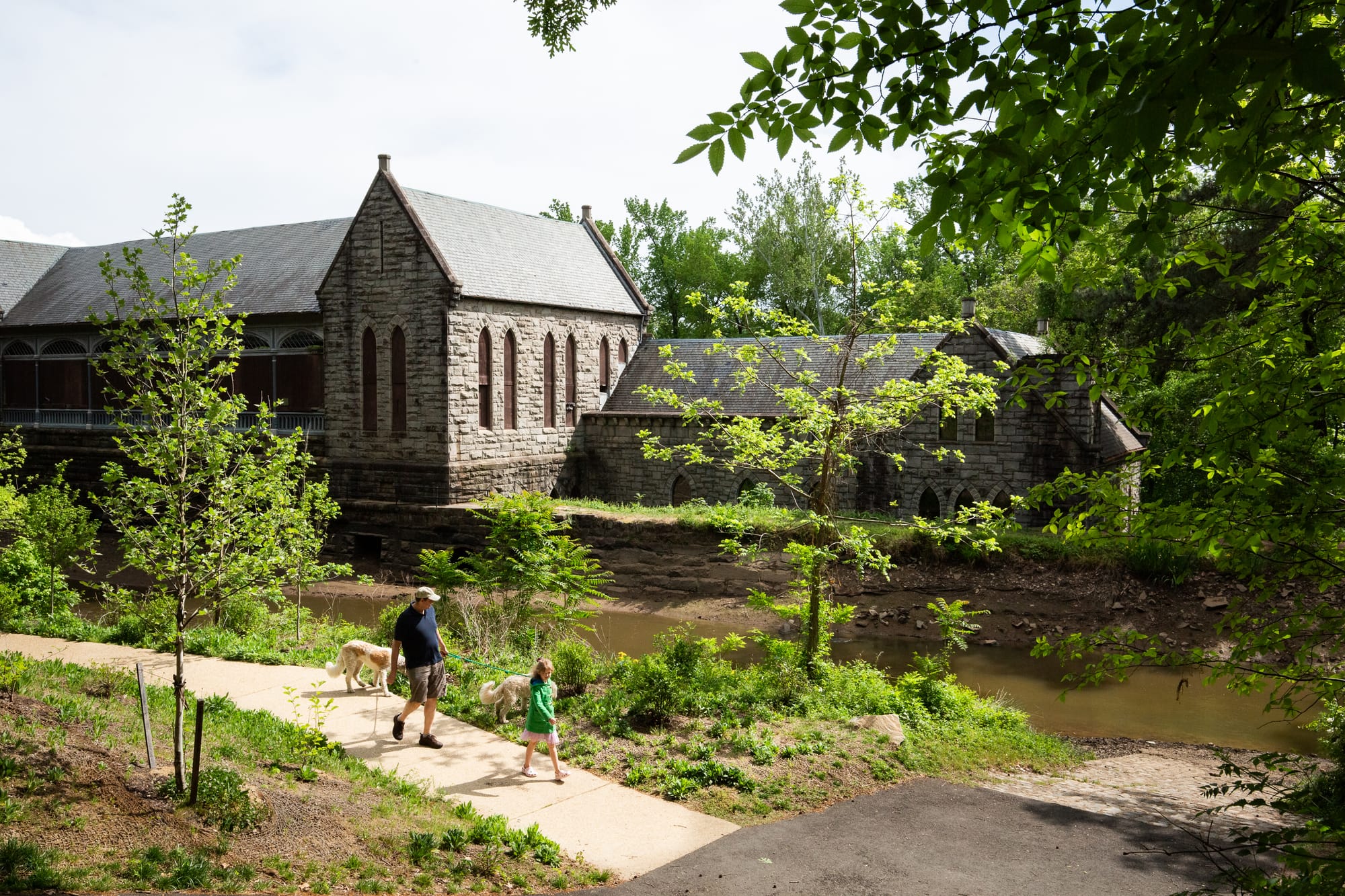
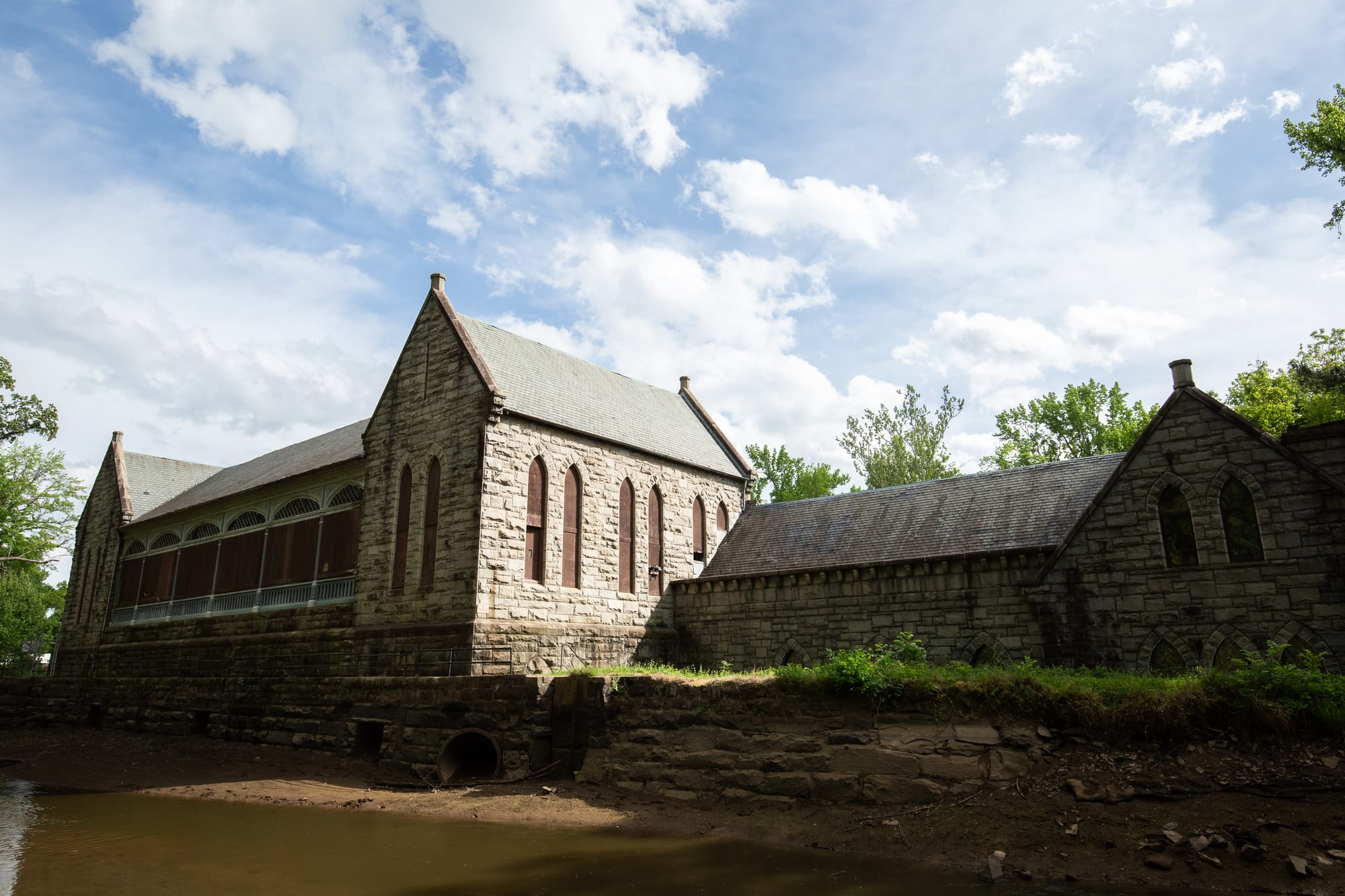
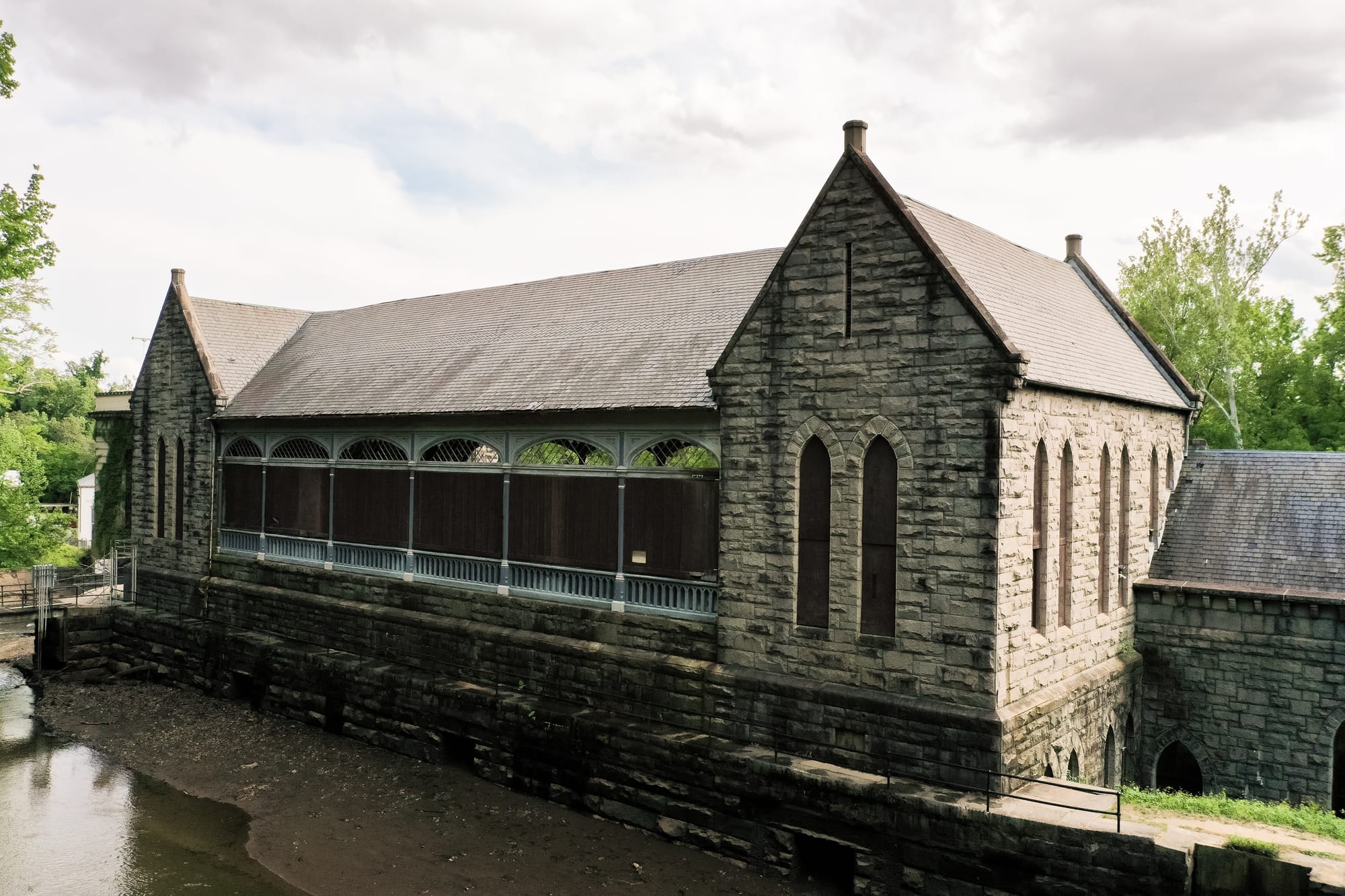
The roof of the once-magnificent building, constructed in the 1880s to house the city’s water pumps and host dances, was no match for the gentle April rain falling outside. Bit by bit, the droplets were gamely squeezing into whatever cracks and chinks they could find.
“Did you notice the canals are really low right now?” asked Garrison, a program and operations manager with Richmond’s Department of Parks and Recreation. “If the canals were at their normal level, you would have fountains coming in from the walls.”
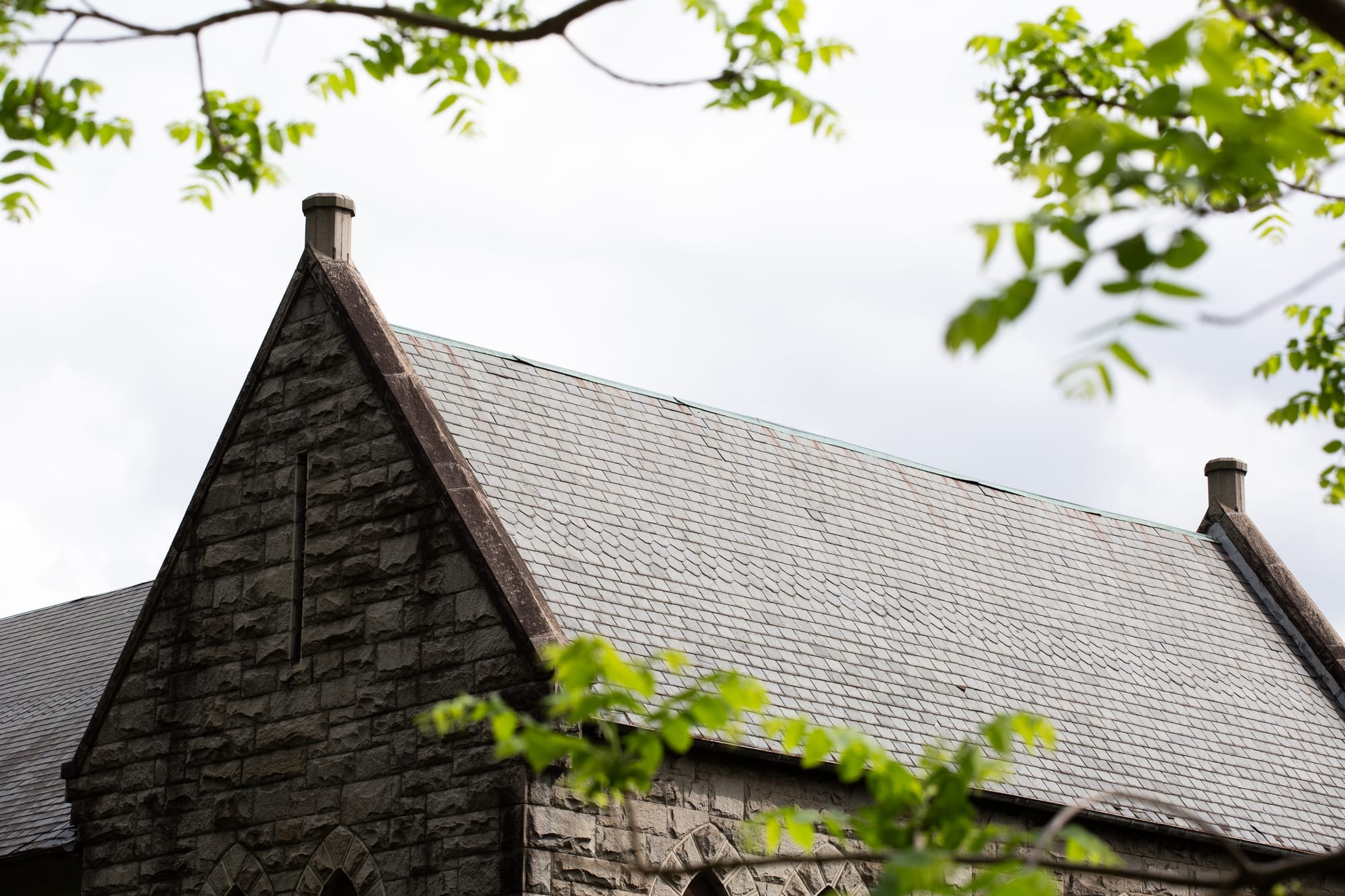
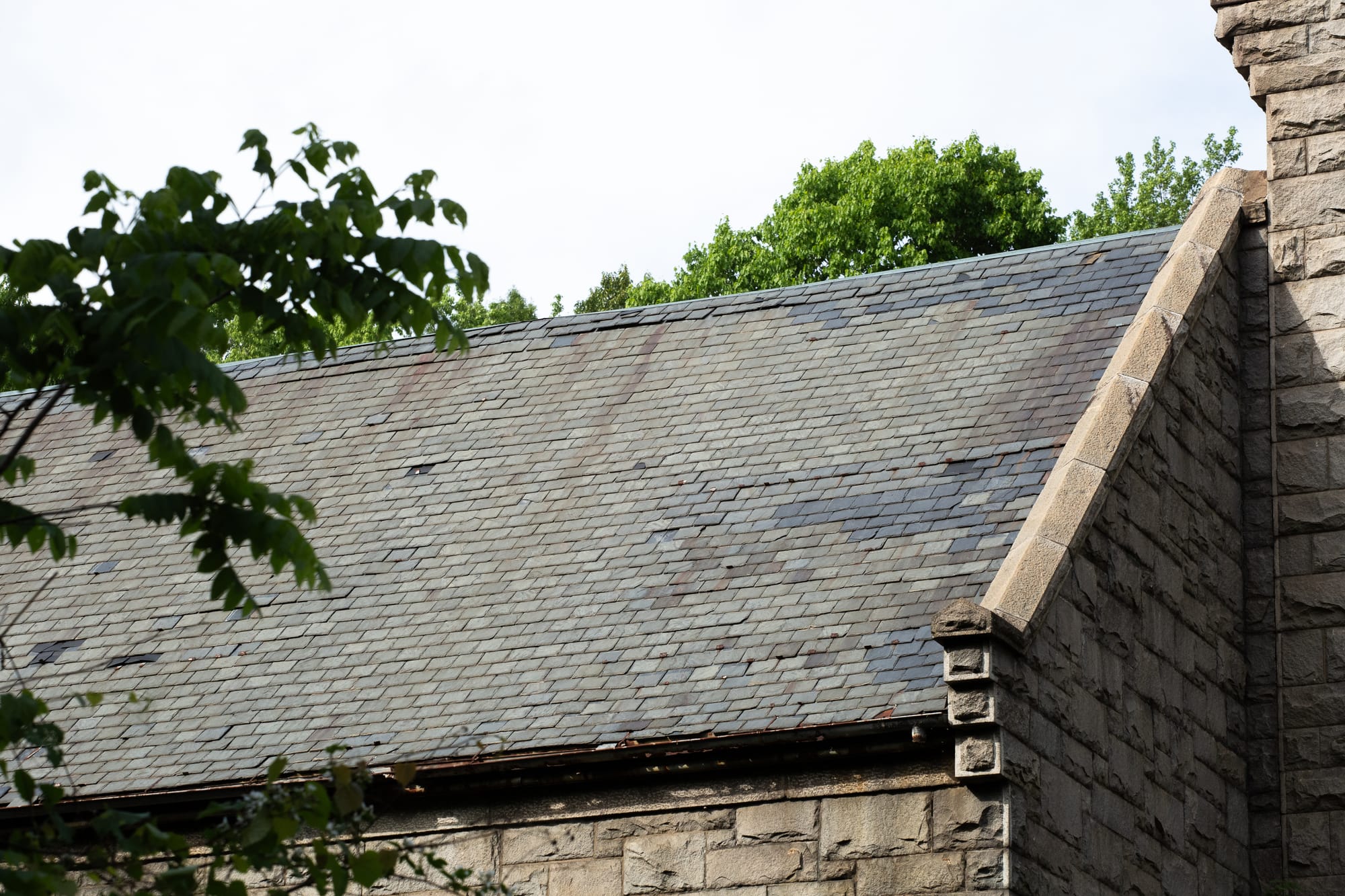
There will still be a long road ahead to make the Pump House watertight. But one major milestone is in sight: a new roof. On Monday, the City Council is poised to approve a $500,000 federal grant that will cover half of a $1 million roof replacement. The remainder has already been put away by the city in its capital improvements budget.
“We knew this was coming in prior years, so we have the match for it,” Parks and Recreation Director Chris Frelke told members of City Council earlier this month.
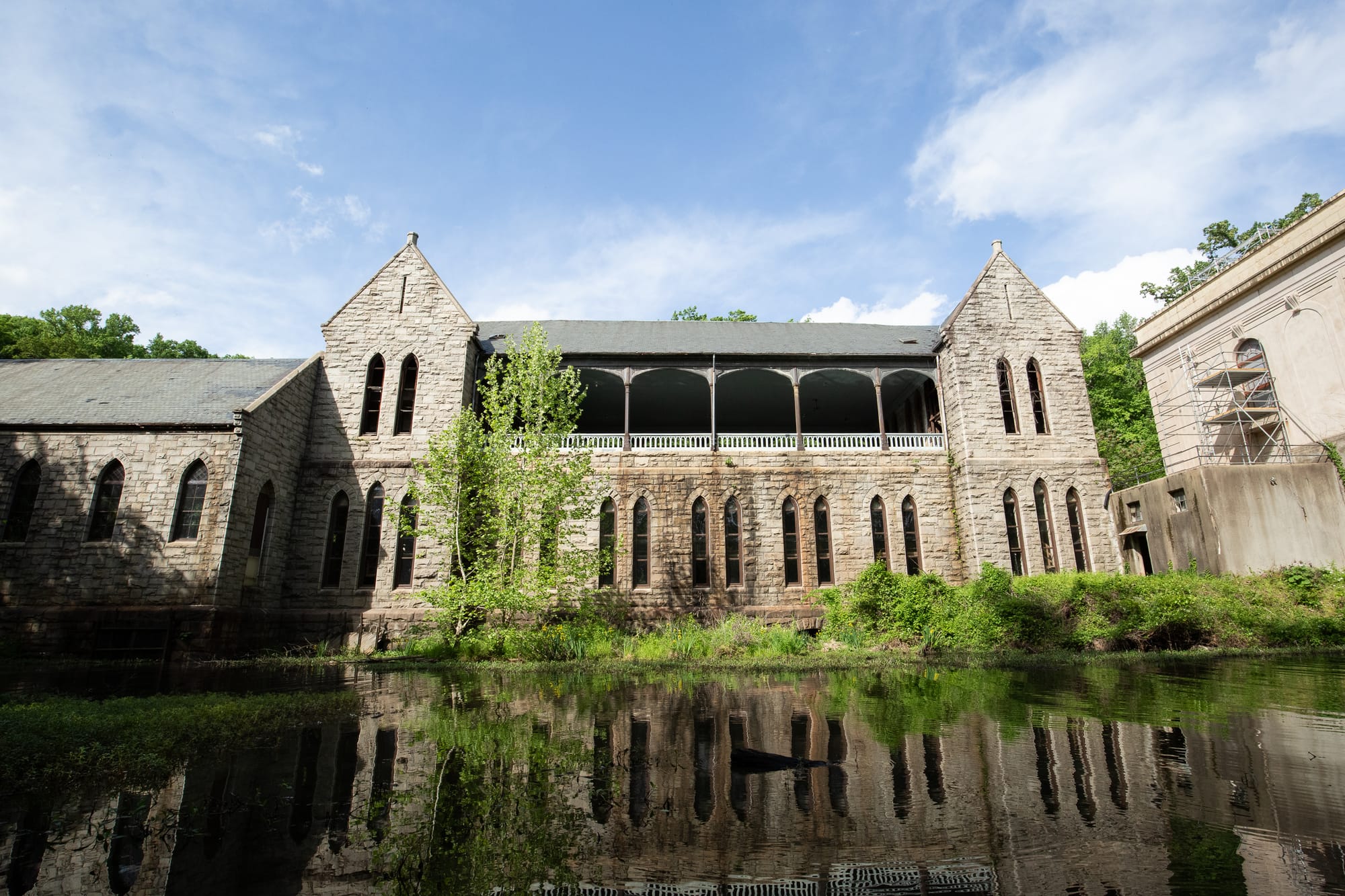
After being decommissioned in 1924, the Pump House was for decades little more than a splendid relic perched between two lines of equally obsolete canals. Historic and civic groups made repeated attempts to restore it but had little success, although they did squash any thought of demolition.
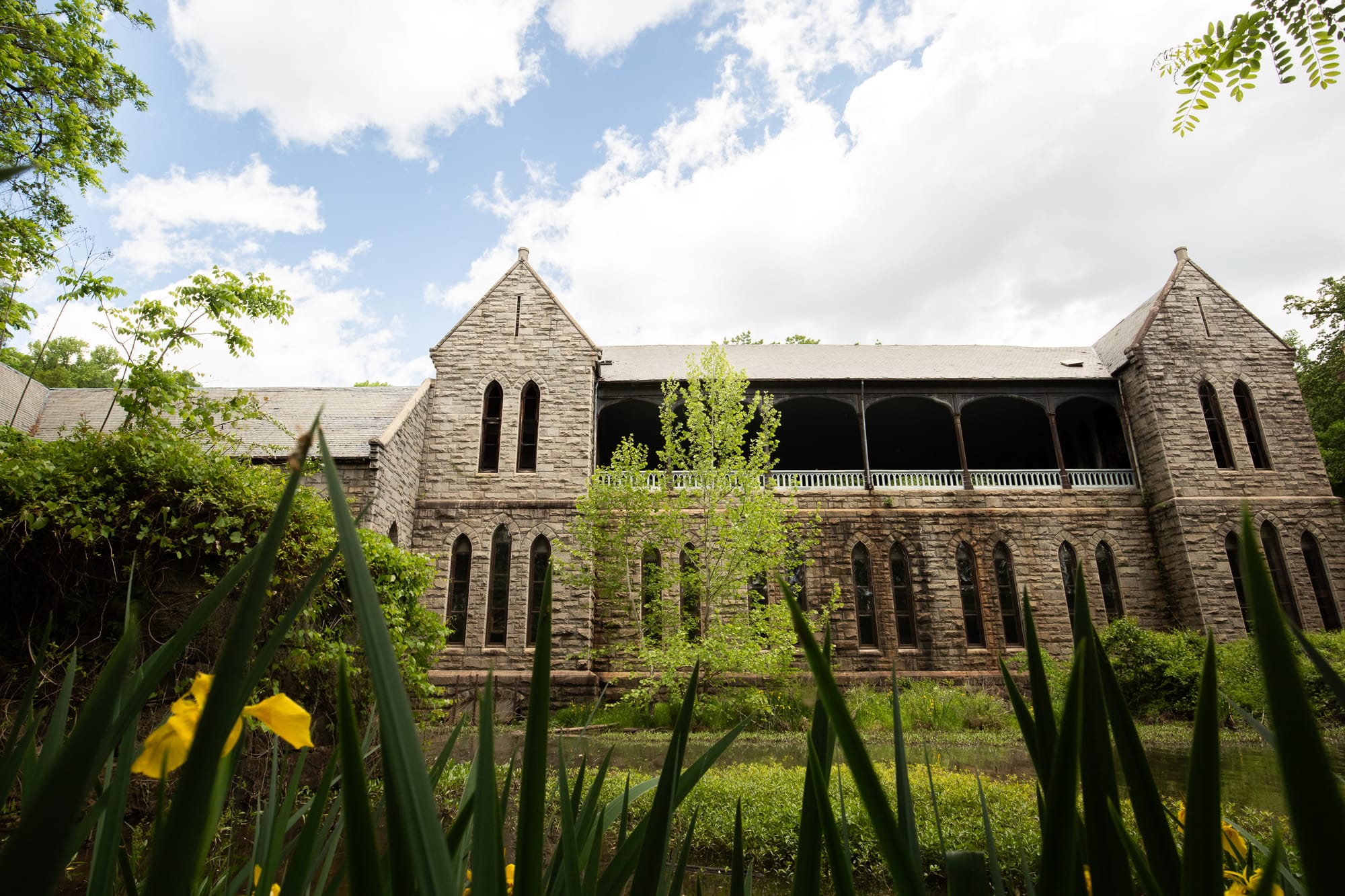
Over the past 10 years, however, efforts have gained momentum, spurred on by both the Friends of Pump House group and the city. (The Friends have “been beating the drum forever,” said Garrison; “they’re sort of the engine really demanding that this building get the attention that it needs.”) Most recently, the Friends have been carrying out a major restoration of the pointed, cathedral-style windows that allow light to flood into the granite building.
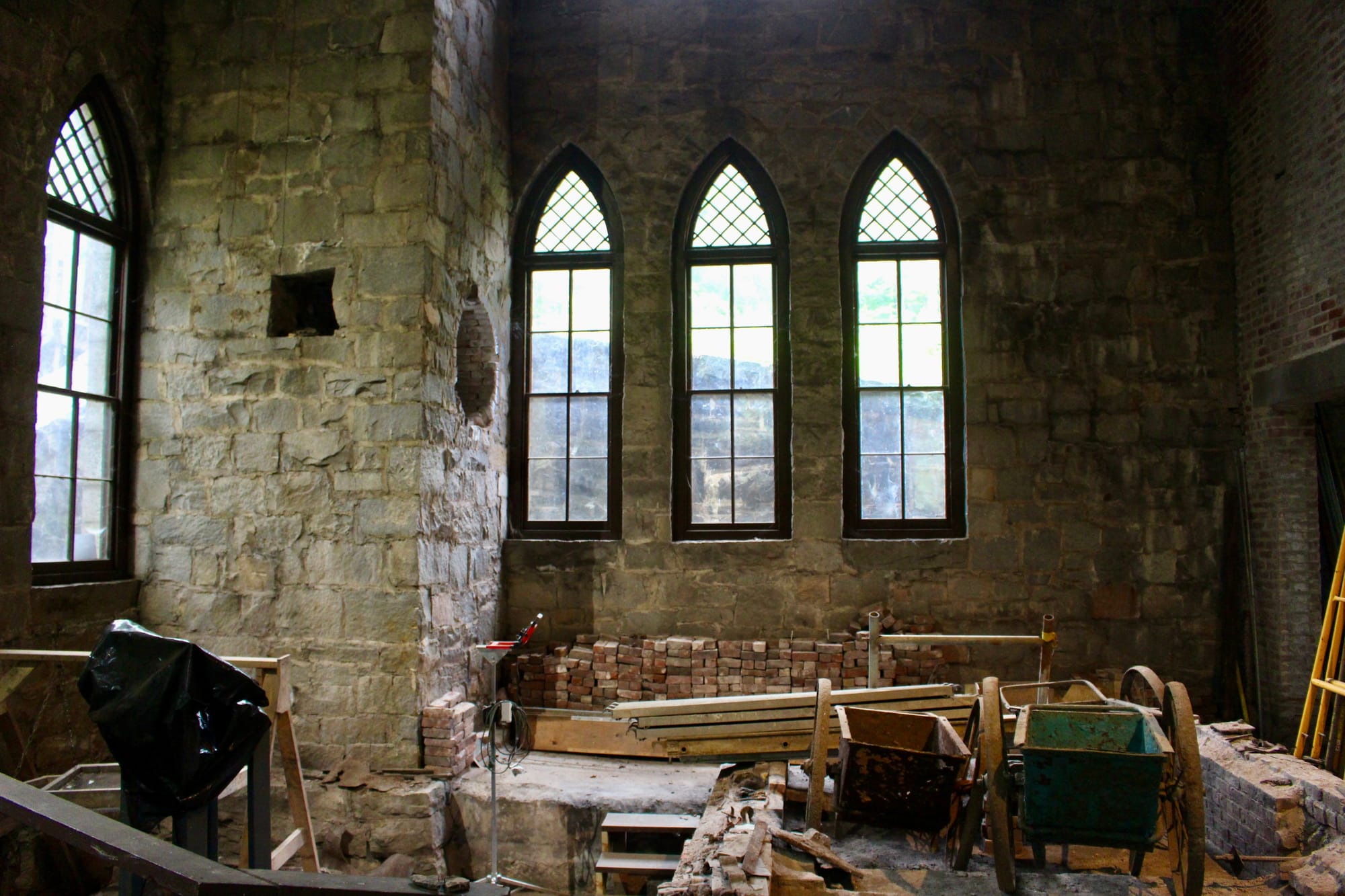
The roof is next.
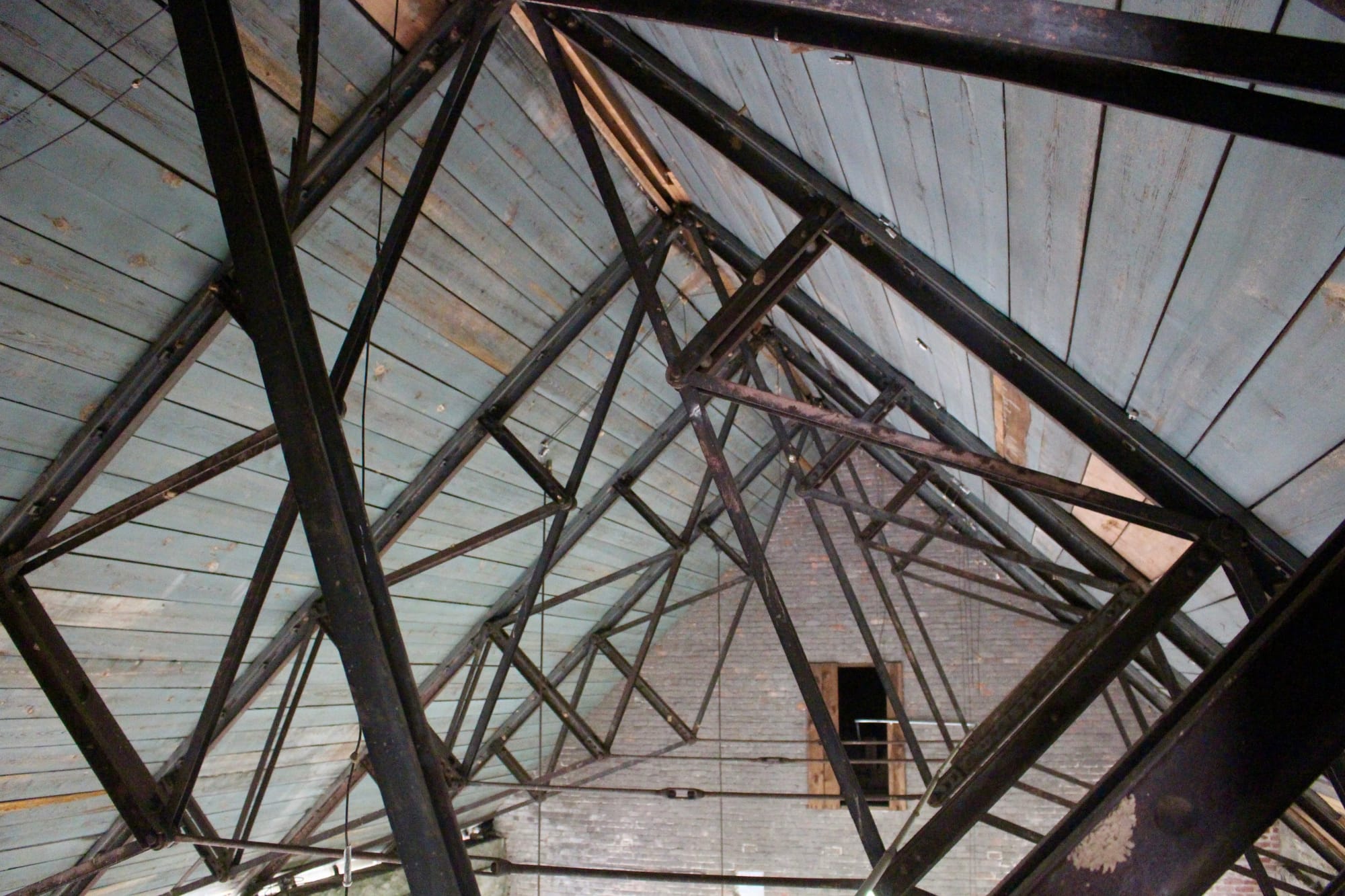
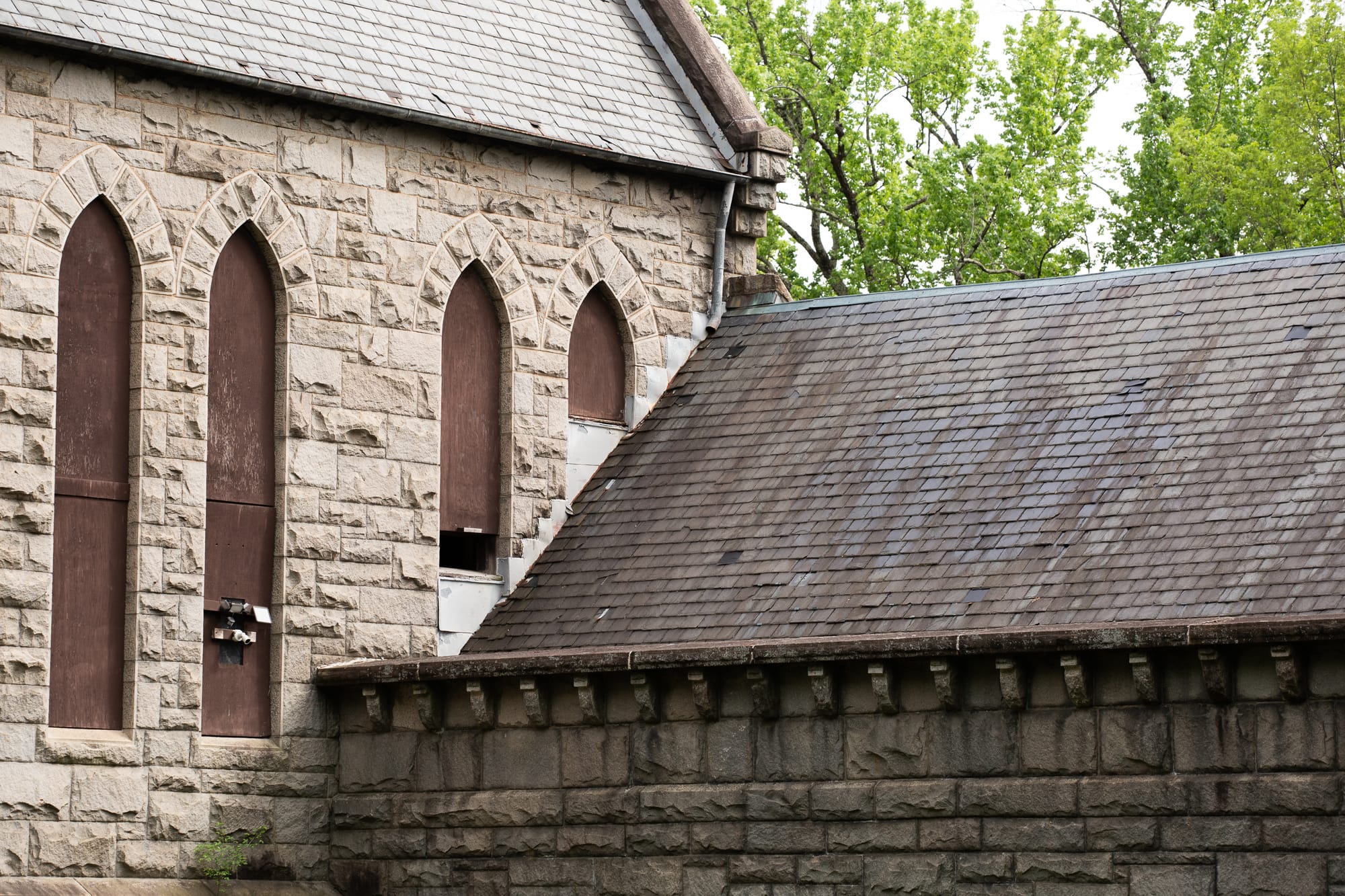
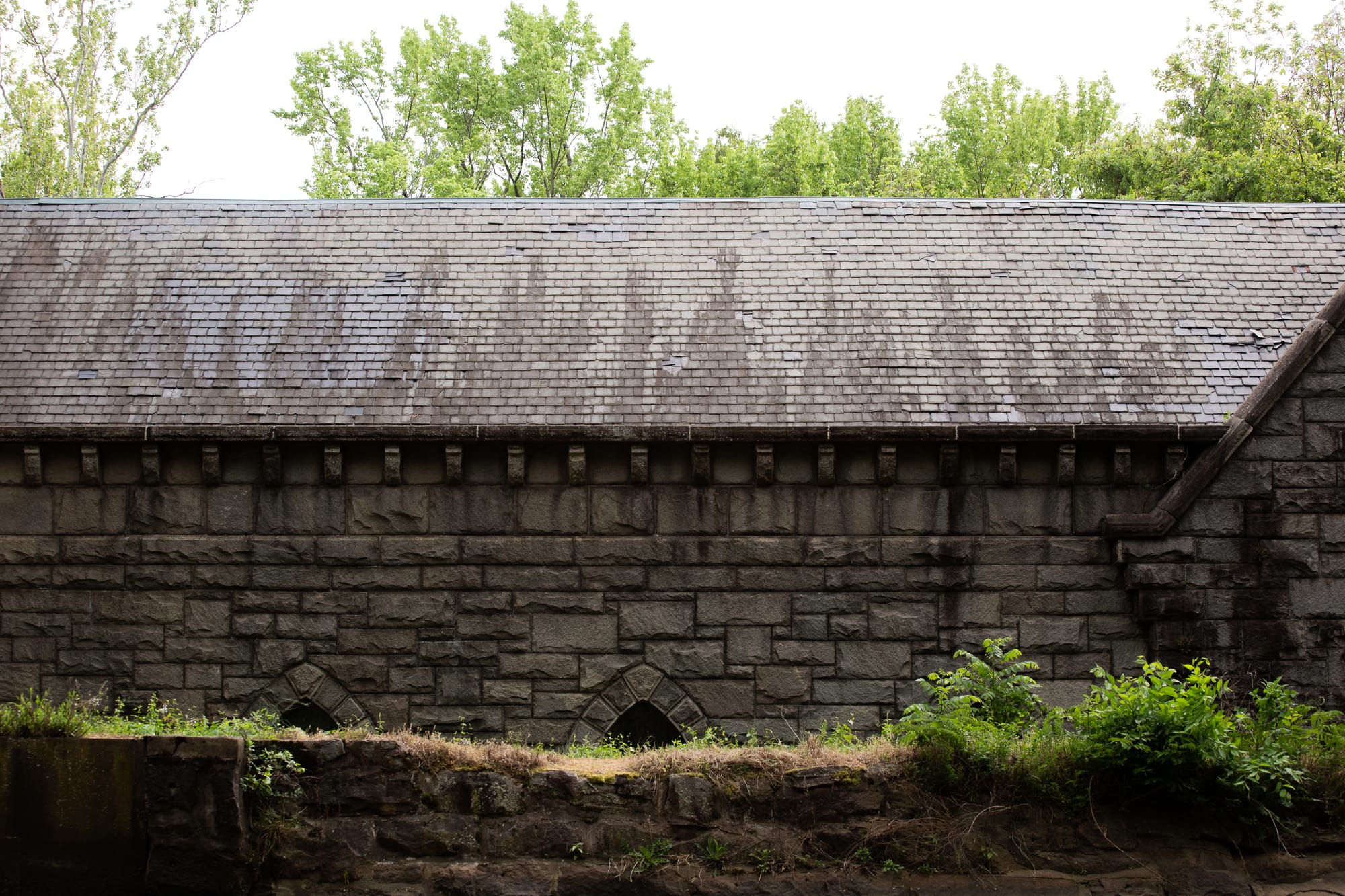
“The reason the roof project is so important to preserving the envelope of the building is that water continues to infiltrate,” said Garrison. “Wherever we go, you'll see the evidence of that.”
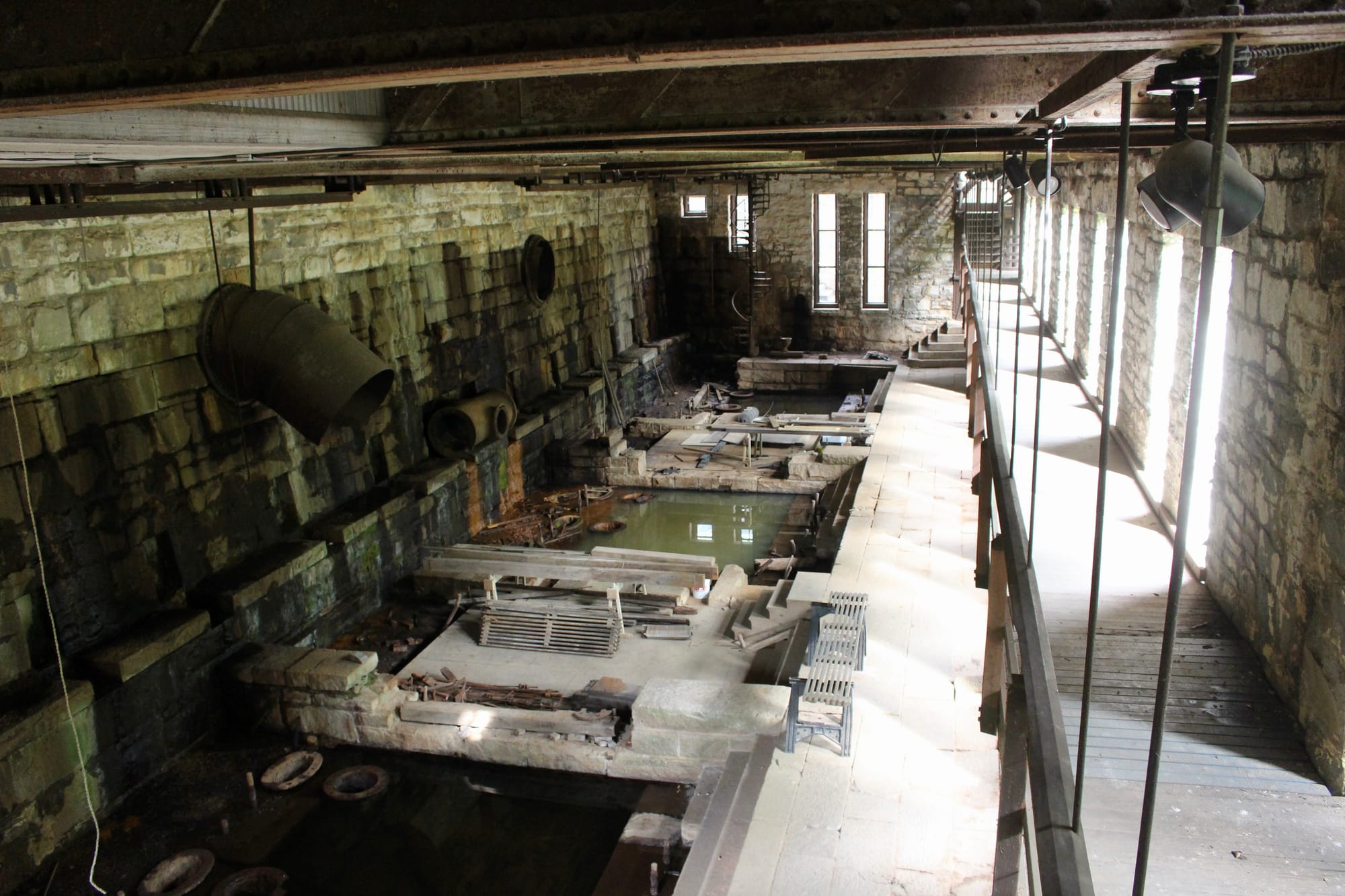
Eventually, the city hopes to reopen the building to the public on a permanent basis. Garrison said she sees it as a prime place to tell the story of Richmond, from its canal network promoted by George Washington to the construction of the Pump House during the “City Beautiful” era to the creation of the surrounding James River Park System.
“People love the sort of mystique of it,” she said.
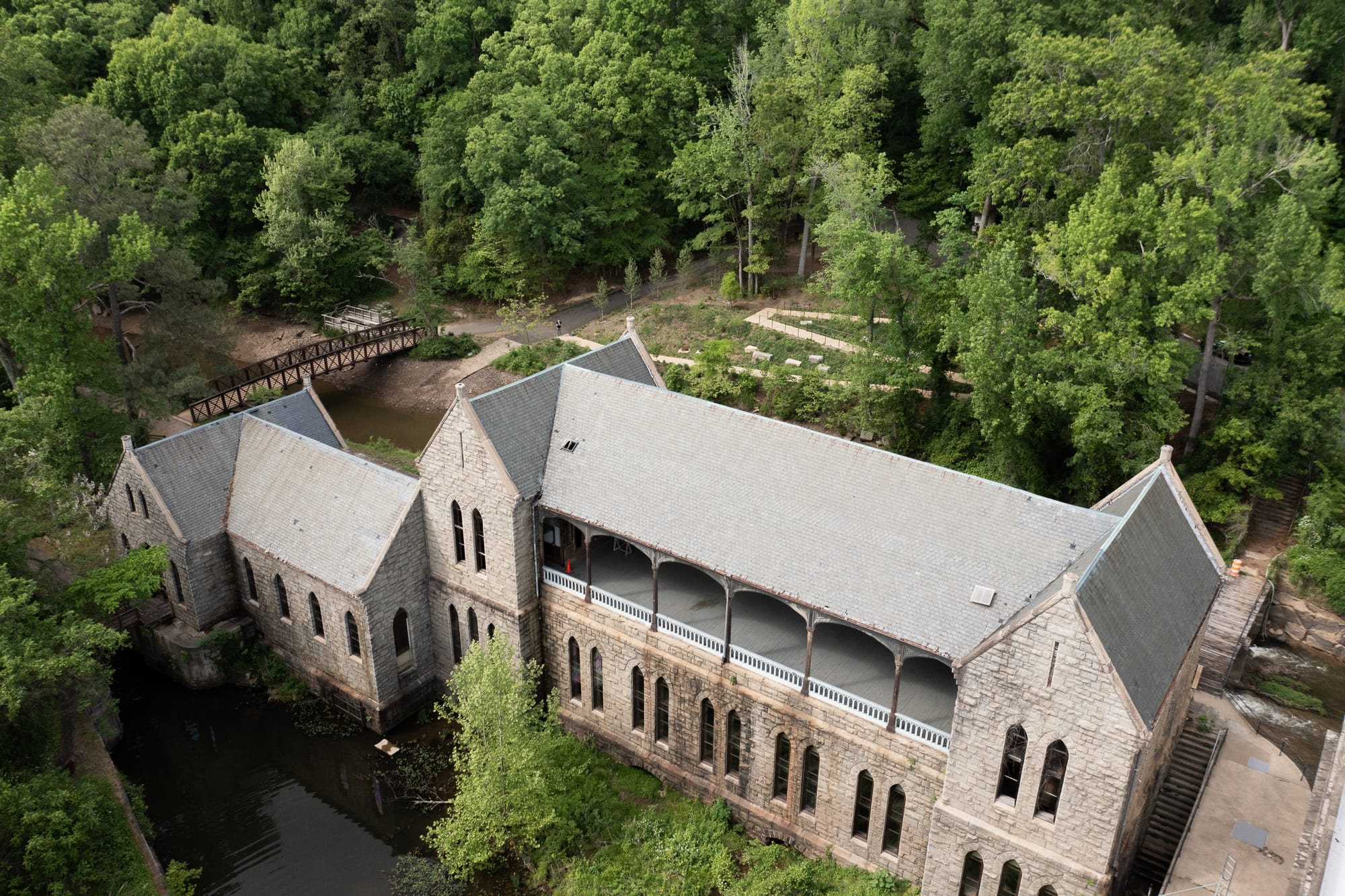
Replacing the roof will be a big task. Garrison said some of the angles of the structure are unusual, meaning it will take some finesse to re-cover it. And while the city determined the existing slate isn’t in good enough condition to be reused, Richmond will be acquiring Buckingham slate for the project that will duplicate what is there now.
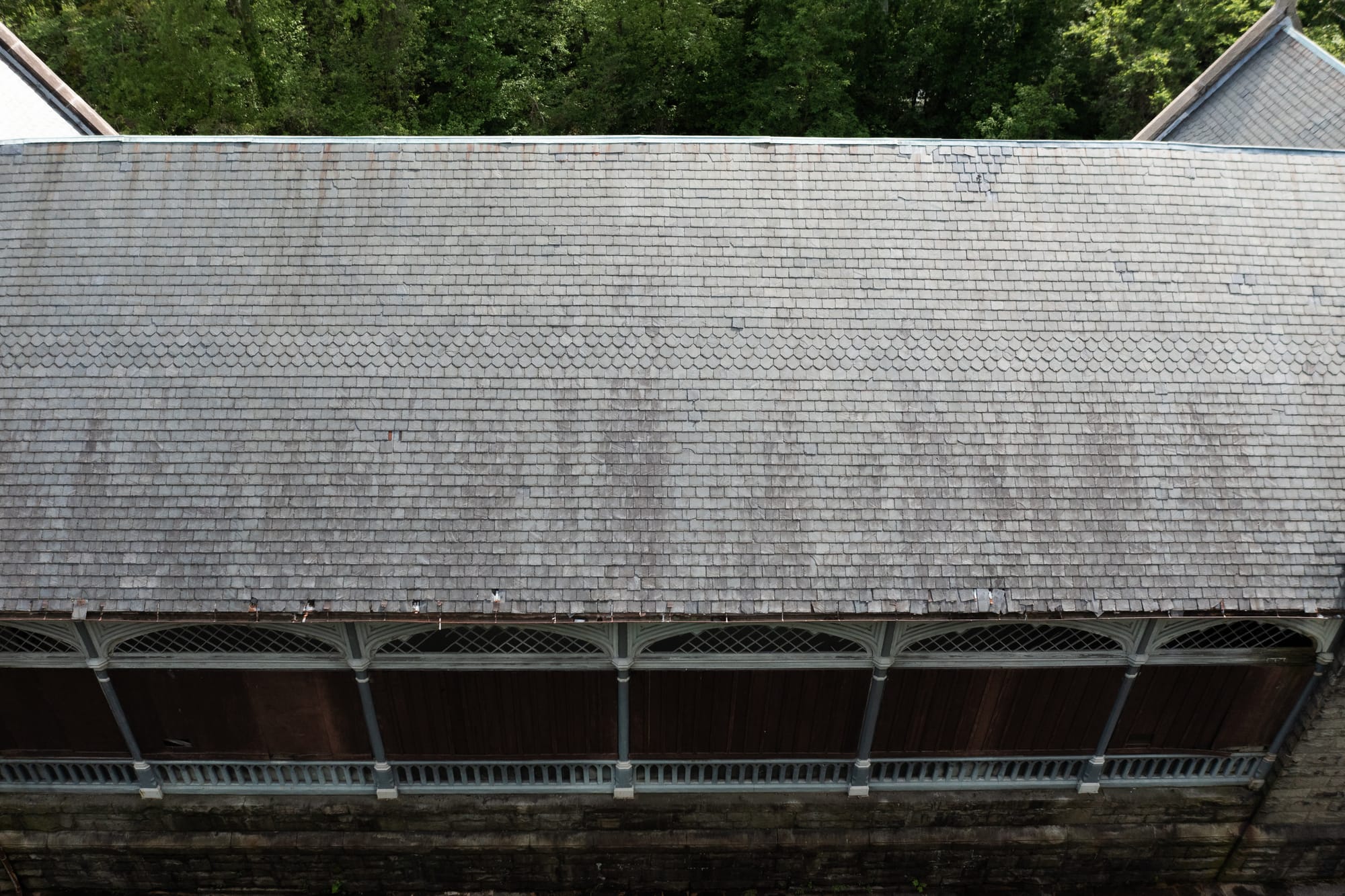
Luckily, Garrison said, Richmond has “a robust group of architects and developers” who are well versed in historic restoration, and the Historic Richmond Foundation will also provide technical advice.
If all goes according to plan, the city hopes to put the roof replacement out to bid later this year.
Contact Reporter Sarah Vogelsong at svogelsong@richmonder.org
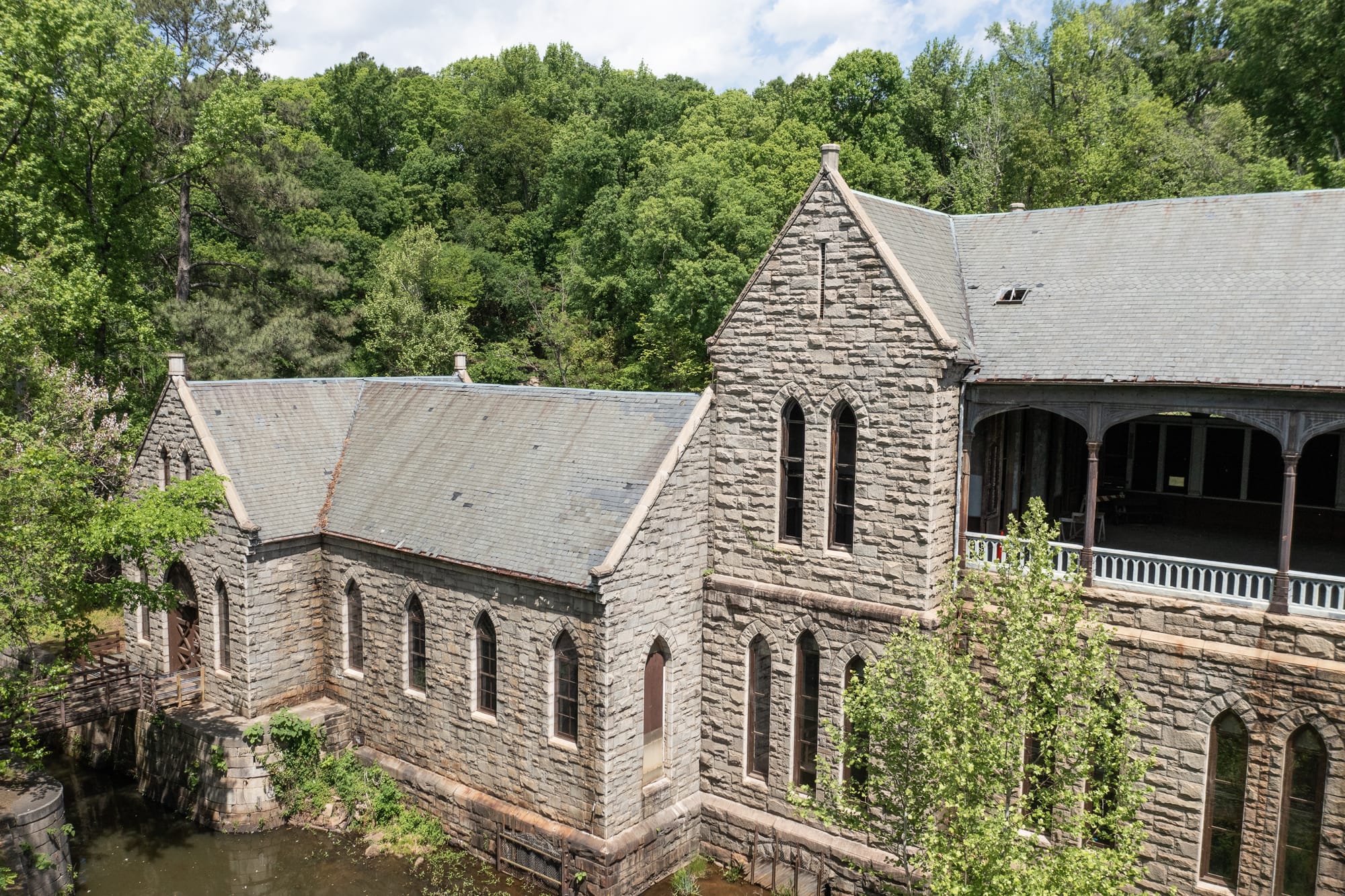
(Max Posner for The Richmonder)