Slow, but steady, restoration efforts continue for century-old Black cemeteries
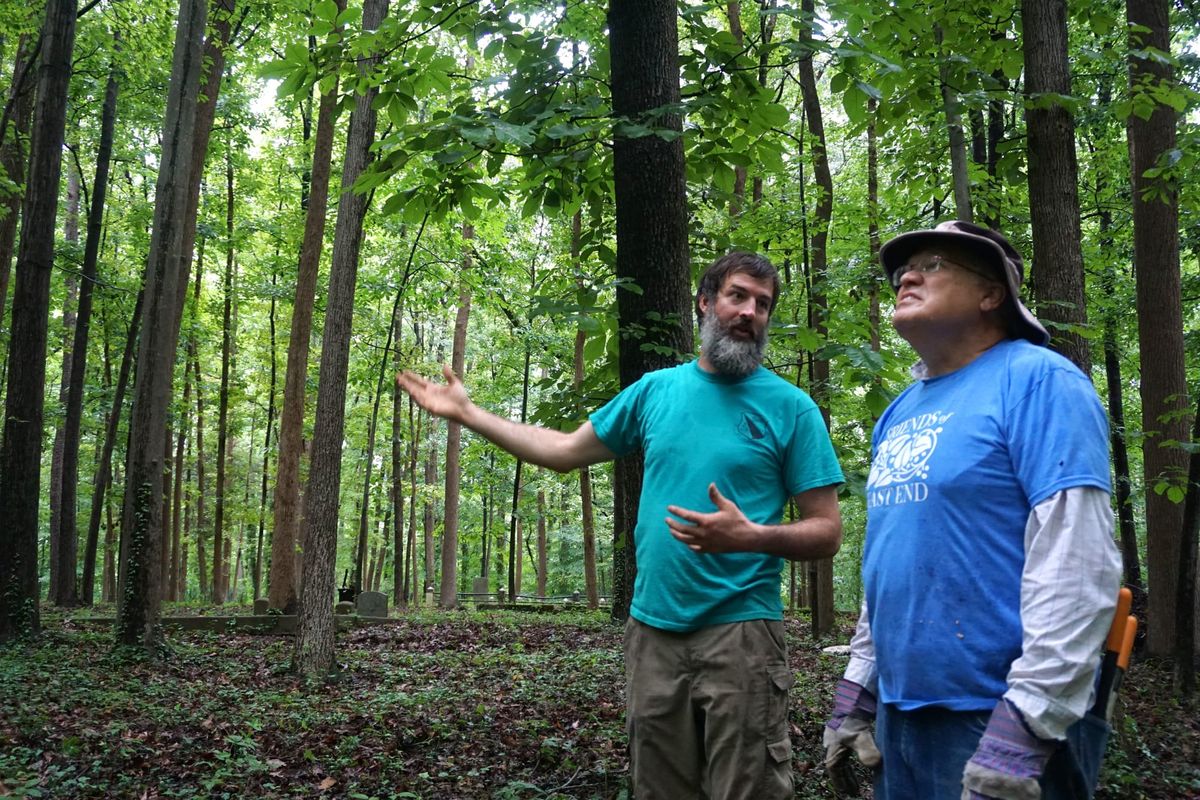
The graves of bank president Maggie L. Walker, Richmond Planet editor John Mitchell Jr. and Richmond's first Black teacher, Rosa Dixon Bowser, are among those at two cemeteries which are the focus of rehabilitation efforts that have recently grown more ambitious and collaborative.
Late last month, about 40 attendees gathered at the Richmond Public Library to share their perspective and help develop a cultural landscape report for East End and Evergreen cemeteries.
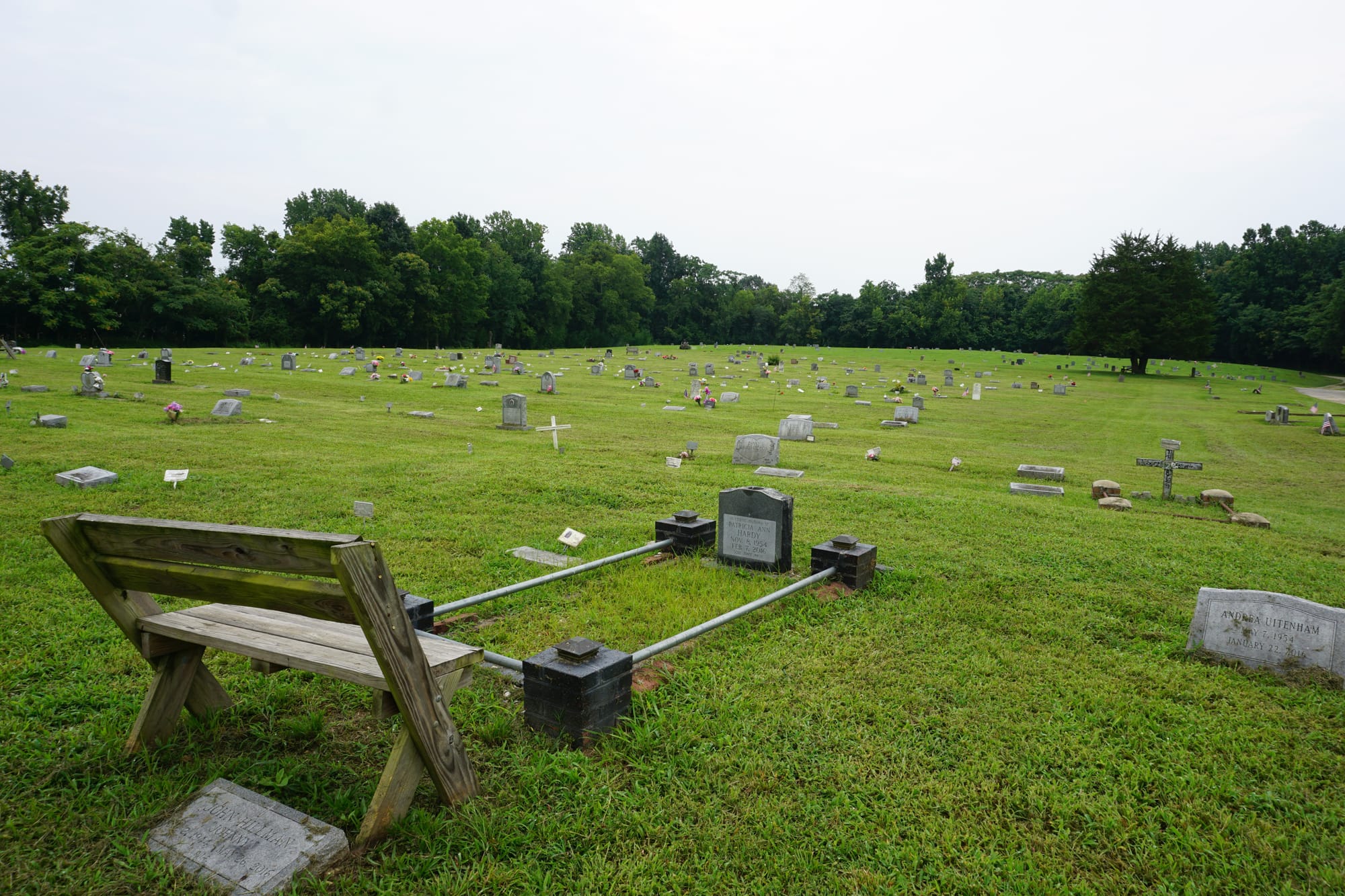
Advocates for the report said it will document East End and Evergreen’s physical landscape and changes over time, and help guide restoration, preservation and protection efforts, creating a foundation that can also benefit other neglected cemeteries.
“We want this to be a real model for other such efforts in Virginia and beyond,” said Brian Palmer, a member of the Friends of East End nonprofit, who discovered two of his ancestors at the cemetery during his years helping restore the grounds.
“But really, even more so, we just want it to be good and to do justice to these burial grounds and the folks laid to rest there.”
The workshop was guided by historical architects from Charlottesville and Friends of East End President Mark Schmieder, with contributions from other Friends of East End members, local historians, volunteers, and staff from Richmond’s Park, Recreation and Community Facilities Department and the Virginia Department of Historic Resources.
“We really need your input,” historical landscape architect and report study leader Liz Sargent said as she addressed the gathering. “There are so many choices that could be made.”
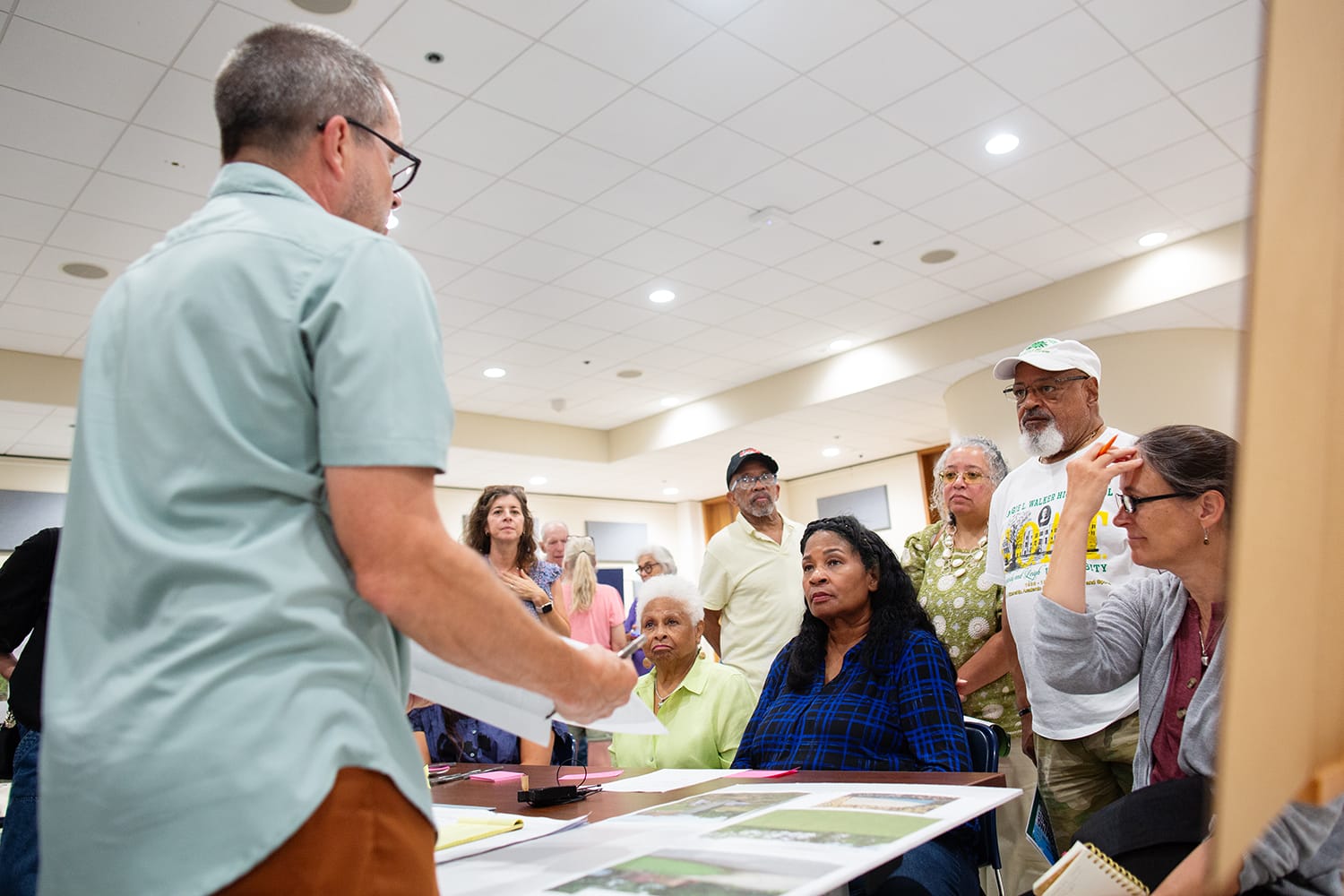
Participants included those with family members buried at the cemeteries. They, and others, were eager to contribute and bring their own perspectives across the four categories, creating an environment that was a welcome experience for many present.
“[It’s] impressive, historical and very enlightening,” said Marvin Adams, a 72-year-old Richmond native and lifelong resident who learned about the workshop from his neighbor and never knew the cemeteries existed up to that point.
“I don’t even know where they are,” Adams said. “I’m gonna find out, though.”
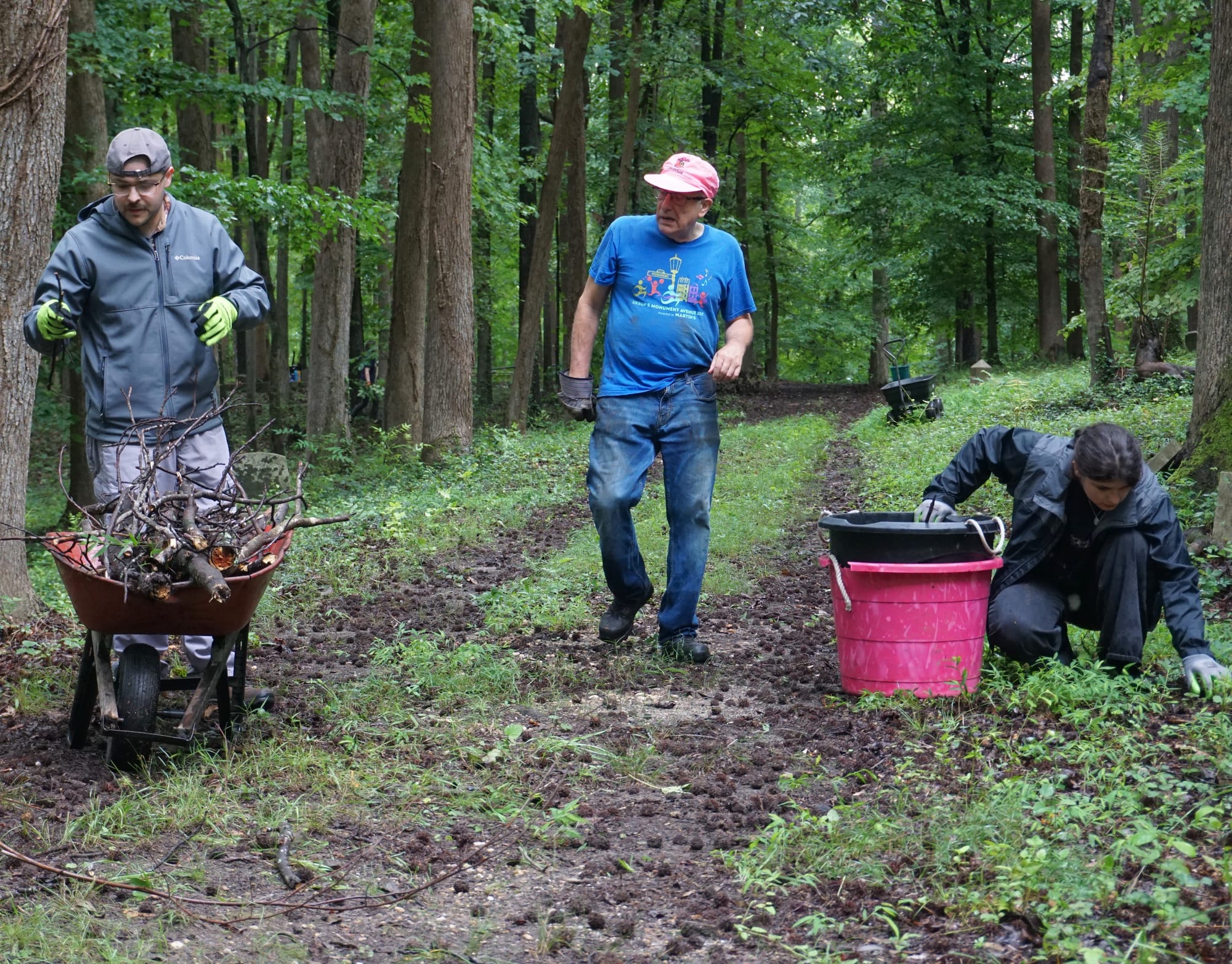
Many of the same groups that organized or attended the workshop now collaborate in clearing and maintaining East End, Evergreen and other local burial grounds.
The city of Richmond became a larger part of efforts after the city assumed ownership of the two sites and their tens of thousands of graves in 2024.
The volunteers are joined in the effort by some full-time and many temporary Richmond city employees, with many hired through the Cemeteries Community Engagement Program launched last year to help coordinate work and care for the cemeteries with the community and relevant partners.
“Our team alone cannot cover the acreage here or any of the other inactives by themselves,” said Priscilla Wright, who handles program volunteer engagement and grant writing. “Community volunteers are essential.”
DHR has also aided efforts in the cemeteries, participated in public and partner meetings, and supports the study through its Historical African American Cemeteries and Graves Fund.
Improving the grounds
The future character of the cemeteries’ landscape attracted much attention and discussion during the session. Evergreen and East End, established in 1891 and 1897, respectively, weathered decades of neglect before community members, led by National Park Service Ranger Jim Bell, began restoration efforts in the late 1990s.
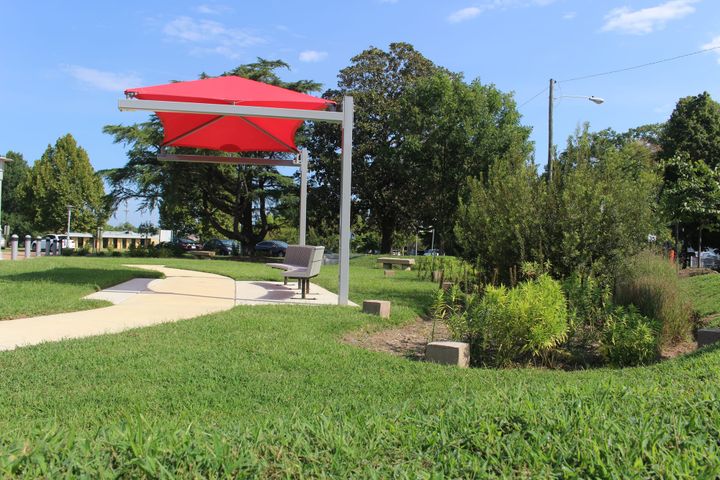
While tackling landscape, seasonal and weather-based challenges remains a priority, some proposals shared during the workshop saw potential in the plant life's value to the community as sources of protection, beautification, and education.
“There's shade, there's learning about wildflowers,” Sargent said. “One woman even brought up how children might come out here and they could do a science project by looking at the native plants and pollinators.”
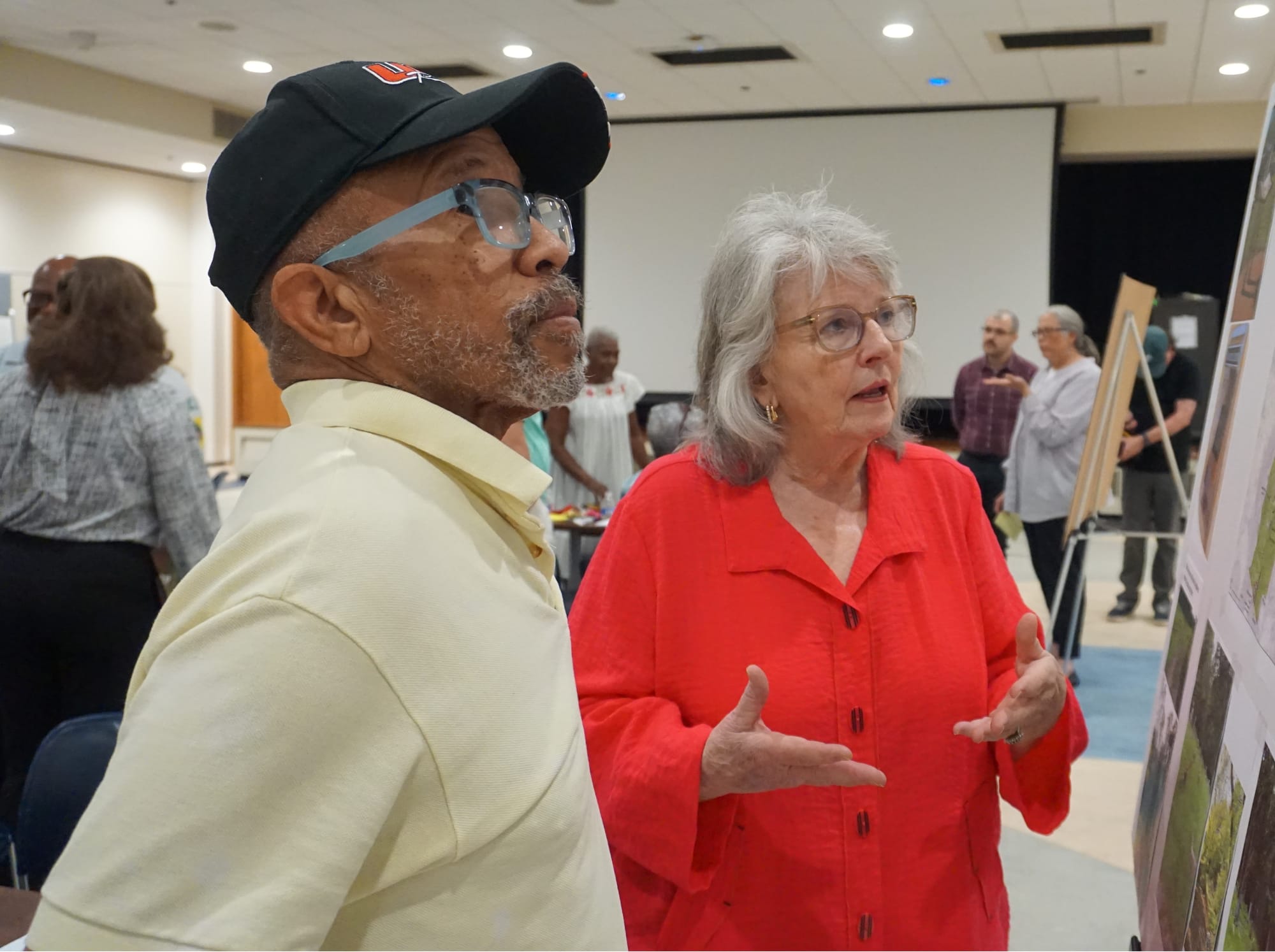
Similar discussions were focused on how to repair and care for damaged and unidentified graves, grave markers and plots throughout East End and Evergreen. Questions like prioritization, repair strategies, and ways to honor those buried were major discussion points for attendees, and the need to preserve the cultural nuances of those buried in Black cemeteries was emphasized.
“It's the community, it's not the people,” public historian Carmen Foster said.
Community needs also shaped discussion around cemetery accessibility, from possible ways to provide, share and access information about those interred to accommodating those with mobility or visual challenges.
The latter is particularly important for many who still remember the older residents of these and other Black Richmond cemeteries due to their advanced ages.
“Most of them couldn't get there because [...] they're in a wheelchair or they've got a walker,” said Loretta Tillman, co-chair of the Descendants Council of Greater Richmond Virginia.
Addressing outside influences and effects, whether in the form of potential security methods to prevent vandalism and dumped trash in the cemeteries, or protecting the view of the property, spurred its own dialogue among attendees.
Boosting public perception
The level of coordination and transparency that has developed recently around East End and Evergreen is a welcome change for Palmer, who strove alongside other longtime volunteers and stakeholders to restore the cemeteries for years amid many challenges and controversy.
This included the management of the cemeteries by their previous owner, the EnRichmond Foundation. The nonprofit faced criticism from volunteers and descendants for years over its approach to volunteering, preservation and its handling of human remains before it was dissolved amid financial difficulties in 2022.
Years later, Palmer feels the public perception of the cemeteries has changed for the better thanks to this increased collaboration, and saw the turnout and results of the workshop as evidence of a community ready and able to shape a better future for East End and Evergreen.
“People were focused on the ground truths of these cemeteries,” Palmer said. “We hit the ground running with the people who happened to show up. We may have been running at different paces, but I think we were all running in the same direction.”
The workshop was the second of three planned meetings on the report, and ideas provided during the session will be used as part of the second draft’s development, according to Sargent, who estimates it will be completed in four to six weeks.
The report team is seeking to complete the third, final draft before the end of the year.
This article has been updated to correct the spelling of the famous residents of the cemetery.