Sen. Tim Kaine opens National Speech and Debate Tournament
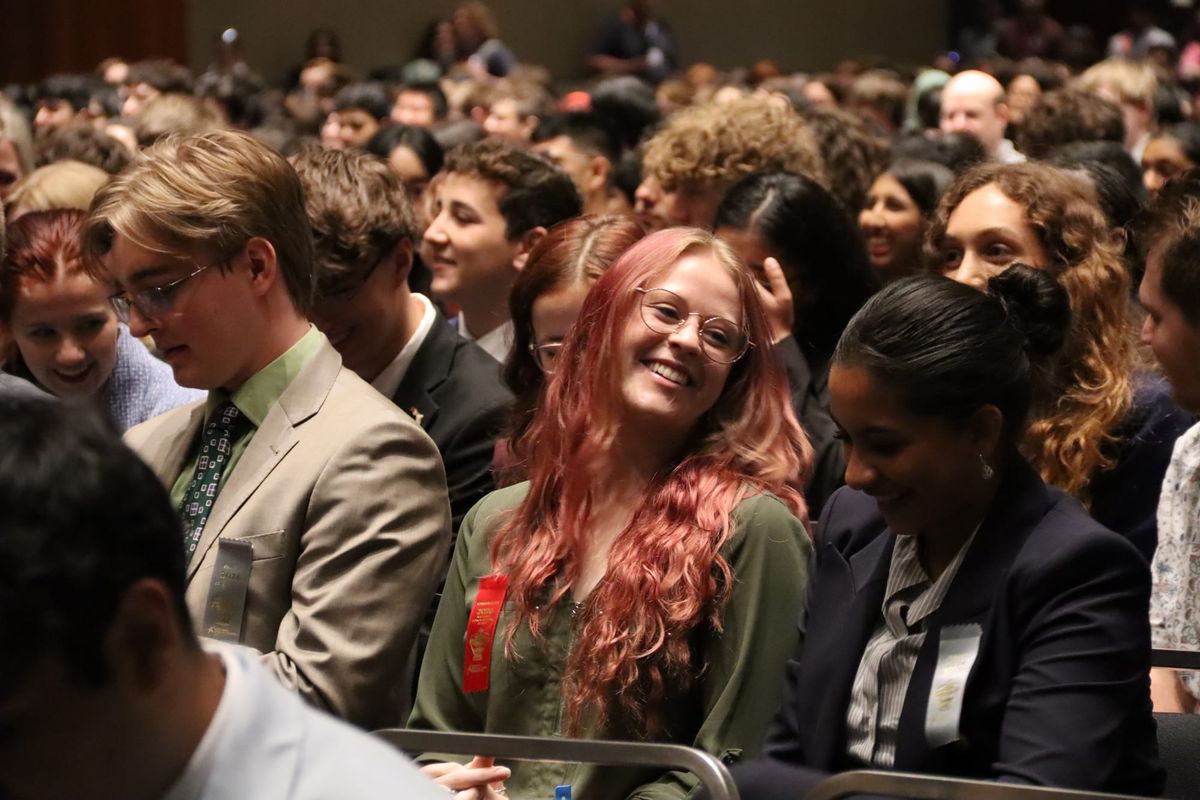
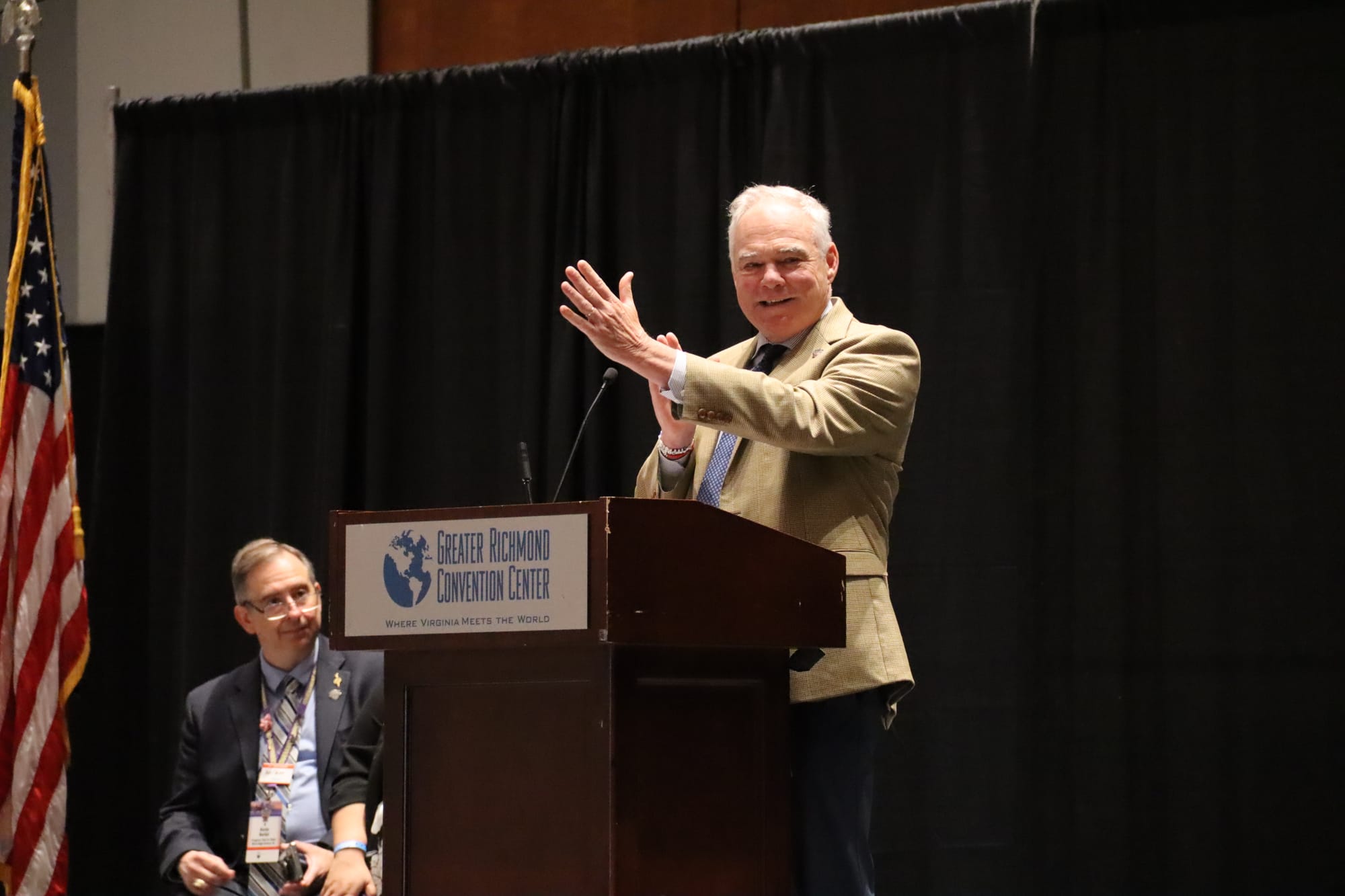
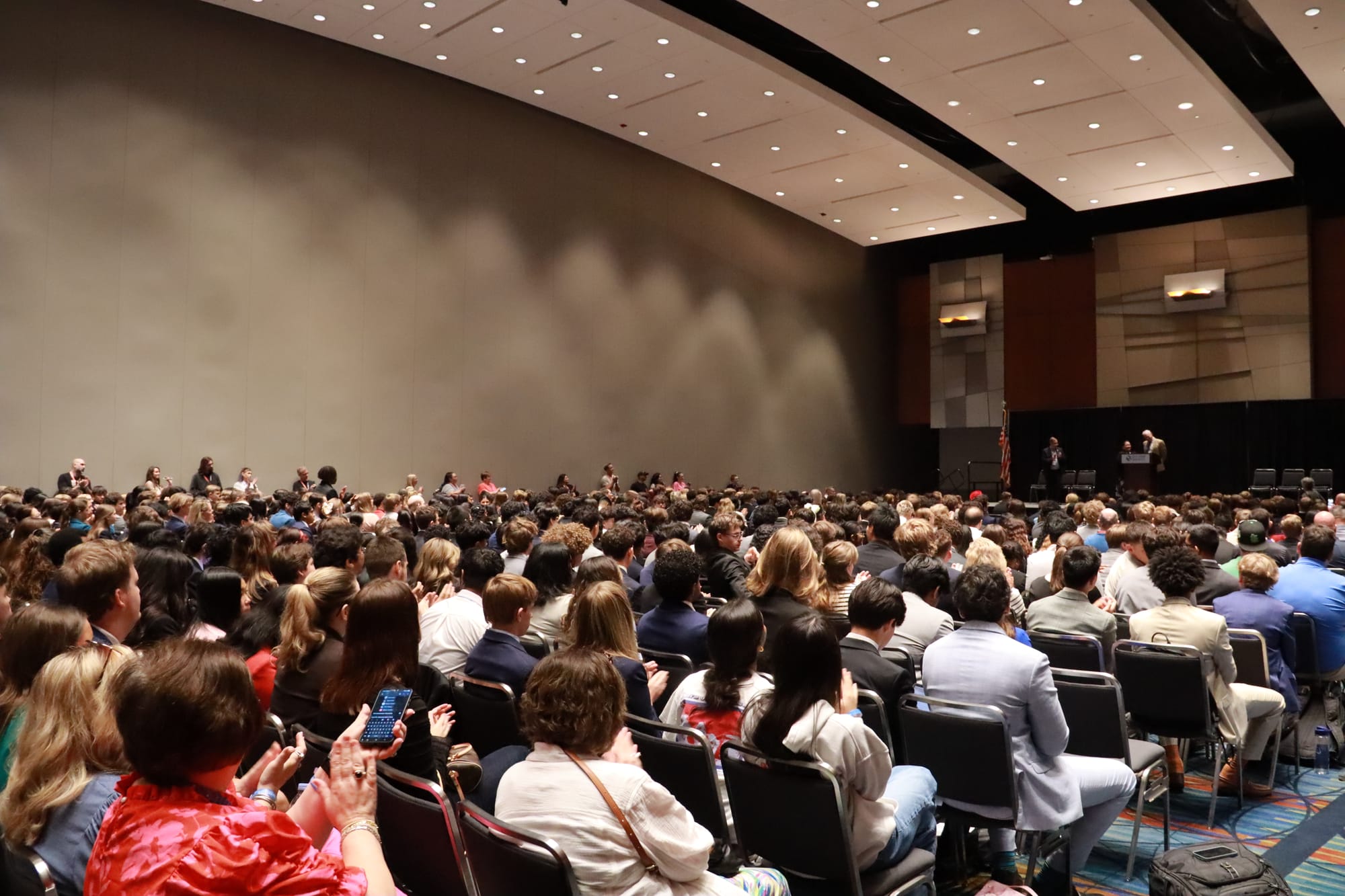
Speaking to hundreds of attendees in the Greater Richmond Convention Center on Monday morning, Richmonder and U.S. Senator Tim Kaine opened the National Speech and Debate Tournament by encouraging competitors to focus less on perfection and more on connection.
Kaine drew from his experiences both in public office and as a musician – he is a self-taught harmonica player – and imparted the two “most important communication lessons” he’s learned over the years: creating genuine connections with audiences and becoming a better listener.
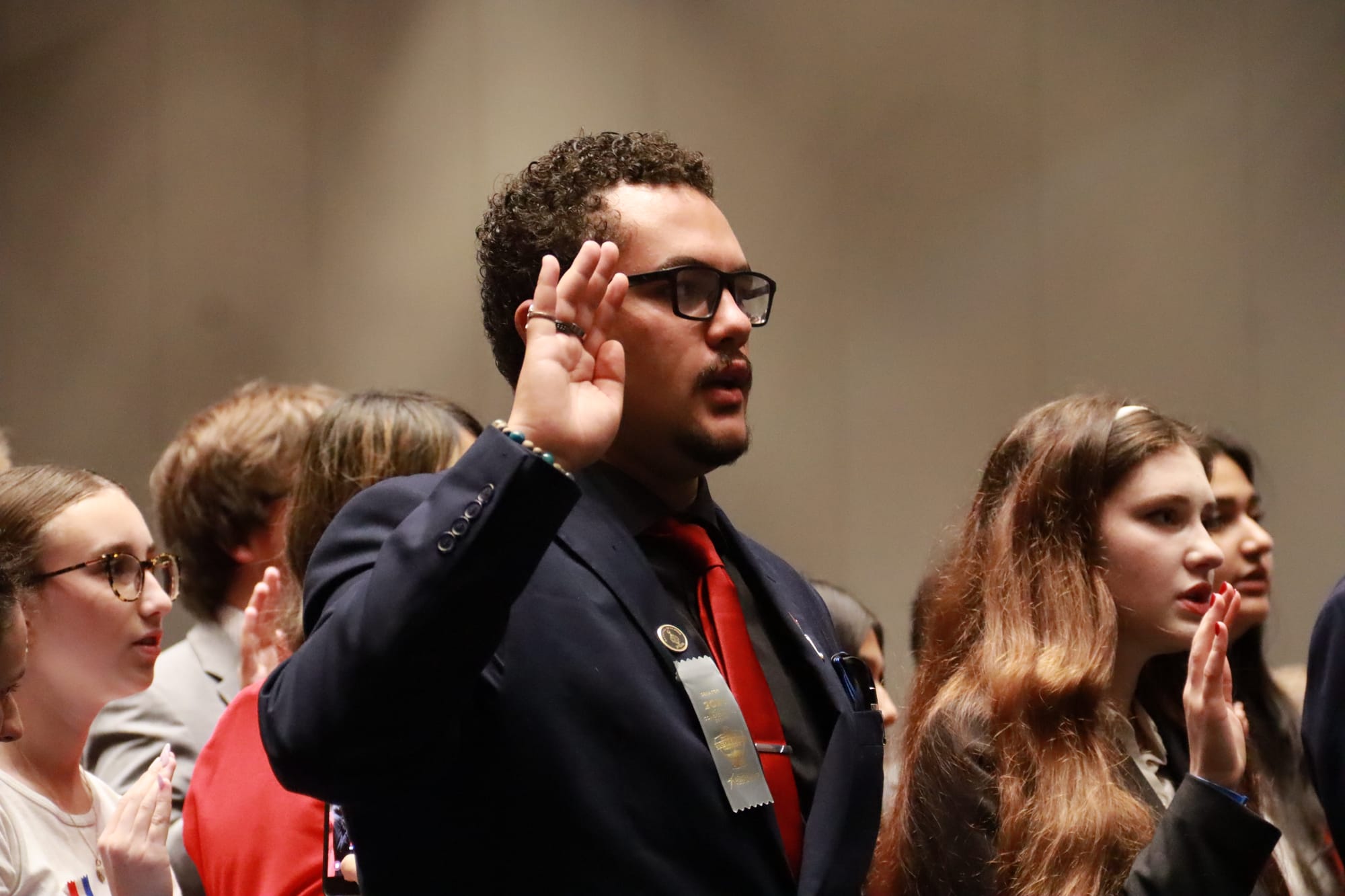
He spoke to the first session of the "Congressional Debate" event, which will simulate public service over the next week. It is just one of several events being held at venues around the city.
 Haidyn Brockelman
Kaine admitted he doesn’t remember how he got started in speech and debate in high school, but said he was likely prompted by someone who knew he was “very introverted.” He still considers himself to be an introvert, despite his decades-long career as a public servant and speaker.
The first lesson was about his harmonica-playing “side gig.”
Kaine often performs with the Dave Kline Band on both the harmonica and vocals. He recalled one such performance that was nearly derailed by Senate scheduling conflicts, the unexpected absences of the two lead vocalists, and Kaine’s already “bad mood.” Despite the hiccups, he said he still considers it one of his best shows and came away with what he now calls his everyday mantra.
“It ain’t about perfection, it’s about connection,” he explained. “If you can create a sense of the community and connection, that is the most important thing you can do as a communicator.”
The second lesson tied in to his Spanish fluency. During his 2016 campaign with Hillary Clinton, he often appeared on Spanish-language radio and became accustomed to addressing Latino-heavy audiences. After one such segment, he recalled a host telling him the most remarkable part of the interview was not his ability to speak Spanish, but his willingness to listen in the language listeners felt most comfortable using.
“It wasn’t that I could speak Spanish,” he explained. “It’s that I could listen to people in the language that they thought was most important.”
Kaine said that being a better speaker means being a better listener because it helps someone better understand and connect with their audience.
Kaine finished his speech by remarking on the upcoming 250th birthday celebrations across the country, which he said some may see as “a wake or requiem.” He emphasized that the only way to ensure the “democratic principles” that have led to this anniversary continue on is by “updating and innovating” rather than remaining stagnant.
“This is a moment in the life of our nation where the need to be a good listener has never been more important,” he said. “It’s going to serve you and our country very, very well in years to come.”
In a post-ceremony interview, Kaine emphasized the importance of speech and debate programs, crediting his own experience with shaping his communication styles. In high school, Kaine did extemporaneous debate, which involves giving a speech that the student has practiced, but not memorized. As a result, he doesn’t use a speechwriter or written text.
“A listener would much rather have you kind of be in the moment with them, even if you're searching for a word or repeating yourself, than giving a perfect speech from the text,” he said.
Beyond public speaking, Kaine said speech and debate teaches students lifelong communication skills. He also expressed support for expanding access to speech and debate programs, noting that extracurricular opportunities can be among the first things schools lose when budgets become strained.
“We have to help kids gain these experiences that can point them toward a path that they'll be happy in for the rest of their lives,” he said.
Contact Intern Haidyn Brockelman at hbrockelman@richmonder.org