RPS Roundup: Cell phone policy tightened to add additional guardrails
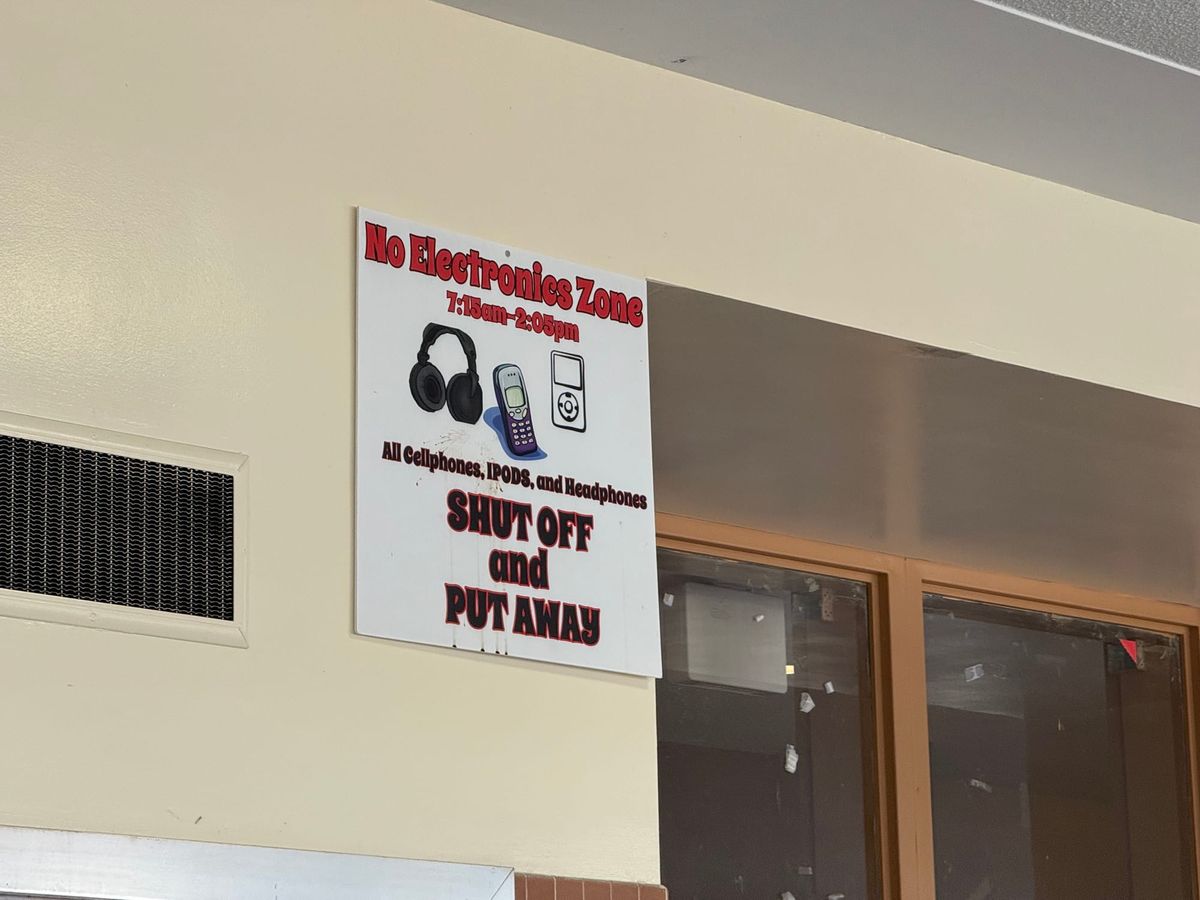
Earlier this month, Gov. Abigail Spanberger signed into law an enhanced school cell phone ban bill that would prohibit student cell phone use from bell to bell. Bell to bell means from the start of the school day to the end, including during lunch and between class periods.
The law amends the executive order signed by former Gov. Glenn Youngkin simply recommending that school divisions “restrict” student cell phone use.
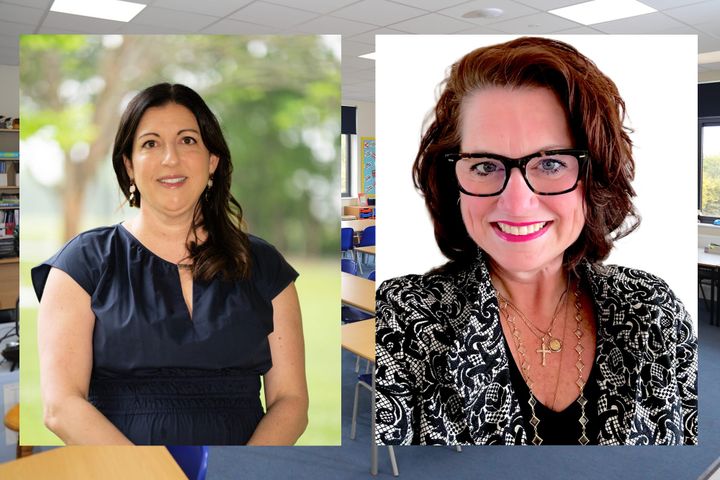
RPS Chief Wellness Officer Renesha Parks told the School Board that the district's current policy meets the requirements of the new law, and RPS has added additional guardrails to the policy, like shifting the burden of enforcing the policy to school administration and prohibiting smartwatches and tablets in addition to phones.
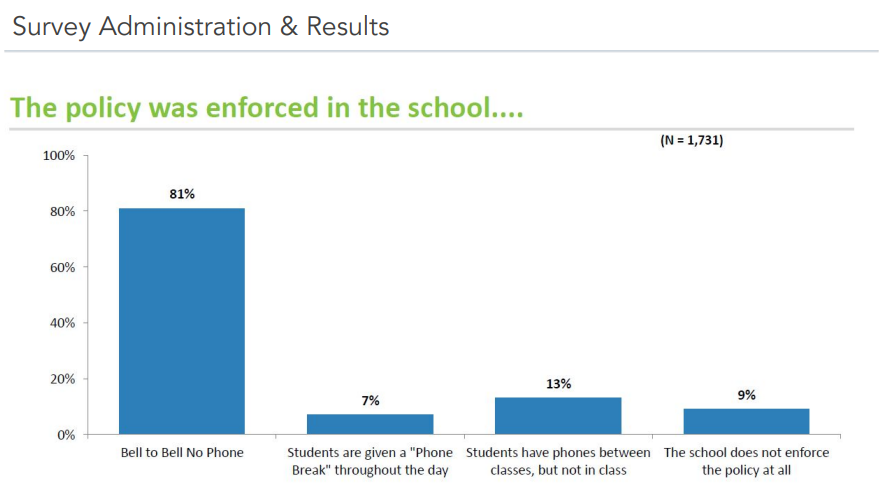
The goal of the law is to keep students engaged in class, which Parks said is happening in schools, according to a survey taken primarily by about 1,700 students. But the same survey also showed that the cell phone ban is not being enforced uniformly across all schools in the division.
“One of the things that we have realized as an administrative team is that we’re going to have to put some non-negotiables,” said Parks. “Autonomy is great, but it’s not working for some of our buildings.”
Vice Chair Matthew Percival (1st District) asked Parks if the consistency of enforcement will be codified in school policy.
In addition to codifying it, Parks said the division will also have “a mini focus group” to receive feedback from all groups of students and faculty.
Early literacy gains rise across Richmond elementary schools
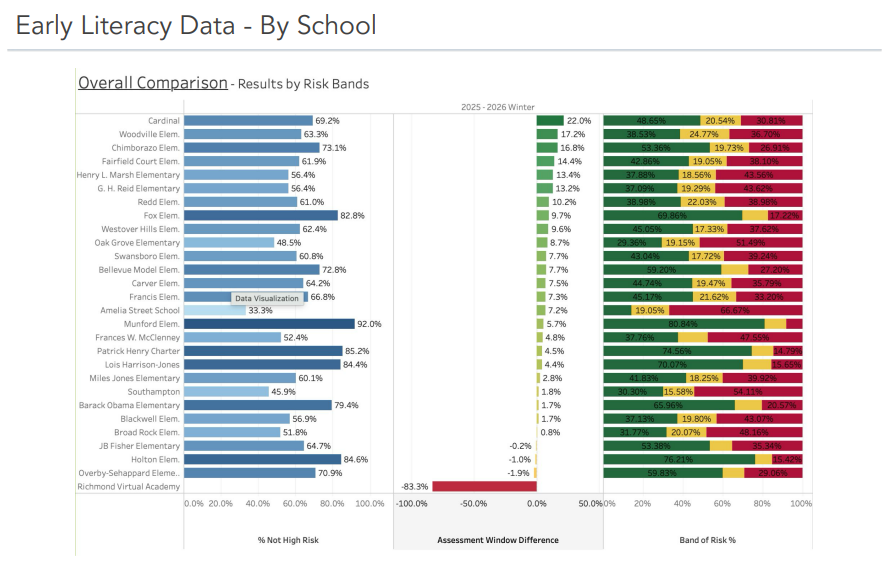
Early literacy proficiency for Richmond’s kindergarten through second grade students went up this winter compared to last winter.
The Virginia Language & Literacy Screening System, also known as VALLSS, identifies K-2 students who are at risk for reading difficulties. The screening categorizes students into high, moderate and low risk reading.
K-2 students who are not at high risk for developing reading issues increased by nearly 5% across Richmond’s elementary schools. The gains were also seen among specific subgroups, with economically disadvantaged students reporting a 6% increase, English learners showing a nearly 7% increase and a 10% increase among students with disabilities.
Significant increases came from specific schools, like Southside’s Cardinal Elementary and the East End's Woodville Elementary, which posted 22% and 17% increases in literacy proficiency from last winter, respectively.
Laurie Gingrich, the division's manager of kindergarten through fifth grade literacy, attributed the success to schools’ implementation of UFLI, a science-of-reading-based phonics curriculum that teaches foundational reading skills to K-2 students.
RPS announces plans for summer school
This summer, RPS will offer summer school to pre-kindergarten to eighth grade students who demonstrate a need for additional learning support. The division will also offer credit recovery for high school students.
The program will also include “summer bridge” activities, where fifth grade students will visit middle schools. Boushall Middle will host fifth graders from Southside schools and Henderson Middle will host fifth graders from the Northside.
Summer school for pre-kindergarten to eighth grade students was previously on the chopping block in the division’s budget proposal, with a listed savings of $2.1 million. Additional money was later requested, and provided, though the budget has yet to be fully finalized.
Because of their extended calendars, pre-K to fourth graders at Cardinal, Oak Grove-Bellemeade, Fairfield Court and Woodville elementary schools will not participate in the summer program.
Click here to find the exact dates, times and sites of other summer programs for students.
Richmond schools to join social media lawsuit
The School Board voted unanimously to join a statewide school division lawsuit against social media companies “for the adverse impact that their products have had on young people” during its business meeting this month.
The decision comes after a California jury found last month that Facebook and YouTube's parent companies, Meta and Google, were guilty for causing anxiety and depression in a woman who obsessively used social media as a child. She was awarded $6 million, opening the door for more lawsuits against the companies.
Wagstaff & Cartmell, a law firm based in Kansas City, Missouri, is one of the leading attorneys on the case. The name of the class action lawsuit does not yet exist and the division has yet to be assigned a specific attorney.
“By pursuing compensation for those harmed, lawsuits seek to hold social media companies responsible for their failure to provide sufficient user protections against dangerous content, addictive algorithms, and other forms of harm,” the firm wrote in a press release.
Last month, Henrico County Public Schools also joined the lawsuit, and its School Board voted to retain the same firm.
Contact Reporter Victoria A. Ifatusin at vifatusin@richmonder.org