Richmond's community gardens are a hidden gem
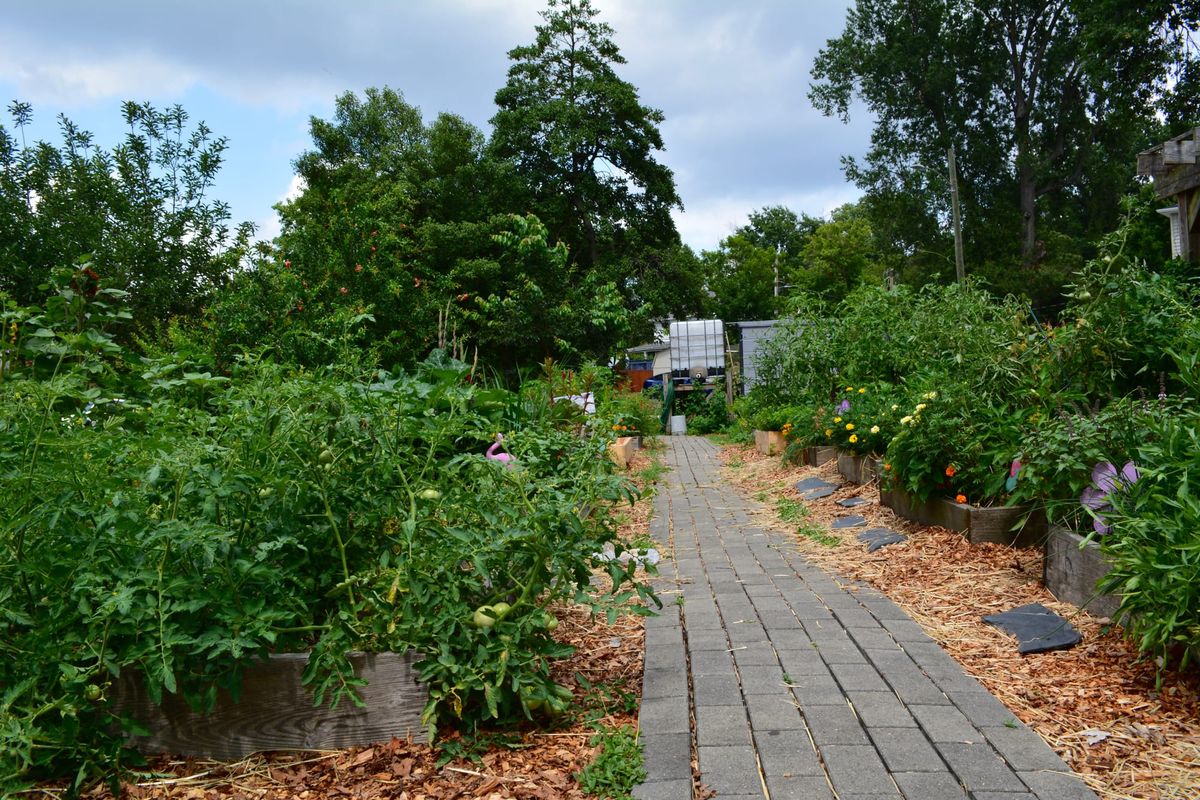
The city of Richmond has been growing community gardens in just about every neighborhood for years, but for those looking to get involved, the details can be in the weeds.
Richmond Grows Gardens is the city's urban agriculture program, which was introduced in 2011 to transform city-owned properties into green spaces. These gardens aim to support the city’s sustainability goals, facilitate access to fresh food and produce, and utilize vacant city parcels, according to the city’s website.
Today there are 30 active gardens across the city, from Church Hill to the Southside.
Contact information for most of the gardens is available on the Richmond Grows Gardens website, though many use Instagram or Facebook to share about events and updates as well. Participants described a patchwork process that lacks central coordination and could be an obstacle to interested newcomers.
The gardens are not directly funded by the city — Richmond Parks and Recreation provides materials and infrastructure like water, sheds, garden beds, tools and other supplies, priority for which is determined by an “equity lens,” city spokesperson Tamara Jenkins wrote in an email.
The city also helps to foster partnerships with organizations like the Community ToolBank of Richmond, Community Foundation for a greater Richmond and additional RGG staff for volunteer events.
RGG staff and participants, community partners, higher educational institutions and other urban agriculture professionals across the region are working to give the city “a clear identity and service surrounding urban agriculture and community gardens” as a part of the “Richmond Inspire” 10-year plan, Jenkins wrote.
The plan acknowledges that many residents do not know how to get involved with the gardens and their limited space. It also notes the lack of a network for sharing garden produce across neighborhoods, connection with the broader food system and clear guidelines for farmers markets.
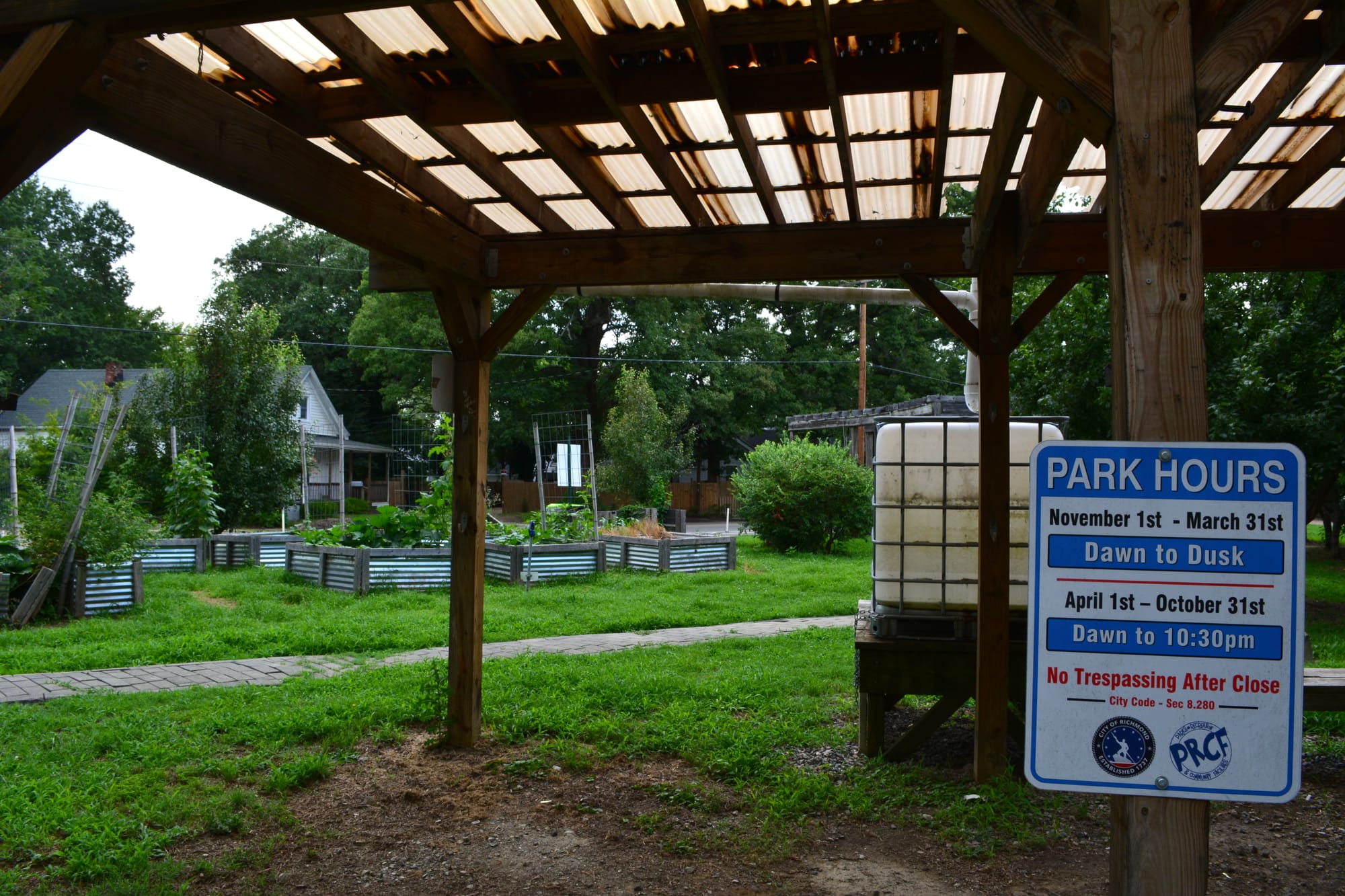
Creating community connections
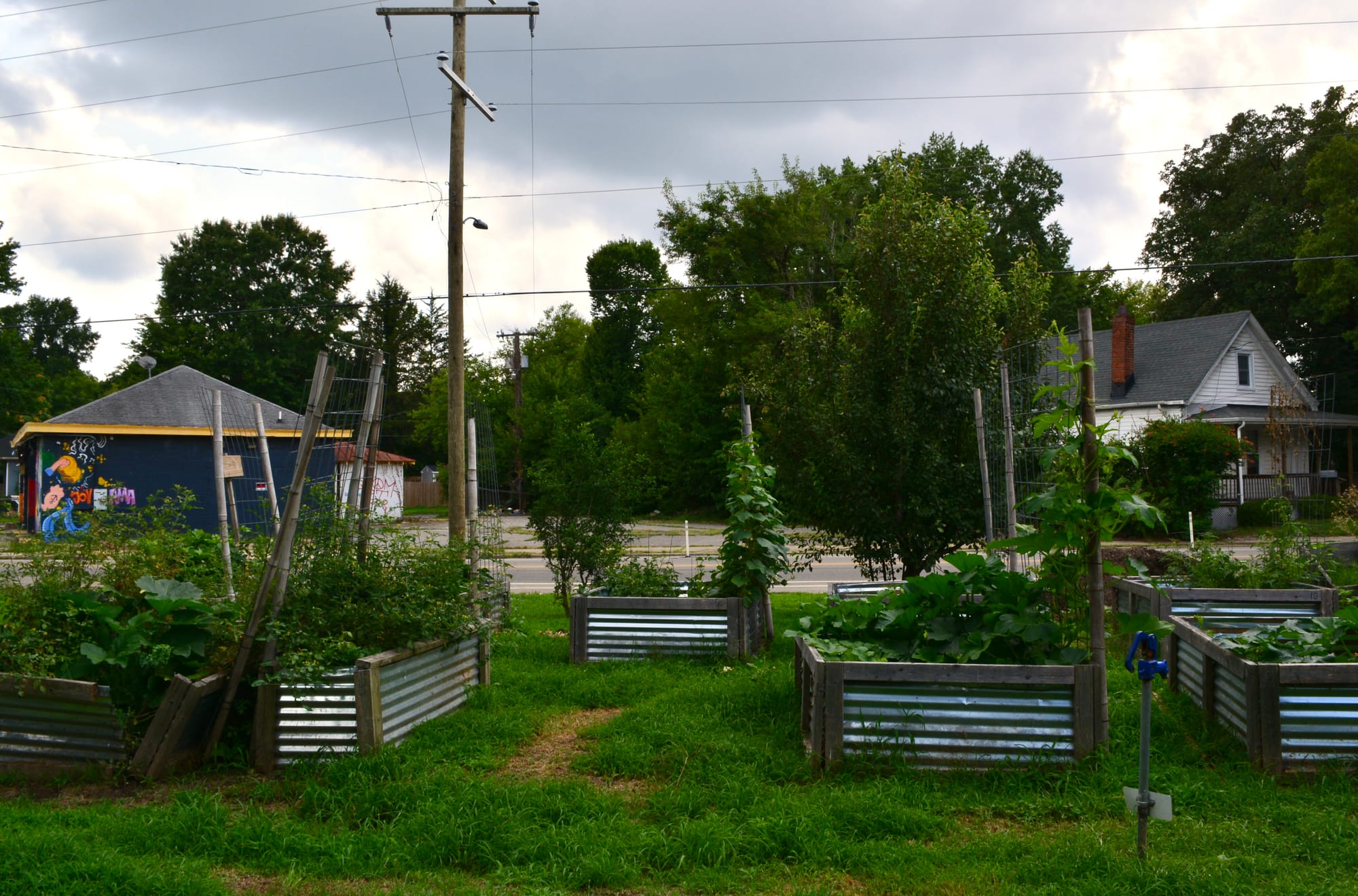
There are several garden types, and applicants determine which they will utilize.
- Personal allotment gardens have plots maintained by individuals or households. These gardens have waiting lists and often have plot registration fees.
- Sharing gardens have plots accessible to all members of the garden, and often have shared maintenance activities.
The Birdhouse Community Garden at Petronius Jones Park in Randolph is one example of the latter, with shared beds and weekly garden work days announced on their Instagram open to anybody who wants to help out.
Birdhouse also hosts a weekly farmers market on Tuesday evenings, with a pickup option for the winter months.
Naomi Wren has been the garden steward at Birdhouse for almost four months, describing their role as a balance between supporting the volunteer base and acting as a leader. Birdhouse coordinates with the nearby Randolph Community Center for youth programs, including garden education as a part of their summer camps.
Wren said many people in the neighborhood don’t realize the food in the garden is available for them.
“We get a lot of support from everybody that I talk to, and yet out of everyone I talk to there's still a lot of people who don't know the extent to which they can use the garden,” Wren said. “So there's always a positive response and yet I feel like the information might not be getting out there as much as I would like it to.”
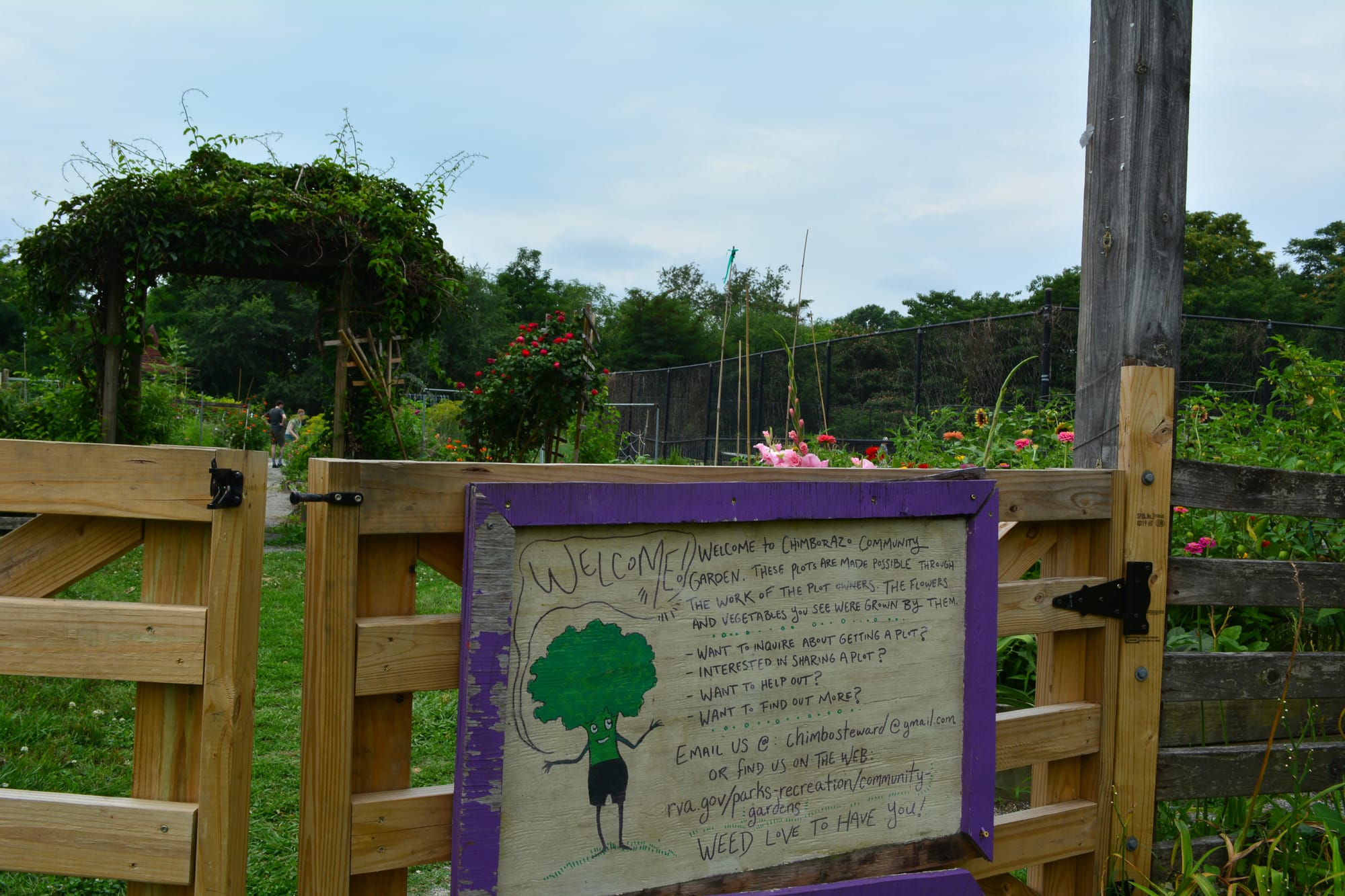
Wren said they’ve been “in talks” with the city about how to better spread the word to neighbors about how they can use the garden.
One recent focus of the Birdhouse garden is foodways, which Wren described as the cultural and social aspects surrounding food.
“We really want to strengthen connections between people and their food. We are tied to a farmers market so it would be very easy for us to be a market garden, but our food is free and we want to encourage everybody not just to harvest and use our food, but also to feel invested and curious about the food that's growing around them,” Wren said.
One current foodways project is their sweet potato project — one Randolph neighbor’s family has been developing an heirloom sweet potato variety over several generations, this is the second year they will be harvested in the garden. Wren said they are looking forward to hosting a harvest celebration in the fall to honor the heritage of these sweet potatoes.
Another community member recalled childhood memories of traditional Appalachian pole beans, so the garden ordered some heirloom varieties to try to recreate her tradition and share it with the community.
“Everyone has connections to food or curiosity about food and it's really nice to see a place in the neighborhood that really brings that side out of everybody. It's very heartening,” Wren said.
Spreading the word
Many gardens are a combination of the two formats, like the Alice Fitz Community Garden. This garden has two community plots and many individual plots, which residents can join the waitlist for via Instagram message.
Broad Rock Community Garden in Richmond's Southside has individual plots which can be registered for on its website, but the garden also hosts events and community work days.
One gardener who has been working many of Richmond’s gardens, including Broad Rock, for the past six years, says the city’s gardens are often overlooked.
“When I've worked in gardens the neighbors have come out and they're like, ‘Oh, I wondered who tended to this. I live right near it,’ and so then they find out information right then and there,” said the gardener, who asked for their name not to be used.
Larger scale
Community orchards and food forests are generally larger than half an acre and often have perennials like fruit trees and bushes with public/community maintenance coordinated by the garden leadership.
Fonticello Food Forest in Southside has a Free Farm Stand every third Saturday of the month and every Sunday afternoon is an open volunteer day.
Any garden planning to host markets to sell the produce grown onsite on a regular basis is designated as a market garden.
Duron Chavis, director of The Happily Natural Day, was on the Food Policy Task Force under then-Mayor Dwight Jones, which created the RGG program.
Chavis applied for the plot that is now McDonough Community Garden in 2012. Now, his focus has shifted to moving toward bigger parcels of land — The Central Virginia Agrarian Community Land Trust now owns over 150 acres of farmland across the region.
Urban farms where residents can not only learn to grow food on a larger scale, but sell it to generate revenue, are more sustainable than volunteer-based gardens, he said.
“I believe community gardens are like an entryway to a larger conversation about farming,” he said.
Community gardens allow a space for people to learn to grow food and connect with neighbors in a third space, but they do not have the scale necessary to feed whole neighborhoods, Chavis said.
Expanding the program
On the other end of the spectrum, conservation and restoration gardens are designed to be lower maintenance and are focused on environmental enhancement and beautification.
The city's Garden Handbook lays out the structures of organization for all of the gardens, stating each site is maintained by a garden group led by a Garden Steward, who acts as the main point of contact for the site and a liaison between the garden and the RGG Coordinator.
Because the gardens are not directly funded by the city, the levels of engagement in each garden and how they run are a reflection of the community itself.
“The conversation about community gardens, if you’re not framing it about who has access to resources then you’re really doing a disservice to the conversation because you’re not really tapping at the root of why these things are even supposed to exist in the first place,” Chavis said.
 Sarah Vogelsong
The city is also hoping to expand the program to include kitchens at its new community centers, as well as investment in staff, volunteers and training programs.