Richmond judges take legal action against city government over courthouse conditions
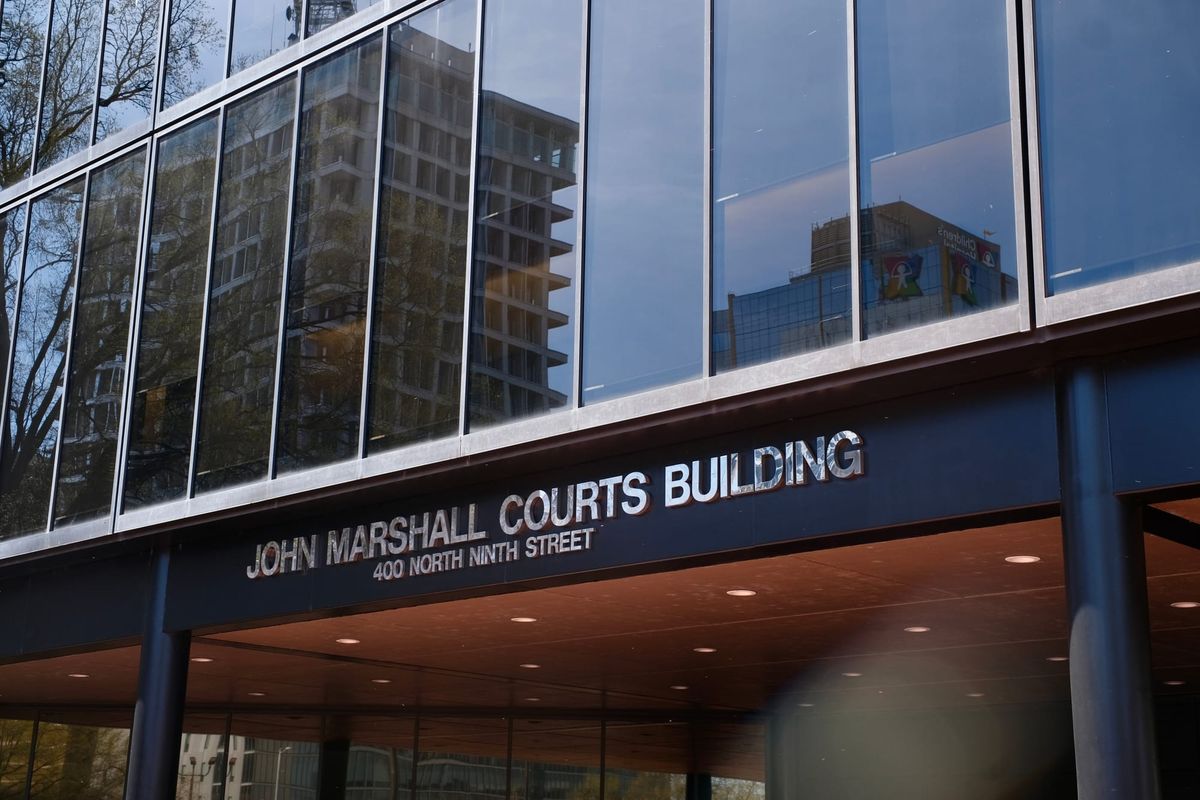
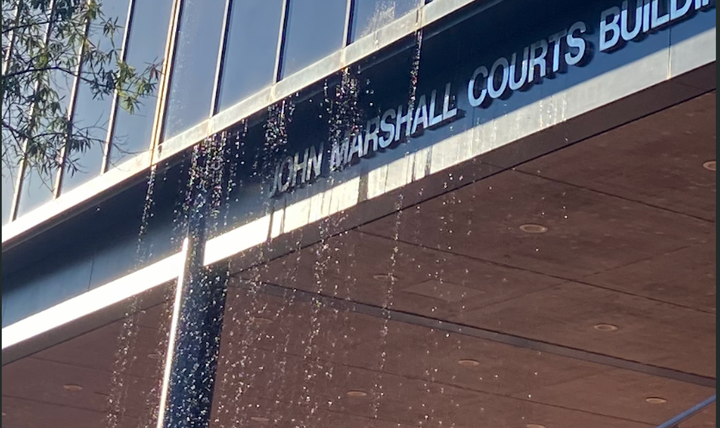
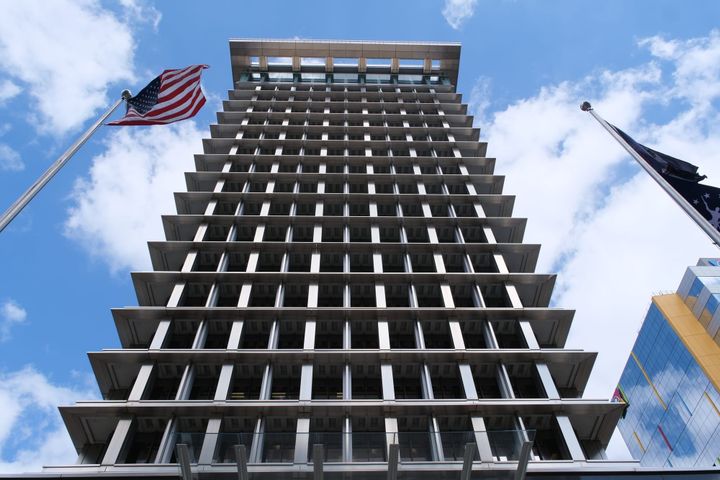
Richmond Circuit Court judges are so frustrated with the state of the John Marshall Courts Building they’ve initiated legal action to try to force the city government to provide a functional courthouse.
A May 6 court order from Chief Judge Jacqueline S. McClenney demands that the city explain why the judicial system should not take further action to compel Richmond to fund the work necessary to bring the building into good condition.
The show cause order — which is essentially the judicial branch suing the local government — could create a major new money problem for city officials just as they’re celebrating the end of a relatively drama-free budget season.
Though the Virginia court system is run by the state, responsibility for the construction and upkeep of city and county courthouses falls to local governments.
State law empowers the court system to go after local officials deemed to be failing in that duty, and Richmond’s judges have chosen to start that process.
An entirely new courthouse was previously estimated to cost the city more than $350 million, an expense the city would struggle to afford.
The city put up $15.6 million in the just-approved budget to fund infrastructure upgrades at the building, but that doesn’t appear to have satisfied the judges who work in the facility, who have complained about roof problems, plumbing issues, a lack of surveillance cameras and electronic door locks and accessibility issues.
The judges threatened to take legal action against the city a year ago, according to the Richmond Times-Dispatch. This month’s order follows through on that threat, raising the possibility that city officials may have to scramble to find millions of dollars to satisfy the court’s edicts.
The Richmond Circuit Court has determined the John Marshall building is “insecure, out of repair and otherwise poses a danger to the health, welfare and safety of court employees and the public,” according to the three-page order that names all nine City Council members as defendants. Technically, the state is the plaintiff in the proceeding.
If the court is unconvinced by the city’s response, a second order could follow “commanding” the Council “to cause the Court Facilities to be made secure, put in good repair and rendered otherwise safe, and to cause the necessary work to be done.”
The court order came up at the end of Monday’s Council meeting, with members indicating they had just been served with the paperwork that day.
Councilor Reva Trammell (8th District) raised the issue, saying she was alarmed to learn there may be a new, legally binding demand for a significant amount of city funding just as the budget was being put to a final vote.
“This is a shock to me,” said Councilor Reva Trammell (8th District). “Because I thought the mayor was having conversations with them over there.”
Trammell said money for the courthouse should be a top priority.
“To me, they should get the courthouse instead of us building a hotel or the Diamond [District] deal, finishing that,” Trammell said.
Council President Cynthia Newbille (9th District) assured Trammell there will be some sort of follow-up on the matter.
“We’ll have to have a conversation with our city attorney and the administration,” Newbille said.
The Council’s leader then moved on with the normal flow of the meeting, asking Trammell if she had any community announcements to make.
State law specifies that any legal action over courthouse conditions should be directed at a city council or county board. Though the order was served on Council members, Mayor Danny Avula has primary control over what goes into the city budget and what gets left out.
At a news conference Tuesday morning, Avula said he's been engaged on the courthouse issue since he took office 16 months ago.
"We've had very frequent communication with our partners at the courts," the mayor said. "That's why we put 15-plus million dollars in the budget to kind of address some of the short-term needs. We know that the building is aging out and that we've got to come up with a plan for long-term replacement."
The mayor said he understands that the judges "want and need more assurances" that work will occur.
During a budget discusion in early April, Councilor Stephanie Lynch (5th District) asked Avula’s administration how court officials felt about the proposal to give $15.6 million for upgrades short of a major renovation or new courthouse project.
“So we’re expediting $15 million basically to patch things up with bubble gum and shoelaces,” Lynch said. “Have we gotten an official response? Or could we get an official response from our stakeholders at the John Marshall courthouse?”
Chief Administrative Officer Odie Donald II indicated at the time that he was having regular communication on the issue. He said the improvements the city is funding are “not just patchwork.”
“I believe it is help. I think it does make the facility safe, modernize it and provide things that have never been provided before,” Donald said. “That is vital, because you can’t just go somewhere tomorrow and have a turnkey place.”
At Tuesday's news conference, which was focused on final passage of the budget, Donald said the city intends to send the judges more information shortly. Asked if the judges have said they're unsatisfied with the amount of money the city just allocated to the courthouse, the CAO said "that's definitely not what has been expressed to us."
"It's been wonderful working with the chief judge," Donald said. "We'll continue to do so, and we'll continue to deliver."
In February, the Council approved using $14.7 million from the city's emergency reserves — about half of the money in the contingency fund — to keep the Diamond District project on track. That money financed a loan allowing to Richmond Economic Development Authority to move forward with the planned purchase of VCU's Sports Backers Stadium, which is near the recently opened CarMax Park baseball stadium.
At the time, some Council members expressed concern about how the city would handle its depleted reserve fund if another financial emergency were to arise. The Avula administration told the Council that was not a major concern.
Under the state process, a copy of the order is supposed to be sent to the chief justice of the Supreme Court of Virginia. The law calls for the state’s highest court to appoint an outside judge to handle the dispute.
"Ultimately, this will make its way through the court system," Avula said. "I don't know all the ins and outs of what the legal process entails. But the next step is that a judge outside of Richmond will look at the situation and say, 'OK, what is the degree to which investments need to be made?'"
Contact Reporter Graham Moomaw at gmoomaw@richmonder.org