Richmond expands no-parking rules for bike lanes to include buffer zones
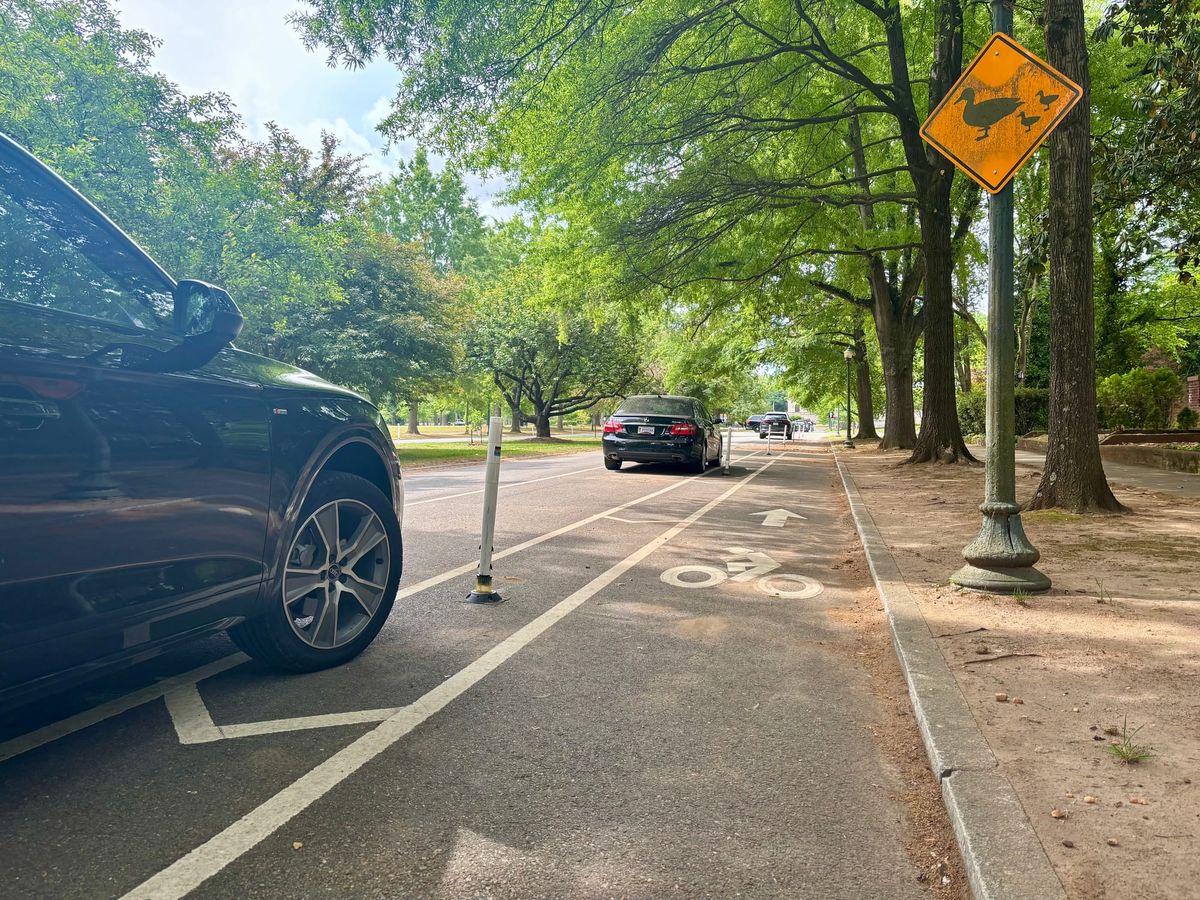
Drivers parking near Richmond’s bike lanes will have to give cyclists a little more room under a policy change the City Council approved last week.
For parking enforcement purposes, the Council voted to broaden the city’s definition of a bike lane to include buffer zones that help set bike lanes apart from the main road. Under the new policy, vehicles in the buffer area can receive a ticket even if their wheels aren’t in the bike lane itself.
“The change responds to documented issues of people parking in those buffers, forcing cyclists into traffic and creating safety risks,” Councilor Katherine Jordan (2nd District) explained at a recent committee meeting.
Jordan was the lead sponsor of the measure, and the Council approved it almost unanimously at its April 27 meeting.
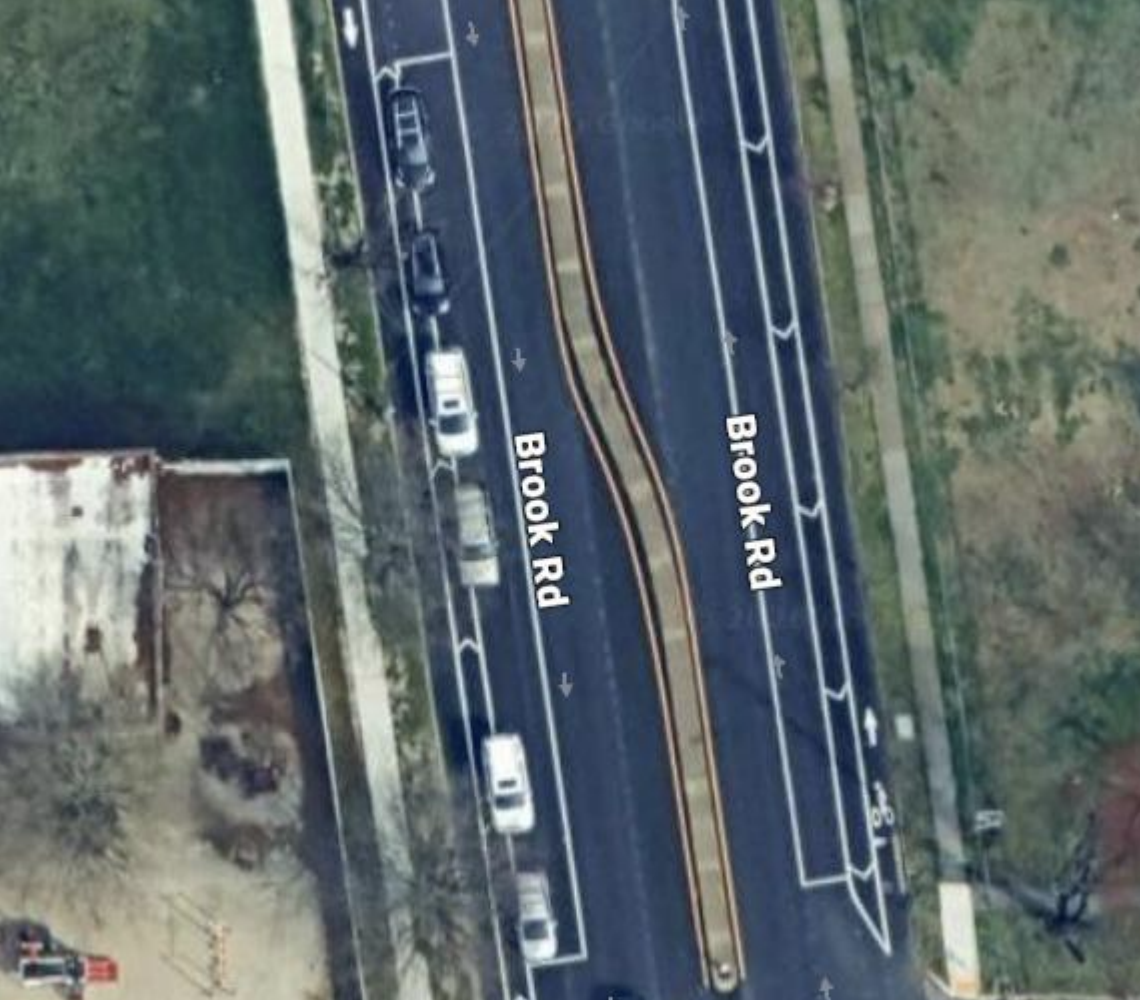
With a new emphasis on road safety, city officials have been stepping up efforts to keep bike lanes clear. For the month of April, the city said it would be giving out warnings to drivers who park in bike lanes. Starting in May, those warnings could turn into $65 tickets.
It’s unclear how strictly the bike-lane parking rules will be enforced. Backers of the change say it will mostly help prevent “dooring” collisions, where opening car doors suddenly block the bike lane with little time for a cyclist to react.
“That’s inconvenient if I see it coming,” said John Barclay, a teacher who urged the Council to back the buffer zone policy at a committee meeting last month. “If I don’t see it coming and I’m right next to the car, that’s deadly. Because it hits me.”
Before the Council voted on the measure, Northside resident Emma Hartman asked the body to change course, warning that making things safer for cyclists on the passenger side of parked vehicles will make things more dangerous on the other side. Requiring parked cars to stick out further into the travel lane, Hartman said, raises the possibility that the vehicle or people exiting on the driver’s side could be struck by a passing car.
“My neighbors don’t want to put cyclists in danger. I don’t want to put cyclists in danger. We are just trying to protect ourselves,” Hartman said. “Please don’t start issuing citations to citizens who are just trying to park safely without getting hurt. The cars are just going too fast.”
Expanding the definition of bike lanes for parking enforcement purposes was a recommendation of the city’s Safe & Healthy Streets Commission.
Louise Lockett Gordon, who chairs the safe streets commission, urged the Council to support the change. Making travel lanes narrower because of where vehicles park, she said, will help slow down traffic by creating a slimmed-down “road diet” effect.
“We know that when the roadway looks very wide people perceive that they have more wiggle room and will tend to drive faster and above the speed limit,” Lockett Gordon said. “Road diets visually cue drivers that the travel space is narrower, and thus they slow down and tend to abide more closely to posted speed limits.”
The Council’s vote wasn’t quite unanimous because Councilor Kenya Gibson (3rd District) abstained after asking to see more data on the safety implications of the change. Gibson said she was worried the city could be “fixing one problem and creating another.”
Despite those concerns, the rest of the Council voted to make the buffers a no parking zone. The ordinance took effect immediately.
“We already have cars parked next to travel lanes,” Jordan said. “That’s already a condition across the city.”
Contact Reporter Graham Moomaw at gmoomaw@richmonder.org