July 3 Newsletter: America's birthday weekend
Weather: Another day of triple-digit heat. Tomorrow's fireworks display is canceled in Richmond city, though Henrico and Chesterfield's celebrations will continue.
On this date in 1863, General George Pickett, a Richmonder, orders a failed charge on Union troops at Gettysburg that is considered a turning point in the Civil War. Pickett’s written report of the charge was rejected by Robert E. Lee, who reportedly considered it too negative, and no records of it exist.
Today's edition made possible by donors to The Richmonder: As a 501(c)(3) nonprofit, The Richmonder relies on community funding to bring you the news. Learn more here.
On this Fourth of July weekend, enjoy some of our reporting on Richmond's history.
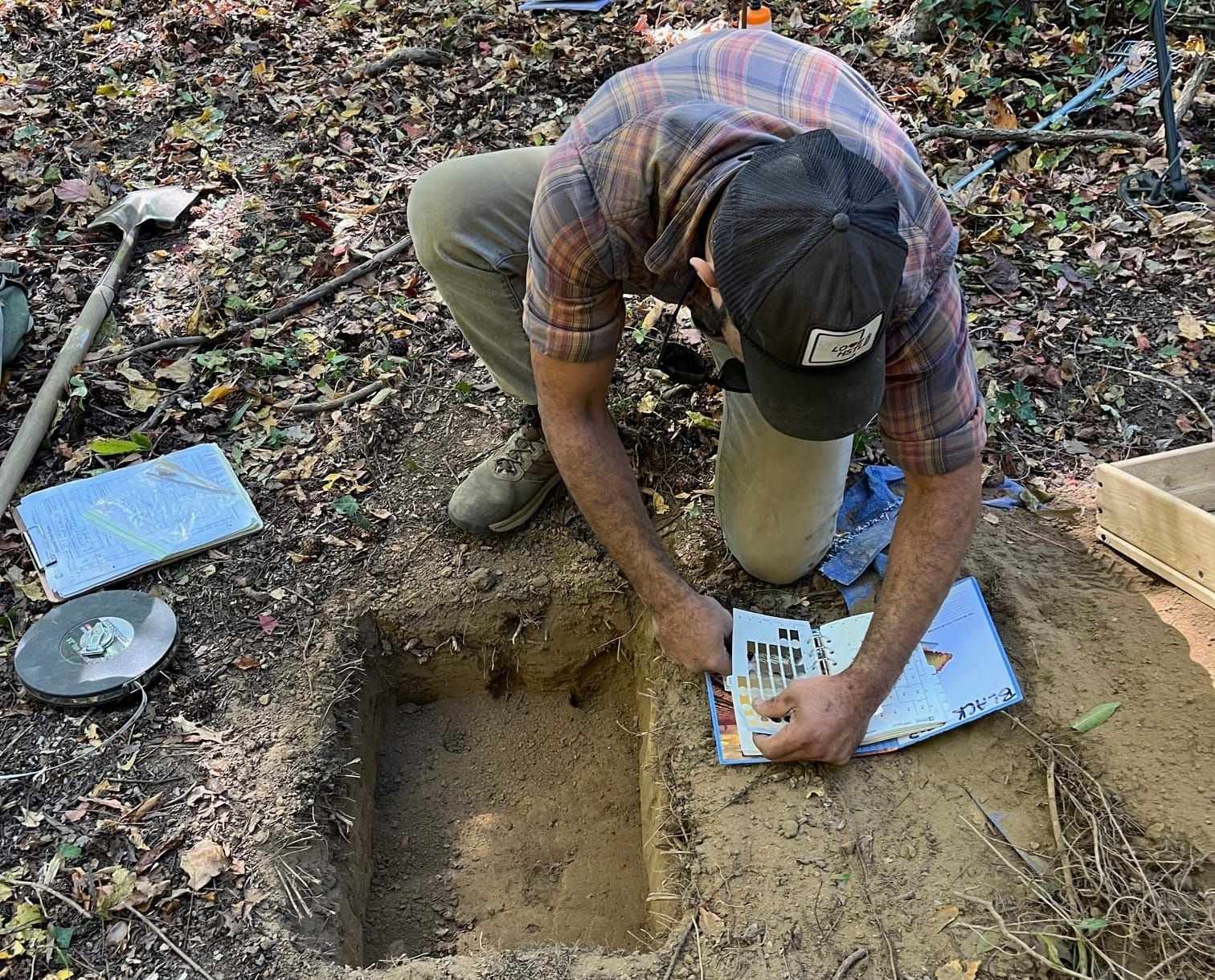
A dig for the distant past on Belle Isle
Belle Isle is the busiest of the James River Park System’s over 60 parcels. Half of the park system's daily visits are to the 54-acre island. It is also, infamously, the site of a Civil War prison camp for Union soldiers.
It hosted intense industry for 100 years before the war and 100 years after. All of these uses left their mark on the island. Read more here.
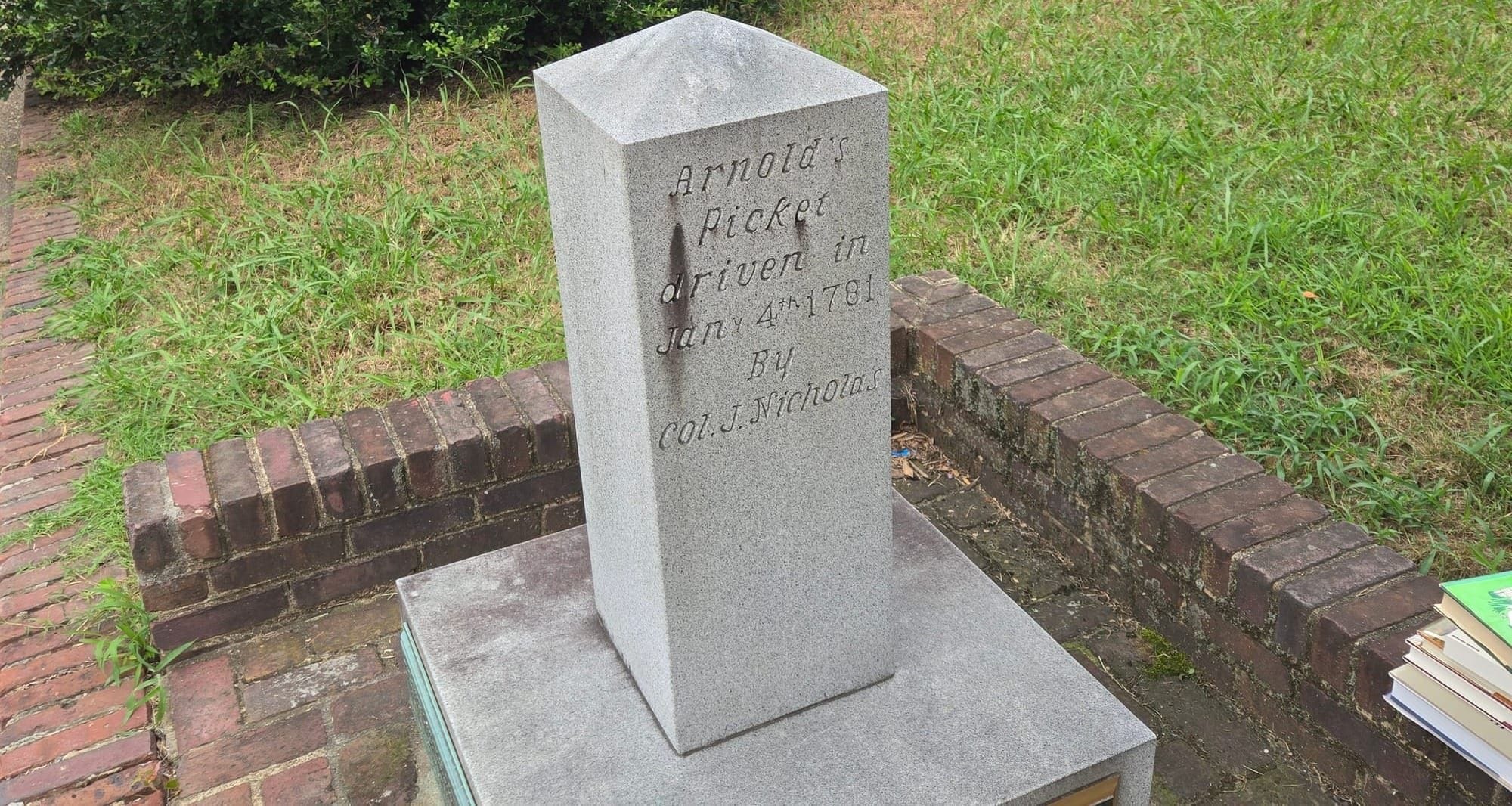
Is this Fan monument an ode to heroic efforts or an act of 'fictional self-glory'?
The story of “Arnold’s Picket” took place during the 1781 British invasion of Richmond during the Revolutionary War.
Governor Thomas Jefferson’s name was besmirched for not calling out the militia sooner, leaving him no choice but to abandon Richmond, a small town that only the year before had become the capital of the rebelling Virginia colonists.
In 1819 – nearly 40 years later – the militia officer who was in charge during that dark day in Richmond history stepped forward with a heroic story that, after subsequent telling, credited him with Arnold’s “repulsion” from Richmond. Is it true? Read more here.
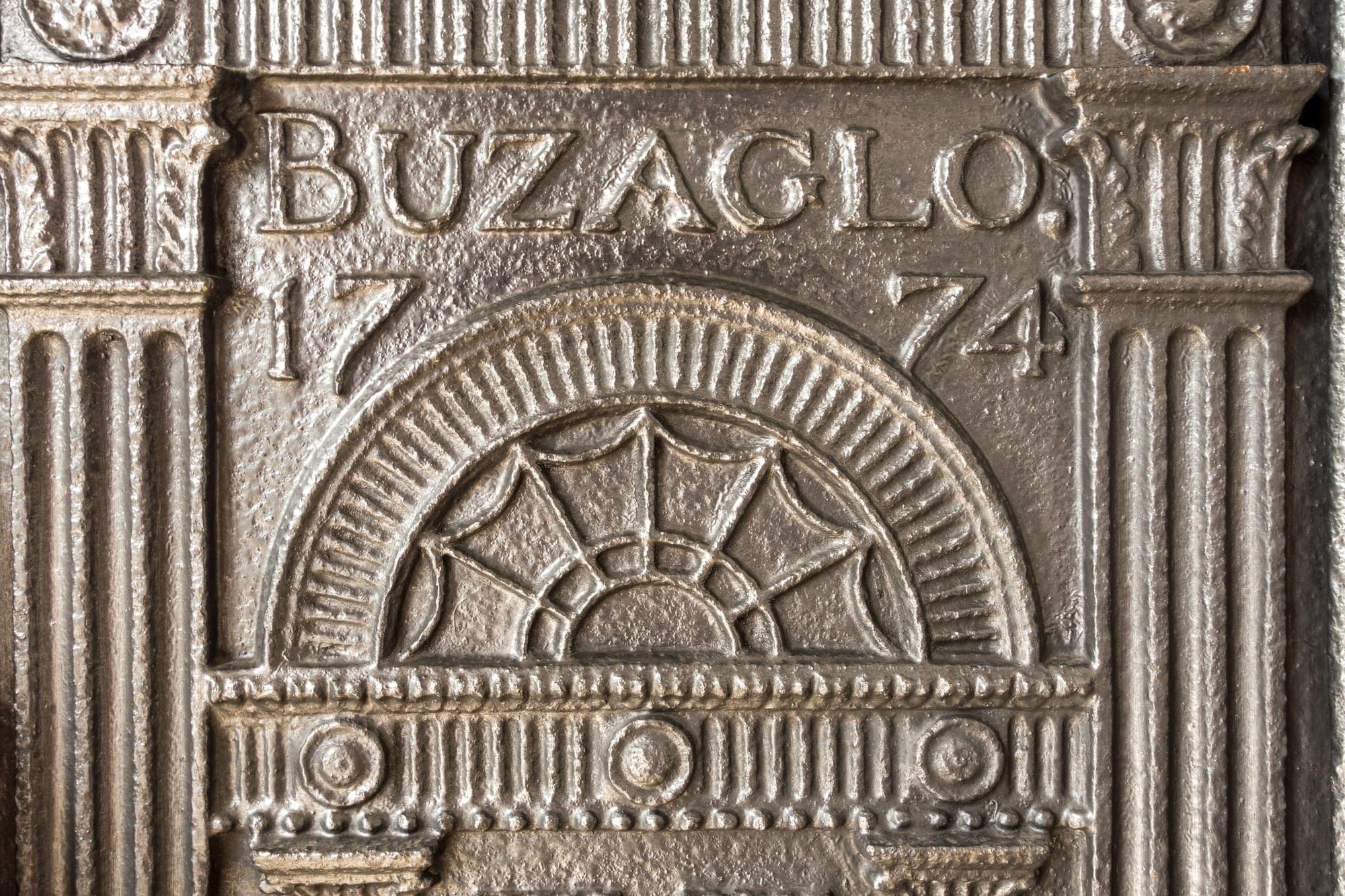
Dukes, delegates and duels: How a charcoal ‘warming machine’ witnessed centuries of Virginia history
Since the mid-18th century the state’s lawmakers have tended to convene in the winter months, and thus in the years before central air they required some way to heat their legislative chambers, if only to keep pneumonia at arm’s length.
The stove's European creator wrote rapturously that the triple-decker structure—shipped over to the U.S. in multiple boxes—was “a masterpiece not to be equalled in all Europe” and one that “does honour to Great Britain.”
Of course, the colonial lawmakers just a few years later did honour to Great Britain in their own way by joining a revolution against it. Read more here.
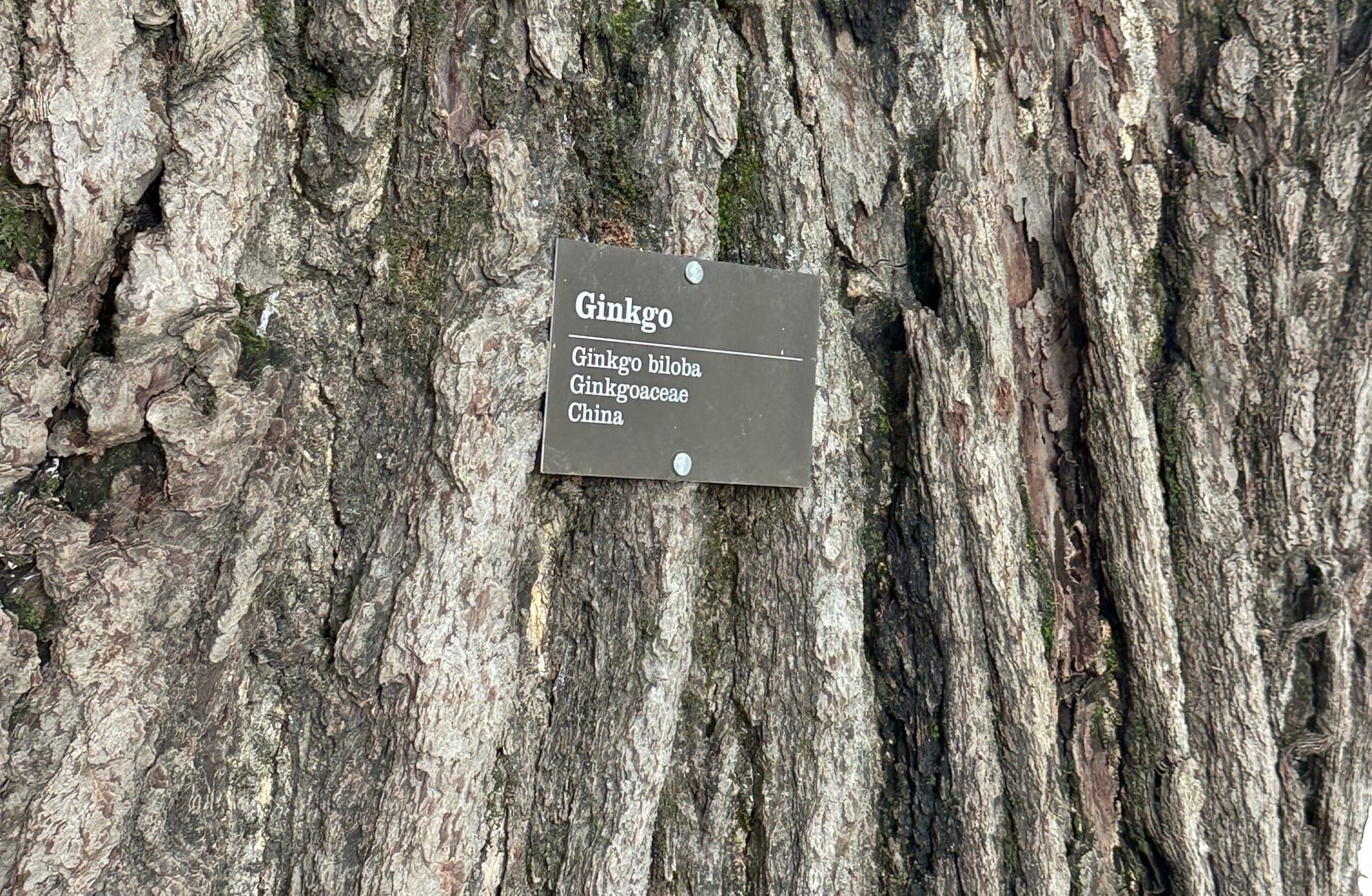
Exploring Richmond: Meet 5 of the city's most unique trees
They’re well known for being the “lungs of the earth,” providing shelter for wildlife and possessing extraordinary natural beauty, but trees are also time travelers and living museums.
Richmond is home to many of these overlooked storytellers with tales that keep the memory of someone alive or perhaps remind us that some history isn’t as ancient and faded into obscurity as one might think. Meet a few of the area’s notable trees whose stories are worth knowing.
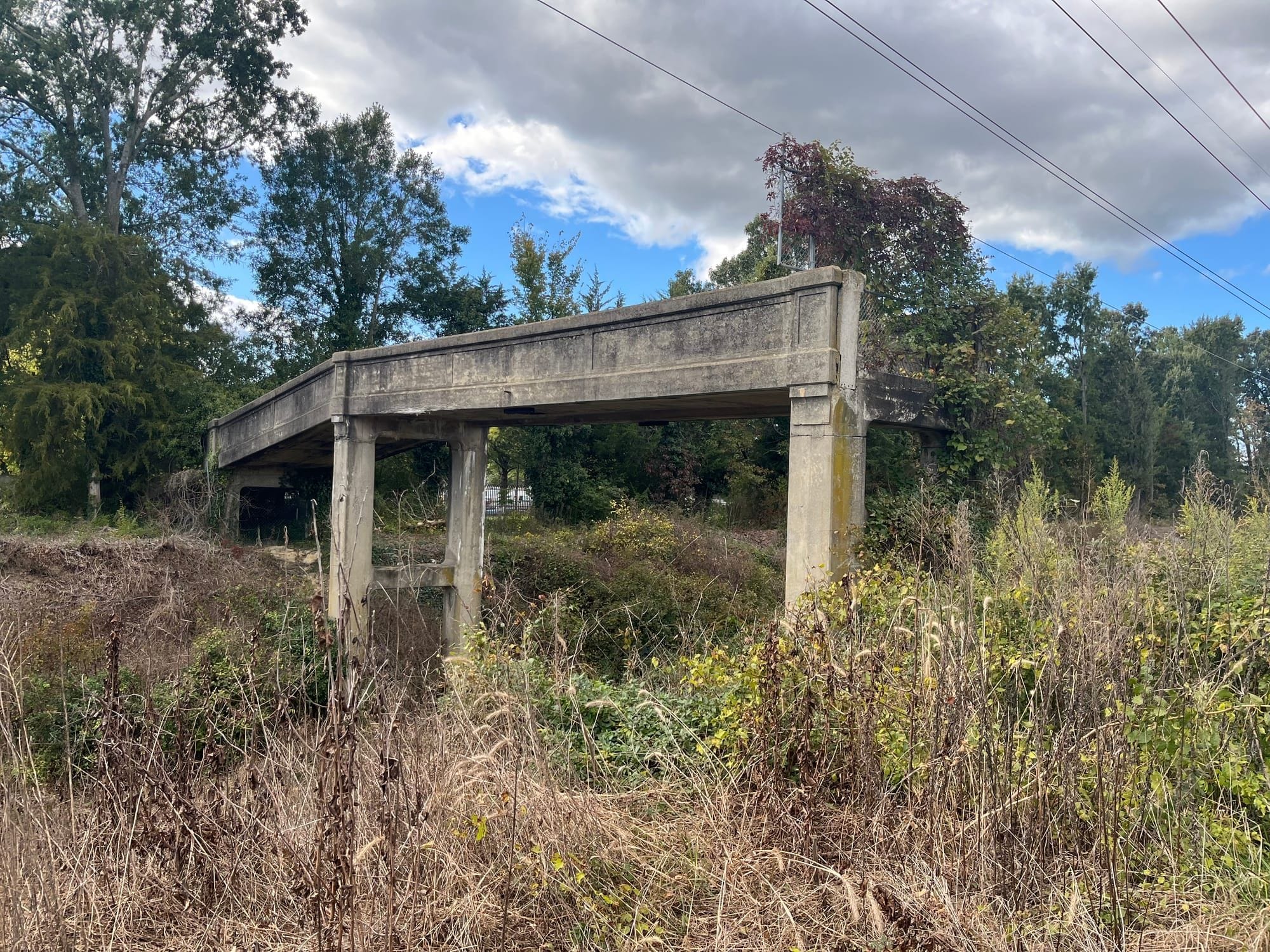
Richmond history: Before the Fall Line Trail, there was the Ashland Electric Railway
Local hikers eager to walk the length of the Ashland-to-Petersburg Fall Line Trail upon its completion several years from now may be intrigued to know that a sizable part of the path will run alongside a long-vanished trolley railway, one that used to carry passengers from Broad Street up to downtown Ashland every hour.
Designed by Frank Sprague, the system would grow to over 80 of miles of tracks within the local region before cars and buses forced its retirement in 1949. Read more here.
More history from The Richmonder
 Sarah Vogelsong
 Rich Griset
 Max Posner
The editor's desk
Did you know The Richmonder reaches more than 160,000 people across the region each month? Our audience has grown 3% or more in each of the last 12 months. That's only possible because of the generosity of our donors, who understand the civic value of fair-minded, nonpartisan news about their community. If you're one of those 1,300+ donors, thank you! If not, now is the perfect time to join!
Michael Phillips, founder
mphillips@richmonder.org
Sent this by a friend? Sign up for our free thrice-weekly newsletter here.
Do you enjoy The Richmonder? Join us as a donor and we'll send you a hat or mug!