GRTC: Service cuts may be necessary after private fundraising push finds few takers
The Greater Richmond Transit Company plans to seek public feedback on a proposal to cut bus service in the region by 20% — a step the agency says will be necessary if funding levels remain flat in coming years.
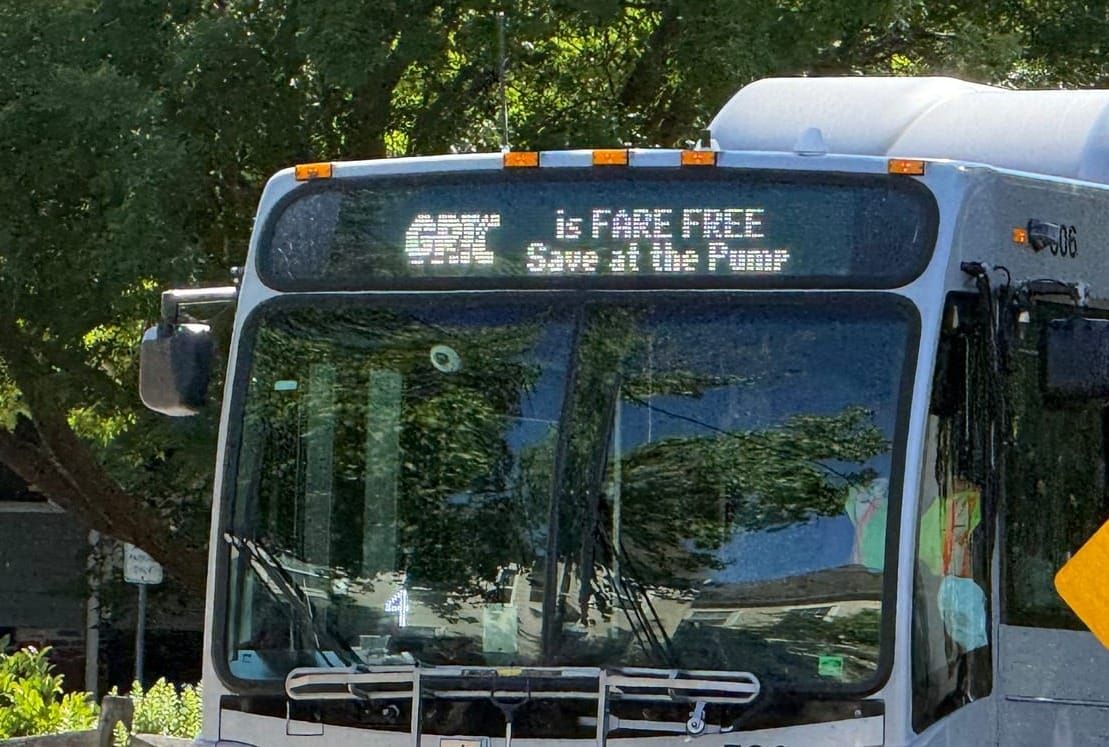
GRTC has been struggling to sustain its popular fare-free policy after state and federal funding that paid for it ran out two years ago.
Agency officials had been hoping they might tap into the local business and philanthropic community for support to help bridge the gap, but board members were told this week that the effort has so far come up largely empty.
“We didn't get a lot of volunteers to write a check," Martha Shickle, director of PlanRVA, said. “I think there was still some more work to be done.”
PlanRVA partnered with GRTC to study potential revenue streams to sustain fare-free service — a policy that costs the agency about $7 million a year in foregone fare revenue.
Shickle said PlanRVA engaged professional fundraisers to explore potential private sector support. GRTC had hoped to raise $2 million annually in philanthropic support, pitching it as a regional amenity that helps local businesses attract and retain employees.
She said the 17 local business and nonprofit leaders interviewed spoke favorably of GRTC and its impact, but balked at the scale of the ask.
GRTC’s chief of staff, Adrienne Torres, said that a big takeaway of recent conversations has been that those regional leaders value transit as an economic development tool.
“But as far as how do we get the investment where it’s enough … we’re not there,” she said.
Proposed service cuts
The agency, which has been relying on reserves to balance its budget, is also in the midst of planning to head off a looming fiscal cliff.
GRTC is projecting a $20 million annual budget shortfall beginning in 2031. That figure includes the cost of operating expanded BRT lines, which are currently under development.
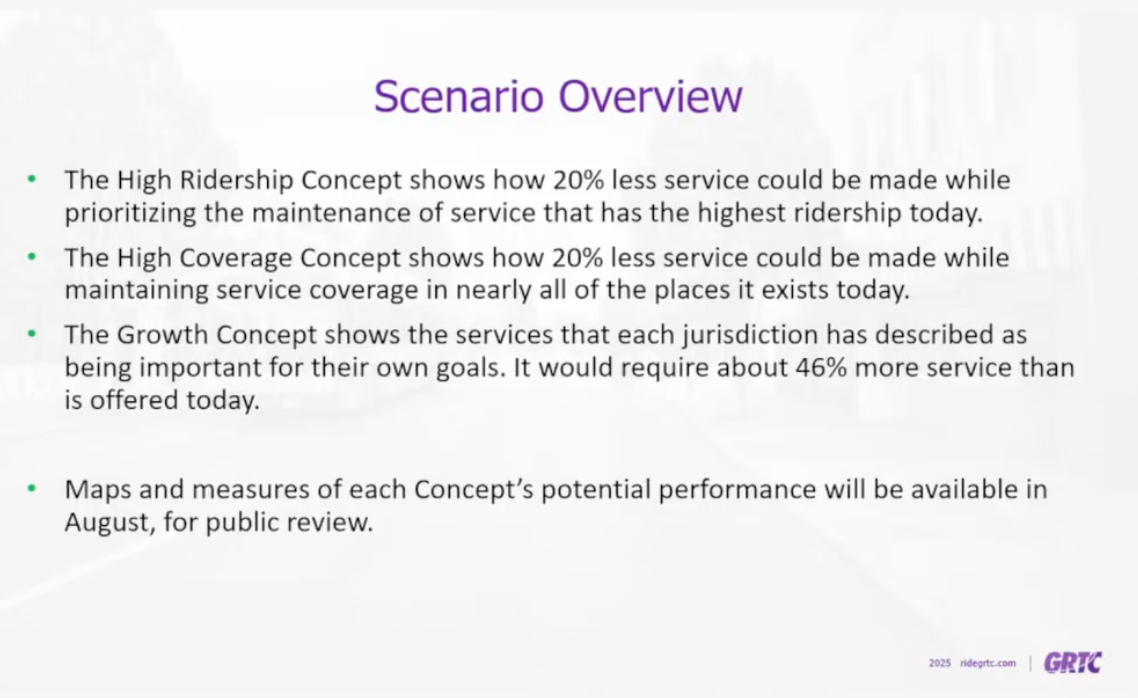
GRTC plans to put forward two scenarios for proposed cuts as part of its next long-range transit plan, Torres told the board.
One would prioritize serving the most possible riders by focusing cuts on low-ridership services and lines. A second would prioritize high coverage by maintaining existing route coverage, but at reduced frequency.
GRTC also created a “growth concept” in partnership with local planning and economic development officials from the region. It shows service prioritized by each local government that could be added in the event GRTC is able to secure new funding. That scenario would require increasing service by 46%.
One board member, Barbara Smith, who represents Chesterfield County, stressed that the agency should make the potential costs of funding the “growth concept” clear in the course of its public outreach.
“I think it’s important to have the money discussion,” she said. “Otherwise it’s, ‘I want it all, for free.’”
Fundraiser brings in an estimated $50k
News of potential cuts comes a week after the agency hosted its second annual fundraiser, Tap into Transit Day, at Main Street Station, which officials estimated raised about $50,000 — enough to cover about 2.5% of the transit agency’s $2 million annual fundraising goal.
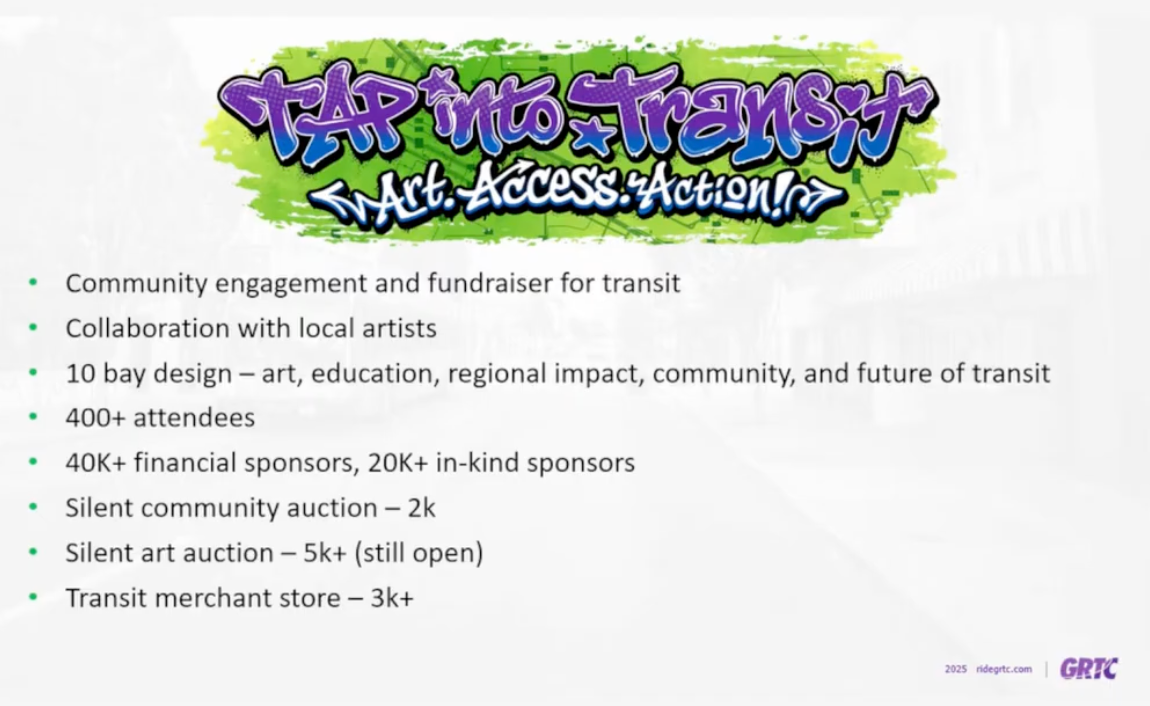
The event drew hundreds of riders, transit fanatics and local officials, including Richmond Mayor Danny Avula.
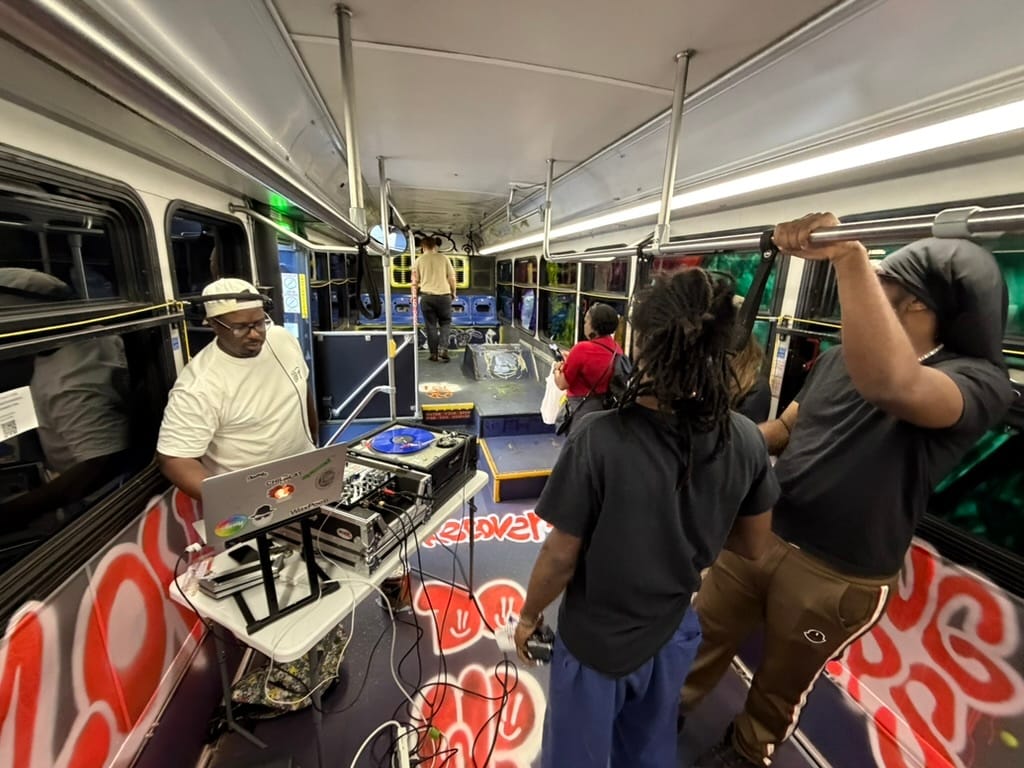
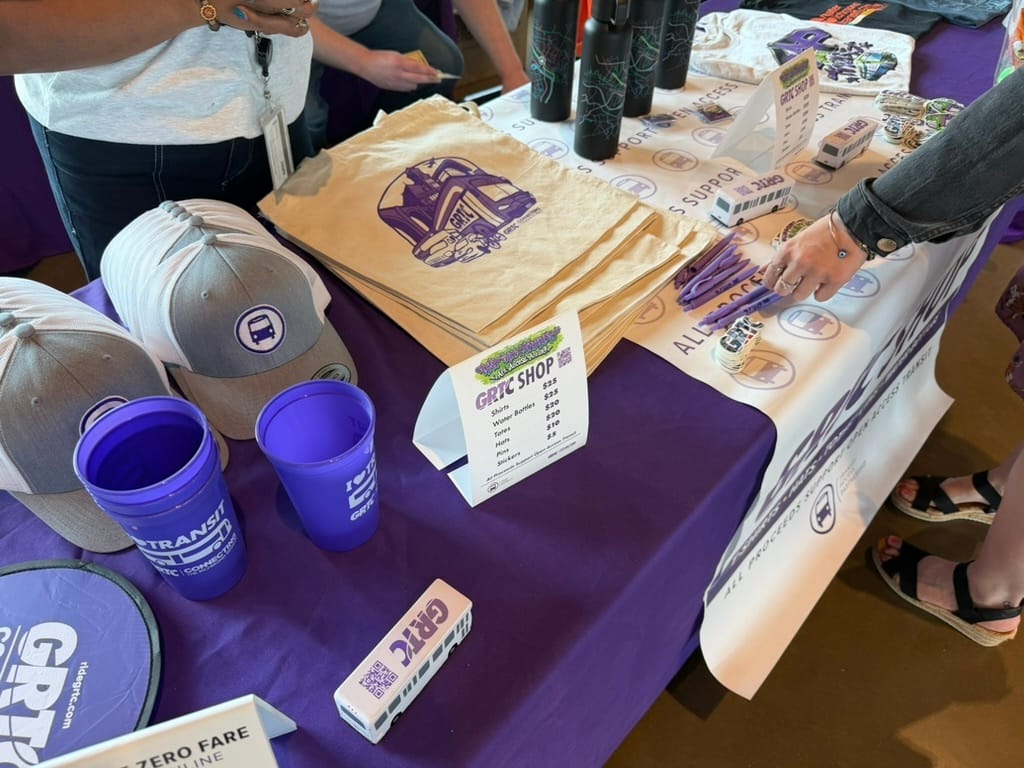
It included a stripped-down bus that had been painted by local artists with a DJ inside, a table filled with GRTC merch for sale, a silent auction, and a visit from Flying Squirrels mascot Nutzy, who wore a sticker on his nose that said “Fund Public Transit (Duh).”
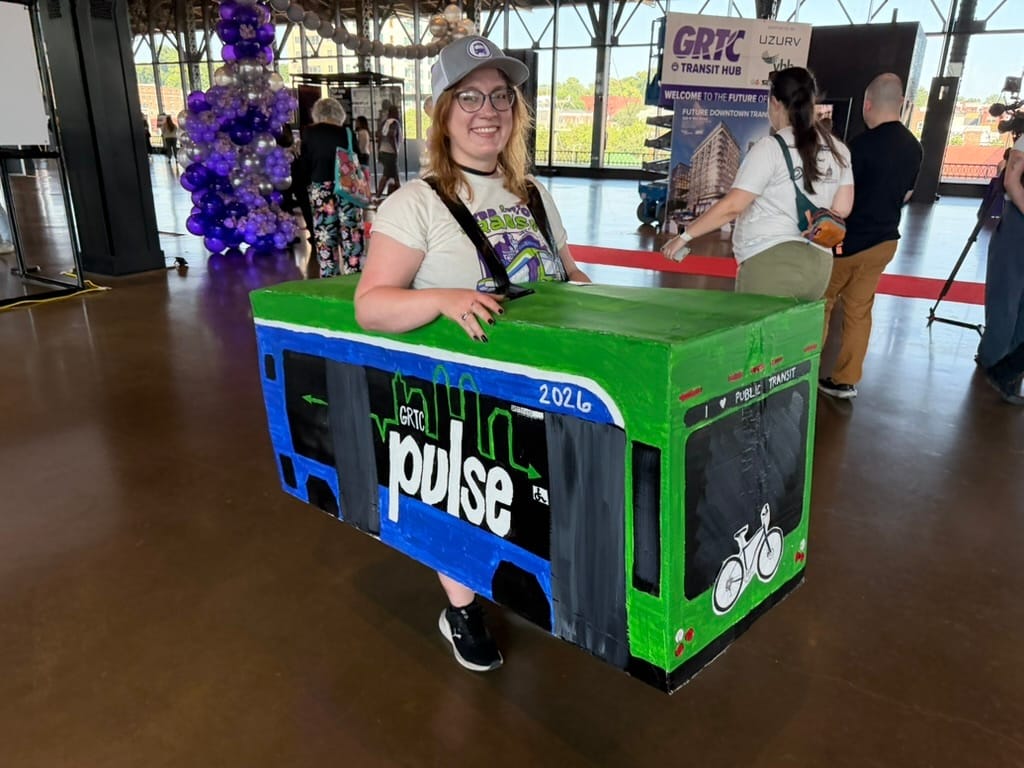
“We’ve all got to rally the troops out here to donate to help keep GRTC fare free,” Avula told the crowd, urging attendees to donate what they could.
Attendees were generally extremely enthusiastic about buses, but somewhat more circumspect when asked about GRTC’s turn toward private fundraising.
“I think that public transit should be just like any other public good, like roads, libraries and parks,” said Sommer Anderson, who rides GRTC daily and created and wore a cardboard-box recreation of a Pulse bus for the occasion.
She said that if people want to donate, they should be able to, but that “the local and state government should step in to provide funding where funding gaps exist.”
Rebecca Jones, another daily rider, said that as much as she liked being able to ride for free, she worries service is getting worse. She said that once a week now GRTC’s app will say a bus is coming that never arrives.
“I’d rather pay and have it be reliable and functional,” she said.
“Why can’t it be both — free and reliable?” asked Miño Smith, another daily rider, who agrees with Jones that service feels like it’s slipped in the last year.
Smith expressed frustration that the City Council could find $15 million this year for a surprise loan for the Diamond District.
 Graham Moomaw
“Why are we dipping into city emergency funds for the stadium and then we have our hands out looking for donations for public transit?”
Contact Reporter Ned Oliver at noliver@richmonder.org