Five things we'll be talking about in 2026: Jon Baliles takes a look in his crystal ball
Last year in this space we looked forward to topics we would be talking about in 2025. As we enter 2026, one remains atop the list, and is the perfect one to get us started.
Fixing the city budget
For years, the city has been ignoring the warning signs clearly visible on the radar. The question was whether anyone would have the tough conversations about it, and take action to course correct from a path of profligate spending that is unsustainable.
The spending continues apace, and at a pace the city cannot sustain. There are hard questions to be answered and dealt with if the city is going to avoid the express lane to unaffordability.
Throughout the first year of the Avula administration, it so far seems to have been business as usual. In January, the mayor will enter the first budget cycle where staffers he appointed, starting with CAO Odie Donald II, have full control over what is presented.
In October 2024, City Council was told the city faced a $149 million deficit by 2030.
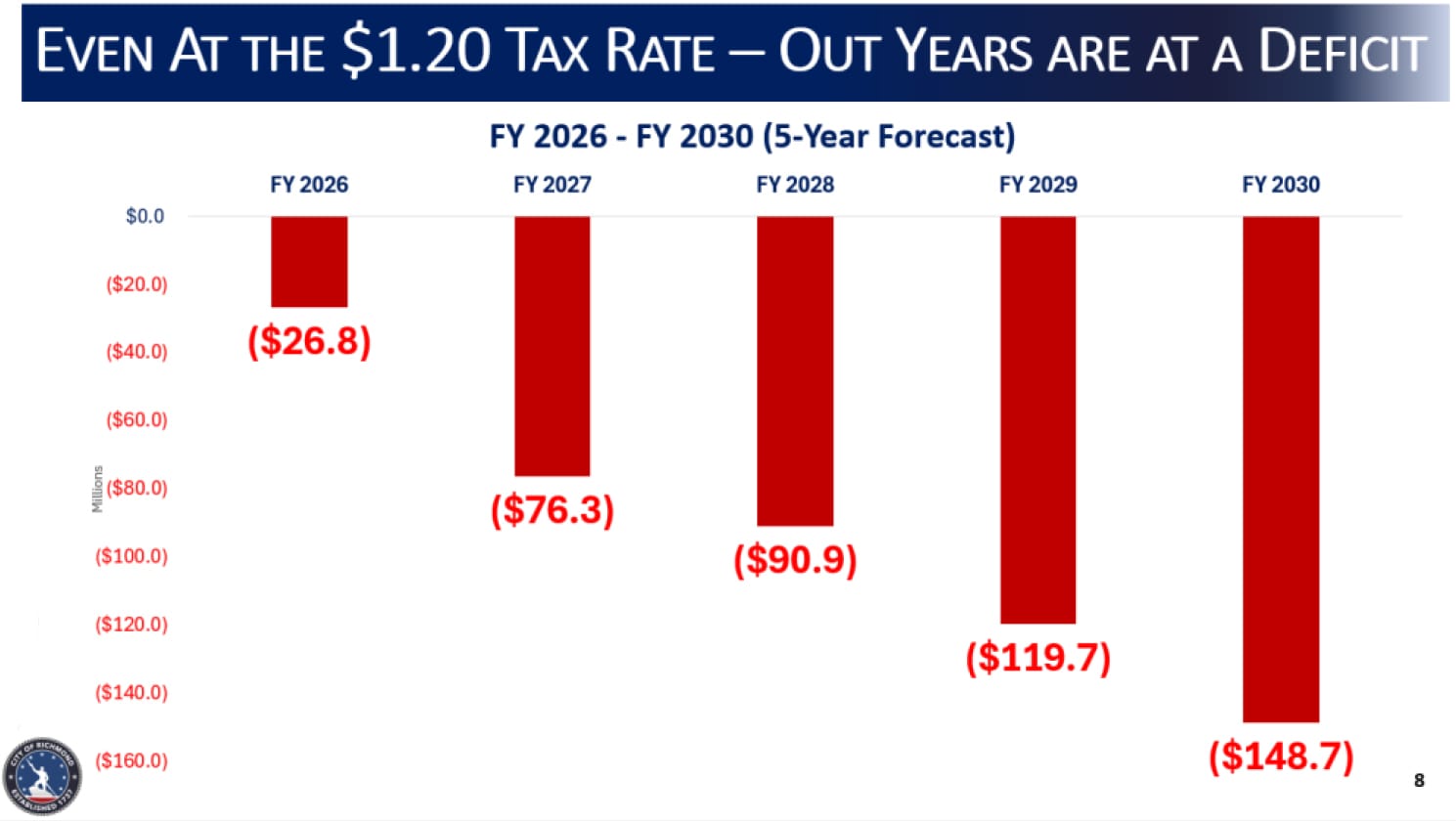
Administrators said city spending was projected to increase by an average of almost 6% per year, but revenues are increasing by only about 3%.
In April of this year, Council was told that the deficit could be DOUBLE what had been projected, a whopping $319 million. The city’s then-Chief Administrative Officer and Budget Director both told Council, “we’re just living above our means.”
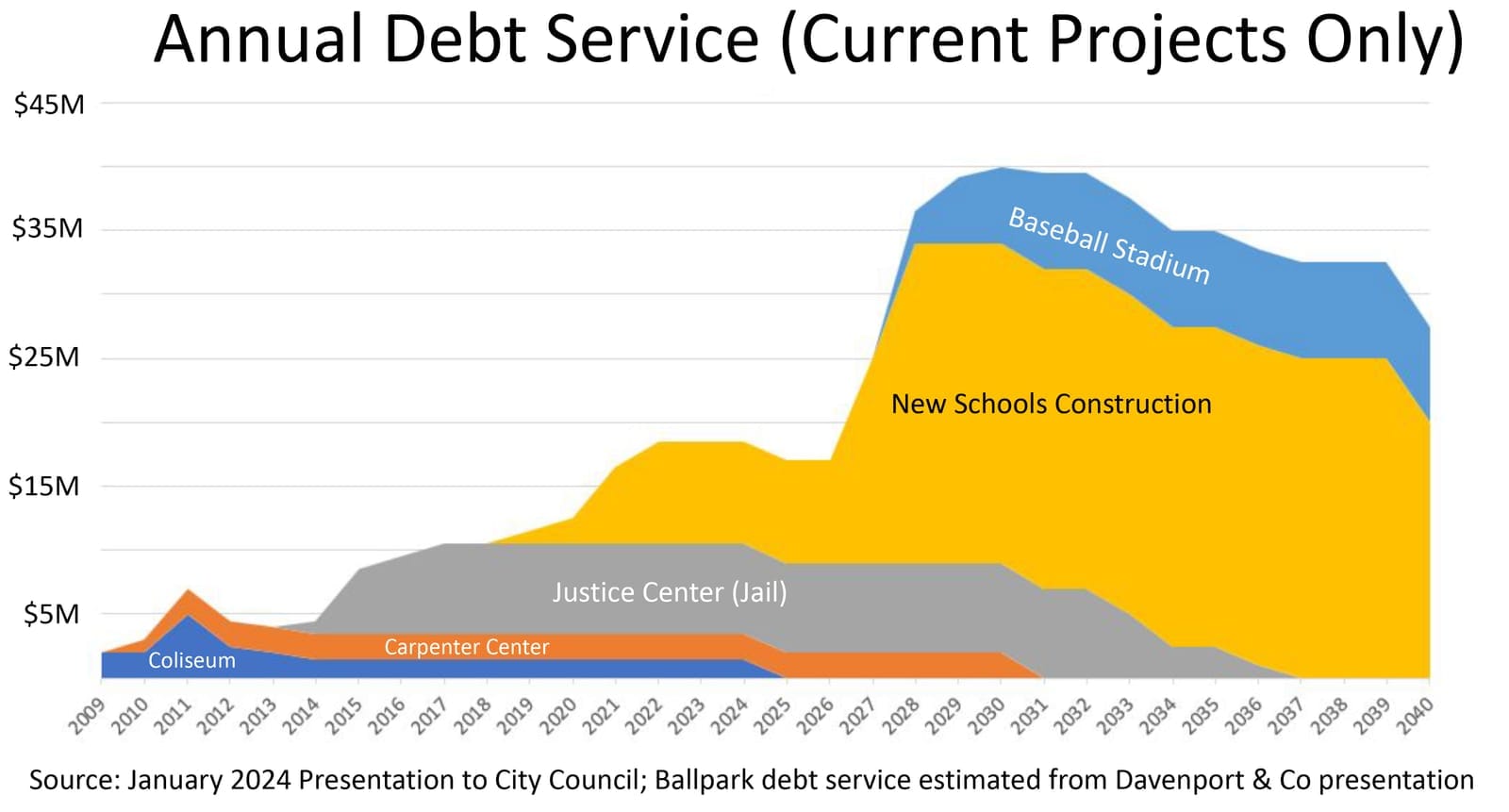
Normally, when that happens in your own house, and expenses are higher than your paycheck, it’s a good idea to cut back and prioritize. Netflix takes a backseat, and eating out is cut out in favor of packing a lunch, etc.
In recent years the city’s budget has exploded, largely due to skyrocketing real estate assessments and rents. The general fund budget grew by 65% between 2017-2024 (with 57% of that coming from real estate taxes). But spending has followed.
This year’s budget offers a once-in-a-generation (or perhaps lifetime) opportunity in which the city will be forced to live within its means and rein in spending (at least for a year). Interestingly, it is not being caused by a lighting strike, economic enlightenment, or due to a real estate collapse, recession, or another economic-driven event. Nevertheless, it is a rare chance to see if the city is able and willing to change course, and it will be a chance for City Hall to stand and deliver — it's time to put up or hush up.
No increase in real estate assessments this year
The anomaly of this year’s budget has to do with the real estate assessment freeze, which is in place until 2027.
 Graham Moomaw
The alignment of the landbook values with the budget process starting in 2027 will allow for more accurate forecasting of revenues, but the 2026 budget process means the real estate revenues will remain the same. The assessment you received on your property this year will be the exact same next year.
The city’s budget will increase only marginally, because the majority of all general fund revenue comes from real estate taxes. Most other sources, like personal property taxes, meals taxes, etc., will likely rise, but not significantly. In other words, the spigot that has been flooding City Hall with money year after year will be reduced, as if there was a problem with water flowing from the tap (a situation we are all familiar with).
This hiccup will force the Mayor and City Council to hold spending in check and take a harder look at what needs to be funded and at what levels. There is no room this year for largesse or fat salary increases.
The cash register of real estate taxes is closed for one year, and will hopefully prove that city leaders can run the city without continuing to jack up the cost of living and running people out of the city. It might provide enlightenment that every so often it’s a good idea to give a little bit back to the people that make the government work, and pay the city’s bills before they can pay their own bills.
When next year’s budget restraint is gone and new assessments arrive in 2027, it is more than likely there will be neighborhoods in every corner of the city that see 12%, 24%, or even higher increases. The average home could see an increase as high as $800-$1,200 on bills that have more than doubled in the last decade.
Without some relief or a spending course correction between now and then, it’s possible we might see Richmond's electoral muscle memory flexed in a similar way to what occurred in the primary for Lt. Gov. this past summer, when voters strongly registered their displeasure.
 Graham Moomaw
That should be a feast for thought for people thinking about running for office locally in 2028.
State changes impact local government
Virginia’s status as a “Dillon Rule” state means localities can only create policies in areas specifically authorized by the General Assembly.
With the changing of the guard in the state’s top three executive offices and a decidedly blue wave in the House of Delegates, City Hall could see changes in state legislation that will allow them new powers.
Several high profile issues have been at the forefront of political talk, such as allowing voters to weigh in on increasing the sales tax by 1% to fund school construction, legalizing marijuana sales, and anti-rent gouging legislation.
City Council included the rent gouging request as one of their top priorities for the 2026 G.A. session after similar proposals failed in committee in 2024 and 2025.
Such proposals, should one make it through the G.A., would surely spark a fiery discussion and debate in City Hall.
 Sarah Vogelsong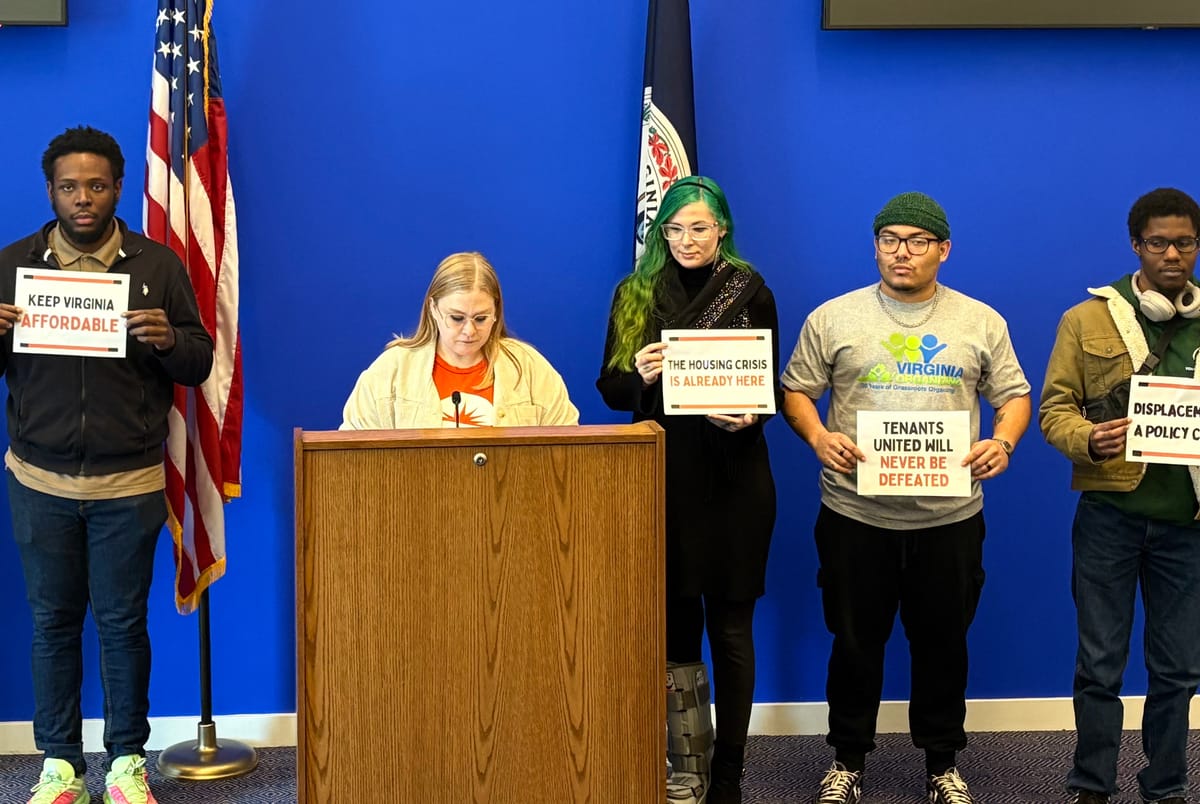
Critics say rent caps prevent upgrades and repairs, while advocates say it prevents displacement.
Likewise, there has been a lot of news and action recently about cracking down on vape shops all over the region and state. In the city earlier this month, ‘Operation Vaporize’ shuttered 18 of 30 vape shops after finding establishments that lacked city permits or were violating the building code or had illegal drugs, guns and money.
 Sarah Vogelsong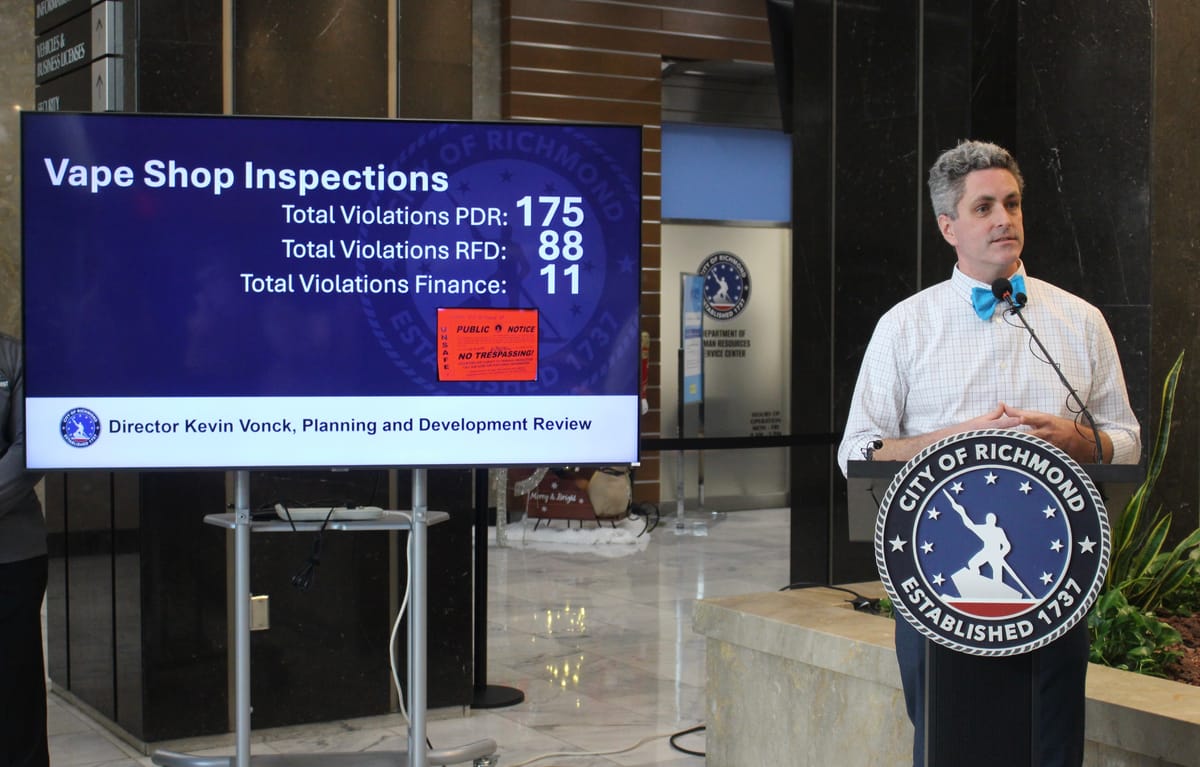
Police estimate that 90 shops operate through the city, many of which are essentially acting as fronts for thriving drug operations, and found that 33% of all commercial robberies in the city occurred at vape shops. Chief Rick Edwards said in October: “The majority of them are involved in the distribution of marijuana or other THC products.”
The debate will almost certainly be taken up in this year’s G.A. about creating a regulated marijuana market in the near future. Like the legalization of casinos and gaming, the state sees a bevy of revenue and taxes to the treasury, and it’s very likely that the same debate will take place in City Hall, possibly as soon as 2026.
 Mark Newton
FOIA lawsuit
One issue that will still be in the news in 2026 (and maybe beyond) began almost two years ago and seems to have no end.
The circus began when Connie Clay, who served as the city’s FOIA officer, was fired in January 2024 as requests for information flooded in about the meals tax fiasco. She filed a whistleblower lawsuit in March of 2024, saying she was wrongfully terminated and claimed the city was not following FOIA law on many issues. The case is currently set to go to trial this summer.
 Graham Moomaw
The city hired a third party legal team that seems to have no problem filing motions and attending hearings for $475 per hour with no end in sight.
The last legal bill to the city was in May 2025, after running up $234,000 in legal fees. Since then, they have not submitted one invoice to the city despite numerous hearings and filings since then. It’s entirely possible by the time the trial is concluded, it will have cost the city more than a million dollars.
 Graham Moomaw
The Mayor could have pulled this lawsuit since taking office, or even taken a stand against it continuing at such a great city expense. He is not required to do what the city attorney says, but is apparently content in this case to allow the circus to continue unabated.
This is a case he had nothing to do with, as it began long before he was elected. However, he said in October he wished the media was reporting the truth about the case, even though the media has been attending hearings and filing stories from the courtroom.
The latest such example was reported in The Richmonder three weeks ago when it was discovered through city documents obtained via the FOIA process that a cell phone the city’s legal team told the judge in the case had been lost, had in fact been located in a New York airport and the city was aware of it.
That phone was a key piece of evidence under a judicial hold order at the time, and when the city found out three weeks ago there was a document revealing the city was aware of the “lost” phone, they would not answer if the city ever recovered the phone or even asked for it back.
The next court hearing is in February, and if it's like the others will produce some juicy Law & Order-like drama.
The Mayor seems eager to talk about transparency and FOIA. If he allows this sideshow to drag on through 2026, he should at least be transparent with the public about how much it is going to cost.
Maymont's 100th
This piece is limited to five issues likely to be talked about in 2026, and while there are others such as the Code Refresh rezoning, affordable housing, and economic development, those will have to take a backseat.
That’s because perhaps the greatest thing to be talking about in Richmond in 2026 is the 100th anniversary of Maymont opening as a public space. Richmond’s Gilded Age jewel was gifted to the city on the condition it remain a public park and open to all.
 Andy Thompson
It opened on January 1, 1926, and to this day remains a free city park. It is one of the most visited spots in the city for locals and tourists alike, and for good reason. The 100 acres of green space, gardens, wildlife, and history are a marvel to young and old alike and serve as a respite for recreation, education, meditation, jubilation, and celebration.
The creation of the Maymont Foundation 50 years ago helped restore the park, establish an endowment, and enabled it to broaden educational opportunities as well as restore and preserve the historic mansion and gardens, landscapes, and wildlife. Its success has been evident in maintaining Maymont’s assets and reputation as one of the region’s most beautiful and favorite spaces.
Most people don’t need an excuse or a reason to visit Maymont on any given day, but 2026 will be filled with extra special reasons like the reopening of the restored Dooley Mansion on March 21, the Grand Reopening of the Wildlife Trail on April 18, the Vintage on the Green Gala on May 16, and the Cheers to 100 Years! community day on June 6.
 Rachel Kester
There's also the Family Easter event, Herbs Galore, numerous festivals and concerts, or Maymont is there if you just need an excuse to enjoy a nice weather day and get outside.
Maymont has always been a special gem for all of us to enjoy. Not many cities are fortunate enough to have such a large, historical green space within their limits that doesn’t at some point get sold off, developed, or become dilapidated. Our jewel is thriving and is worth celebrating every day (and worth supporting) in any given year, but it will be extra special in 2026. Cheers to Maymont's next 100 years!