Community Hospital redevelopment will head to Council; critics say it is moving too fast, while advocates decry additional hurdles
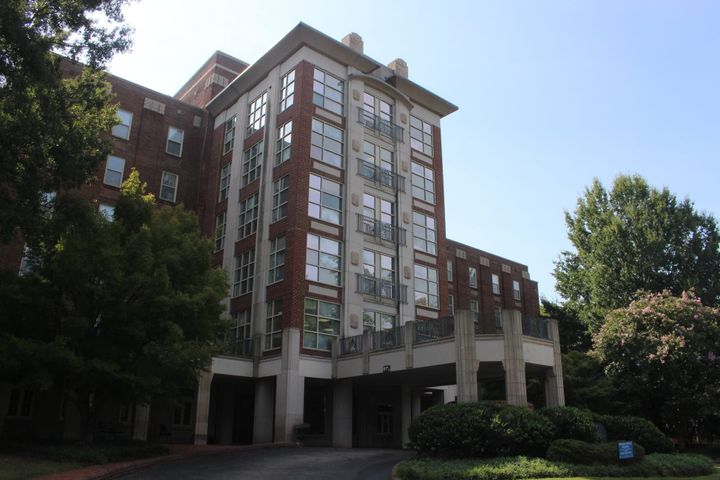
A request from Virginia Union University to develop housing on the former site of the Richmond Community Hospital is headed to City Council, alongside an amendment to survey the hospital building’s condition.
Richmond's Planning Commission unanimously recommended approval for the special use permit Tuesday evening. The ordinance now includes an amendment requiring VUU conduct a structural study of the building, which first opened in the early 1930s as a hospital for African Americans facing medical discrimination.
“I think that it is important for (VUU), as the owner of the property, to recognize they should be a responsible landowner, and this should be something that they should be willing to do,” Commission Chair Rodney M. Poole said.
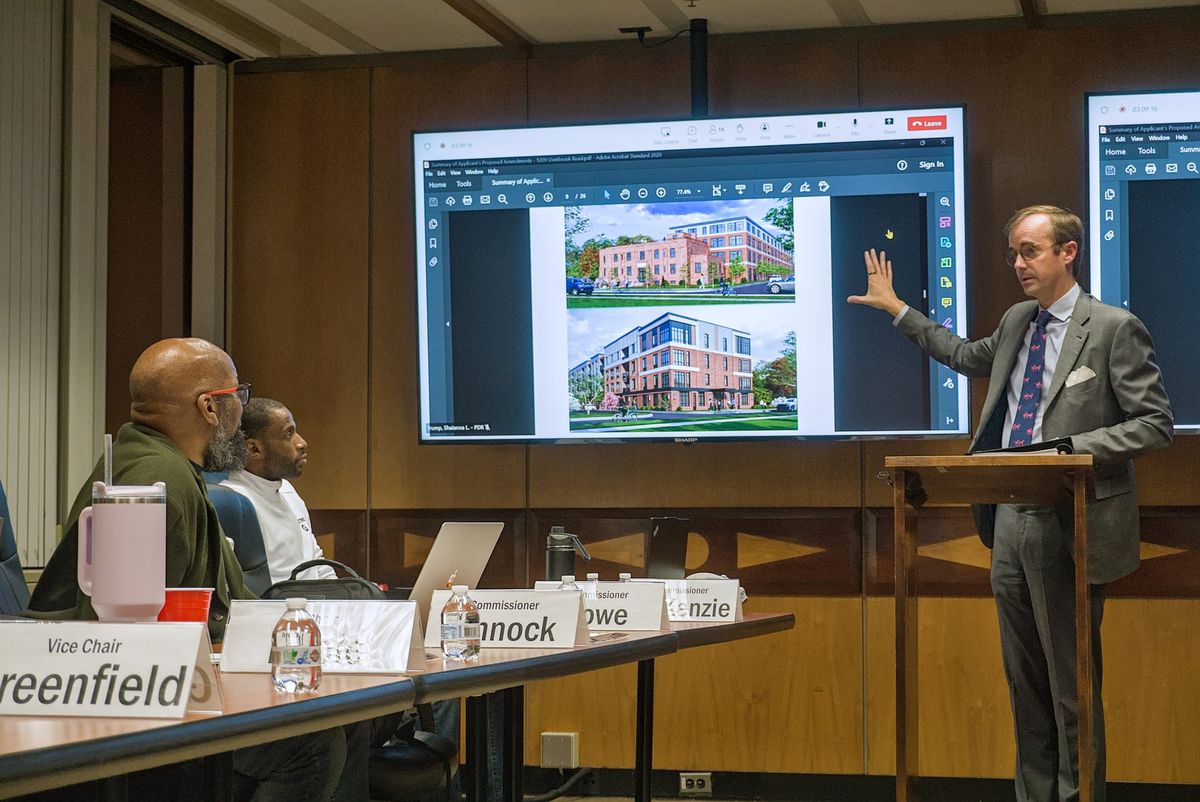
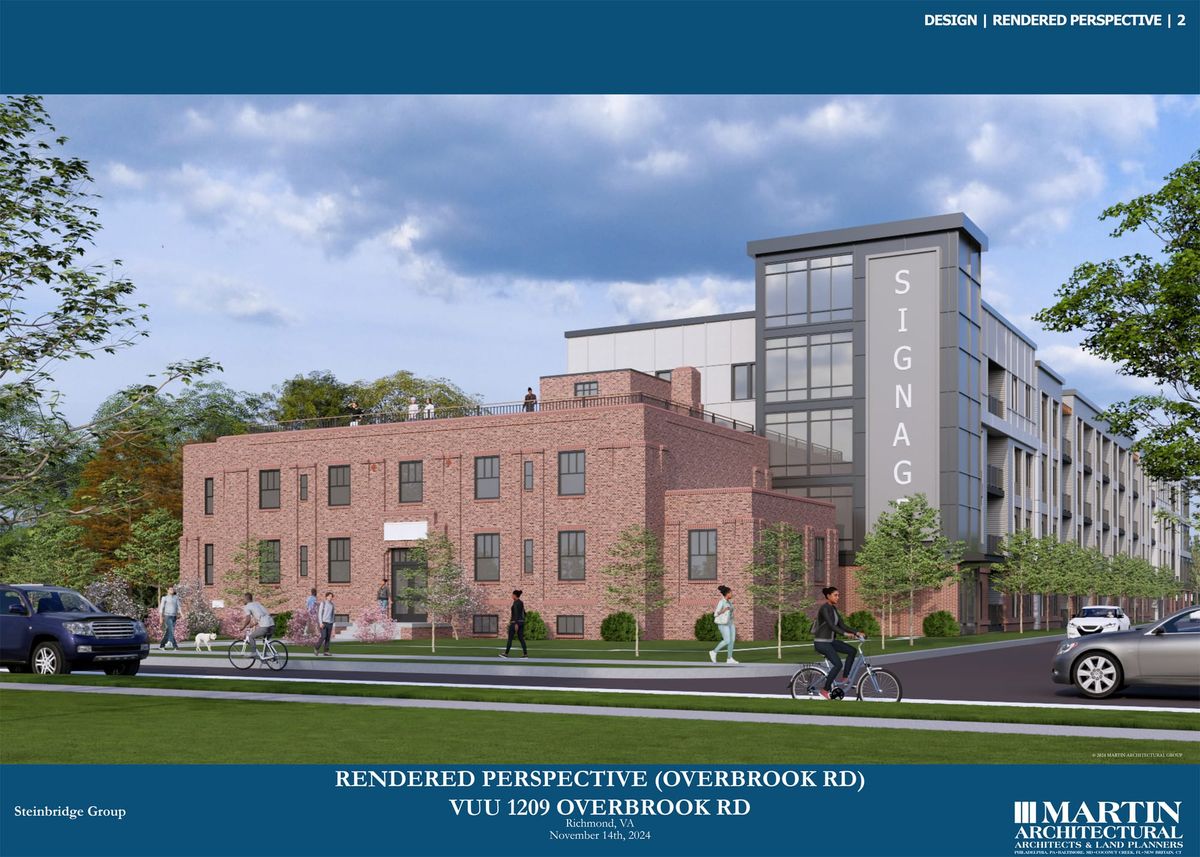
The study is one of multiple amendments to the ordinance’s language introduced after the ordinance was deferred in August, including a section binding the building’s owners from demolishing it. If the permit request is approved by the city, the hospital building would be integrated into a four-story apartment with up to 100 multifamily housing units.
 George Copeland Jr.
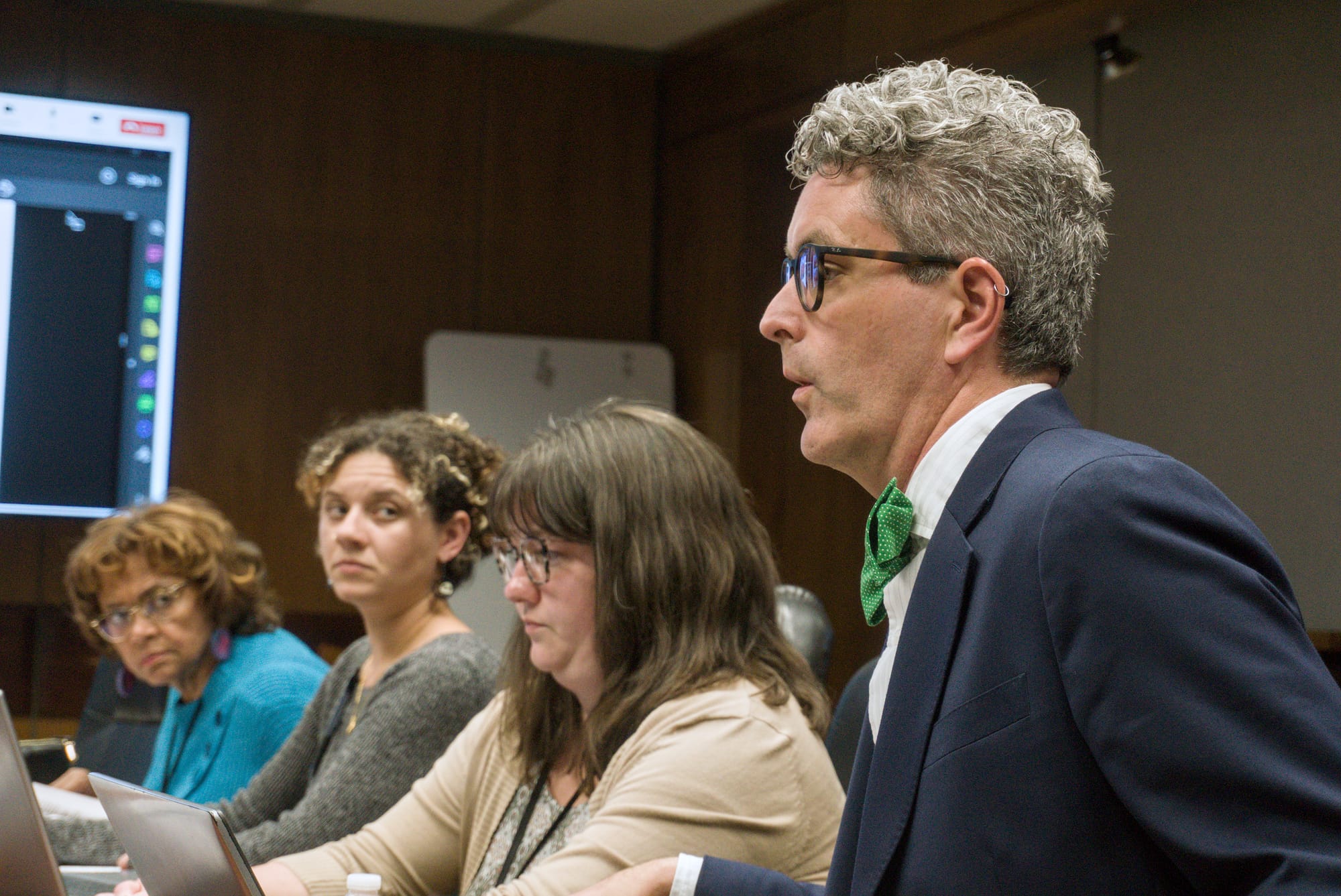
“(VUU leaders) believe that having an understanding of the current condition is something that any responsible property owner should want to do,” said attorney T. Preston Lloyd Jr., sharing the university’s perspective at the meeting when responding to the Commission’s amendment.
Additional amendments included the removal of an illuminated sign from the apartment plans, changing exterior materials to better match the hospital and a companion project on Brook Road, and a revised site plan to clarify the description of the hospital building as an amenity.
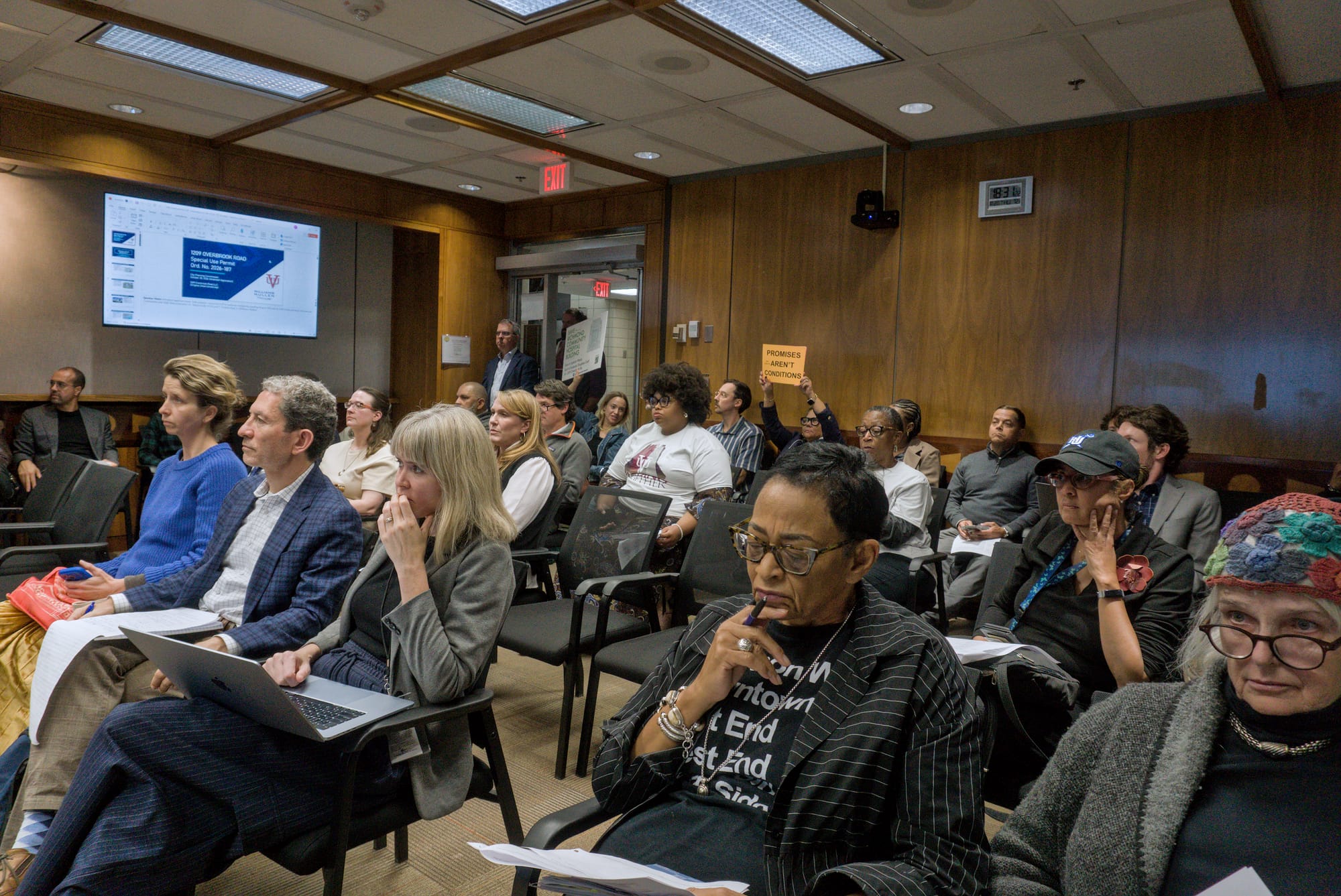
The Commission’s vote came after a long discussion and debate over the permit request, as residents who live near the hospital, VUU employees and students, and community members argued in person and virtually for and against the project during the meeting.
Supporters of the permit presented the development during public comments as a benefit not just for VUU students, the building and community, but for the future of a university seeking more agency and freedom to invest, develop sustainable revenue and grow as an institution.
“Let us protect the history, let us invest in the present,” VUU student Jasmine Simmons said, “And let us give Virginia Union University students the opportunity to inherit an institution that is prepared to build for the future.”
Those opposed, including residents that live near the hospital, urged commissioners to defer so they could consider the impact development would have on the community, parking, pedestrian safety, the ecology that improve the neighborhood’s air quality and heat protection, and the developing Fall Line Trail.
They also questioned the assessment of the plan provided by the Planning Commission’s staff, as well as VUU’s ability to handle the development’s structural and financial demands.
Opponents also criticized outreach efforts to Frederick Douglass Court residents for failing to meaningfully connect and communicate with those who would be most affected by the development.
“A project with this little parking, with this little traffic study and this little real community engagement would not be moving this fast in a wealthier, whiter part of this city,” Frederick Douglass Court resident Regina H. Boone said. “If the city is serious about equity, prove it here.”
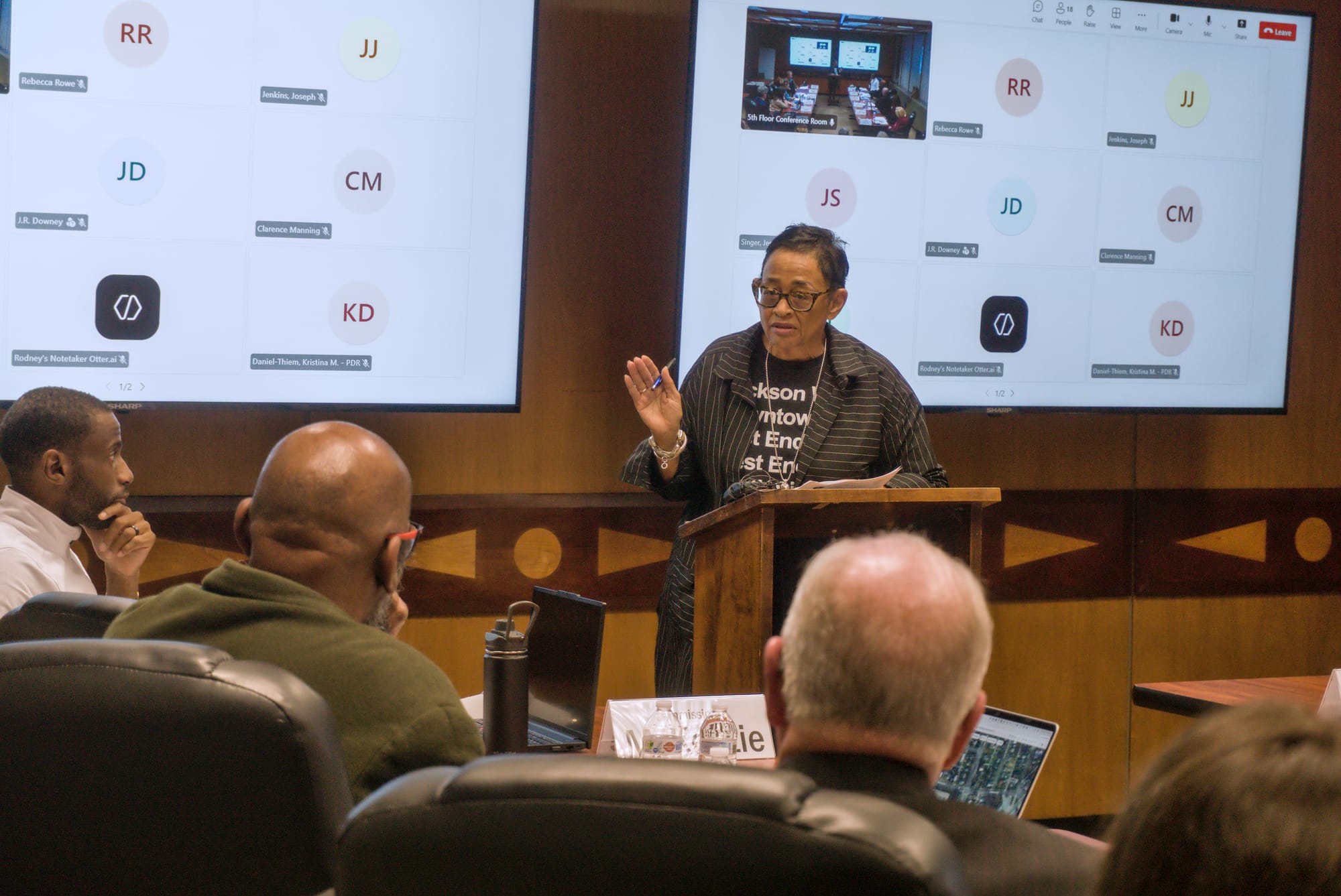
A new criticism raised about the permit was language in the amended request submitted earlier that day, which would allow the building’s demolition if its condition poses a danger to public safety.
Given the external disrepair the building has seen after the hospital moved to North 28th Street decades earlier, the unclear state of its interiors, and a lack of prior studies despite offers from Historic Richmond, Save Community Hospital co-founder Viola Baskerville was concerned the language could lead to what she called “demolition by neglect.”
“We want the building safe and incorporated into the project, but we do not see the proactive language to prevent it from further deterioration,” Baskerville said, “and that is the problem.”
VUU officials, as communicated by Lloyd, stressed their willingness to assess the property’s condition, but also noted that requiring a study and other obligations raised during the meeting went above and beyond what would be expected for other historic properties in a historic city district, and the current regulatory process.
Ellen Robertson (6th District), who represents City Council at the Planning Commission, expressed her own apprehension over the obligations VUU was being asked to fulfill during discussion of another special use permit later in the meeting.
“The stipulations that have been placed on Union as it relates to that development exceeds any that I have seen in the city,” Robertson said. “And it (raises) questions for me as to why the one and only historically Black college that we have in the city of Richmond is subjected to that level of scrutiny.”
Some of the amendments included in the permit request, including the study and the binding of property owners from demolishing the building, will need to be enacted or recorded before the city can issue a certificate of occupancy for the development.
It is currently unclear when and how the building study will be conducted, or when City Council will take up the ordinance for consideration. Some of the meeting’s attendees, however, left assured that the questions raised, conversations held and changes added would prove worthwhile when Council members considered the ordinance.
“I’m hopeful that the structural engineering study will provide critical information for City Council to make a wise decision,” Baskerville said.