Another looming budget strain for Richmond: soaring fire truck costs
It’s not just gas and groceries.
Since 2020, the cost of fire trucks and fire engines has doubled, scrambling the spending forecasts of fire departments in Richmond and elsewhere.
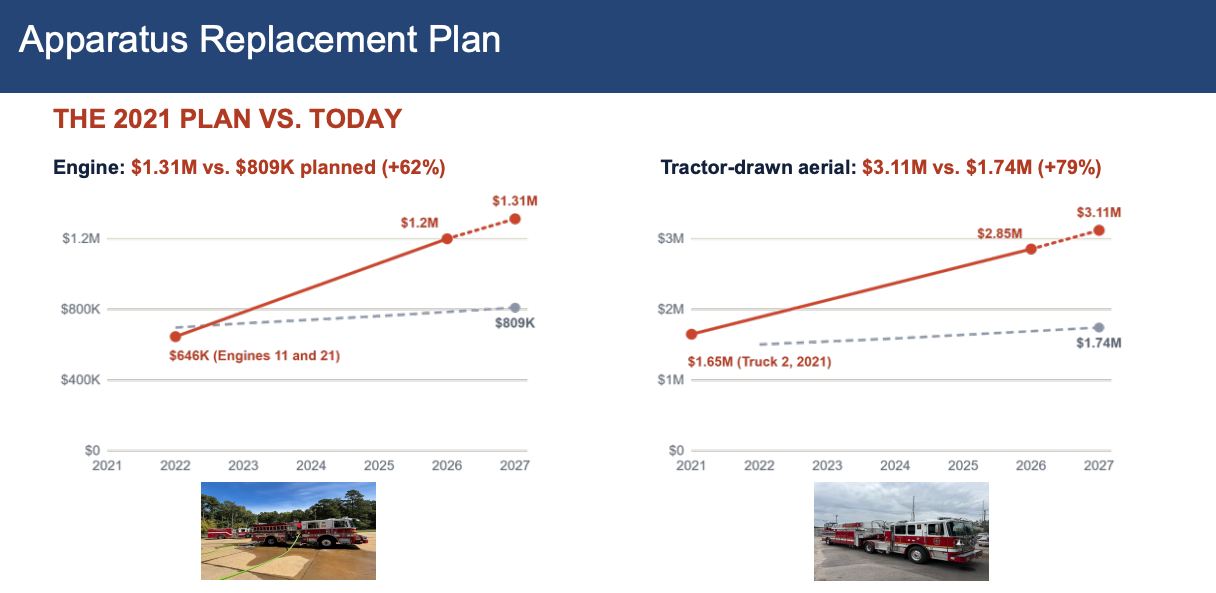
In 2021, Richmond Fire Chief Jeffrey Segal told the City Council’s Public Safety Committee last week, a fire engine cost $646,000. The agency estimated then that by 2027, the price would have risen to $809,000.
The actual cost now? Anywhere from $1.1 to $1.3 million.
“Unknown to us, the market went sky high,” said Segal.
The rise far outstrips increases expected from inflation. According to the U.S. Bureau of Labor Statistics, $646,000 in 2021 would be equivalent to about $832,000 now, not far off from the fire department’s forecast.
Segal has pointed to another factor potentially driving up costs: the fact that three manufacturers — REV Group, Rosenbauer and Oshkosh Corporation — today control between 70% and 80% of the fire apparatus market. The consolidation of the industry, say many fire departments nationwide, has been followed by soaring prices and delayed delivery timelines.
“They really have control of the market,” said Segal. “And what’s been happening is that every quarter, the cost of the fire apparatus has gone up almost 3%. So prices have doubled since 2020 with regards to fire engines and fire trucks.”
As costs have climbed, many local governments have sued. Last spring, more than 60 of those complaints were consolidated into an antitrust class action lawsuit in federal court. The manufacturers have denied any violation of antitrust law.
Taylor Fuqua, a spokesperson for the city, said Richmond has “no current plans to join the litigation.”
For Richmond, which aims to replace two fire engines and one fire truck every year to keep up with industry standards for vehicle life expectancy, rising costs have led to rising budget asks. In fiscal year 2022, the city budgeted $2.4 million for new fire apparatus. Last year, that number hit $4.5 million.
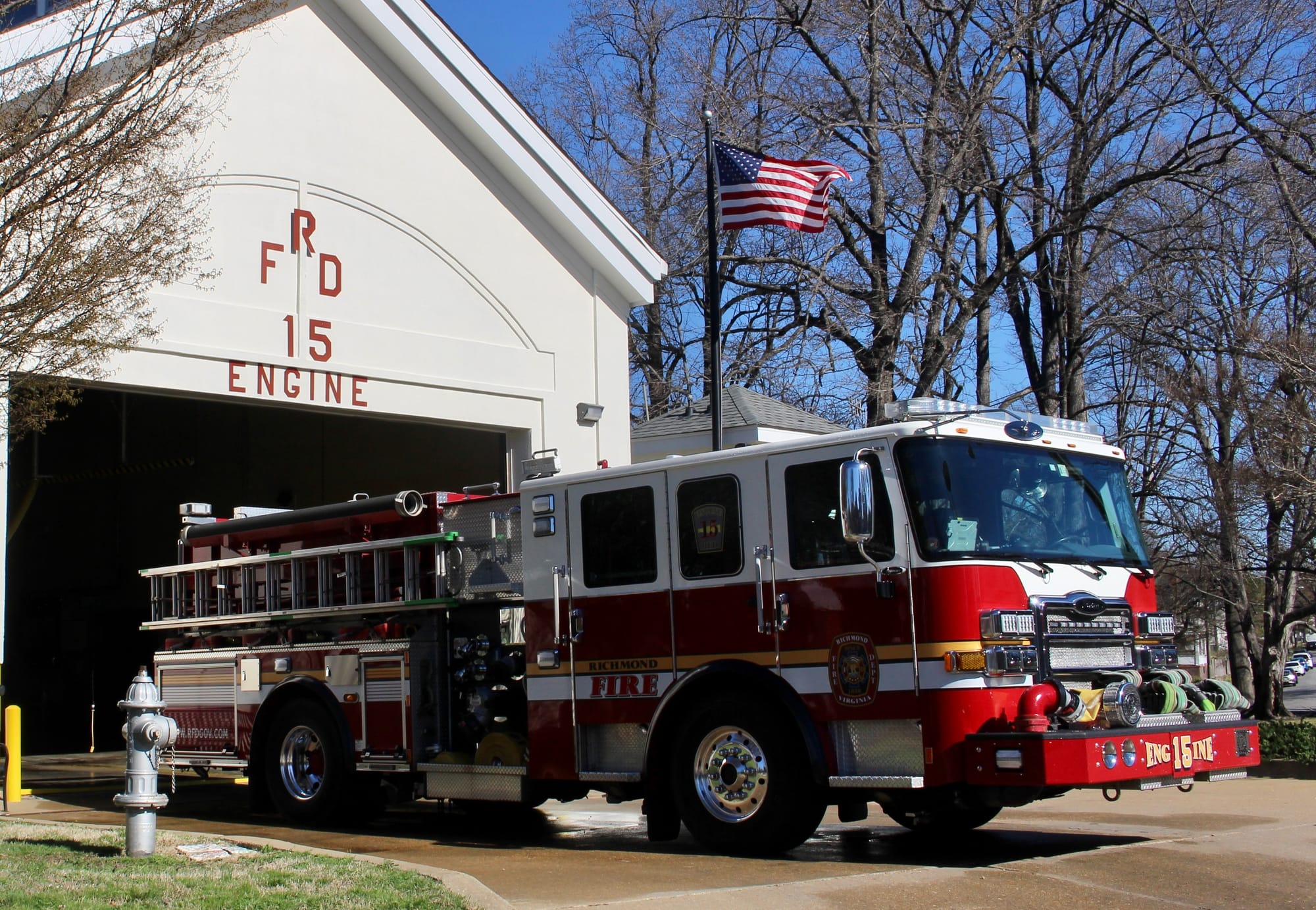
In the upcoming year, Segal said the department would need $6.3 million to cover the replacement of a tractor-drawn aerial truck, two engines, a brush truck that can carry pumps and equipment into hard-to-reach areas and three utility vehicles.
Not replacing vehicles once they hit the end of their lifetime — estimated at about 15 years for regular service and up to 25 for backup service — can ultimately cost the city more than buying new ones outright due to steep maintenance expenses, Segal warned.
Councilor Stephanie Lynch (5th District) agreed that “it would be pennywise, pound foolish to not stay on schedule with replacement and maintenance.” Still, she said she was “alarmed” by the size of the ask.
“I’m sure the mayor is going to fully fund everything, all of your requests, but do you have any indication of whether or not the full amount that you’re asking for is going to be baked into the mayor’s budget this year?” she asked Segal.
The fire chief responded that it was still “early in the budget process.”
Asked about the request, Fuqua told The Richmonder that the department “will continue our superb level of service to Richmond residents and visitors with whatever resources we are given for the fiscal year.”
Councilor Sarah Abubaker (4th District) also expressed dismay at the situation.
“It’s unconscionable to me that there are groups that are profiteering off of public safety,” she said. “At the end of the day you need these trucks, and now we’re just beholden to them.”
Contact Reporter Sarah Vogelsong at svogelsong@richmonder.org