With 9 months until legal marijuana sales, a lottery drawing may determine who can set up shop in Richmond
Lottery players buy their ticket in the hopes of a large financial windfall, and the state will be offering up a huge prize early next year: The right to one of 350 new marijuana dispensaries that will be allowed across Virginia.
With legal sales set to start on July 1, 2027, the state’s Cannabis Control Authority is putting the final touches on how those licenses will be awarded.
In Richmond, the guaranteed winners will be the medical marijuana dispensaries that are already operating.
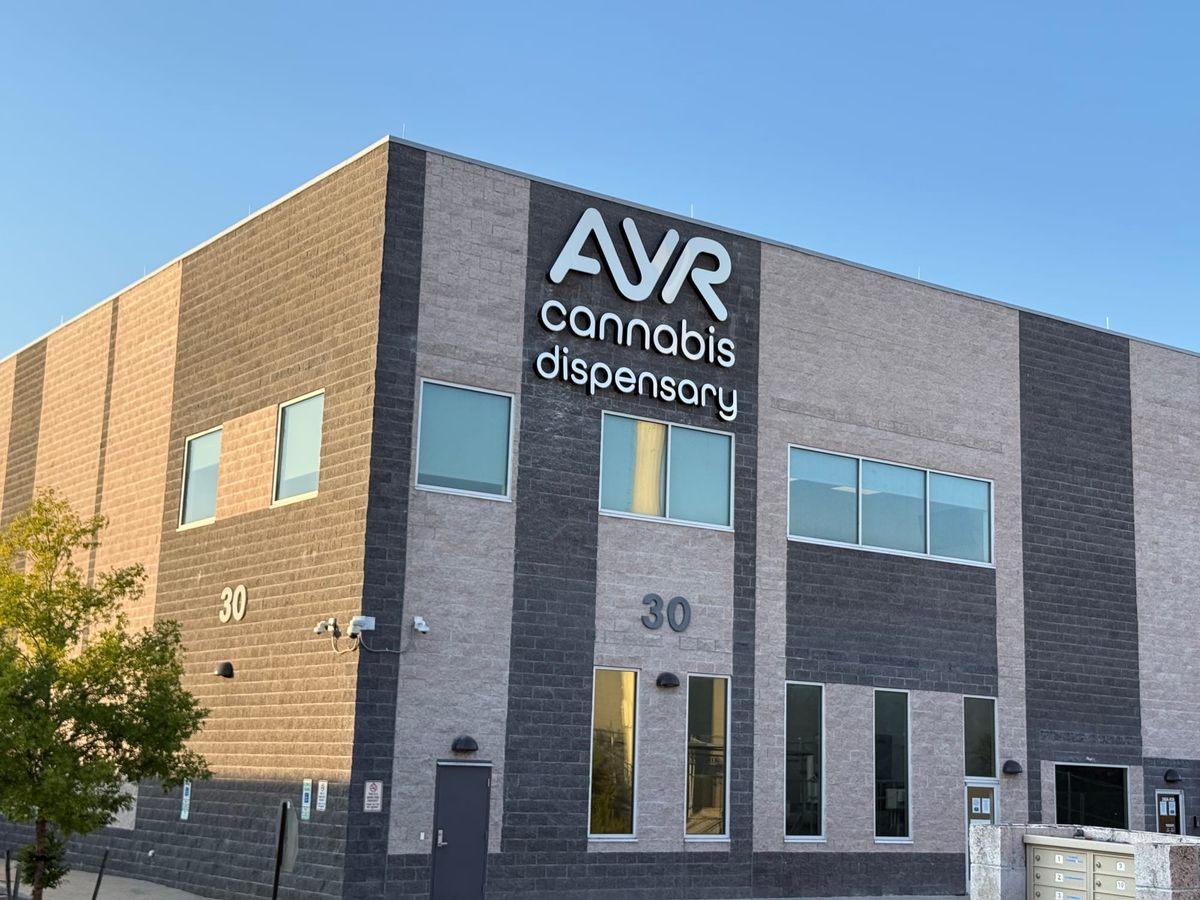
The Ayr Cannabis Dispensary operates two locations in the city (Carytown and Manchester), as well as stores in Henrico and Colonial Heights.
CCA Acting Head and Chief Administrative Officer Jamie Patten said those stores must convert to add retail use or will have to close. She expects that the medical parent companies in the state will all choose to convert.
“I think they will. You know, of course it's at their discretion. There's also a significant fee associated with that, but I believe that they probably will all convert,” she said. “They either have to convert and become a dual use, where they sell medical and retail, or they can no longer continue in business.”
Another set number of licenses will be set aside for “impact” licensees, who live in economically disadvantaged areas and have been impacted by marijuana enforcement, are a veteran, or meet other criteria.
Remaining applicants who pay a to-be-determined fee and qualify under the state’s criteria will be placed into a lottery for the remaining spots.
Cannaspire is a consulting firm that helps operators acquire licenses, pass inspections and build profitable businesses. Its chief compliance officer, Warren Harasz, said the lottery system was “relatively well rolled out” when it was used in Minnesota. However, he said zoning and real estate are what may hinder the lottery winners –– Virginia’s winners will then have 18 months to find a “home” and establish their license.
Localities are not allowed to prohibit the sale of marijuana, though they are allowed to tax it.
 Mark Newton
“It is good that the state law has sort of prevented any of the municipalities from saying ‘not in my backyard’ and opting out like New Jersey,” Harasz said. “But that said, the zoning is ultimately the way that they (could) control these businesses coming in.”
Harasz said from what he understands, stores may have to be 1,000 feet from residential areas, other hemp or vape shops, places of worship, schools and daycares.
“In a big city like Richmond, that actually really limits the amount of areas that might be in that 1,000-foot buffer,” he said, emphasizing that the code is not yet final and things could still change.
How we got here
After initial back and forth with lawmakers and advocates, vetoes and amendments, Gov. Abigail Spanberger approved legislation to introduce a retail marijuana market inside the state’s biennial budget bill.
Medical cannabis sales have been legal in Virginia in various forms since 2017; The General Assembly expanded the medical market to allow additional off-site dispensaries in 2020 in conjunction with the state’s decriminalization of recreational or non-medical marijuana use.
Virginians 21 and older have legally been able to possess up to an ounce since the passage of 2021 legislation, which also created the CCA and other regulatory agencies for the cannabis retail industry.
The CCA has created a timeline up to the retail market’s introduction in July 2027 — regulations will begin to be reviewed in October and be finalized and effective by January, conversion applications for pharmaceutical processors and industrial hemp growers open by February and initial retail licenses will be issued by May.
Medical marijuana sales are currently vertically integrated, meaning the stores, cultivation and processing facilities are all owned by the same company. Permits for each of those roles could be awarded separately under the new model.
As for the new retail licenses, Patten said they are working on determining what the best way is to distribute them geographically.
The 350 licenses are for new retail locations, excluding existing medical dispensaries.
“I'm assuming that there will be way more applications than there are licenses,” Patten said. “And if that's the case, then everyone that applies and with a qualified application will go to the lottery.”
Other license types include cultivation facility, processing facility, testing laboratory, transporter, delivery operator, retail store, dual use and microbusiness.
Patten said she wants people to remember that the process has many steps, and the CCA board has to review and approve drafted regulations before certain specifics can be announced.
“I hear a lot of feedback where people want all the information right now, but there are steps that have to happen first before other things come behind it,” Patten said. “And so I just encourage people to continue to check our website for information, monitor because we're going to pump out information as quickly as it is final.”
Harasz, at Cannaspire, said the current medical retailers will be starting out ahead.
“These existing medical licensees, they'll pay the one-time conversion fee and they've already got a supply chain, they can basically get going. Whereas all of these independent licensees, they have to then contact these existing medical licensees and say, ‘Hey, do you have product that I can sell?’” Harasz said. “So we know that right off the bat, those individuals are going to make a really great buck when the switch flips.”
He said the best ways for new businesses to get ahead is to begin working on the licensing process and looking for real estate, and even having a conversation with local governments to work towards the first steps of municipal approval.