Richmond officials deny FOIA request for water bill projections
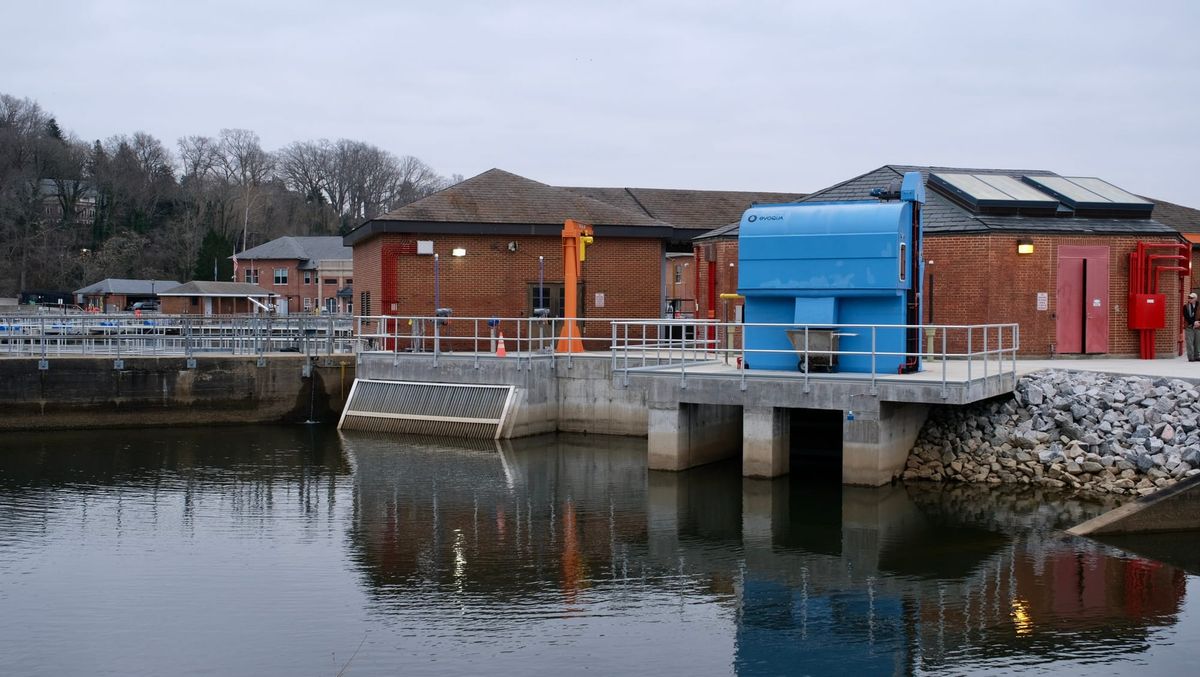
As Richmond leaders have tried to rebuild trust in the wake of last year’s water crisis, they’ve promised to beef up long-term infrastructure planning and be clear with the public about what’s being done to prevent another system failure.
However, officials are refusing to release a financial planning document that shows how much Richmonders’ monthly water bills could potentially increase in order to fund the $1.4 billion in water infrastructure upgrades the city hopes to complete over the next decade.
As Mayor Danny Avula’s administration was preparing to request $80 million in state funding for the water system in the fall, city officials created water rate models for future years. That data outlines various financial scenarios for the water system based on how much outside money is available, including a scenario where the city gets no money from the state. That outcome became more likely a few weeks ago when Gov. Glenn Youngkin chose not to fund Richmond’s request in his proposed budget.
The rate modeling has been discussed in public settings as an important part of the city’s long-term plans to fix the water system, and City Council members have been given verbal, closed-door briefings on at least some of the data. Department of Public Utilities Director Scott Morris has said the information would be shared with neighboring counties that rely on city water, because they too have a stake in the system’s future.
But when The Richmonder sought a copy of the water rate analysis last month through a Freedom of Information Act request, officials refused to release the document, saying it’s being kept confidential as part of Avula’s mayoral working papers.
By pointing to the working papers exemption, officials are essentially claiming the data was created only for Avula’s private budget deliberations.
One of the most controversial and loosely defined rules in Virginia’s FOIA law, the working papers exemption applies to documents prepared for the mayor’s “personal or deliberative use.”
The exemption is meant to give chief executives a zone of privacy to gather information or think over rough ideas before making an official decision. It does not make any document exempt from FOIA simply because it’s sent to the mayor’s office.
When asked about the FOIA denial Monday, Avula indicated that — because no final decision has been made — he doesn’t see much benefit in residents having access to preliminary numbers showing the options he’s thinking over.
“We could do a 0% increase and not be able to make any changes in the infrastructure. We could do a 1,000% increase and get it all done next year,” Avula said at a news conference held at the water plant.
Avula said he’s not in favor of releasing information that might lack context, saying it “doesn’t help the public conversation.”
“We will make a recommended budget that goes to City Council,” Avula said. “And at that point, we’re totally happy to show the work. Totally happy to say, ‘Hey, here's where we landed. Here are the numbers.’”
The city recently revamped the budget process in an attempt to create more public engagement early in the process and give the Council and residents a chance to offer meaningful input before final decisions are made. That was done partly due to a growing recognition among city policymakers that there’s been very little opportunity to change the budget after the mayor’s team has finalized its preferences.
 Graham Moomaw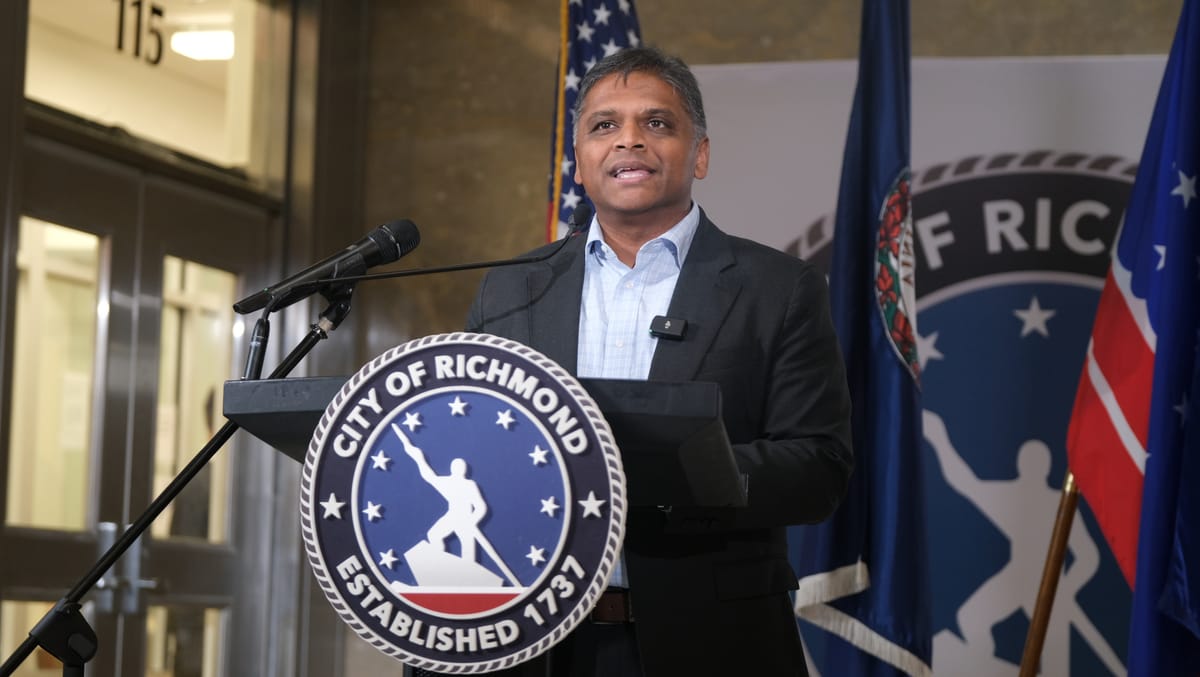
The Council passed a law requiring departmental budget requests to be made public by Jan. 15, giving the public more access to early financial documents the city has traditionally treated as mayoral working papers. The mayor said he intends to hold public town halls focused on the budget in the first few months of 2026 to get feedback from the community.
Megan Rhyne, a FOIA expert and transparency advocate who serves as executive director of the Virginia Coalition for Open Government, said a financial planning document should not be treated as a working paper if it’s been shared and used beyond the mayor’s office.
“Once it's distributed, it's not personal. Once it’s been acted on by others, it’s not deliberative,” Rhyne said. “The working papers exemption is designed to protect the individual's decision, not the overall development of policies with other entities over which he has no control.”
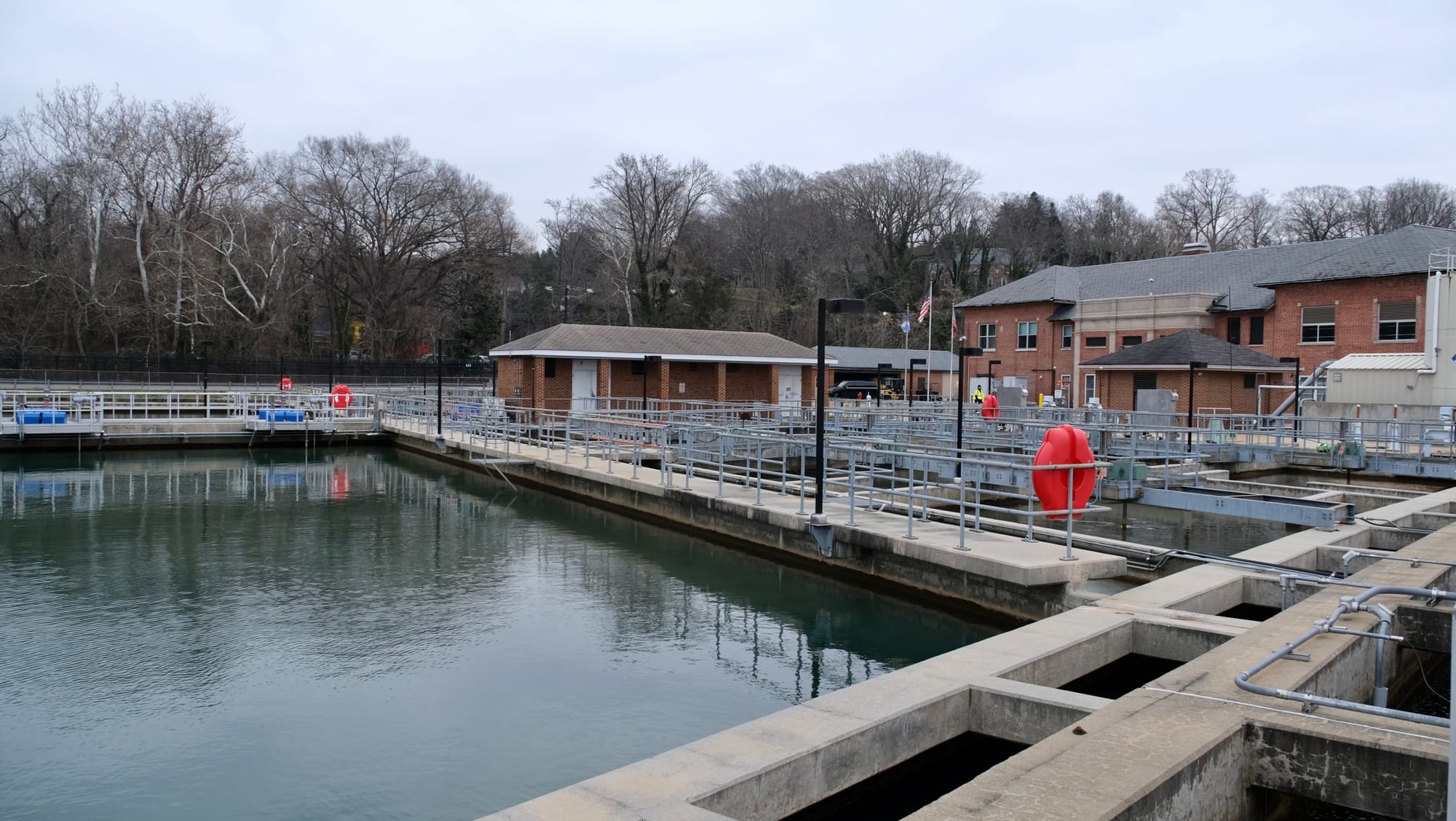
Youngkin’s decision not to fund Avula’s request could create more pressure on the city to raise water bills for residents, depending on how the state budget is finalized in a few months after Gov.-elect Abigail Spanberger takes office.
The Richmonder filed the FOIA request for the water rate analysis on Dec. 9 in an attempt to better understand the possible ramifications for city residents if the state funding doesn’t come through. Youngkin’s budget proposal (without the funding) was released Dec. 17.
On Dec. 16, city officials requested a time extension to continue searching for records beyond FOIA’s initial five-day deadline. The city being closed for the holidays, they noted, would extend the response deadline to Dec. 30.
On Dec. 29, the city said it had no responsive documents to release.
That answer appeared to be based on a typo in the wording of the FOIA request, which misstated the exact amount of state money the city requested.
The city is requesting $80 million in state money for the water system and $200 million in state funding for its combined sewer overflow project (neither request was funded in Youngkin’s budget). The FOIA’s wording mixed up those two dollar amounts, while clearly stating the records request was about funding for the water system.
When FOIA requests are submitted, it’s considered common practice for government officials to make a good-faith effort to understand what documents are being sought. If anything is unclear, officials usually ask the requester to clarify what they want. Richmond’s own website says City Hall does not see FOIA as an “adversarial process” and will ask follow-up questions as needed.
With the water rate request, the FOIA office never flagged the erroneous funding number as an issue and never expressed any confusion about what the request meant. After the city claimed it had no documents, The Richmonder noticed the typo and voluntarily corrected it.
It was only then that the FOIA officer said the city did, in fact, have a document that very closely matched what The Richmonder had requested 20 days prior. The city then invoked the working papers exemption to block the record’s release.
The document being kept confidential as mayoral working papers, according to the city, is a single Excel file with “three worksheets of rate model outputs outlining various scenarios of funding for the city’s water infrastructure investments.”
Though the city’s initial no-records response was technically accurate, it showed an unusual willingness to use semantics to sidestep FOIA after Avula and others have promised a more transparent and FOIA-friendly City Hall.
Rhyne said that, in her experience, most FOIA officers would look at the overall context of what a request means. Because the government knows more than the public about what documents it has, Rhyne said, there’s an expectation officials will make an effort to connect FOIA requesters to the records they’re seeking.
“I don't find it particularly helpful to anyone — requester or government — to zero in on a specific number to the exclusion of the rest of the request's description of what was wanted,” Rhyne said after being shown The Richmonder’s FOIA exchange with the city.
If there was any confusion on the city’s part, Rhyne said, the issue could have been cleared up long before the expiration of the extended FOIA deadline the city said it needed.
At City Hall, it’s often not the city FOIA officer or public relations staff making final calls on how to respond to requests for public records. Those decisions are often handled by the city’s lawyers.
At a Council meeting in early September, the Avula administration characterized the rate models as a key part of long-term water planning.
“I want to make sure we’re being extremely transparent and letting folks know what’s going on,” Chief Administrative Officer Odie Donald II said at the time.
At that meeting, Council President Cynthia Newbille (7th District) asked when the rate models would be “forthcoming.” Morris, the city utilities director, said they would be finalized within weeks after feedback from Council members and regional partners.
The mayor and the CAO, Morris said, would “have a conversation on pushing those out.”
The mayor will introduce his budget proposal in March.