Lavender Hill owner sues city, City Council over SUP denial
The owner of event planning business Lavender Hill is suing the city of Richmond and City Council over the council’s denial of her request for a special use permit that would have allowed her to hold up to 52 outdoor events a year at a property in the near West End.
In a June 9 complaint filed in Richmond Circuit Court, Nadia Anderson argued that the denial was “arbitrary, capricious, not fairly debatable, and contrary to the applicable provisions of the City of Richmond Charter and Code.”
The Lavender Hill permit has been one of the most controversial special use permits to come before the City Council over the past year, attracting large turnouts of both opponents and supporters to public hearings.
This May, the City Council voted to deny the permit, apparently persuaded by the numerous neighbors who said the outdoor events Anderson had already held on the site were too loud and disruptive, causing windows to rattle and children to be woken up. Their decision followed a vote recommending denial of the permit from the Planning Commission.
Now Anderson says that the council “improperly” based its denial on neighbor opposition “rather than on objective evidence.”
“Statements by Council members suggesting that the application would require neighboring property owners’ agreement or community consensus as a condition of approval constitute an unlawful delegation of governmental zoning authority to private citizens,” she wrote in the lawsuit.
 Michael Phillips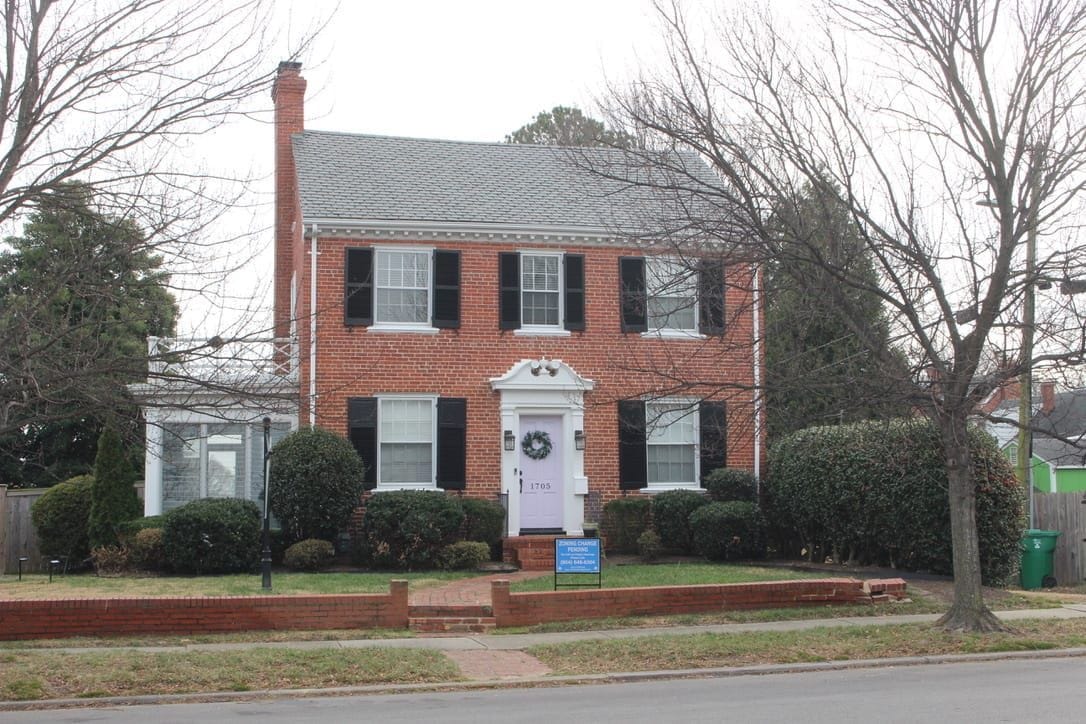
Both the City Council and the Planning Commission routinely seek neighbor input on special use permits, a tool outlined in the city charter that lets the city waive existing zoning rules for a project as long as it doesn’t lead to any of six specific detrimental impacts.
Under the charter, the council has the power to grant an SUP if it:
- “will not be detrimental to the safety, health, morals and general welfare of the community involved,
- will not tend to create congestion in streets, roads, alleys and other public ways and places in the area involved,
- will not create hazards from fire, panic or other dangers,
- will not tend to overcrowding of land and cause an undue concentration of population,
- will not adversely affect or interfere with public or private schools, parks, playgrounds, water supplies, sewage disposal, transportation or other public requirements, conveniences and improvements, and
- will not interfere with adequate light and air.”
During a presentation this February aimed at reviewing the duties and responsibilities of the Planning Commission, Richmond planner Alyson Oliver described those six requirements to the commission as “minimum criteria.”
“While every special use permit needs to accomplish these things, or I guess not do these things, just because it meets all of that criteria doesn’t mean that the Planning Commission is required to approve them,” Oliver said. “There’s lots of land use decisions and considerations that you might make when deciding whether a special use permit is appropriate.”
Anderson, however, is pointing to a 1975 case known as City of Richmond v. Randall in which the Supreme Court of Virginia found the city had improperly denied a property owner an SUP to construct a three-story medical and office building.
In that case, the court determined that the city’s denial was based on “essentially opinion testimony of lay witnesses” and had not been reasonable.
In the current case, Anderson contends that because the Planning Department concluded her proposal met all six criteria in the charter, the City Council “may not then deny the permit based solely upon political pressure or neighbor opposition without producing affirmative evidence that the use is fundamentally incompatible.”
In response to an inquiry, a City Council spokesperson said that the council “was recently made aware of this development and, consistent with its policy on pending legal matters, will not be commenting.”
The city provided no comment.
Anderson is representing herself in the lawsuit, which also argues that the City Council violated its own rules of procedure in its May decision and that the denial constitutes an “unequal administration of the City’s zoning authority” because SUPs have been issued for other properties to hold outdoor events.
Background on the dispute
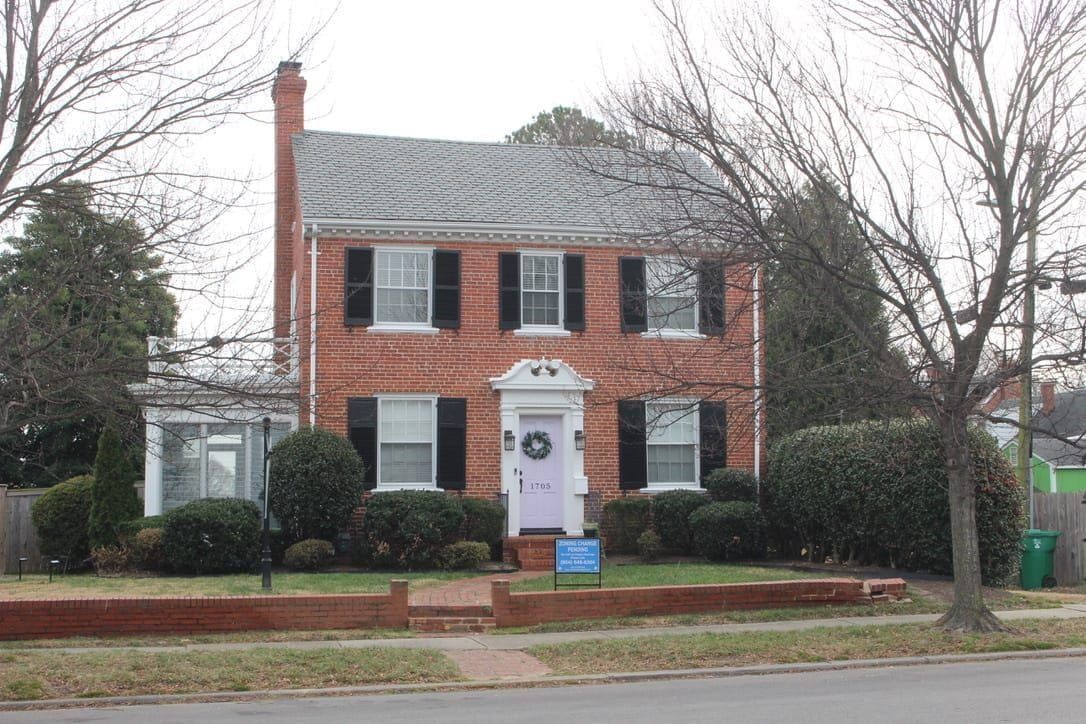
Lavender Hill sits at 1705 Commonwealth Ave. in the Sauer’s Gardens neighborhood of the near West End and is legally allowed to hold indoor events as well as operate a separate accountancy business run by Anderson.
In July 2024, Anderson applied for an SUP to also hold outdoor events on the site after receiving a notice of violation from the Planning Department following two neighbor complaints.
Anderson has argued that because her property lies on a parcel zoned for transit-oriented development (TOD-1), its use for outdoor events is appropriate. She has pointed in particular to adjoining commercial uses: a wine shop sits next door, while a VFW hall is across the street and the busy West Broad Street corridor is a half-block to the north.
 Sarah Vogelsong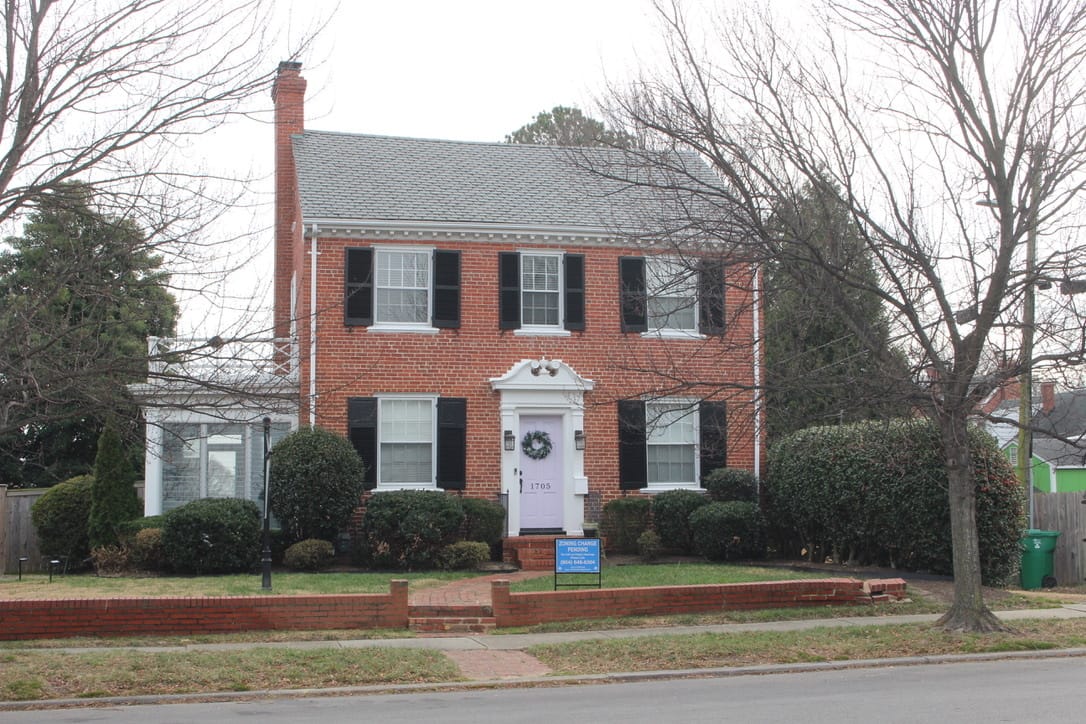
“The proposed occupancy of 120 persons is modest and consistent with assembly uses commonly permitted in urban mixed-use districts,” she wrote in her lawsuit. “Richmond’s own zoning staff reported no finding that the use would be incompatible with the TOD-1 district.”
Planning Department staff ultimately recommended approval of the proposal, which would have allowed up to 52 outdoor events per year that could operate between 9 a.m. and 10 p.m. Amplified music would have to end at 9 p.m.
Neighbors, however, vigorously objected. While Lavender Hill is surrounded by commercial uses to the north, they have emphasized that it sits across an alley from a block of residential homes. They have also pointed to a 2023 city ordinance restricting outdoor “recreation and entertainment uses” within 100 feet of a residential parcel — a radius that would include a number of surrounding homes.
 Sarah Vogelsong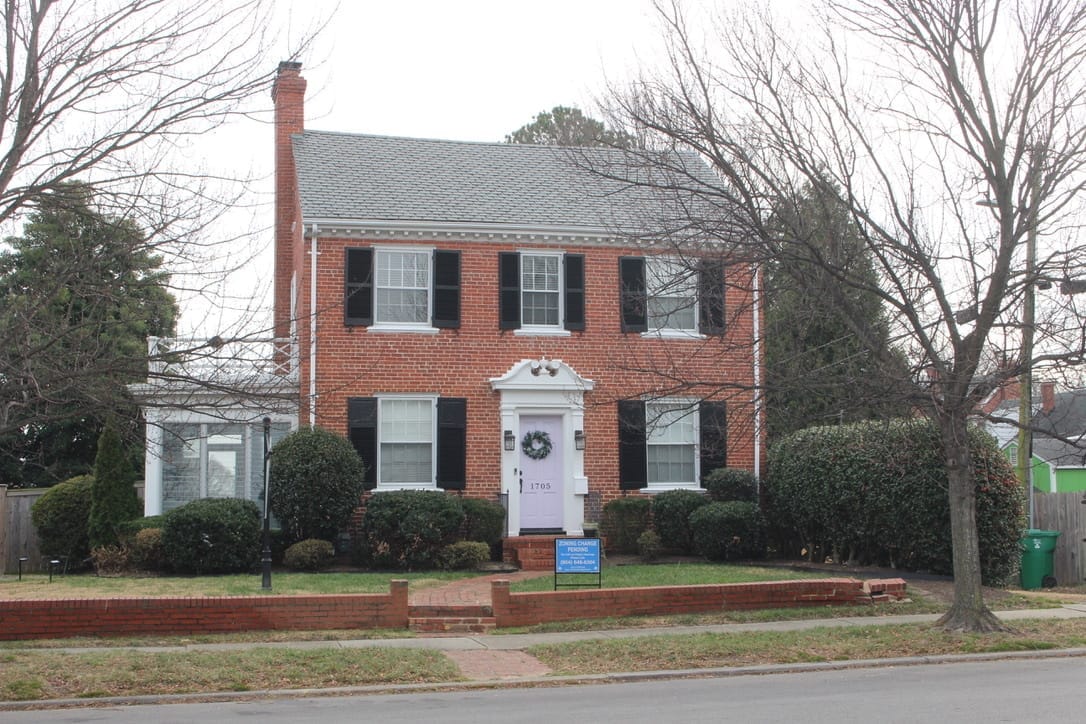
Anderson has said she has only held a limited number of outdoor events on the site since she purchased it in 2021. But in public hearings, neighbors have said that a number of those gatherings were highly disruptive and that allowing up to 52 events annually would have major impacts on their quality of life.
“You can’t do the things you would normally do in your house when one of these events is going on,” neighbor Sidney Bragg told the City Council during a January hearing.
This story has been corrected to reflect that Anderson filed her SUP application in July 2024.
Contact Reporter Sarah Vogelsong at svogelsong@richmonder.org