In search of more starter homes, some ZAC members think Richmond ought to allow even smaller lots
As Richmond’s zoning overhaul marches on, some residents advising the city on the process want officials to consider moving in a new direction: allowing even smaller residential lots in more parts of the city.
“We need more starter homes,” said Melissa Savenko, a real estate agent who serves on both the Zoning Advisory Council and as zoning chair for the Fan District Association. “The only way you get there is less dirt, because dirt costs you money, and your construction costs are what they are. So it needs to be a smaller house on a smaller lot.”
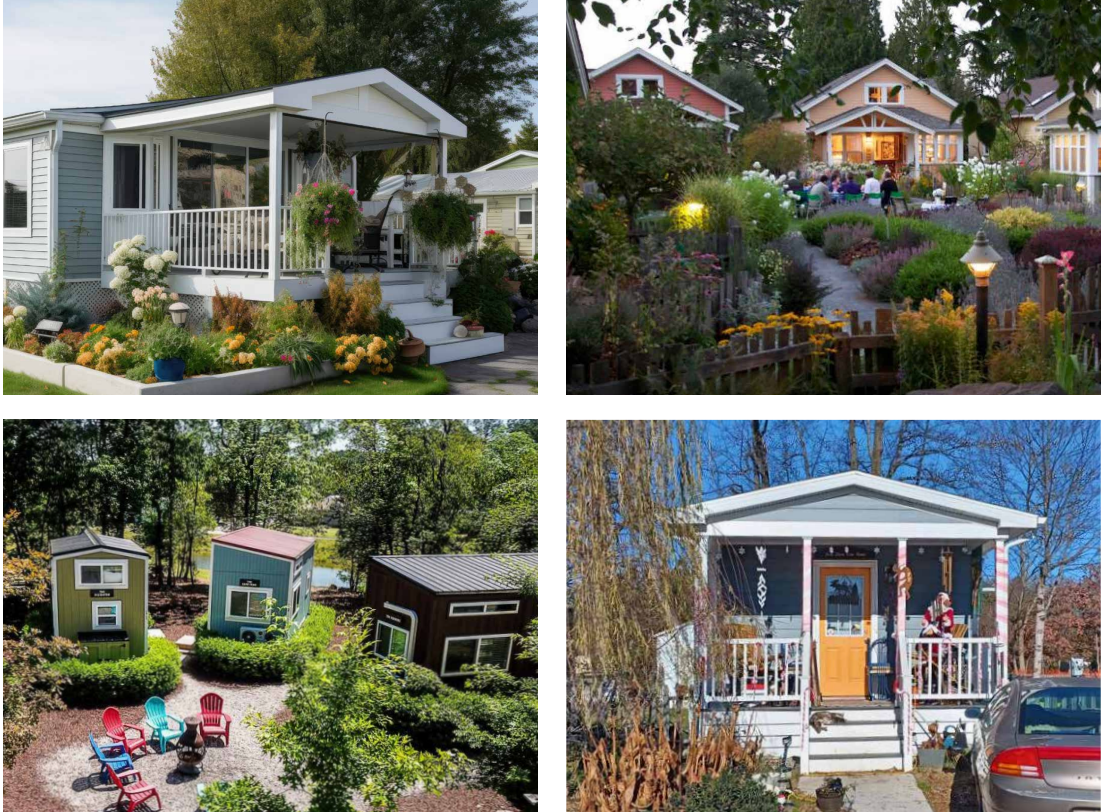
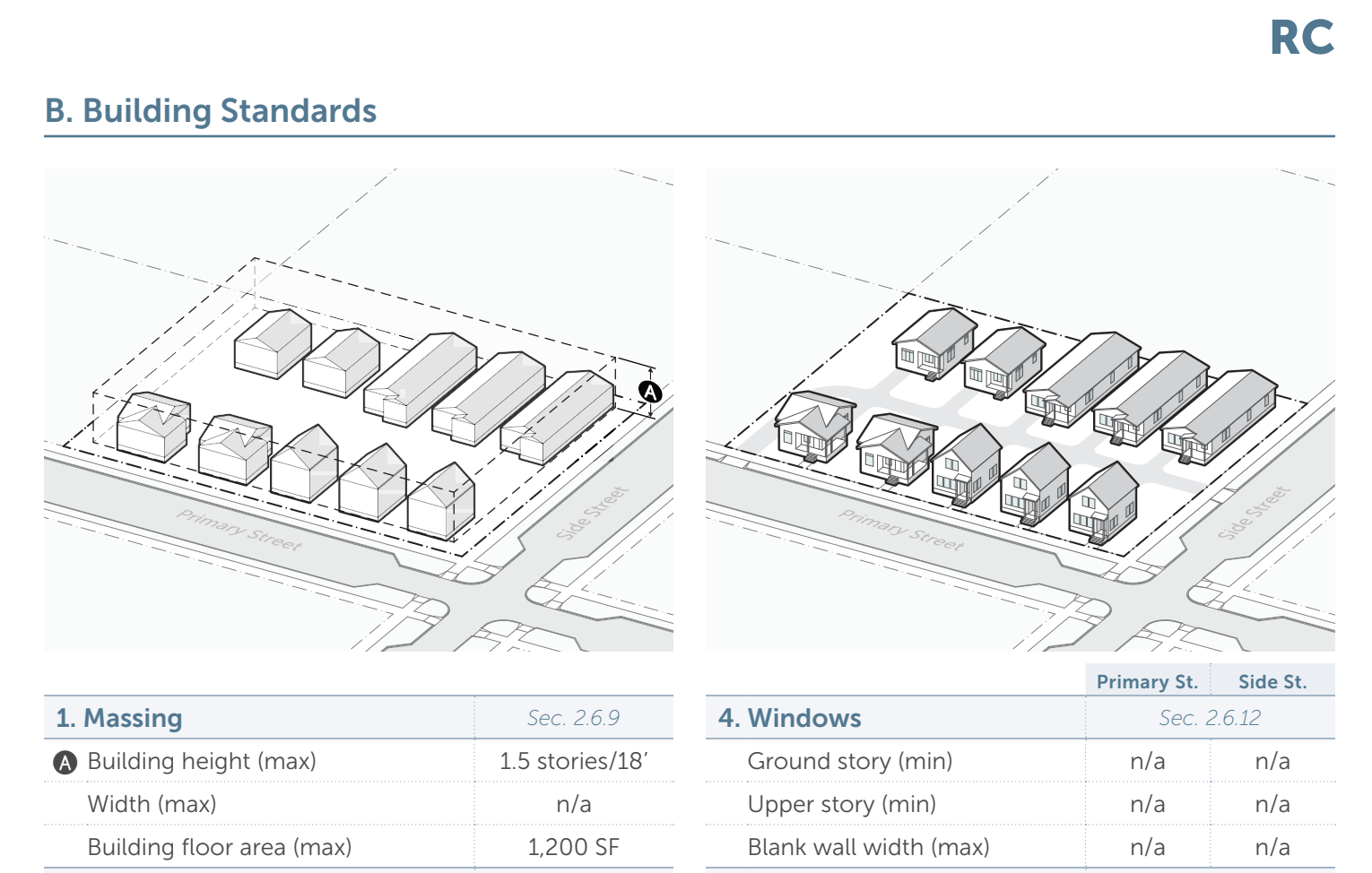
Savenko’s pitch, which gave rise to a lively conversation at the ZAC’s April meeting, is for Richmond to zone more areas as “residential cottage,” a designation that would allow clusters of small houses — each no more than 1,200 square feet — on a single lot no less than 100 feet wide. Zoning documents say RC properties could include not only manufactured or tiny home parks, but also “cottage courts.”
Today, there are only limited examples of that kind of development in the city, although officials have agreed to sell 3 acres on the Northside to Eden Village of Richmond for a tiny home community for chronically homeless people.
 Sarah Vogelsong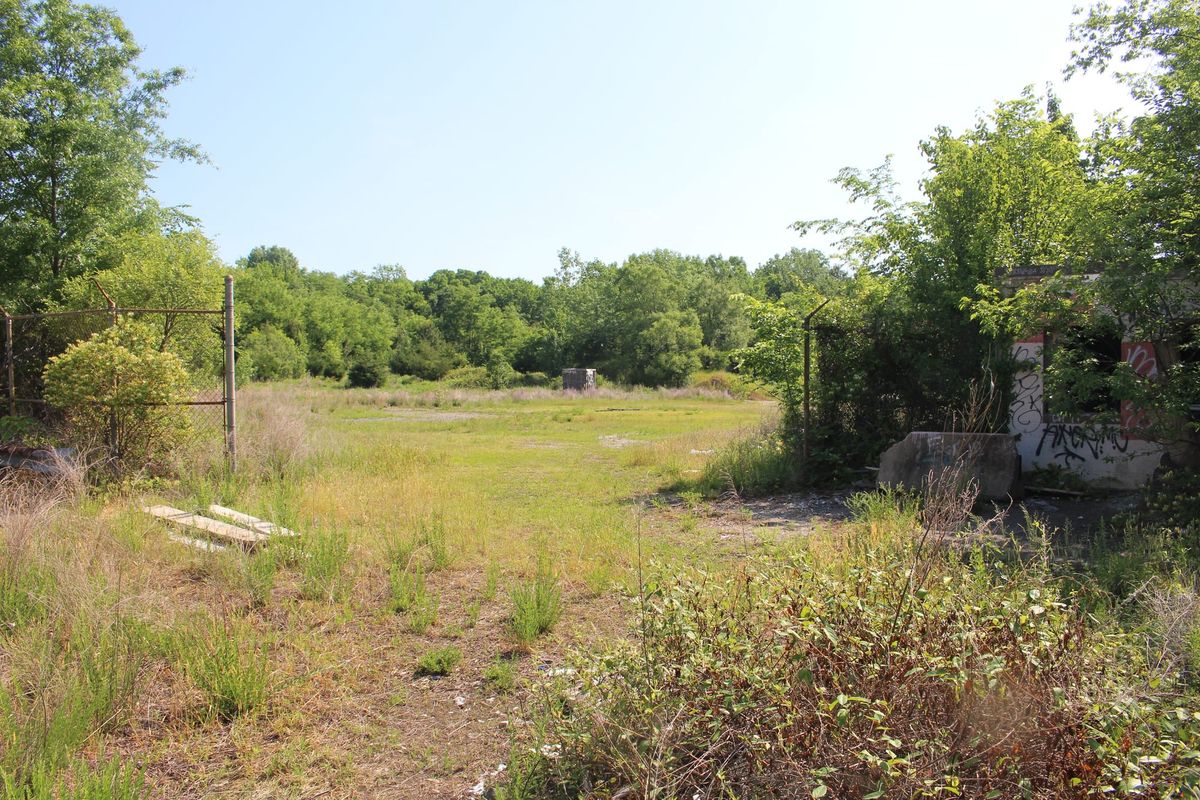
Under the second draft of the code refresh, only a small number of properties around the city are zoned as residential cottage, or RC. Most appear to be associated with mobile home parks off Richmond Highway, Hull Street or Midlothian Turnpike.
Savenko, however, is urging the city to expand that use to try to incentivize developers to build smaller homes that can be sold at more affordable prices.
“I’m not really sure why we’re not talking about more RC zoning,” she said.
The idea of creating smaller lots isn’t new. Some nonprofit developers in Richmond have argued that smaller lots are critical for the construction of more affordable and deeply affordable homes. The ZAC discussed the idea in one of its earliest meetings in September 2024, drawing on an approach adopted by Durham, North Carolina, in 2019 that let people build houses of no more than 1,200 square feet on lots no more than 2,000 feet in size in neighborhoods near the city’s downtown.
“The idea was to try and generate smaller units, therefore cheaper units,” Colin Scarff of Code Studio, the consultancy hired by the city to help officials with the zoning rewrite, said at the time. Over the next three years, according to data reported by Durham, the city issued 215 permits for small houses and lots. Their median price was $348,000, far below the $605,000 median price for single family homes in the same area.
“This was allowing for houses to show up in neighborhoods that were basically unattainable because of the cost and price points,” said Scarff.
Closer to home, Henrico County adopted its own version of “small lot” zoning in February 2025, allowing lots as small as 3,000 square feet and 30 feet wide in a bid to spur more affordable development.
The current draft of Richmond’s code refresh already permits smaller lots than what’s allowed in Henrico, getting rid of lot area requirements entirely and instead relying on minimum lot widths. Properties with attached homes would have no width restrictions, while lots in RD-C zones — the densest of the single family detached neighborhoods — could be as small as 25 feet wide.
The prospect of allowing even smaller properties zoned as RC sparked some interest among ZAC members.
“Maybe we need to revisit some of the residential cottage standards beyond just manufactured housing,” said ZAC Chair Elizabeth Greenfield, who also serves on the city’s Planning Commission and works for the Home Building Association of Richmond.
Sarah Vogelsong
Charles Menges, a retired McGuireWoods attorney, also seemed intrigued, pointing out that Richmond saw a wave of starter home construction after World War II.
“There were starter homes built in the West End, in Northside, Southside, you name it,” he said. “Is there land that can be redeveloped?”
Both Savenko and land use attorney Preston Lloyd pointed to Southside as the most promising part of the city for large-scale affordable development.
“It’s going to be places like Bellemeade and Oak Grove and Swansboro and up by McGuire Veterans [Hospital],” said Savenko. “Just the reality of economics is that north of the river, land is more valuable for the most part than south of the river.”
Sarah Vogelsong
Still, both cautioned that shortfalls in infrastructure could hamper projects in those areas — a concern that Lloyd has raised to the Planning Commission as well as The Richmonder. Schools on the Southside are increasingly overcrowded. Sidewalks in many neighborhoods are nonexistent. And inadequate stormwater infrastructure often leads to flooding after storms. None of the fixes are cheap.
When proposing Southside projects, “The objection that I get is, ‘But do we have the infrastructure?’” Lloyd told the ZAC. “That’s where the land is, though, and so that’s where you can afford to build this housing.”
As the city tries to direct growth, Maritza Pechin, a former Richmond official who now works for Thalhimer, said capital improvements spending as well as the zoning ordinance will be critical to guiding growth.
“Those are two different tools, and they kind of work one step after the other,” she said. “They can’t always work totally in lockstep all the time. They’re responding to each other.”
Contact Reporter Sarah Vogelsong at svogelsong@richmonder.org