During America's 200th birthday, a Richmond racer took on the grueling 'Le Mans' French endurance test with his team
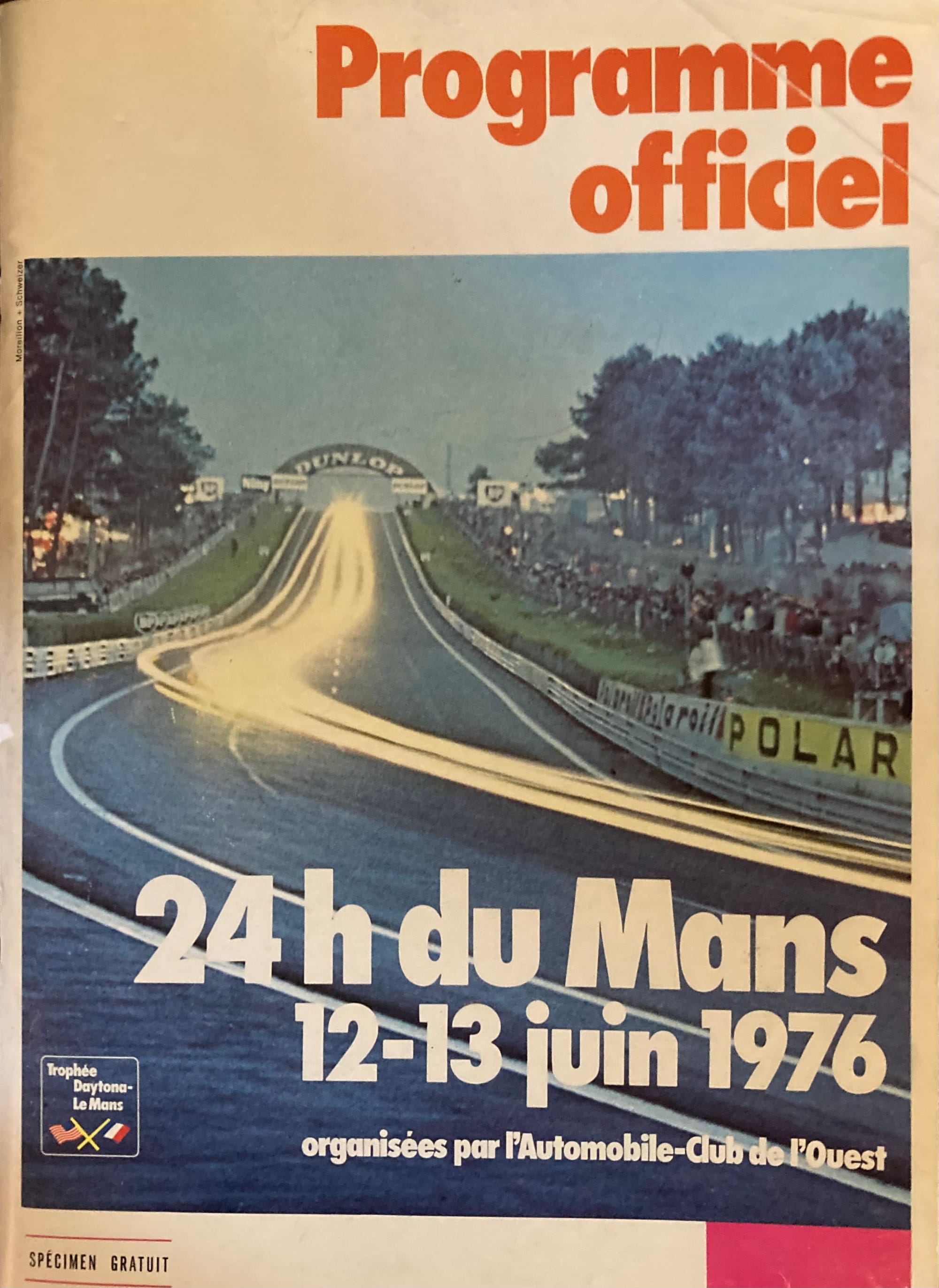
The 94th running of the 24 Hours of Le Mans starts Saturday at 10 a.m. Richmond time. For at least a few people, the world-famous endurance race brings back a flood of 50th-anniversary memories.
It was 1976. America was celebrating its bicentennial, and “Big Bill” France, NASCAR’s founding father, wanted to parade his American-car series on a new stage. He got his pals at the Automobile Club de l’Ouest, organizers of the 24 Heures du Mans, to create a two-car class for their race.
So, which race teams would fill those two starting spots in the race on the 8.5-mile road course about 130 miles from Paris? Big Bill picked a couple of reliable team owners – Hershel McGriff from Bridal Veil, Ore., and Wesley Christian “Junie” Donlavey from Richmond.
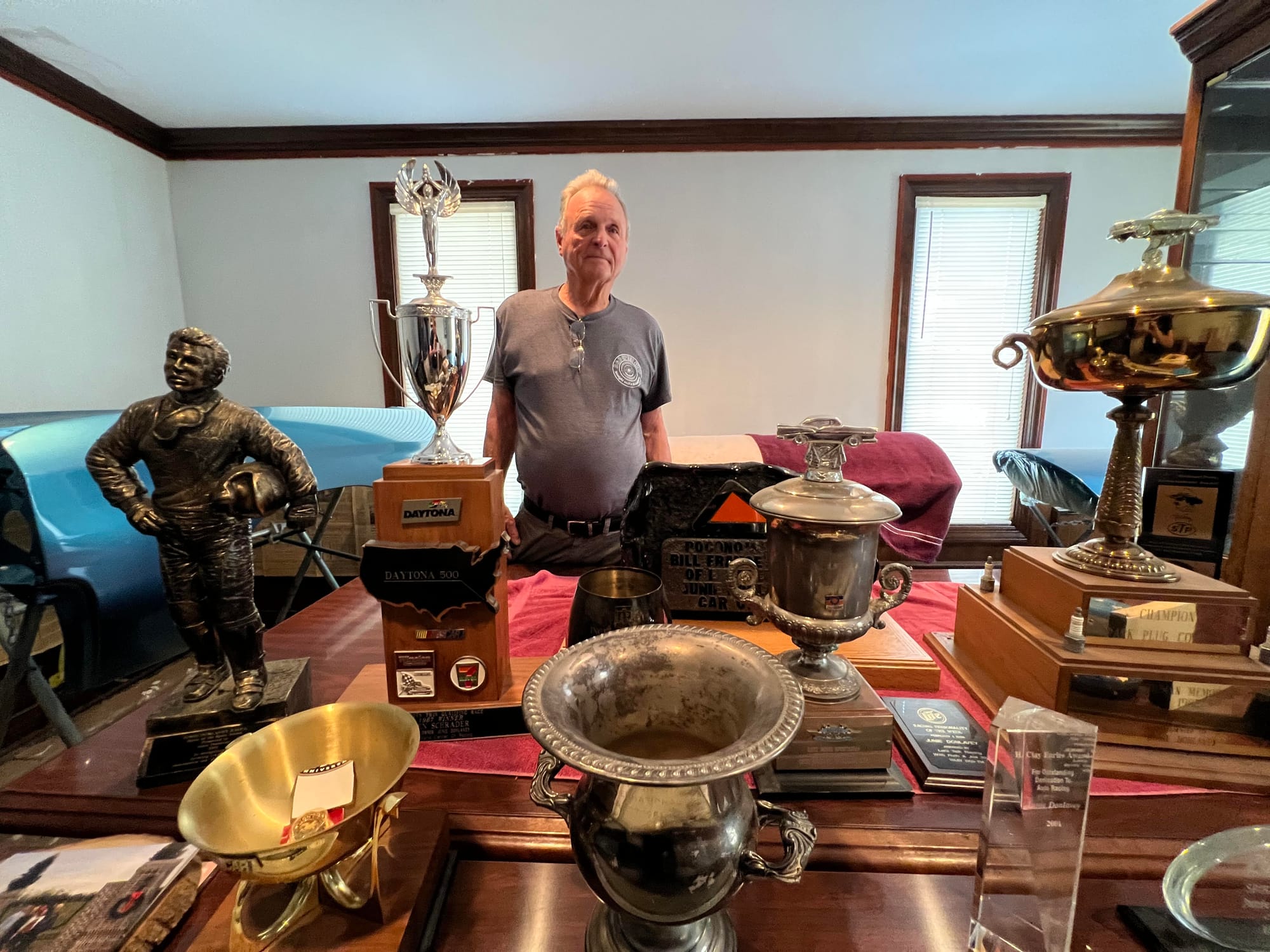
Donlavey fielded race cars on NASCAR’s top tour for a career spanning more than 50 years. He died in 2014 at 90. One of the few Donlavey Racing crew members still living in 2026 is Kenny “Ding” Bell, 84. He continues to work with cars out of the same Swansboro Motor Co. shop, a little south of the James River, where Donlavey housed his race team. Bell and a partner find ready-for-the-junkyard beaters and transform them into dazzling classic show cars.
The Le Mans trip in ’76 was unlike anything Bell had done before. He’d been a mechanic in the U.S. Air Force, but had been stationed outside the states.
For this race, the team’s itinerary included sight-seeing stops in London and Paris. And the train from Paris to Le Mans turned out to be a local, “so we stopped at every pig path. It took an extra two hours, but we got to get a great look at the French countryside and small towns.”
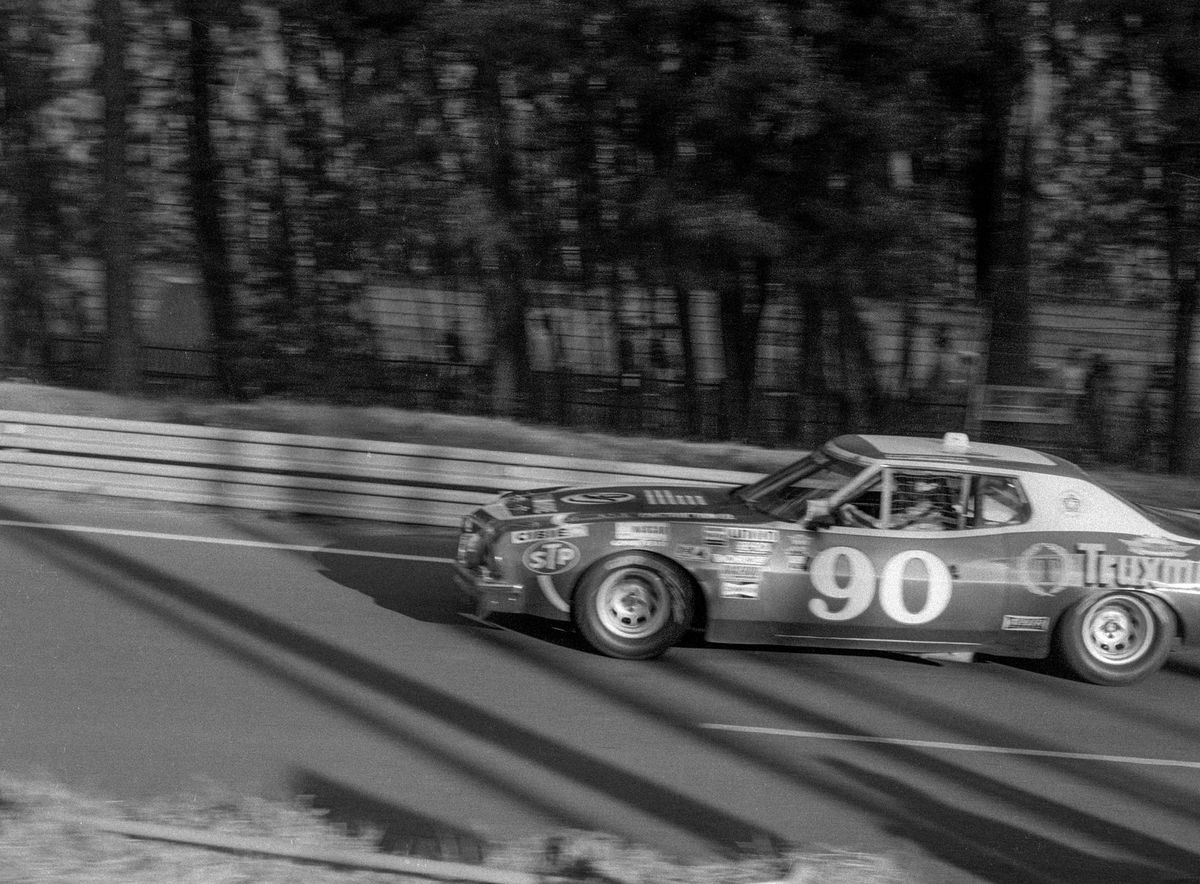
Donlavey had assembled a three-driver team for the team’s Ford Torino.
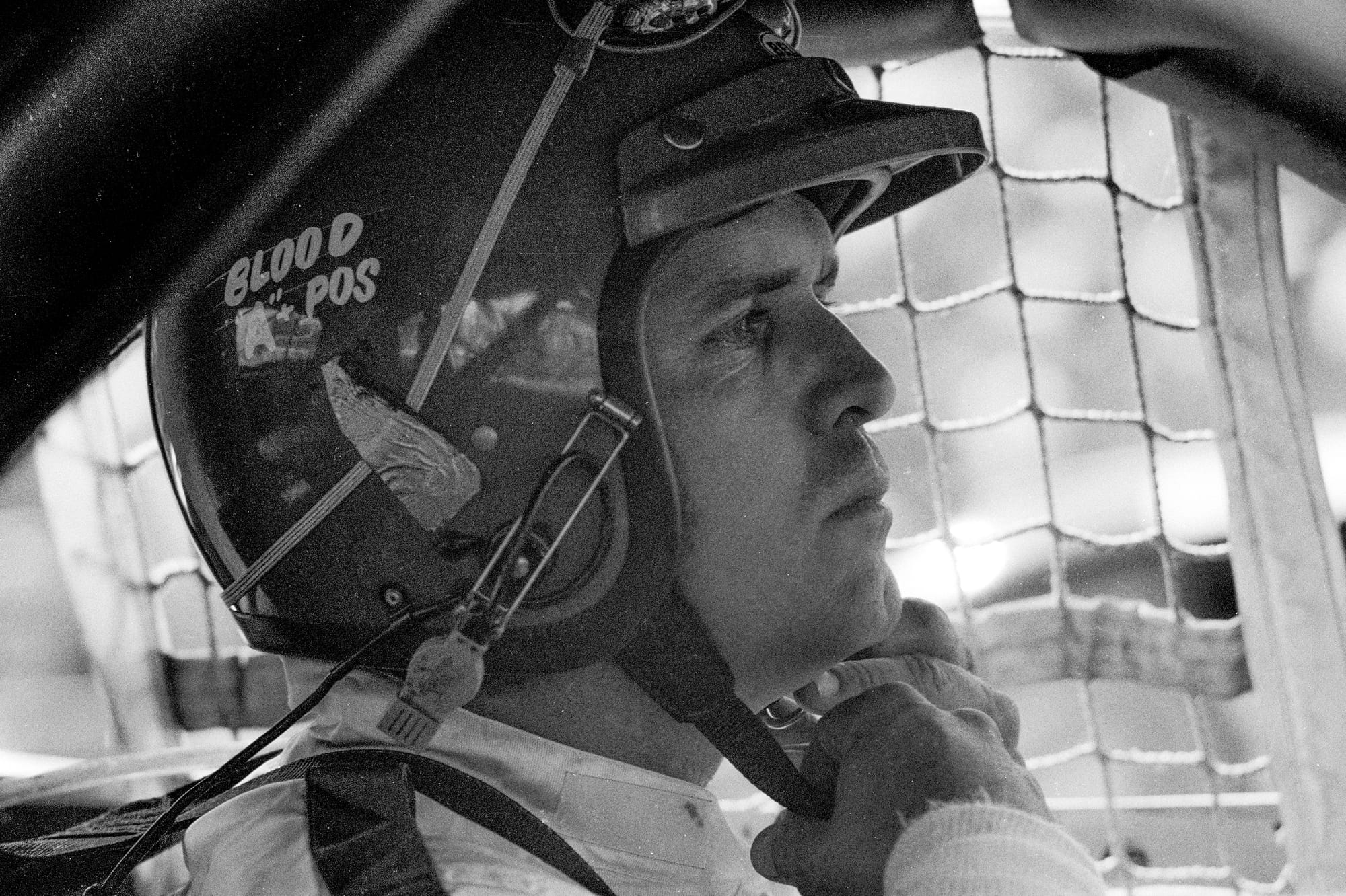
- Dick Brooks, who drove several NASCAR seasons for Donlavey, including 26 events for him that year;
- Dick Hutcherson, a versatile star driver who would stack up 14 career wins on NASCAR’s top tour, and who had finished third at Le Mans driving a Ford GT40 in 1966, part of Ford’s epic sweep of the top three spots;
- Marcel Mignot, a 22-year-old Frenchman added to the team to help things go more smoothly, who would compete nine times at Le Mans with a best finish of 6th in 1979 famously driving a car with a paint job by Andy Warhol.
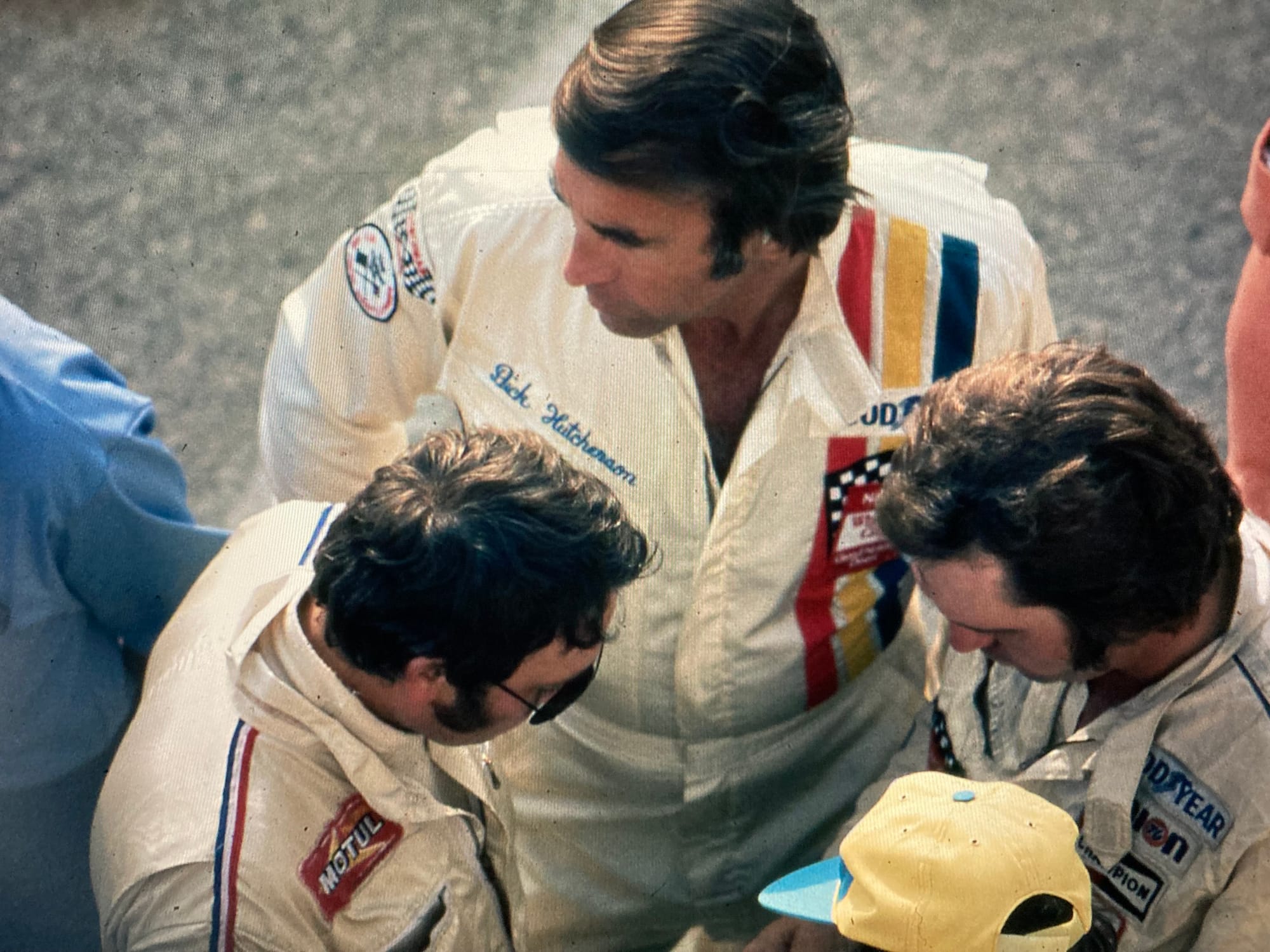
The team qualified 55th, the very back of the field. But rose through the standings as the race wore on. Years later, Bell would point out that some of the gain was due to the team’s urgent NASCAR-style pit stops, which were a shock to teams pitting nearby.
“They treated a pit stop almost like a rest break,” Bell would say. “We were in a hurry, even if we were changing drivers.”
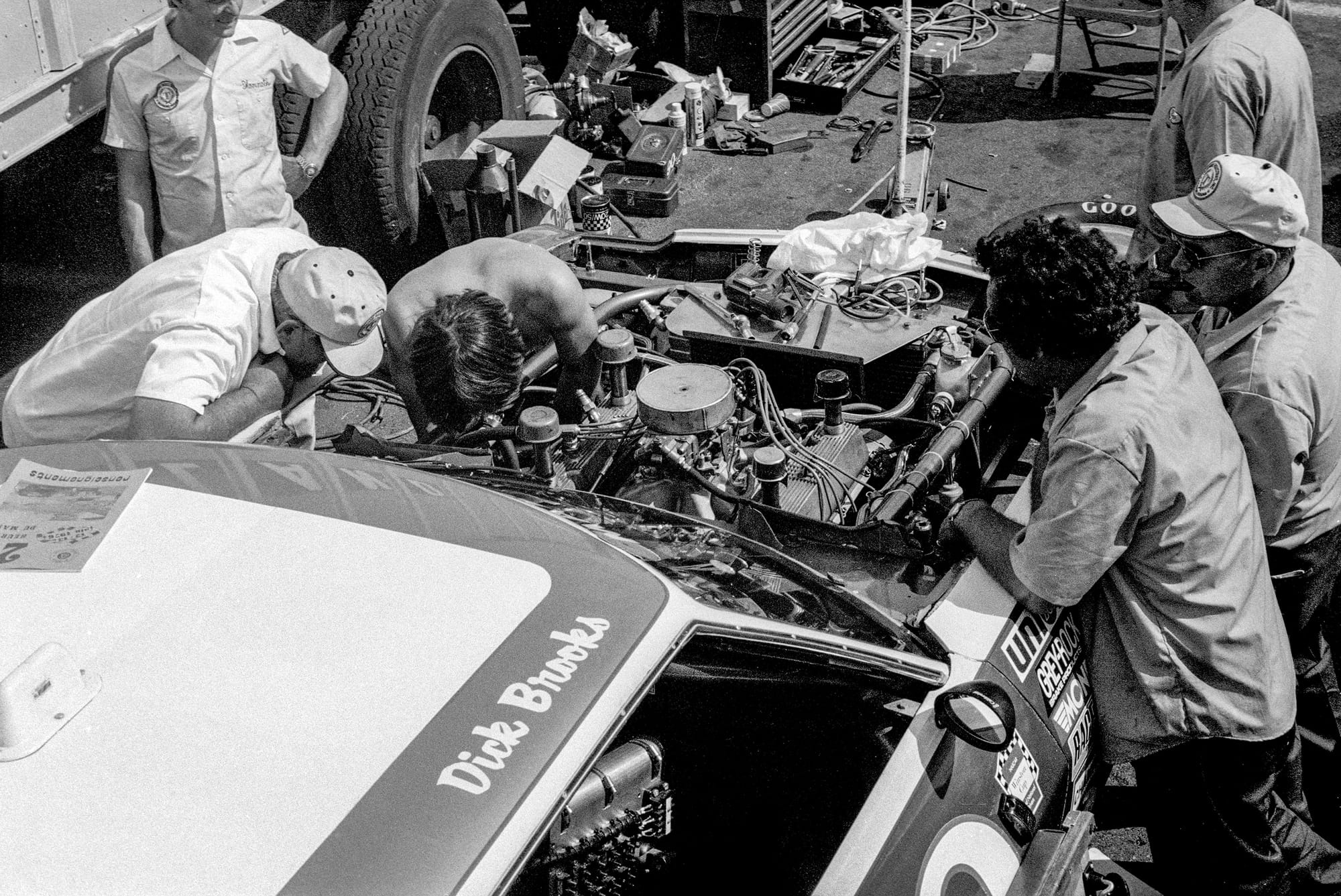
Bell also noted that the pits were full of people – extra team members, gendarmes in their uniforms, some onlookers. “It’s a wonder nobody got run over,” Bell said.
McGriff shared driving duties with his son, Hershel Jr. The race was over almost as soon as it started for them. Their Dodge couldn’t handle the French fuel – lower-octane than its American counterpart – and the engine failed after two laps.
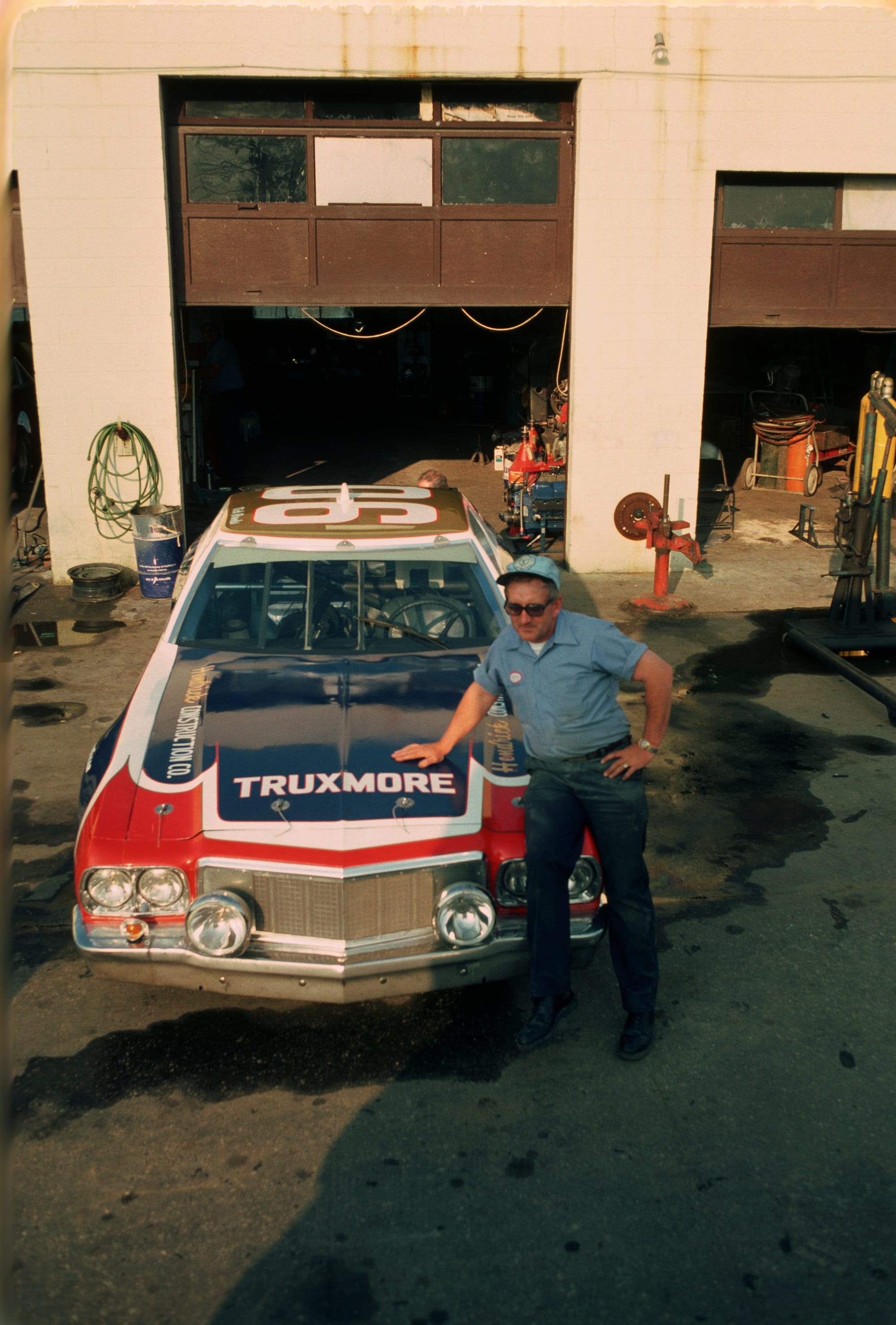
Bell said Donlavey’s team “had de-tuned our engine to fit the fuel. We were fine.”
Both American cars caught the attention of French race fans during practice that week. They were bulky – like big brothers to the sports cars and sleek prototypes fielded by all the other teams.
And the when the drivers cranked up the engines of the two NASCAR-style entries, even de-tuned they filled the air with a deep guttural sound, unmistakable among the high-pitched whines of the road-course specialist machines.
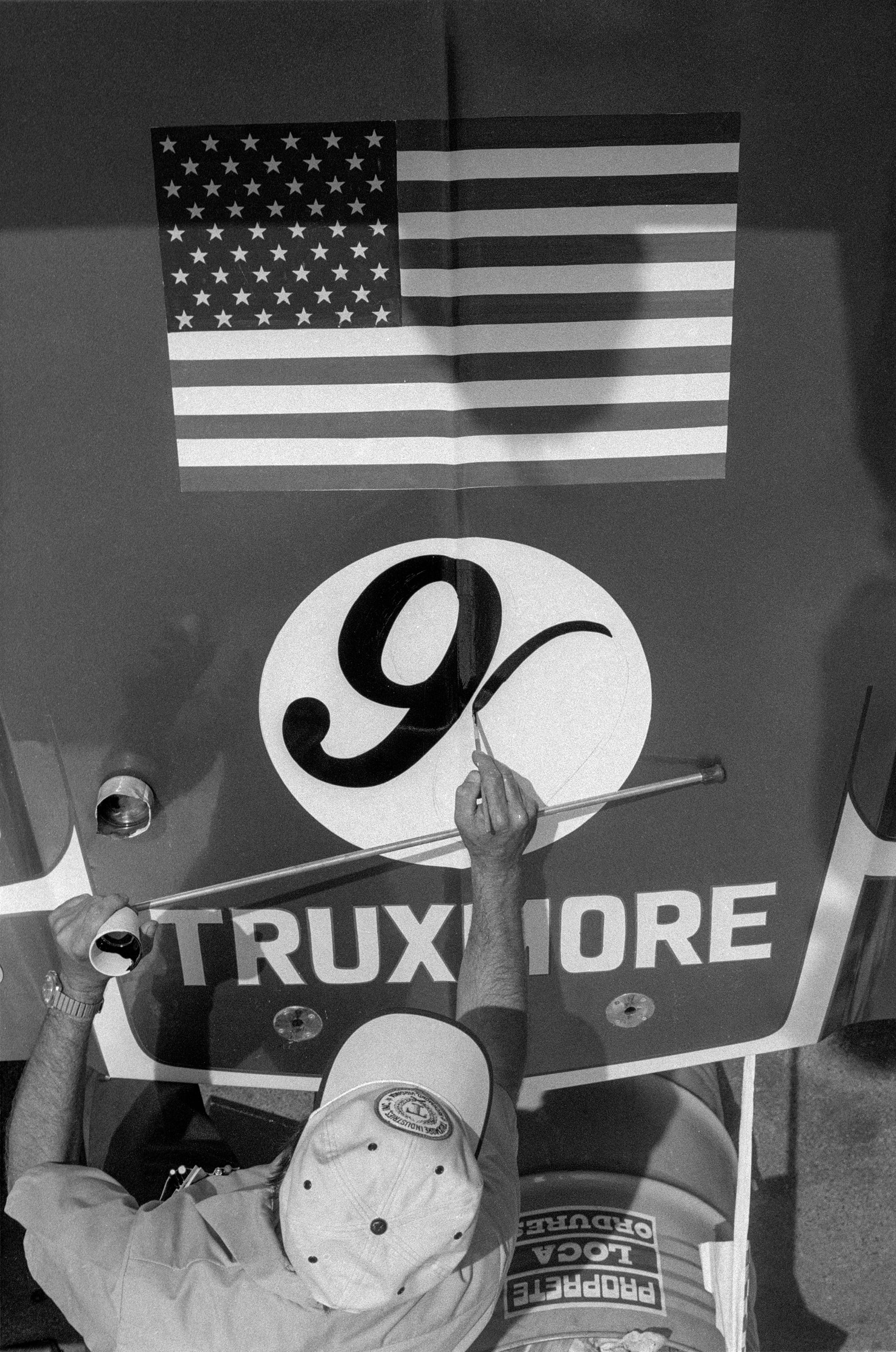
Fans fondly nicknamed the Dodge and the Ford “Les deux monstres,” the two monsters, and when a local newspaper used the phrase in a headline, the name stuck.
“We were fast on the straightaways,” Bell would point out later, “and our car punched a big hole in the air. The other teams like to get behind us to pick up speed in the draft. But we had to brake sooner to get that big heavy car slowed down and through the corners. Our drivers gave hand signals to let the car behind know when they were about to brake.”
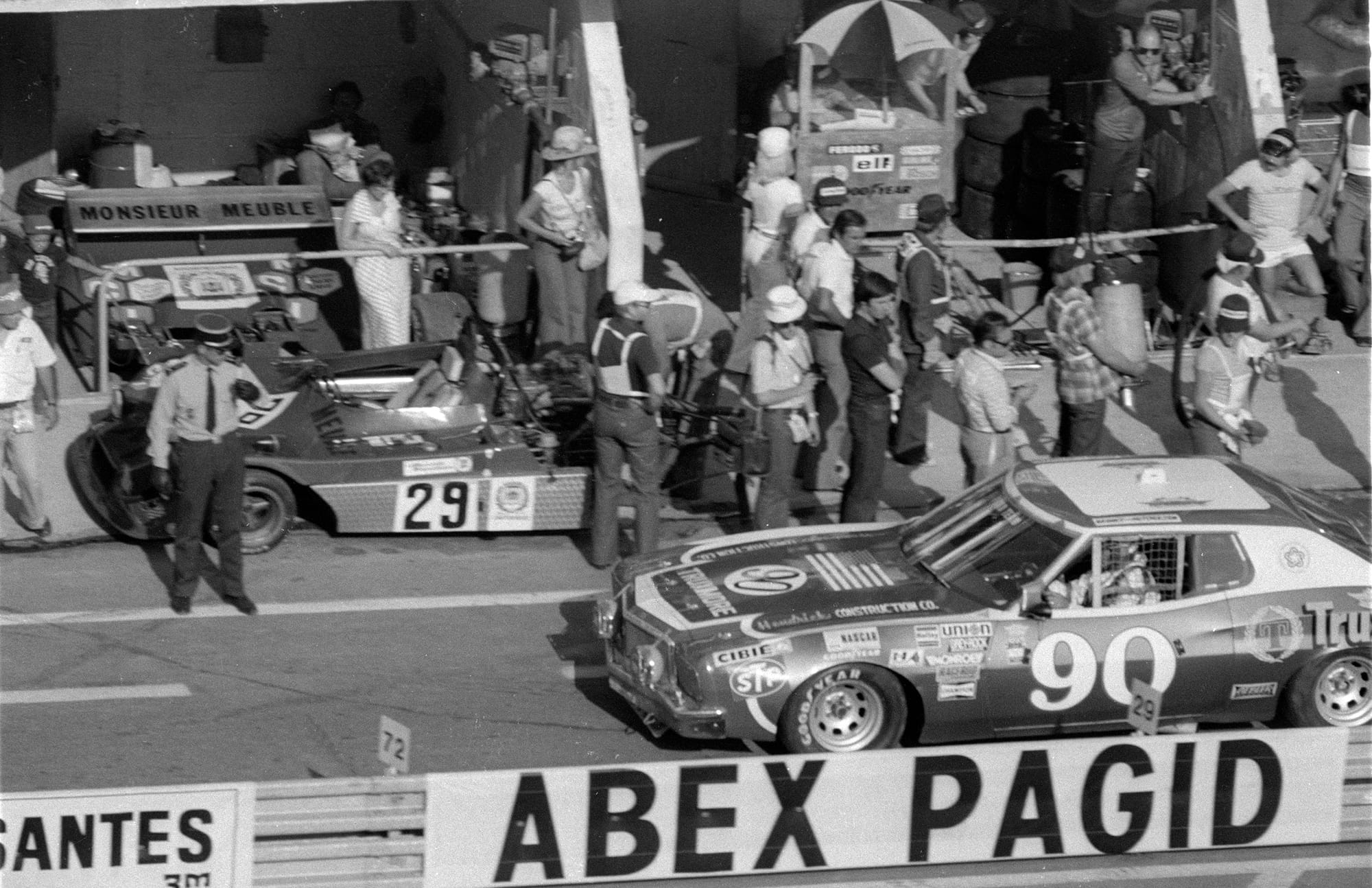
With Brooks and Hutcherson handling the driving, the Donlavey Ford had completed 104 laps, nearly 900 miles, and had risen 21 positions to 34th -- when the car’s transition failed. It happened about ten and a half hours into the race, more than twice as long as their NASCAR events lasted.
“We knew what had happened,” Bell recalled this week, leaning against a workbench in his shop. “We could have fixed it and got back in the race. But the car had stopped way out on the backside of the course, and they wouldn’t tow it back to us. We didn’t see the car again until the next day after the race was over.”
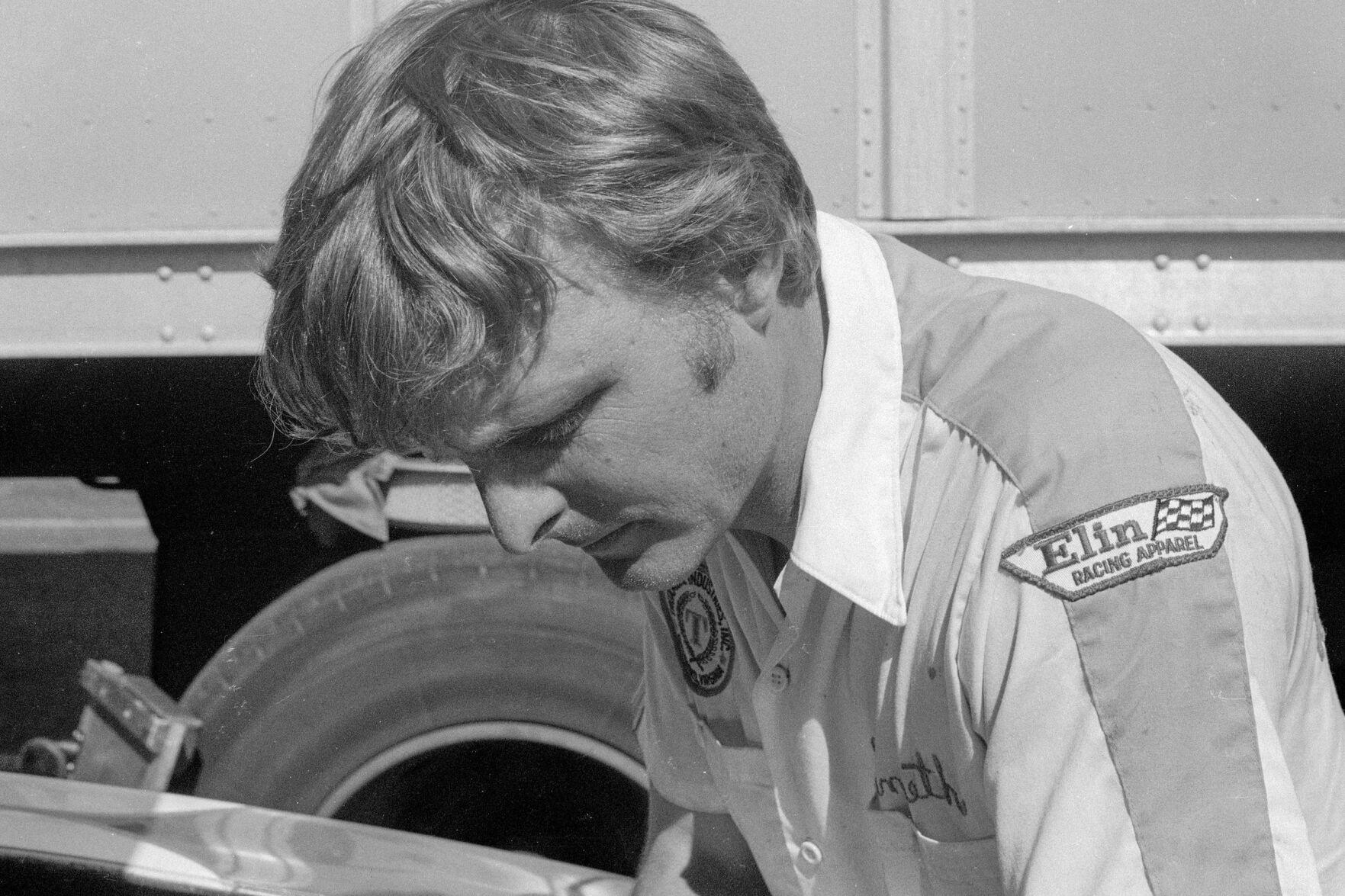
The Donlavey Ford got credit for a 40th-place finish. That was best, it can be noted, in the two-car class that had been created for the race. The winning Porsche 936, driven by Belgian Jacky Ickx and Gijs van Lennep of the Netherlands, logged 349 laps
Hutcherson died in 2005 at 73, Brooks in 2006 at 63 – each of natural causes. McGriff Sr. is 98, said to be the oldest living former NASCAR driver. McGriff Jr. is 79 and reportedly still racing.
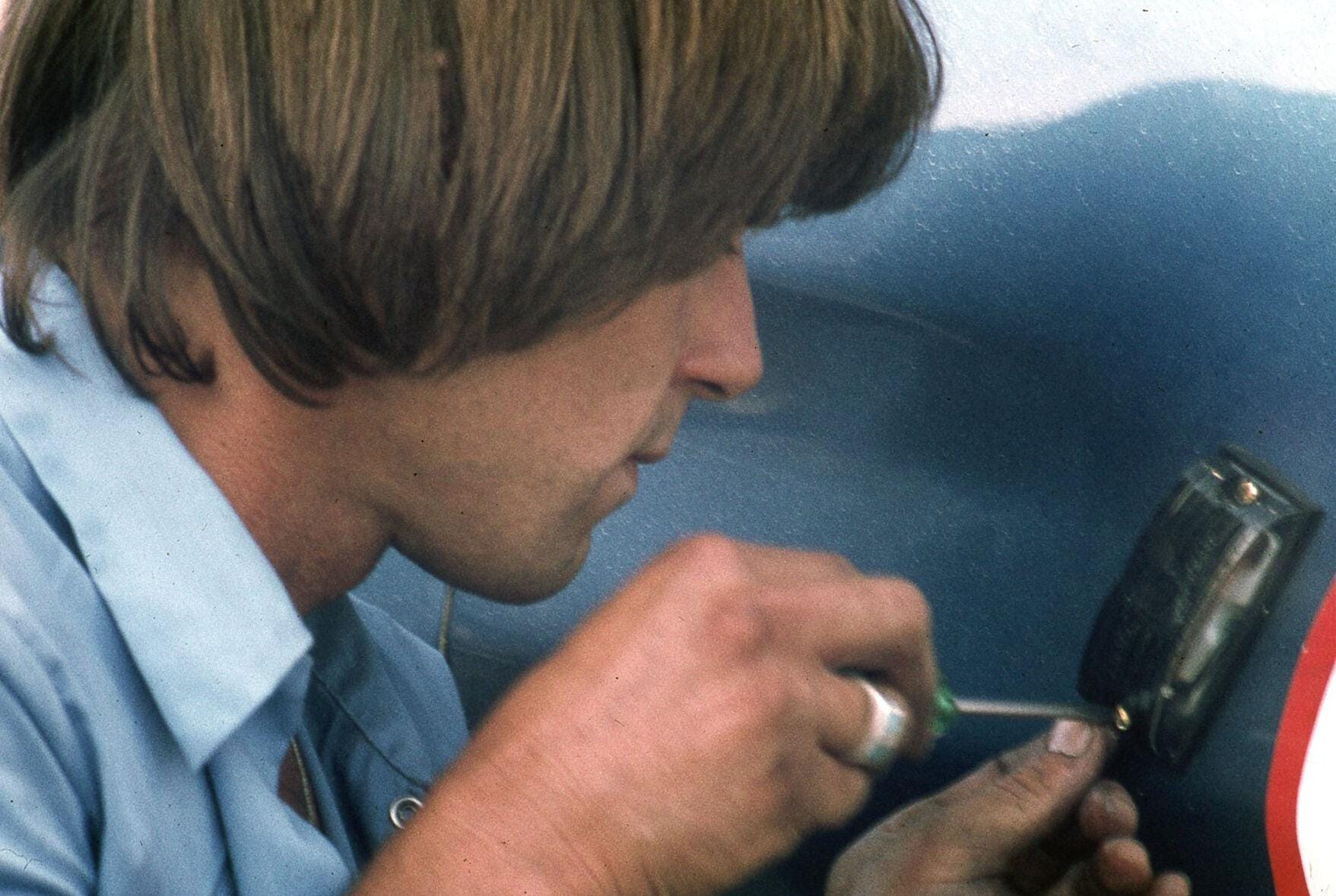
The specially prepared Ford Torino they drove that one time at Le Mans was shipped back to Richmond. Eventually, it was moved out of the shop and away from Richmond. Donlavey would say later that he didn’t know for sure what had become of it. Likewise, Bell said this week that he couldn’t be certain about the car’s provenance.
However, for those who experienced the look and sound of that “monstre,” memories persist.