Habitat for Humanity celebrates 100th solar installation
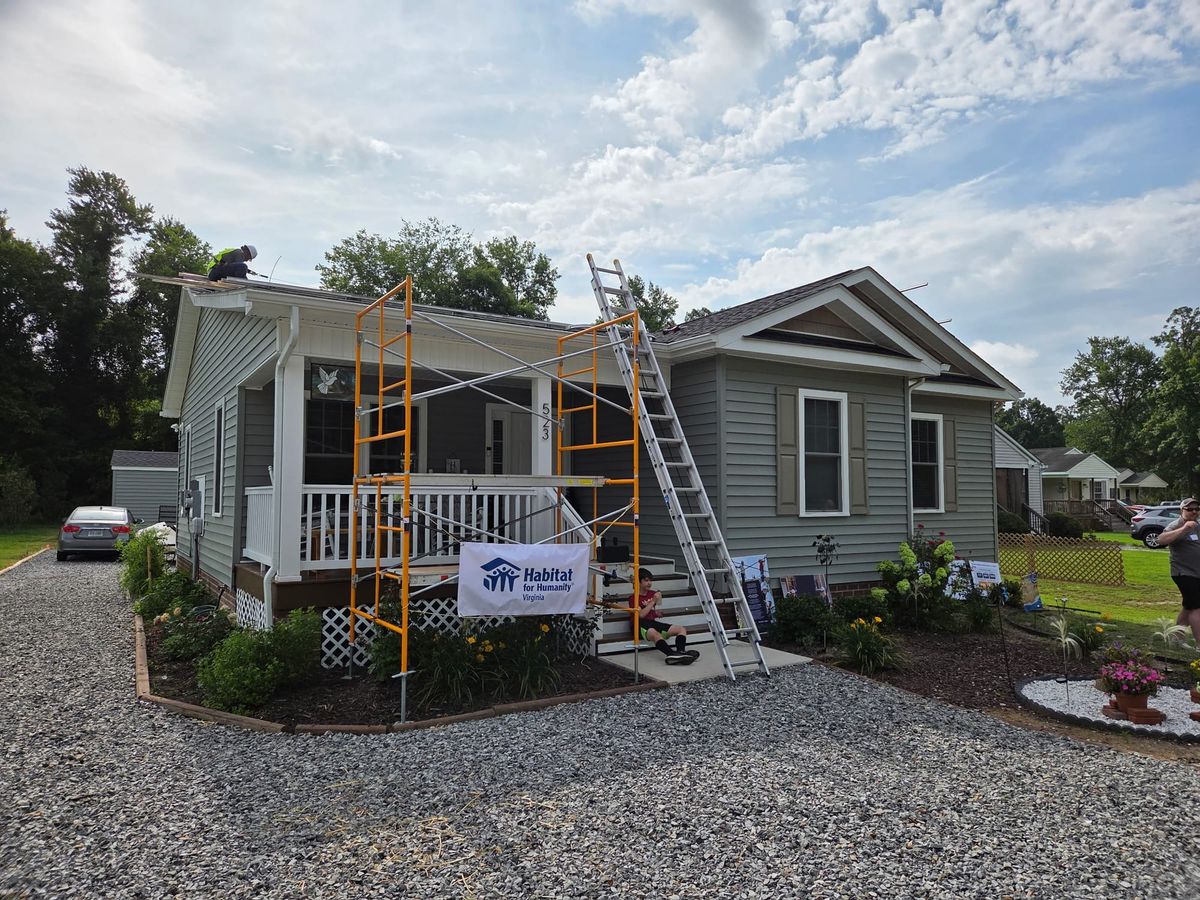
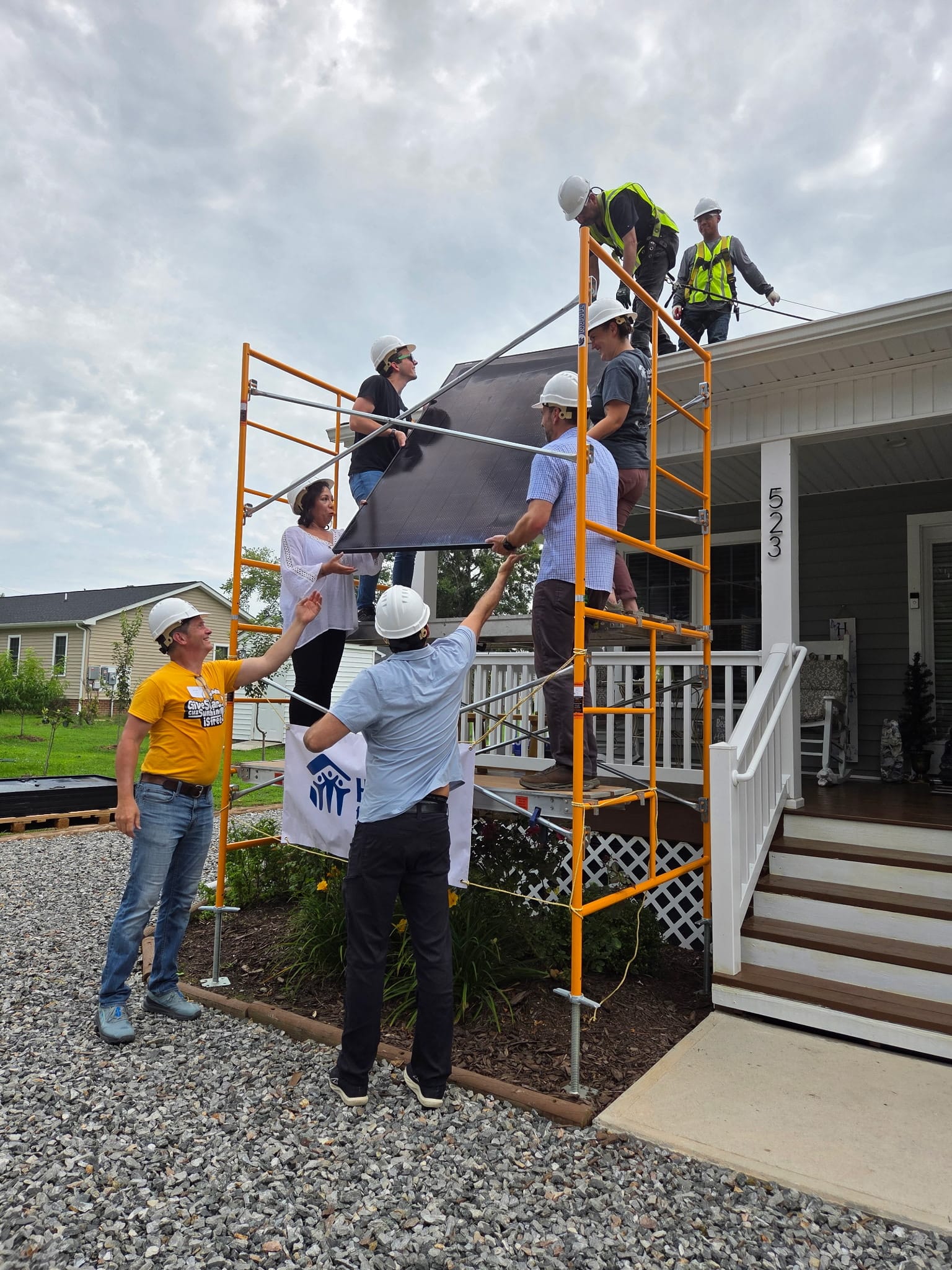
Volunteers hoisted solar panels onto the roof of an Ashland home on Wednesday, celebrating the 100th installation of solar panels by Habitat for Humanity locally.
When families living in Habitat homes are chosen for solar panel installation, they save an estimated $70-$80 a month in electricity costs. Habitat officials estimated that if utility bills continue to rise, that could mean a savings of more than $25,000 over the next 25 years.
Participating homeowners pay a $15 to $25 monthly lease payment for 10 years, at which time the panels become theirs.
“In our time, achieving affordable housing is a miracle for hard-working, low-income families.” said Overton McGehee, the executive director of Habitat for Humanity Virginia.
By pursuing this initiative, he added, nonprofits like Habitat for Humanity and GiveSolar are giving families a safeguard against electricity prices.
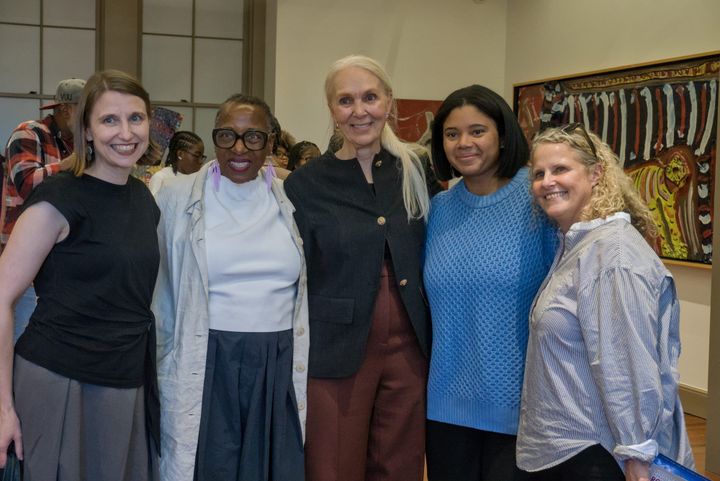
Tuesday, the group partnered with Convert Solar. Representatives from those organizations, as well as the homeowner herself and other volunteers, including First Gentleman Adam Spanberger, all pitched in as they sweated through the morning heat to place the final solar panels on top of the home.
Morgan Dean, the executive director of King William Habitat for Humanity, said in addition to helping on bills, the initiative nudges the community in the right direction towards a clean, sustainable future.
“We believe in providing everyone a decent and quality space to call home, and that starts with sustainability,” she said.
Funding for the solar panels comes from private donors and other contributors like Clean Virginia, the American Institute of Architects, and the Just Pax Fund. Families eligible to receive solar panels are selected by the local Habitat for Humanity affiliate, then it is up to the affiliate and the family to determine whether solar panels are a good option that suits their needs.
There are now 3,800 Habitat for Humanity homeowners in Virginia.
The group's long-term plan is to build out full neighborhoods with solar power, creating a virtual power plant that is capable of lowering the cost of energy for the community as a whole.
When this is coordinated, an overflow of solar energy can potentially be achieved that families can return to the grid for money. In turn, the extra energy goes towards the entire community.
Having passed 100, the group has set a new goal of 525 solar installations in the years to come.
“The sun shines on the just and unjust,” McGehee said. “It shines on the roofs with solar panels; it shines on the roofs without solar panels. But only solar panels can run your refrigerator.”