GRTC commits to another year of fare-free service
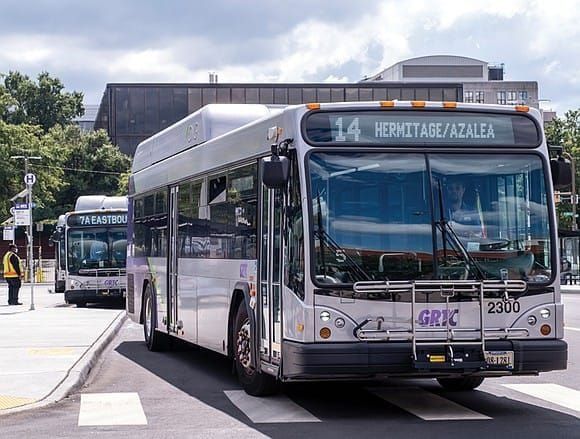
Buses in the Richmond region will remain fare-free for another year.
“Zero fare is staying,” said Adrienne Torres, GRTC’s chief of staff, during a recent overview of the transit agency’s budget for the coming year, which would maintain the program through the end of June 2027.
The program’s long-term future has been in doubt since last year, when state and local funding that initially made the program possible dried up.
 Victoria A. Ifatusin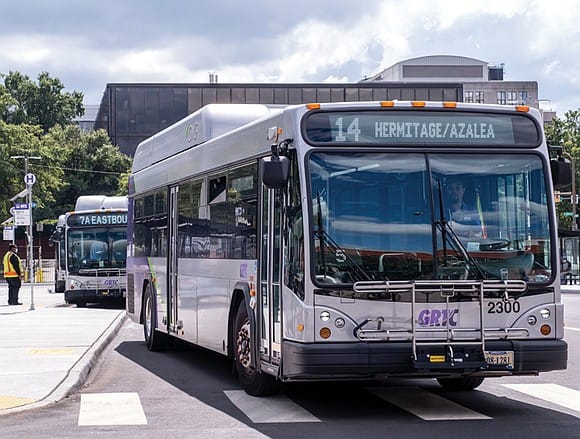
GRTC officials say they now consider keeping service free part of “our DNA” – an assumption they say will be baked into future budgets rather than tied to specific grants or funding allocations.
“Instead of it being like a line item, necessarily, it’s a philosophy,” said Chesterfield County’s board rep, Barbara Smith, during a board meeting last week.
GRTC officials launched the Zero Fare program in 2020 during the pandemic in an effort to reduce interaction between bus drivers and passengers. At the time, passenger fares had been generating about $6.8 million annually — money replaced by grant funding and a $1.2 million annual payment from VCU, which represented the amount the university had been paying to provide bus service for its students, faculty and staff.
Those grants ended last year. At the same time, VCU ended its annual contribution, reasoning that it didn’t make sense for the university to pay for a service that was now free.
GRTC ultimately made up the difference using surplus funds from the prior year. Torres said the agency was able to use a similar strategy this year, relying on a $2 million surplus and otherwise absorbing the program into its general operating budget.
In the long run, the agency is pushing to grow funding for the program through advertising revenue and charitable donations. GRTC’s budget for the coming year anticipates $1 million from advertising and community donations, up from $600,000 last year. Torres said she hopes that estimate proves conservative.
Officials have said they hope charitable donations alone will eventually bring in $2 million annually.
Victoria A. Ifatusin
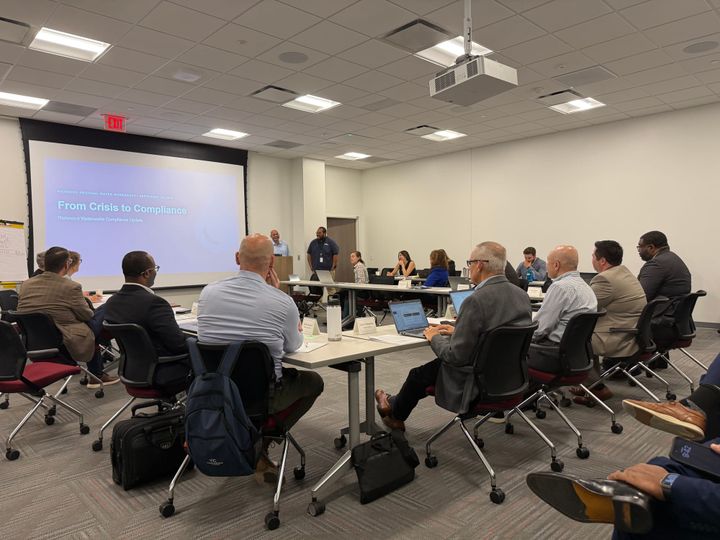
GRTC board members, however, have sounded skeptical that fundraising and charitable contributions will be forthcoming in large enough amounts to make a meaningful difference in the agency’s budget.
Fundraising so far has been limited to a handful of small events, including a GRTC night at the Midlothian location of Chipotle, in which the chain donated 25% of sales to support bus service, netting a few thousand dollars.
“You’re not going to do it with Chipotle fundraising,” said Smith, the Chesterfield board rep, during a board meeting last month.
Terrell Hughes, who represents Henrico County on GRTC’s board, added that it sounded more like the kind of fundraising school groups engage in.
“A PTA, we’d be excited about a Chipotle fundraiser, but…” Hughes said.
“Our PTA decided it wasn’t worth the effort,” Smith said.
The board members deferred action on a proposal by staff members to create a permanent fundraising position at RideFinders, GRTC’s charitable arm, worrying that the position might not bring in enough in donations to justify the expense.
Michael Phillips
GRTC staff argued in response that the program is starting small but is in the process of growing, building relationships and hopes ultimately to change the way transit is viewed in the Richmond area.
“It’s not a build it and it comes tomorrow,” Torres said. “This is absolutely going to be an uphill battle. This region does not look at transit the same way as other regions. Atlanta would be an example where businesses do have quite an investment in transit. So we’re working to get to that point.”
Contact Reporter Ned Oliver at noliver@richmonder.org