Dominion, NextEra announce proposed merger. What does it mean for Richmond?
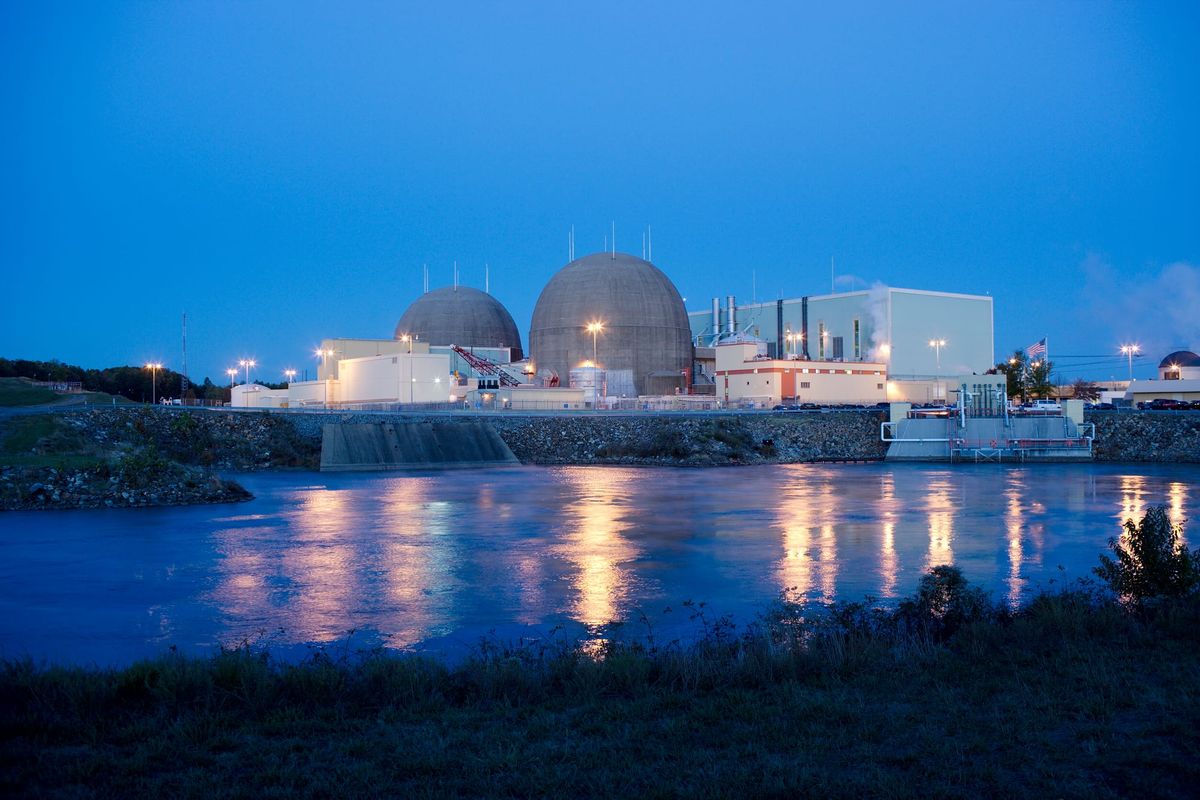
Dominion Energy, the Richmond area's sixth-largest employer, will become part of the world's largest regulated electric utility business under a proposed acquisition announced Monday by Florida-based NextEra Energy.
The deal still must be approved by federal and state regulators.
NextEra would own 74.5% of the new company, while Dominion shareholders would own 25.5%, according to a press release jointly released by both companies.
The merged company, which would continue to operate as Dominion Energy in Virginia, would keep the NextEra Energy name nationally. The Wall Street Journal described the proposed company as “an East Coast energy titan.”
NextEra committed to retaining a "dual headquarters" structure in Richmond and Juno Beach, Florida, and said it would retain all Dominion Energy employees for at least 18 months after the merger closes, which is expected to take place in 2027.
Reuters reported on Monday morning that Dominion would have to pay $2.24 billion if the deal falls through.
The combined company also committed to $1.778 billion in bill credits for Virginia customers during the two years post-merger. That comes out to about $658 per customer if divided equally across the company's 2.7 million customers in Virginia, though no details were immediately available on how the credits would be administered.
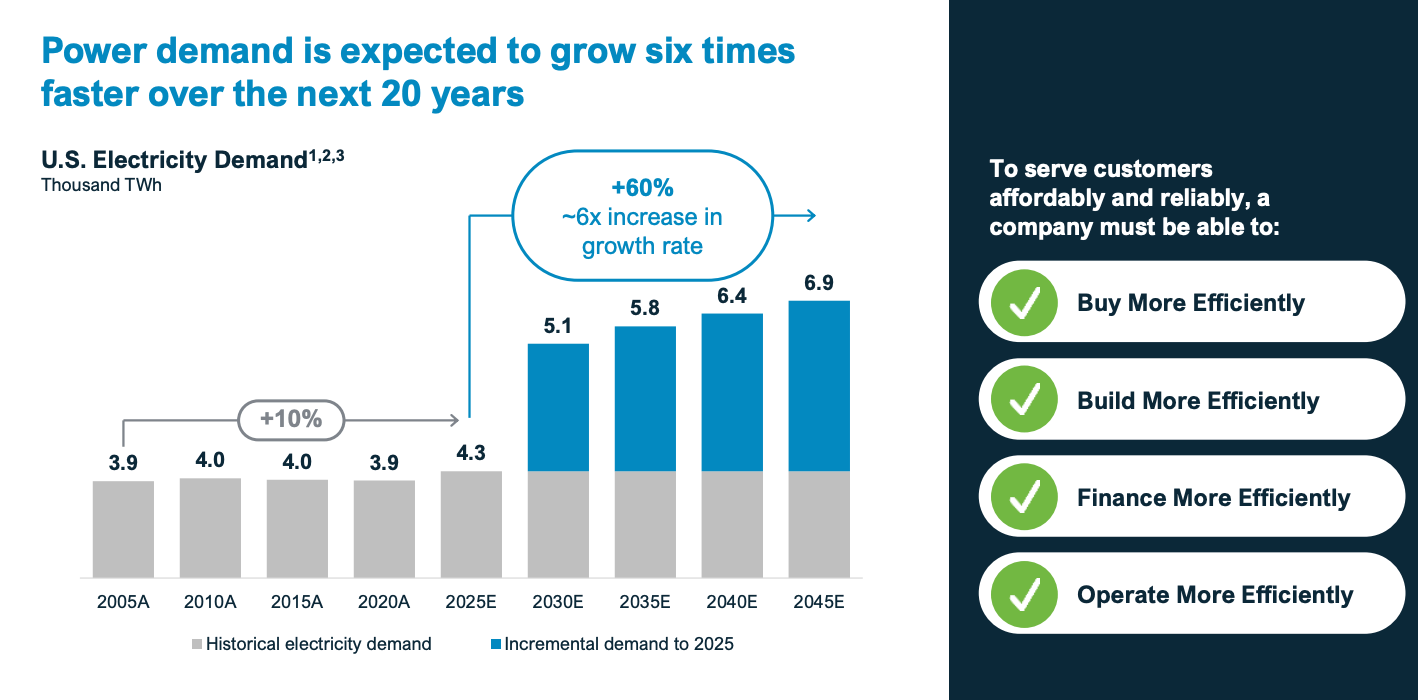
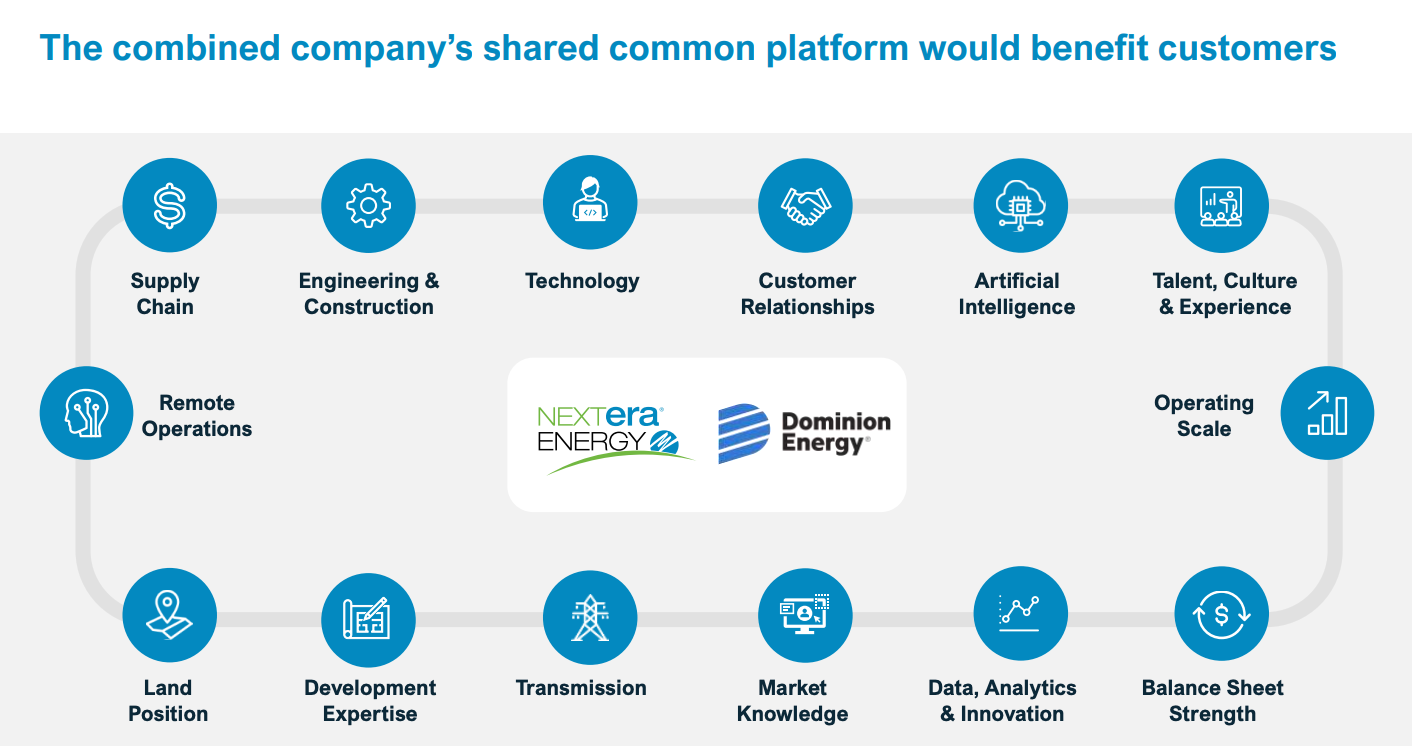
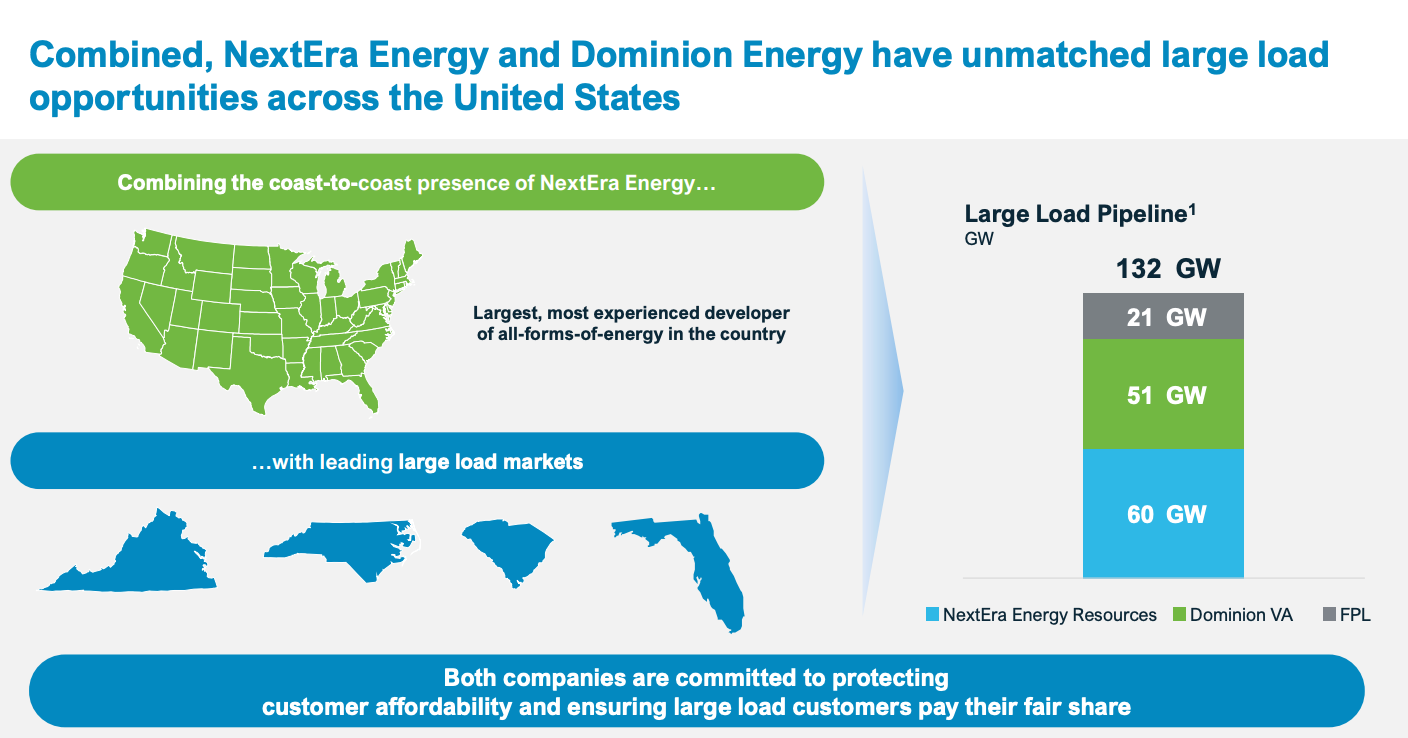
In a presentation for investors, the two companies cited an expected surge in power demand over the next 20 years, and said the combined company will be better positioned to finance and build the facilities necessary to deliver that power.
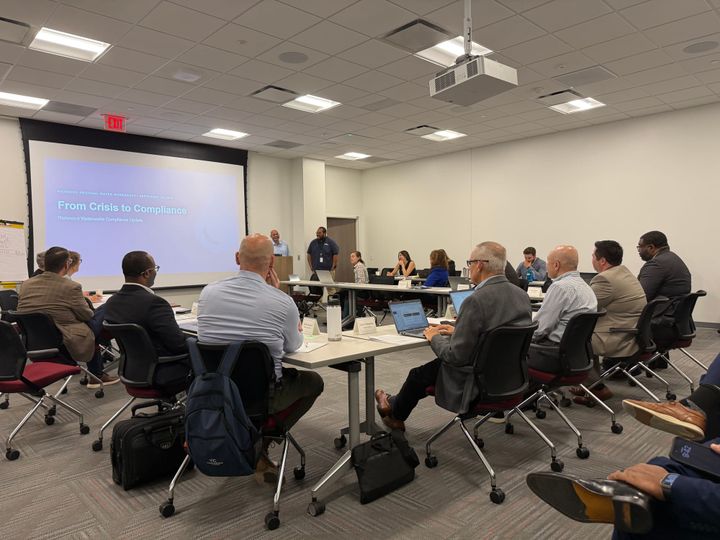
Dominion employs 5,433 people in the Richmond area according to the most recent statistics.
“Dominion Energy and NextEra Energy share a deep commitment to delivering reliable and affordable energy and to the customers and communities we are honored to serve," Dominion President Robert Blue said in a press release. Blue will stay on as the president of regulated utilities for the new company.
“Most importantly, this combination is built around our customers. The bill credits we are committing to, the continued investments in generation, reliability and storm resiliency and our commitments to retain our team and dual headquarters in Juno Beach and Richmond, as well as Dominion Energy South Carolina’s existing operational headquarters in Cayce, reflect the values that have always defined Dominion Energy.”
Dominion is a publicly-owned company but heavily regulated by the Virginia government, which oversees its status as a state-approved monopoly. The State Corporation Commission regularly reviews Dominion's plans for growth and rate hikes.
Earlier this month, Dominion asked the state for permission to finance an expected $21.79 monthly jump in the average consumer bill next year, so the impact could be spread out over a longer period of time.
Gov. Abigail Spanberger is also fighting with the General Assembly over whether to remove a tax exemption for data center operators within the state.
A 2024 study by the state found that 13% of all data center capacity globally is located in Virginia, generating $9.1 billion in GDP for the state, but is also producing an unprecedented strain on the state's power systems and its ability to affordably deliver that power to residents.
In the investor materials released Monday, NextEra Energy called itself the "largest, most experienced developer of all-forms-of-energy in the country," adding that both companies "are committed to protecting customer affordability."
Locally, Dominion is a major charitable force. The press release said that work will continue, and Dominion will commit an extra $10 million a year to its charitable efforts for five years after the deal closes within its current operating footprint.
Contact Michael Phillips at mphillips@richmonder.org. Dominion Energy is a sponsor of The Richmonder but was not allowed to influence or review this story. This article has been updated with details about the transaction and to correct that Dominion is a publicly-held company.