Catching up: GRTC isn't out of money, but it is fundraising
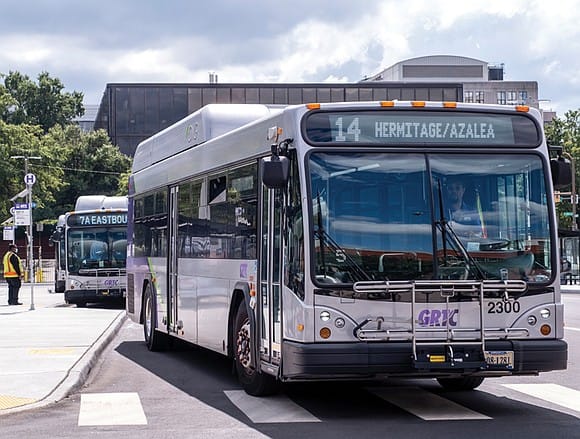
Name: Greater Richmond Transit Company
Why you know them: Twice this year, GRTC's financial future was described in dire terms.
In March, a report by an advocacy group suggested the bus company needed $6.8 million to maintain its free-fare policy into the upcoming fiscal year. Then in September, a GRTC board retreat document used the phrase "financial cliff" to describe what could happen to funding in 2031.
What's happening now
Funding for zero-fare is still covered in fiscal year 2026, which ends in June 2026, according to GRTC spokesperson Ashley Potter.
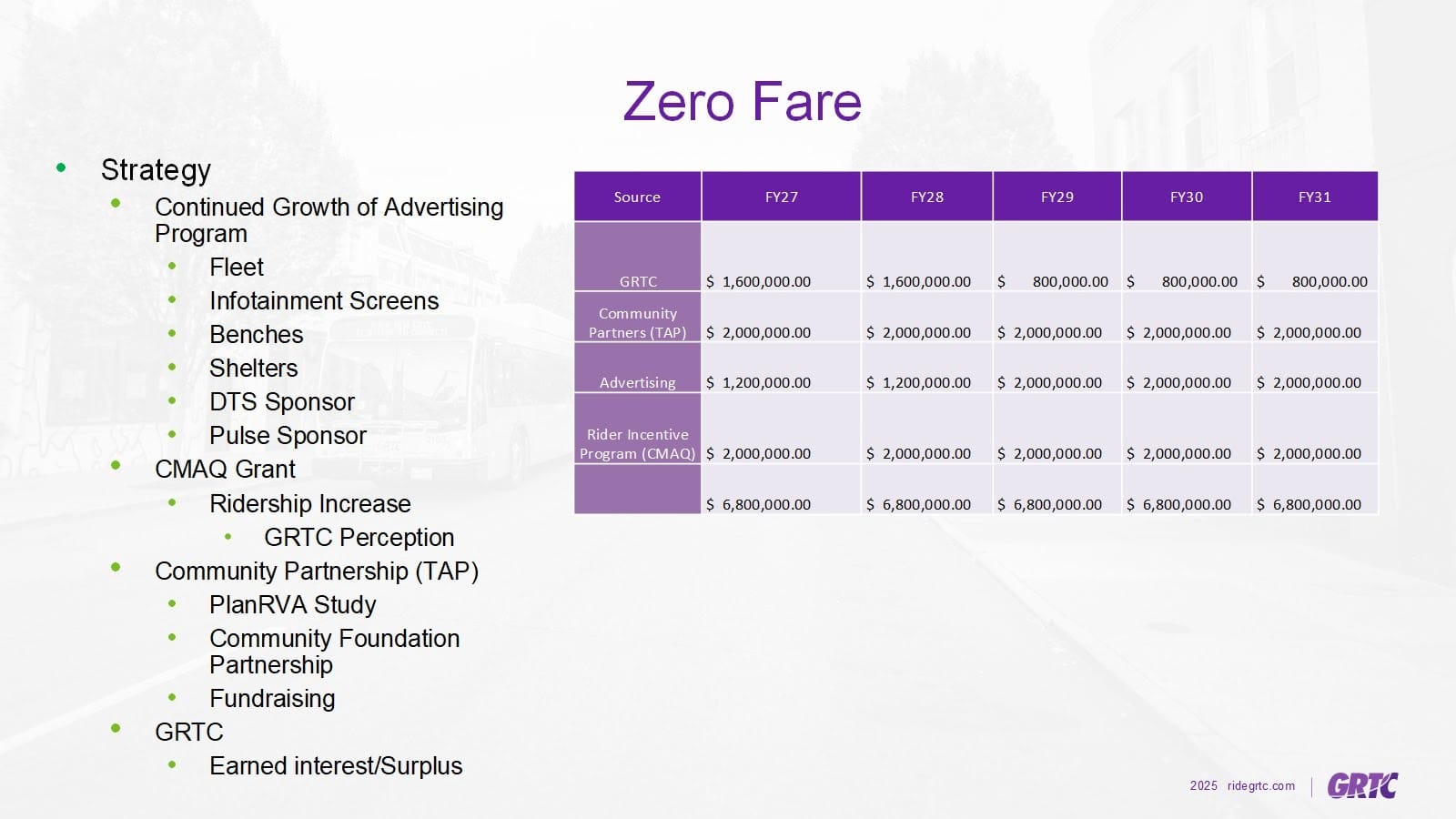
It costs $6.8 million a year for GRTC to subsidize the fares that riders would normally pay. Advertisers, a grant from the U.S. Department of Transportation, earned interest from GRTC funds, and funding from a previous VCU commitment helped foot the bill for this year, Potter said.
But the future after that is not guaranteed, Potter said, adding that the company is “aggressively” working to find more funding sources for fiscal year 2027, which begins on July 1, 2026.
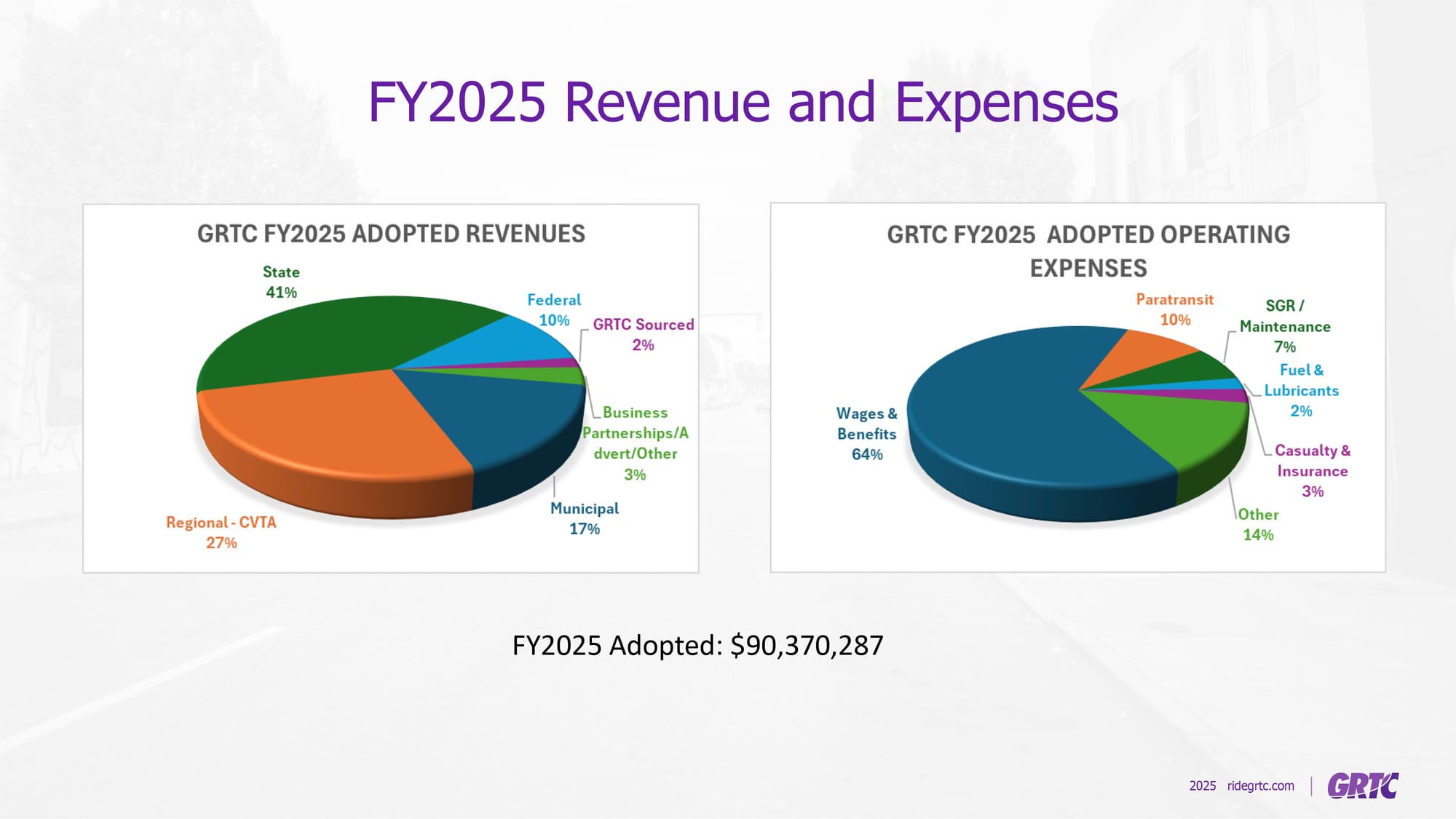
GRTC has set goals for how it is going to pay for free fares in fiscal year 2027 and where that money it will come from.
One of the goals for the company is to rely a little more on its Transit Access Partnership fundraising campaign, which began in 2023 and can accept charitable donations. GRTC is hoping that the fundraising campaign can bring in $2 million every year towards the free-fare program.
“I hate the community to be fearful of losing zero fare on our buses, but it wouldn’t happen overnight,” she said. “But there needs to also just be that effort to support public transit in the region and we’re hoping to really find those partners who believe in that.”
In an event where Richmonders would have to again pay to ride the bus, Potter said fare collection would take some time to implement. Fare boxes would need to be installed and the company would have to train its employees, which would take about a year in total.
The organization could also use the TAP program to support lower income riders “in some way,” Potter said, but details on what exactly that could look like in the future is still unclear.
Despite the unpredictable future, the free-fare effort is fully supported in the community and throughout the organization, including from its board of directors, Potter said, making GRTC keen on doing all it can to ensure it stays in place.
Contact Reporter Victoria A. Ifatusin at vifatusin@richmonder.org