Avula: Creating housing stock, responsible rezoning are key to stabilizing market
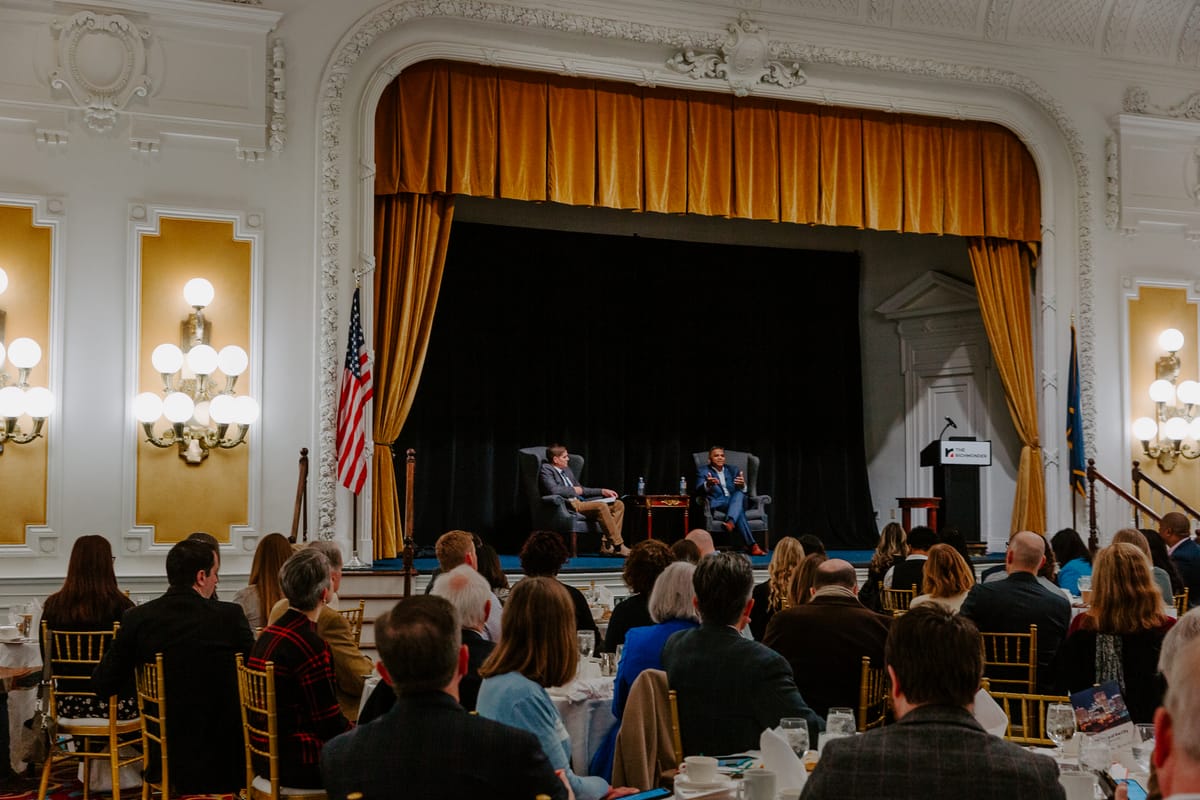
Richmond Mayor Danny Avula moved into the Church Hill neighborhood in 2004.
At the time, he said Thursday, it was a mix of different home sizes, costs and residents.
“You had 2,500 square-foot houses next to 800 square-foot bungalows,” Avula said. “And that is not the case 21 years later, right? Most of those bungalows have been torn down. They've been replaced by single-family homes. The market has just totally changed. And that is happening in communities all over our city.”
Avula participated in a Q&A session with Richmonder reporter Graham Moomaw as part of “The (Real) State of the City” program.
He spoke extensively about housing costs, while acknowledging that prices leveling off is far more likely than a decrease.
“What I do think we can do is if we can ramp up production of housing, I think we can level off the increase that we've seen over the last 7 years,” he said.
Avula used the forum to give an endorsement of Richmond’s code refresh initiative to update the city’s 50-year-old zoning rules.
 Sarah Vogelsong
“We just need to make it easier to build more houses,” he said. “It's why we focus on revamping our zoning code, and we are talking about the code refresh a lot.”
He added: “When you have a stagnant supply of housing, with lots of people who want to move to Richmond, because of what we've done in the river, because of our walkability and bikeability, because we have great neighborhoods with an amazing food scene and a great arts and culture scene and incredible healthcare – my friends at VCU are here – there's so many things that draw people to Richmond. But if we don't address this basic reality, that we don't have enough houses to absorb that population growth, what does that do? It drives the cost of housing up.
“And so, you know, in some ways we're victims of incredible success. In other ways, it also means that we haven't paid enough attention to building enough housing supply, keeping up with the housing stock to be able to at least level off housing prices, right?”
Avula said the code refresh is a major initiative, but he also wants to find dedicated funding streams for affordable housing programs at the city level.
 Sarah Vogelsong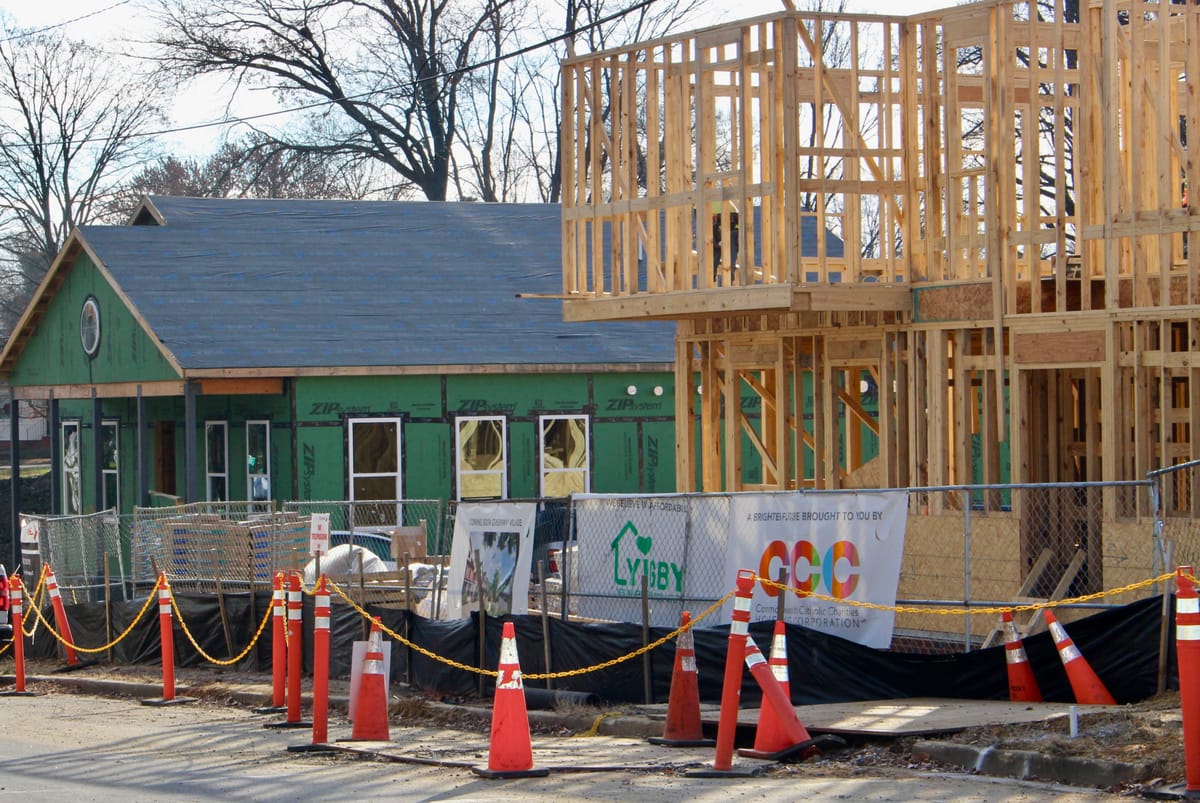
He said incentivizing developers to build smaller houses is another important step.
“There are a lot of things that we are in the beginning stages of, for example, manufactured homes or tiny homes, adjusting the code to make sure that it's easier to build those kinds of communities, right?” the mayor said. “Right now Housing and Community Development is putting together the first, like, cottage community with a series of tiny homes in a cul-de-sac.”
 Sarah Vogelsong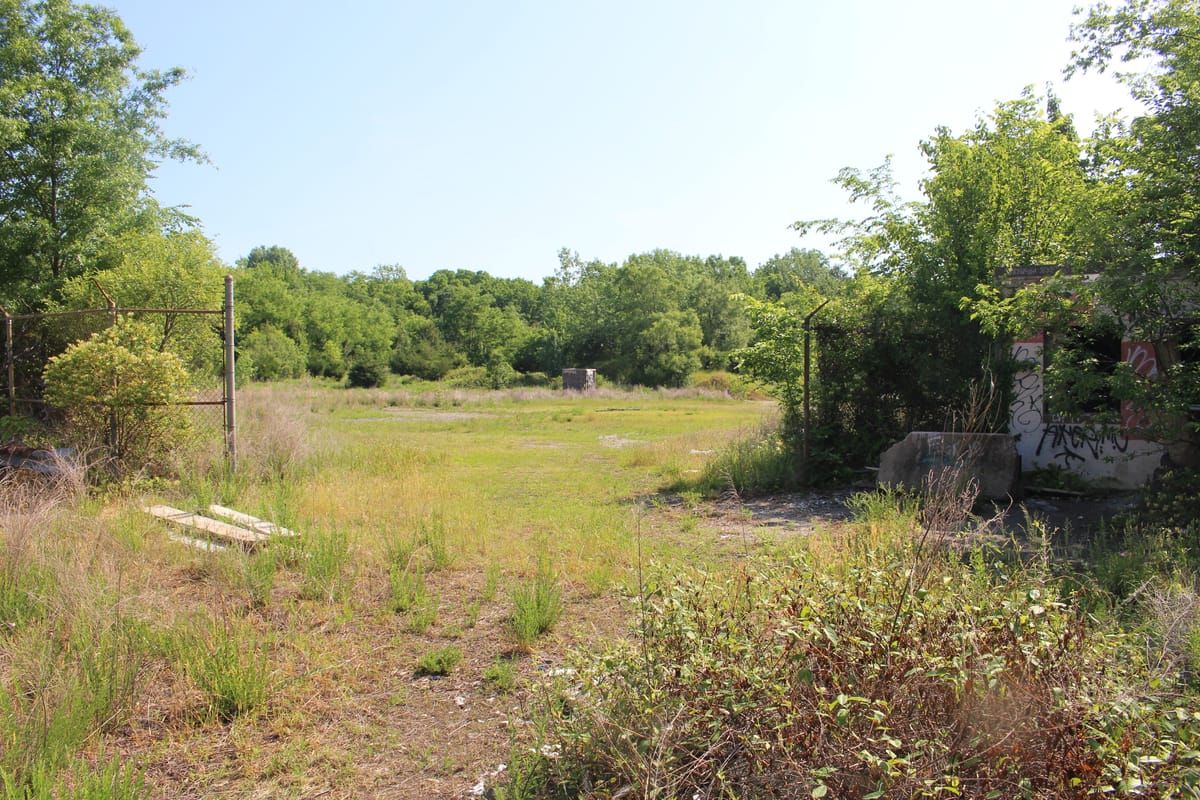
He acknowledged the pushback the code refresh has received from some homeowners.
“A lot of neighborhoods don't want to see those changes in their communities, right?” he said. “If you live in a single-family community, there's been a lot of pushback saying, ‘Hey, we don't want duplexes or, you know, a four-plex that might change the character of our neighborhood.’
“I would say in response, we do care a lot about the character of our neighborhoods.
“I think the aesthetic and the charm of so many of our neighborhoods are what draw people to Richmond, and get people excited about it. But I also know that it is increasingly impossible for there to be people of different incomes and different life stages to live in the same community. And the only way we get there is by offering housing and choices for people who can access a neighborhood at different levels.”
Back to basics
Avula said one of the top achievements of his first year was the release of the Mayoral Action Plan to guide his administration’s priorities and decisions while in office.
 Graham Moomaw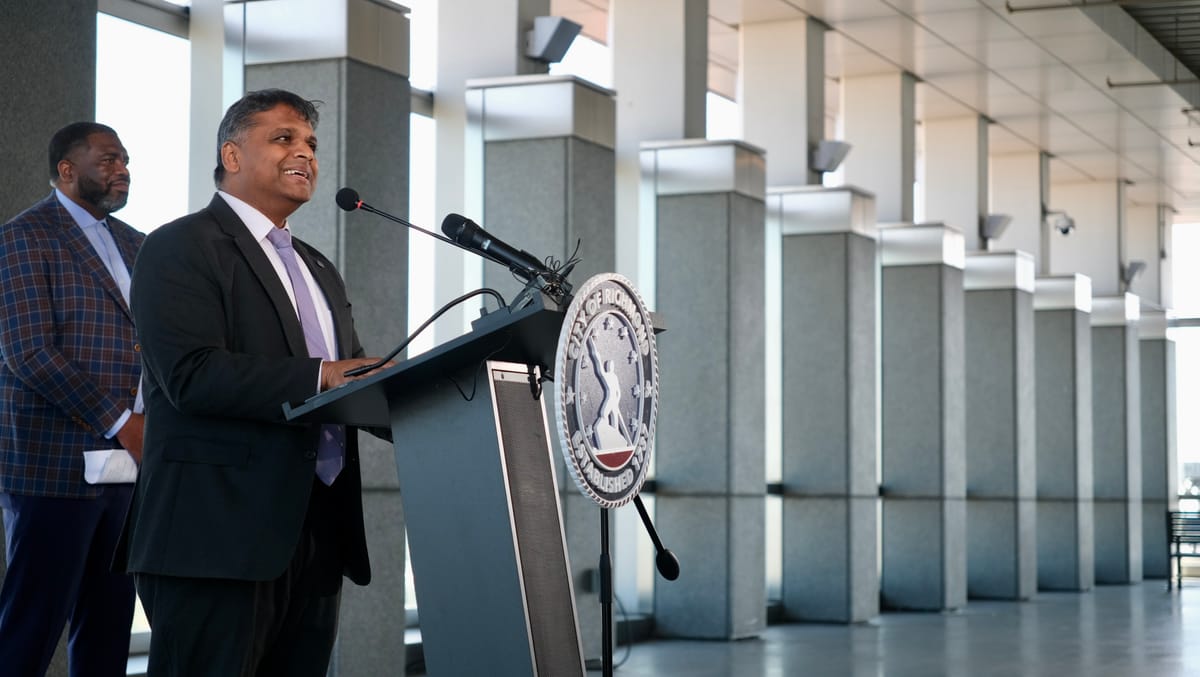
Entering the budget season, he acknowledged that the city’s property tax rates, which are higher than the counties, will always be a point of contention, but he said that money pays for important services.
He said that Richmond has 860 miles of sidewalks to maintain, while Henrico County has just 250, despite being larger geographically.
Avula reflected on having the water crisis define his first days in office, and said that commitment to an aging infrastructure creates tough decisions.
“There's a tension there in every financial decision that's really challenging,” he said. “I think what the water crisis did for us was say, ‘Hey, we've got to invest in the big things,’ right? We've got to make sure that the basic stuff that your local government is expected to deliver can actually deliver.
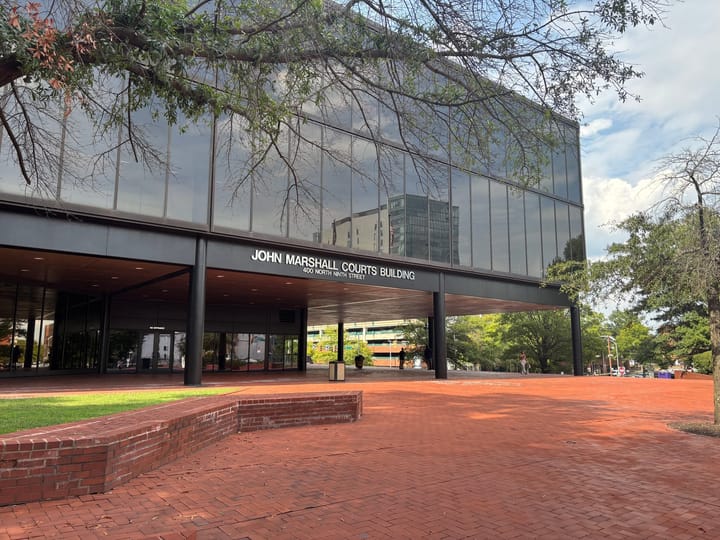
“And so we obviously had to do that because of the crisis, but it also pushed us to think about what are all of the other areas of deferred maintenance issues. You think about our water and gas infrastructure, roads and bridges, our schools that are decaying, a courthouse that's needed to be replaced for over a decade, right?”
Avula acknowledged reforming the finance department is part of that discussion. He said it’s a long-term job, and he’s hopeful to have a second term where he will be able to continue the work.
"My part of this, in terms of the operations of city government, is to figure out, 'How are we stewarding dollars well, and how are we streamlining the operation well?'" he said.
“That stuff doesn't happen overnight, right? I've been here a year. I hope to be here in another 7 years. I think we will see significant improvements over time in being able to provide better services at lower cost. That is absolutely a focus of our first pillar.”
Contact Michael Phillips at mphillips@richmonder.org.